Superior Material Quality and Production Technology
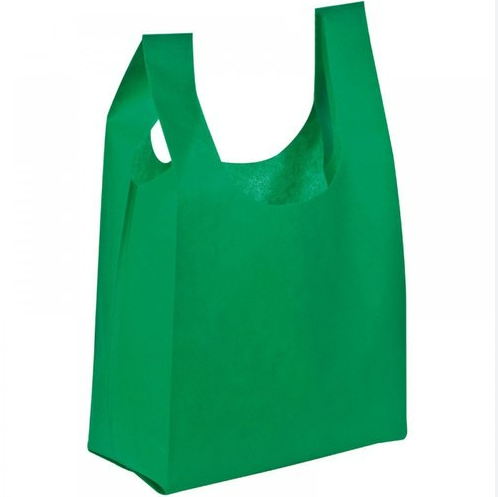
The foundation of an exceptional non woven bag supplier lies in their commitment to superior material quality and cutting-edge production technology. Leading suppliers invest heavily in state-of-the-art manufacturing equipment that produces consistent, high-grade non woven fabric with precise specifications. The spunbond process, utilized by top-tier suppliers, creates fabric by extruding molten polymer through fine nozzles, forming continuous filaments that are laid randomly and bonded through heat and pressure. This technology produces fabric with excellent tensile strength, uniform thickness, and optimal breathability. Advanced suppliers maintain strict quality control protocols throughout production, testing fabric weight, tear resistance, and dimensional stability at multiple checkpoints. They source premium polypropylene or polyester raw materials from certified vendors, ensuring the base material meets international safety standards and contains no harmful additives. The importance of material quality becomes evident in the finished product's performance. Bags made from superior non woven fabric maintain their shape under stress, resist moisture penetration, and withstand temperature variations without degrading. This durability means bags serve customers reliably over extended periods, reinforcing positive brand associations each time they are used. Quality suppliers also offer various fabric grades, allowing clients to select the appropriate material weight for specific applications. Lighter fabrics suit promotional giveaways where cost minimization is priority, while heavier grades serve retail environments requiring maximum durability. The technological sophistication extends to printing capabilities, where modern suppliers employ rotogravure, screen printing, and heat transfer methods that produce sharp, fade-resistant graphics. Digital printing technology enables small-batch customization with photographic quality, perfect for limited edition designs or test marketing campaigns. Automated cutting and sewing systems ensure precise dimensions and consistent construction across thousands of units, eliminating the variations common in manual production. Quality suppliers maintain clean, organized production facilities that prevent contamination, particularly important for bags intended for food or medical use. They implement environmental management systems that minimize waste, recycle production scraps, and reduce energy consumption, demonstrating corporate responsibility that aligns with client sustainability goals. The value this brings to customers is multifaceted: reliable product performance builds consumer trust, consistent quality reduces return rates and customer complaints, and advanced customization capabilities enable distinctive brand presentation that differentiates products in competitive markets.