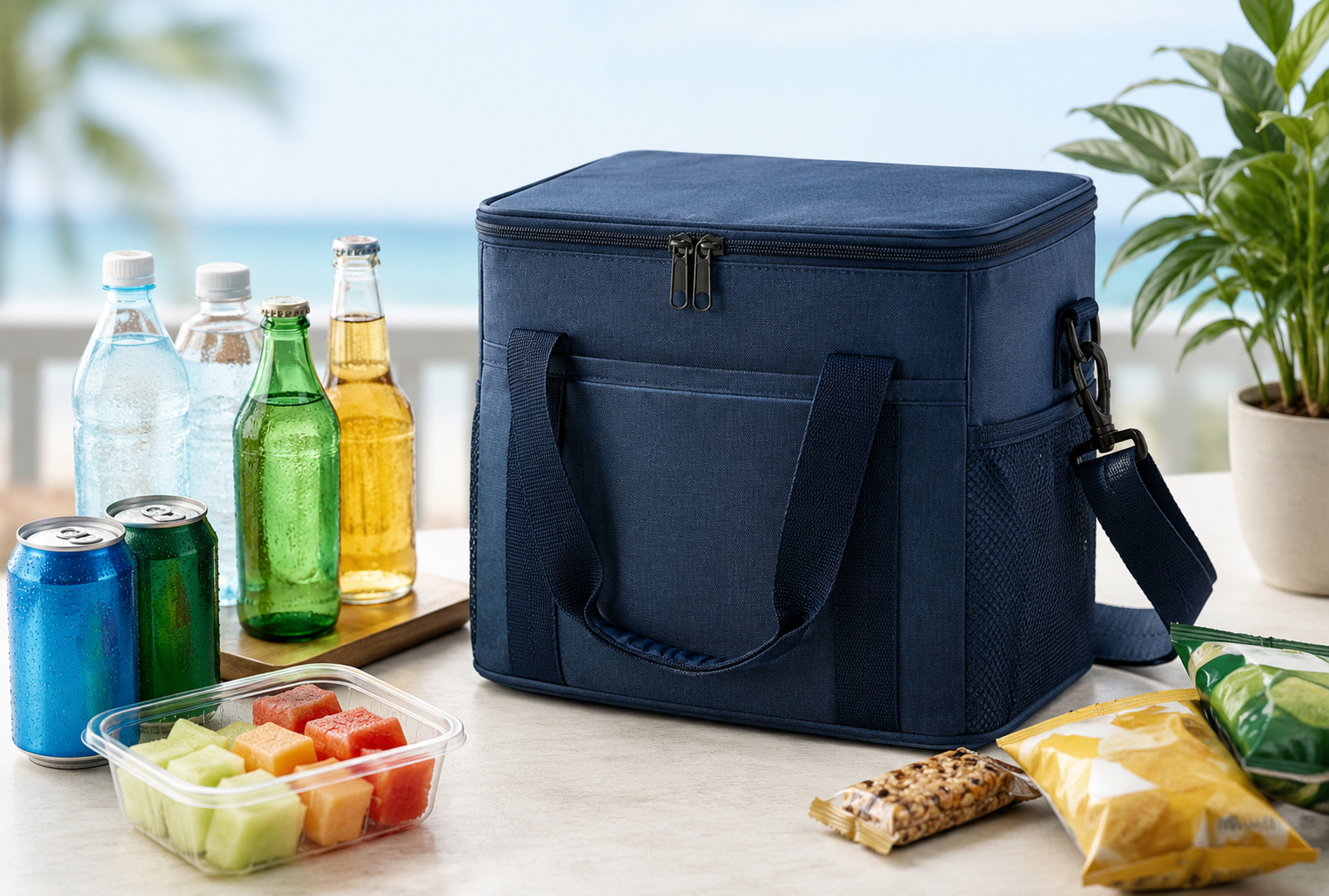
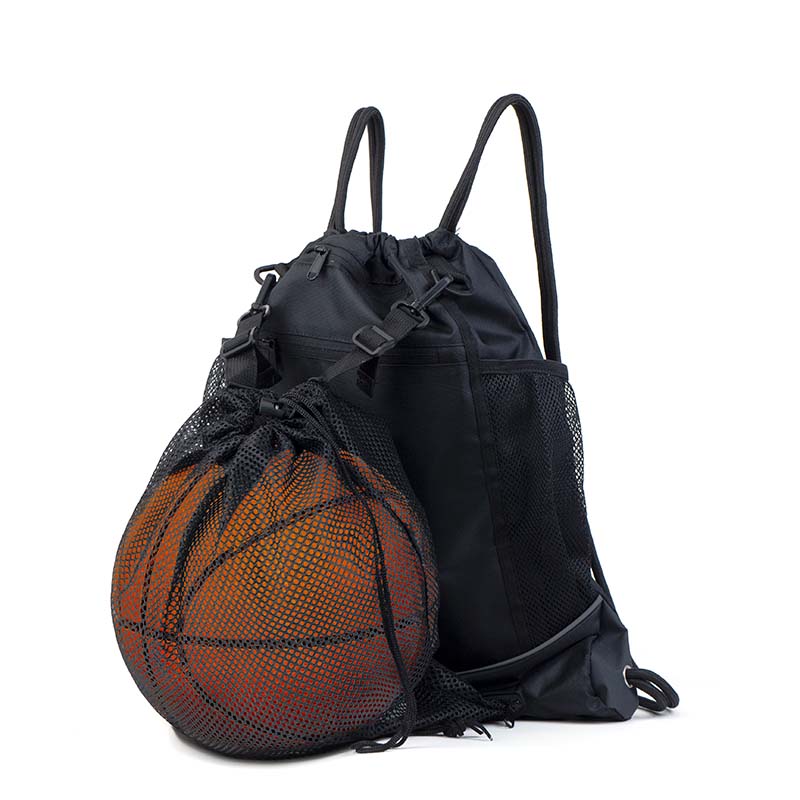
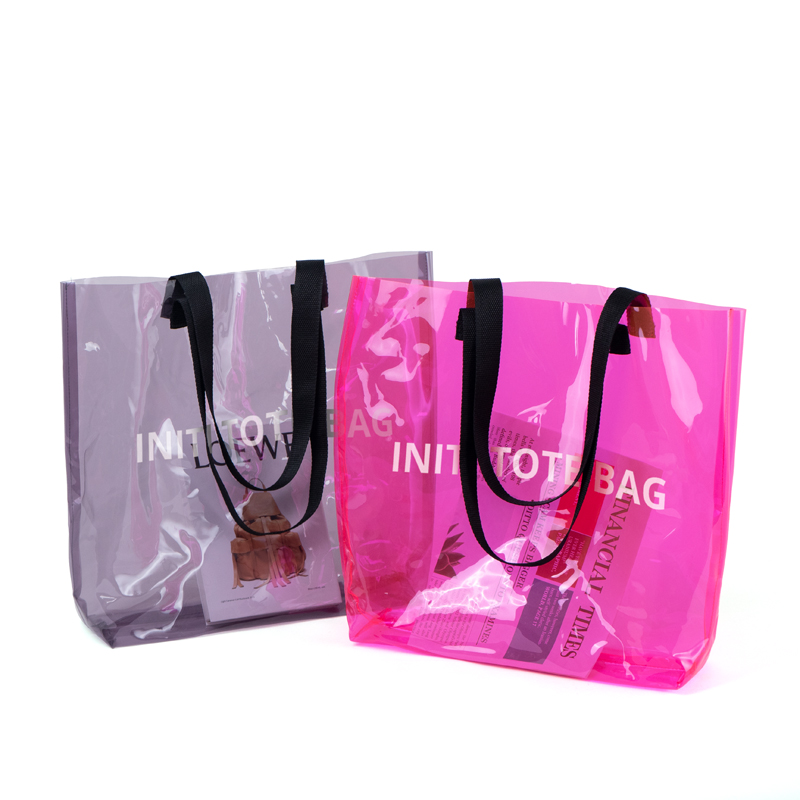
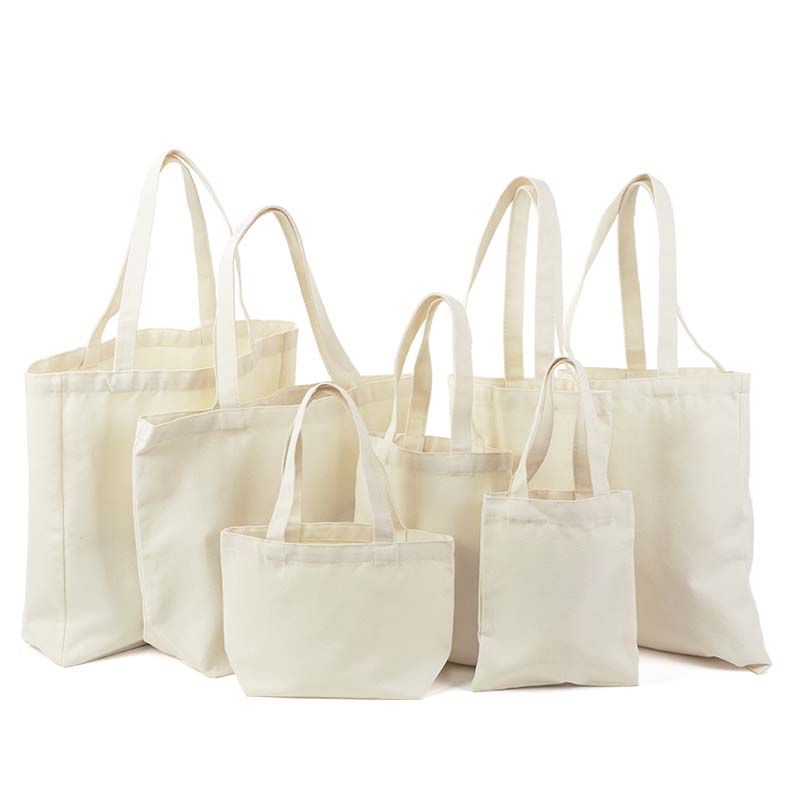
Bosses refrigerades personalitzades per a promocions d’aliments i begudes
Desenvolupem bosses aïllades pràctiques per a llançaments de begudes, campanyes de mostreig d’aliments, promocions en supermercats, programes per a restaurants, esdeveniments en espais oberts i regals de clientela amb marca.
- Mides, capacitats, materials i estructures d’aïllament personalitzables
- Impressió de logotips, brodats, insígnies i accessoris amb marca
- Opcions per a llaunes, ampolles, safates de menjar, aperitius i jocs promocionals
- Mostreig i producció en volum per a campanyes regionals o multimercat
- Control de qualitat i envasat per a l’exportació destinat a la distribució promocional
Les bosses refrigerades personalitzades combinen l’embalatge del producte, la visibilitat promocional i l’ús continuat per part del consumidor. A diferència d’una bossa de paper temporal o d’un regal estàndard, una bossa aïllada pot transportar aliments i begudes durant el desplaçament, les compres, els picnics, esdeveniments i activitats en exteriors.
Per a les marques d’aliments i begudes, però, la bossa ha de dissenyar-se tenint en compte més factors que només l’aparença. La capacitat, l’estructura d’aïllament, el revestiment, el disseny de la cremallera, el sistema de transport, els requisits de neteja i el pressupost promocional afecten si el producte acabat és adequat per a la campanya.
INITI dona suport personalitzat a projectes de bosses refrigerades per a empreses de begudes, fabricants d’aliments, supermercats, cadenes de restaurants, agències promocionals, distribuïdors, compradors corporatius i organitzadors d’esdeveniments.
Bosses refrigerades promocionals dissenyades entorn de la campanya
Les promocions d’aliments i begudes varien significativament en la forma en què es distribueixen i s’utilitzen els productes.
El llançament d’una beguda pot requerir una bossa refrigerada per a sis llaunes per a un esdeveniment en exterior. Una campanya en un supermercat pot necessitar una bossa isotèrmica plegable que els clients puguin reutilitzar per transportar productes refrigerats. Un programa de fidelització d’un restaurant pot requerir una bossa compacta bossa per a dinar amb compartiments estructurats. Una marca alimentària premium pot preferir una cistella refrigerada més pesada amb marca brodada i embalatge d’estil minorista.
Abans d’escollir una bossa, els compradors haurien de definir:
- Productes inclosos en la promoció
- Dimensions de les ampolles, llaunes, safates de menjar o paquets
- Pes total empaquetat
- Distància de transport prevista
- Condicions esperades de gestió de la temperatura
- Quantitat de la campanya i mètode de distribució
- Cost objectiu per a cada joc promocional
- Mida del logotip, colors i requisits de marca
- Si la bossa és un regal promocional, un regal amb compra o un producte de venda al detall
- Mercats destinataris i requisits d'embalatge
Les bosses refrigerades funcionen ralentint la transferència de calor mitjançant una estructura aïllada de múltiples capes. Generalment estan pensades per suportar el transport a curt termini d'aliments i begudes, no per substituir la refrigeració controlada. El rendiment real depèn dels materials aïllants, de la temperatura inicial, de l'ús de paquets de gel, de les condicions externes, de la capacitat de la bossa i de la freqüència amb què es tanca i obre la bossa. pes per a Promocions
| Tipus de bossa refrigerada |
Promoció adequada |
Principals avantatges |
Personalització habitual |
| Bosses refrigerades compactes per dinar |
Promocions de restaurants, programes de menjars i regals corporatius d'oficina |
Capacitat controlada, estructura portàtil i ús diari pràctic |
Logotip imprès, etiqueta teixida, asca per transportar i butxaca interior de xarxa |
| Bolsa refrigerant per llaunes |
Campanyes de cervesa, refrescos, begudes energètiques i aigua amb gas |
Es pot desenvolupar entorn de quantitats específiques de llaunes |
Divisors, corretges d'espatlla, obre-llatines i impressió a tot color |
| Bolsa refrigerant per ampolles |
Promocions de vi, suc, llet i begudes en ampolla |
Protegeix i organitza ampolles individuals o paquets múltiples |
Divisors interns, base reforçada, assecadors personalitzats i estructura amb forma d'ampolla |
| Bolsa isotèrmica |
Campanyes per a supermercats, botigues d'alimentació i detallistes alimentaris |
Obertura més gran i càrrega flexible per a productes mixtos |
Tancament amb cremallera, assecadors llargs, exterior laminat i panells personalitzats |
| Bossa isotèrmica amb corretja per a l’espatlla |
Esdeveniments en exteriors, promocions esportives i programes de viatge |
Transport més fàcil per a begudes i aliments més pesats |
Corretja ajustable, butxaques laterals, butxaca frontal i mànec acolchit |
| Bossa isotèrmica plegable |
Regals promocionals d’alt volum i distribució compacta |
Redueix l’espai d’emmagatzematge abans de l’ús |
Tancament amb botons de pressió, cintes elàstiques, bossa d’emmagatzematge estampada i materials lleugers |
| Bossa refrigerada per a motxilla |
Campanyes per a l'aire lliure, esports, begudes i festivals |
Transport de mans lliures i valor percebut superior |
Corretges ajustables, múltiples compartiments i butxaques per a ampolles |
| Cistella refrigerada per a pícnics |
Regals gastronòmics premium, programes de vi i campanyes estacionals |
Presentació estructurada i capacitat superior per a regals |
Estructura rígida, revestiment extraïble, brodats i embalatge premium |
| Bossa refrigerada per a la distribució d'aliments |
Restaurants, serveis de catering i programes de distribució amb marca |
Desenvolupat per al transport organitzat de curta distància d'aliments |
Panells reforçats, obertura ampla, compartiments i detalls reflectants |
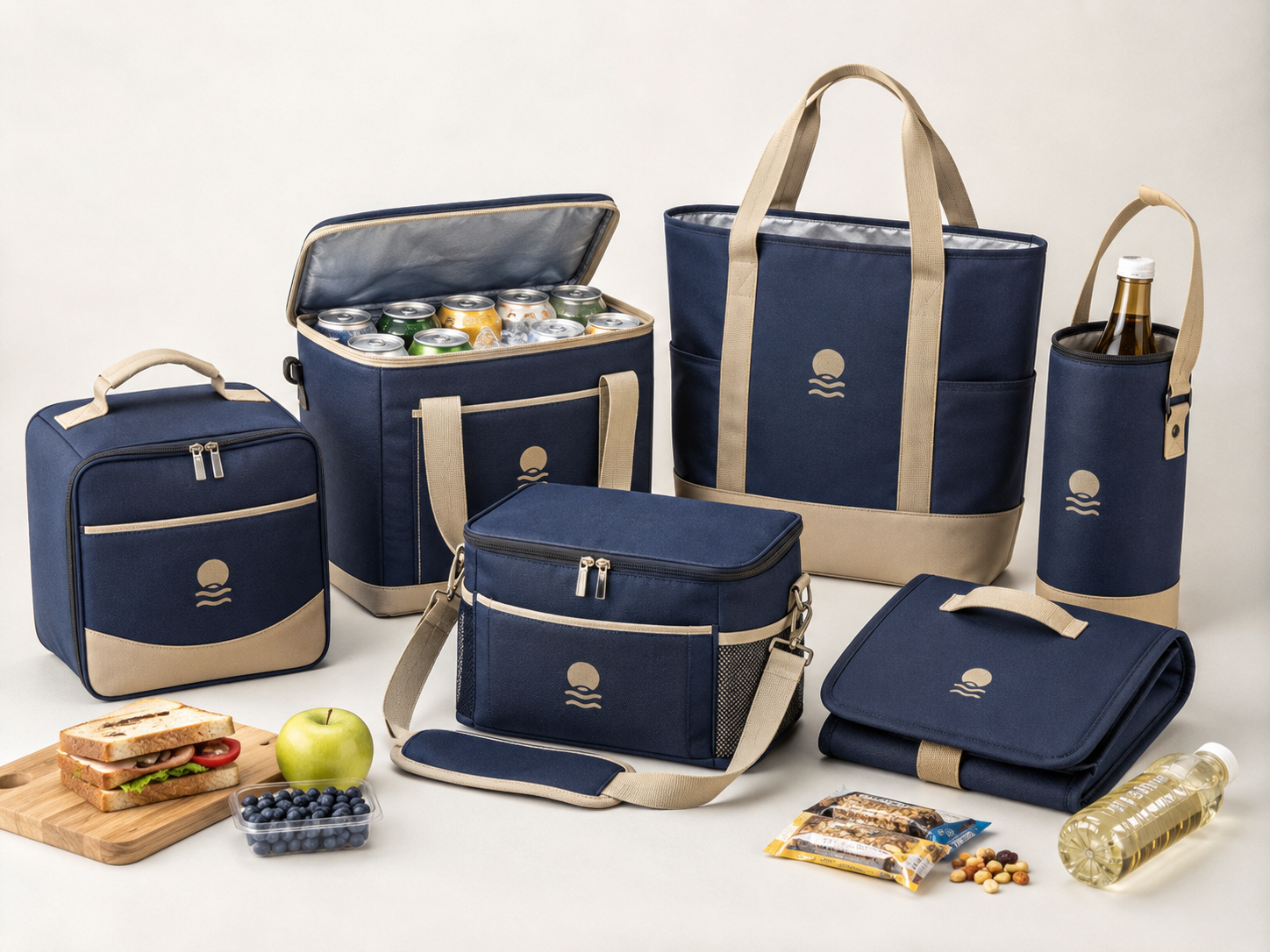
Solucions per a diferents campanyes d'aliments i begudes
Les marques de begudes sovint utilitzen bosses refrigerades per presentar noves begudes, formats d'embalatge o sabors estacionals.
La bossa es pot distribuir a:
- Clients minoristes
- Mitjans de comunicació i influenciadors
- Representants de vendes
- Distribuïdors
- Participants en esdeveniments
- Socis corporatius
- Membres del programa de fidelització
Per a begudes en llauna, les dimensions interiors s’han de basar en el diàmetre real de la llauna, l’alçada i la quantitat necessària. Una bossa promocional per a sis llaunes necessita una estructura diferent d’un fresc per a dotze llaunes.
Per a ampolles de vidre, els compradors poden necessitar divisors interiors, un reforç addicional d’acolchit i una construcció reforçada al fons. La bossa s’ha de provar amb els productes embalats reals abans de la producció massiva.
La marca pot incloure un gràfic promocional impresa gran, una etiqueta logotip tèxtil més petita, una plaqueta de goma o un tirador de cremallera coordinat. El tractament del logotip més visible no és sempre el més eficaç; ha de coincidir amb el públic objectiu de la campanya i l’ús repetit previst.
Campanyes de mostreig alimentari i proves de producte
Els fabricants d’aliments poden fer servir bosses fresques per a mostres de producte, aperitius refrigerats, kits de menjars, productes congelats o llançaments minors al detall.
Un conjunt promocional pràctic pot incloure:
- Mostres de productes
- Gel o paquets de gel
- Targetes de receptes
- Cupons
- Utensilis de marca
- Accessoris petits
- Informació del producte
L'estructura de la bossa hauria d'impedir que els productes es moguin excessivament durant la distribució. Els compradors poden considerar butxaques interiors de xarxa, divisòries extraïbles, suports elàstics o una base plana estructurada.
On es preveuen condensacions o vessaments menors, pot ser útil un revestiment neteja-fàcil i costures ben construïdes. El rendiment exacte del revestiment i el mètode de neteja s'han de confirmar durant la fase de mostres, en lloc de suposar-los a partir del nom del material.
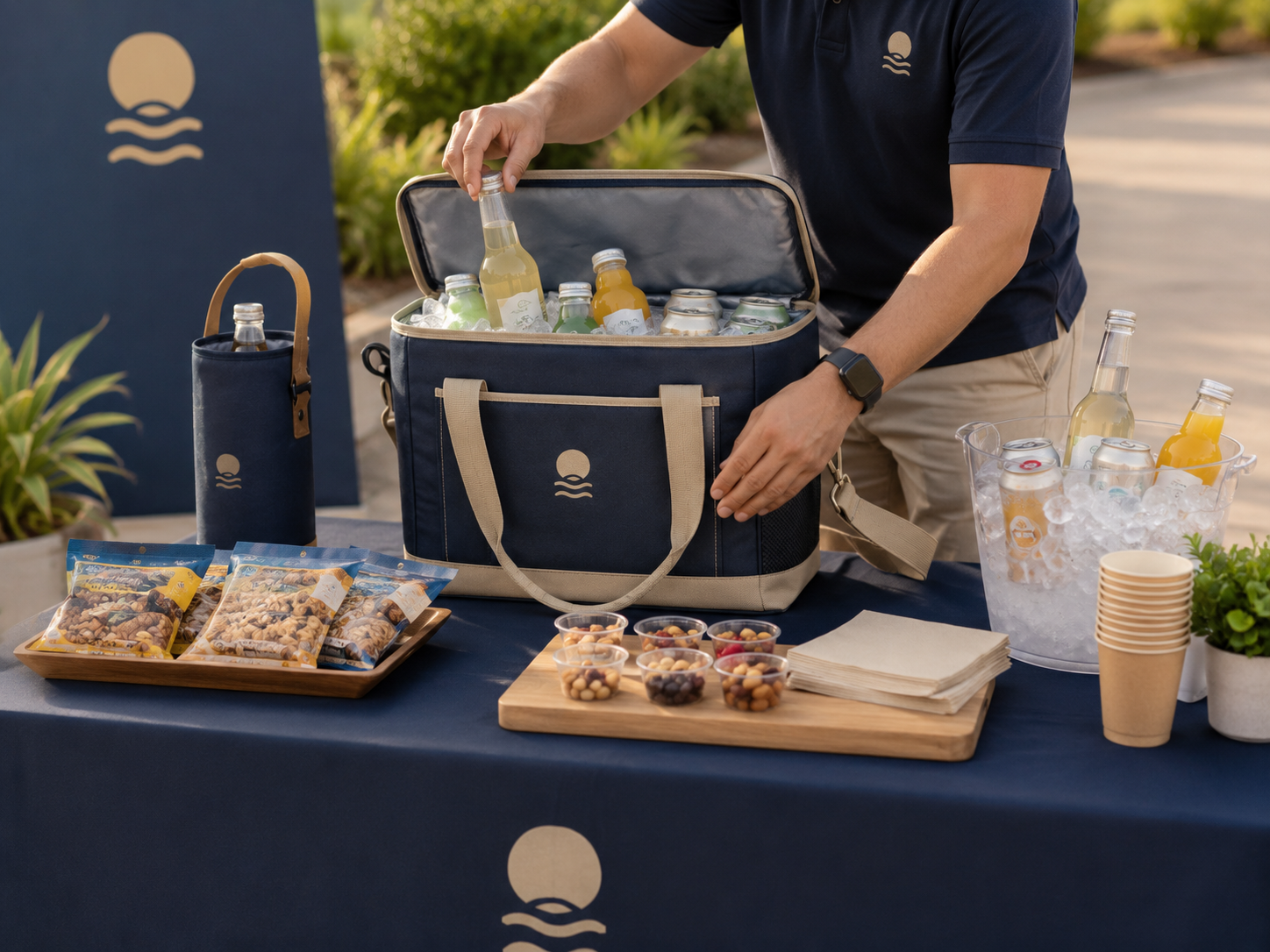
Promocions per a supermercats i botigues d'alimentació
Els supermercats poden fer servir bosses isotèrmiques personalitzades per:
- Canvi de punts de fidelització
- Regals per als membres
- Campanyes estacionals d'aliments refrigerats
- Programes de compra reutilitzables
- Obertura de noves botigues
- Promocions de marques blanques
- Programes de regals amb la compra
Per a l’ús en botigues d’aliments, una obertura ampla i una base estable solen ser més pràctiques que una estructura de bossa per dinar estreta. Les asques llargues permeten portar-la a l’espatlla, mentre que una cremallera completa ajuda a contenir els productes.
La mida de la bossa ha d’ajustar-se a les quantitats realistes de compres. Un disseny massa gran pot augmentar el consum de material, el volum de la caixa i els costos d’enviament sense millorar l’experiència del client.
Programes per a restaurants, cafeteries i serveis de menjar
Els restaurants, les cafeteries, les pastisseries i les empreses de catering poden fer servir bosses refrigerades compactes per a lots de menjar, programes per al personal, promocions de lliurament o recompenses per als clients.
Les estructures adequades inclouen:
- Bosses rectangulars per dinar
- Bosses aïllades per ampolles
- Bosses per menjar amb fons pla
- Bosses refrigerades de dues compartiments
- Mochiles refrigerades
- Bosses aïllants plegables
Per a menjar preparat, les dimensions interiors han de coincidir amb les dels recipients reals. Els compradors haurien de comprovar si els recipients es col·loquen apilats, l’un al costat de l’altre o juntament amb begudes.
Una bossa dissenyada sense tenir en compte l’envasament dels aliments pot ser massa estreta, massa alta o inestable quan està carregada.
Esdeveniments i festes en l'aire lliure
Les campanyes en espais oberts exigeixen més confort en el transport i una millor organització del producte.
Les marques de begudes, aperitius i nutrició esportiva poden requerir:
- Corretges d'espatlla ajustables
- Agafes reforçades
- Butxaques de xarxa laterals
- Panells promocionals frontal
- Butxaques amb cremallera per emmagatzemar
- Divisors per ampolles
- Intervals fàcils de netejar
- Tecles exteriors lleugeres però duradores
L’organitzador de la campanya també hauria de considerar com es dipositaran, transportaran i distribuiran els milers de bosses al lloc de l’esdeveniment. Les estructures plegables o els dissenys d’empilament poden reduir l’espai necessari abans de la distribució.
Regals alimentaris corporatius i estacionals
Les bosses isotèrmiques també poden servir d’embalatge per a regals per als empleats, kits d’agraïment als clients, paquets alimentaris nadalencs i programes per a distribuïdors.
Els projectes premium poden combinar la bossa isotèrmica amb:
- Vi o begudes
- Aliments gourmet
- Accessoris per a pícnic
- Vejables reutilitzables
- Mantes amb marca
- PRODUCTES PER A L'EXTERIOR
- Targetes regal
Per a aquest tipus de projecte, la bossa hauria de permetre tant una bona presentació com la seva reutilització. Una silueta estructurada, una paleta de colors coordinada, un senyalament de marca discret i un embalatge individual poden donar un resultat més premium que una impressió promocional exageradament gran.
Elecció de l’estructura de la bossa isotèrmica
Material exterior
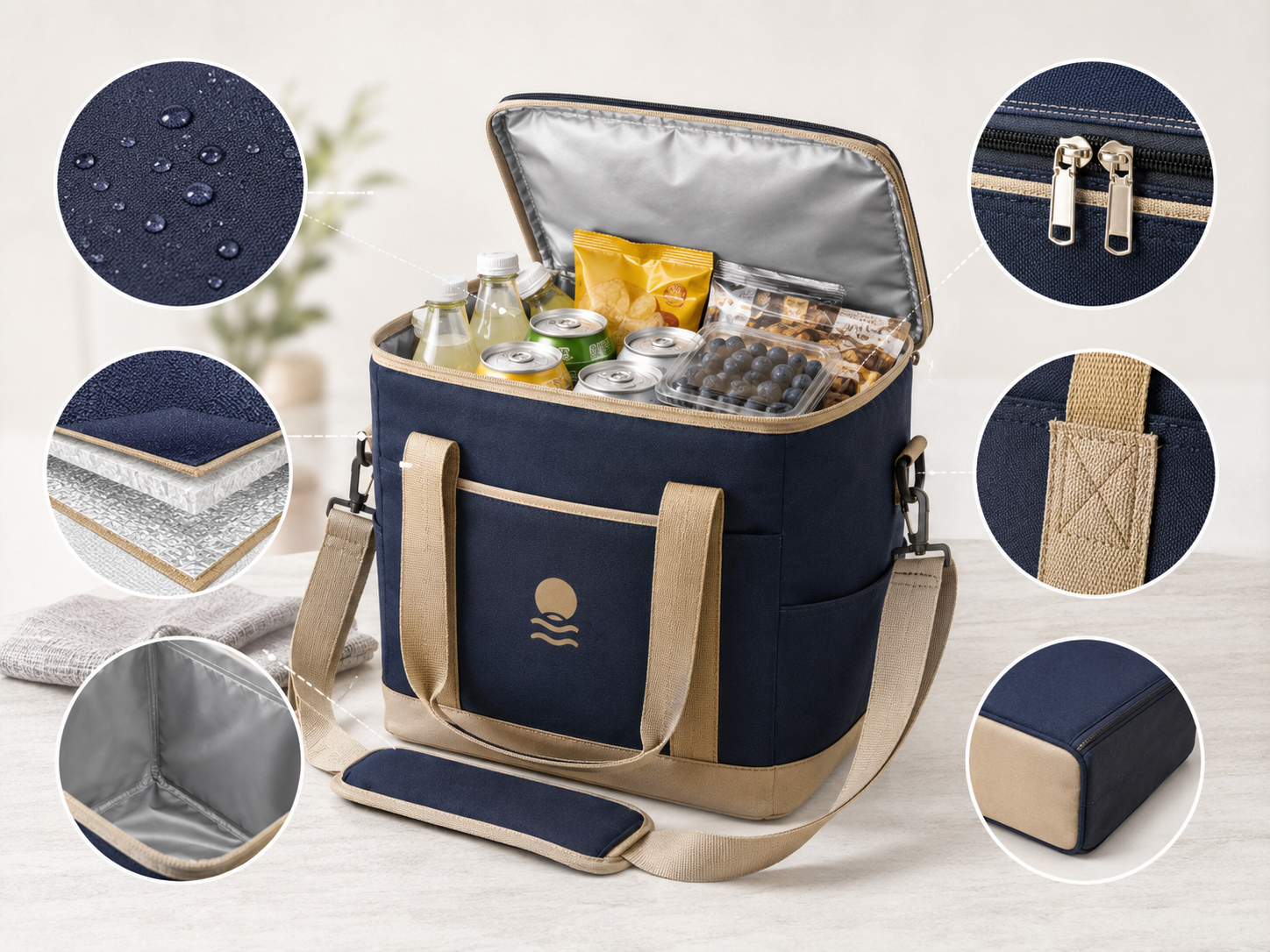
Els materials habituals per a l’exterior inclouen el polièster, el teixit Oxford, el teixit RPET, el material no teixit, el material de tipus Tyvek, combinacions de tela de cotó i teixits laminats.
L’exterior afecta:
- Aparició
- Durabilitat
- Compatibilitat amb la impressió
- Resistència a l'aigua
- Pes de la bossa
- Capacitat de plegat
- Mètode de neteja
- Cost unitari
El polièster i el teixit Oxford s’utilitzen àmpliament per a les bosses refrigeradores promocionals pràctiques perquè permeten múltiples estructures, colors i mètodes d’impresió de logotips.
Es pot seleccionar el teixit RPET quan un comprador vol posicionar el producte com a fabricat amb materials reciclats. Qualsevol documentació o certificació requerida sobre el contingut reciclat s’ha d’acordar abans de la producció.
El cotó (canvas) pot donar una aparença més natural o premium, però el cotó sense tractar absorbeix la humitat i normalment requereix un revestiment aïllant separat.
Capa aïllant
La capa d’aïllament ajuda a reduir la transferència de calor entre l’interior de la bossa i l’entorn circumdant.
Les estructures disponibles varien segons els requisits del projecte i poden incloure espuma, materials d’etilè propilè expandit, aïllament amb bombolles i altres capes tèrmiques.
Els compradors no haurien de seleccionar l’aïllament només en funció del gruix. També influeixen la densitat, la construcció, el revestiment, el disseny de les costures, la forma de la bossa i el sistema de tancament.
Revestiment interior
Les opcions habituals de revestiment poden incloure materials amb pel·lícula d'alumini, revestiments de tipus PEVA i altres superfícies netejables o aïllades.
L'opció més adequada depèn de:
- El contingut previst
- Pressupost
- Aspecte requerit
- Flexibilitat
- Expectatives de neteja
- Els requisits del mercat objectiu
- Si es transporten productes envasats o sense envasar
Quan el revestiment pot entrar en contacte directe amb aliments sense envasar, l'adquirent hauria d'especificar clarament aquest requisit perquè es pugui revisar l'especificació del material i els documents de conformitat aplicables.
Tancament
Normalment es fa servir un tancament amb cremallera perquè ajuda a reduir l'intercanvi d'aire i manté el contingut contingut.
Altres opcions de tancament inclouen:
- Fulles de velcro
- Tops amb cordill
- Estructures de tancament per enrotllament
- Tancaments de clic
- Fibles
- Bolses aïllades sense tapa
Per a la majoria de bosses promocionals per a aliments i begudes, una cremallera completa ofereix un equilibri pràctic entre accés, cost i aïllament.
Mansetes i corretges
El sistema de transport ha de coincidir amb el pes previst de la càrrega.
Les opcions inclouen:
- Nanses curtes superiors
- Asques llargues per a l’espatlla
- Corretges d'espatlla ajustables
- Manetes acolchades
- Corretges d’esquena d’una motxilla
- Corretges desmuntables
- Cordat reforçat al voltant del cos de la bossa
Una bossa petita que conté diverses ampolles pot ser més pesada que una bossa més gran que porta aperitius lleugers. Per tant, el reforç de les nanses s’ha de basar en el producte carregat, no només en les dimensions de la bossa.
Planificació de la capacitat
La capacitat s’ha de confirmar sempre que sigui possible fent servir els productes reals.
Els compradors han de proporcionar:
- Dimensions del producte
- Pes del producte
- Nombre d'unitats per bossa
- Disposició preferida
- Si s'inclouen paquets de gel
- Articles promocionals addicionals
- Butxacs interiors o separadors necessaris
Exemples típics de desenvolupament inclouen:
| Continguts promocionals |
Estructura recomanada |
| Sis llaunes de beguda |
Calefactor rectangular compacte amb separadors opcionals |
| Dues ampolles grans |
Refredador d'ampolles alt amb base reforçada |
| Caixa de menjar i beguda |
Refredador per a dinar amb base horitzontal i butxaca per a ampolla |
| Productes alimentaris diversos |
Bolsera aïllada ampla amb cremallera completa |
| Mostres d'aliments i paquets de gel |
Refredador estructurat amb emmagatzematge intern de xarxa |
| Joc de regals per a pícnics |
Cistella refredadora gran o bossa d'espatlla |
| Kit de begudes per a l'exterior |
Refredador d'espatlla o motxilla refredadora |
La capacitat interna útil normalment és més petita que les dimensions externes, ja que l'aïllament, el revestiment i les costures ocupen espai. Per tant, cal provar les mostres amb el contingut real abans de l'aprovació de la producció.
Opcions de Marqueting Personalitzat
Serigrafia
La serigrafia és adequada per a logotips senzills, gràfics promocionals en negreta i nombrosos programes en massa.
S'utilitza habitualment sobre polièster, teixit Oxford, tela de cotó i panells exteriors no teixits. Cal revisar l'obra gràfica, la cobertura de tinta i la superfície del teixit abans de seleccionar aquest mètode.
Impressió per transferència tèrmica
La transferència tèrmica és adequada per a obres gràfiques de campanya colorides, gràfics detallats i elements dissenyats més petits.
Pot oferir un impacte visual més fort per als llançaments de productes i les promocions d'esdeveniments, però cal verificar la zona d'impressió, el tipus de teixit i la posició de plegat prevista.
Impressió per sublimació
La sublimació és adequada per a materials de polièster compatibles i panells impresos totalment.
Es pot utilitzar per:
- Motius de begudes
- Gràfics estacionals
- Art gràfic d’esdeveniments
- Dissenyos per a venda al detall
- Superfícies amb marca en múltiples colors
La impressió sobre la superfície sencera normalment requereix una planificació prèvia de l'art gràfic abans de tallar els panells de teixit.
Brodat
L’embroiderat pot donar una aparença més premium als regals corporatius, als sacs de pícnic i als productes refrigeradors orientats al detall.
És menys adequat per a materials molt fins o per a dissenys extremadament detallats. Cal confirmar el nombre de punts, el suport i la posició del logotip durant la fase de mostres.
Etiquetes i insígnies
Les etiquetes teixides, les plaquetes de goma, les plaquetes amb aspecte de cuir i les etiquetes impresses poden oferir una marcatge controlat sense cobrir totalment la bossa.
Aquestes opcions són útils per a campanyes en què la bossa refrigeradora ha de continuar sent adequada per a un ús prolongat per part del consumidor.
Accessoris amb marca
La personalització addicional pot incloure:
- Tiradors de cremallera personalitzats
- Cinta Impresa
- Obrebotelles amb marca
- Etiquetes per a maletes
- Etiquetes penjants
- Etiquetes d’instruccions de cura
- Etiquetes internes
- Components de hardware que coincideixen amb el color
- Fulles per a venda al detall
- Embalatge per a regals
Els accessoris s’han de seleccionar segons el valor del projecte. Massa components personalitzats poden augmentar el temps de desenvolupament, la quantitat mínima de comanda (MOQ) i el cost per unitat sense afegir un valor promocional equivalent.
Equilibrar l’impacte promocional i el cost
Una promoció d’aliments o begudes exitosa no sempre requereix la bossa refrigeradora més complexa.
Els compradors poden controlar el pressupost ajustant:
- Dimensions de la bossa
- Especificació del teixit exterior
- Estructura d’aïllament
- Nombre de butxaques
- Colors d’impressió i àrea d’impressió
- Disseny de les nanses i corretges
- Components de hardware estàndard o personalitzats
- Embalatge individual o a granel
- Nombre de variants de color
- Quantitat assignada a cada mercat
Per a campanyes de gran volum, utilitzar una mateixa estructura bàsica de bossa per a diversos sabors, regions o esdeveniments pot reduir la complexitat del desenvolupament. Es pot canviar l'art gràfic, l'etiqueta o el color de la cremallera mantenint la construcció principal consistent.
Eliminar particions interiors innecessàries o accessoris personalitzats també pot reduir els costos sense afectar la funció principal.
Consideracions sobre la quantitat mínima de comanda (MOQ) i mostres
Les bosses isotèrmiques solen tenir més components que les bosses promocionals estàndard. El teixit exterior, l’aïllament, el revestiment, la cremallera, les asques, les butxaques i els panells impresos s’han d’ajuntar en una única estructura.
Com a conseqüència, la quantitat mínima de comanda (MOQ) pot veure’s afectada per:
- Tela tintada a mida
- Mínims d’impressió de teixits
- Comandes de materials aïllants
- Revestiment personalitzat
- Cremalleres especials o accessoris
- Diversos colors de bosses
- Diverses obres artístiques per a campanyes
- Embalatge per a la venda al detall
- Estructures complexes de compartiments
La quantitat mínima de comanda (MOQ) es pot reduir, en alguns casos, utilitzant materials en estoc, accessoris estàndard, menys variants de color o una construcció comuna per a diverses campanyes.
Es recomana vivament un exemplar funcional, ja que els compradors han de verificar més aspectes que només l’aparença del logotip. L’exemplar s’ha d’avaluar amb els productes alimentaris o begudes reals a l’interior.
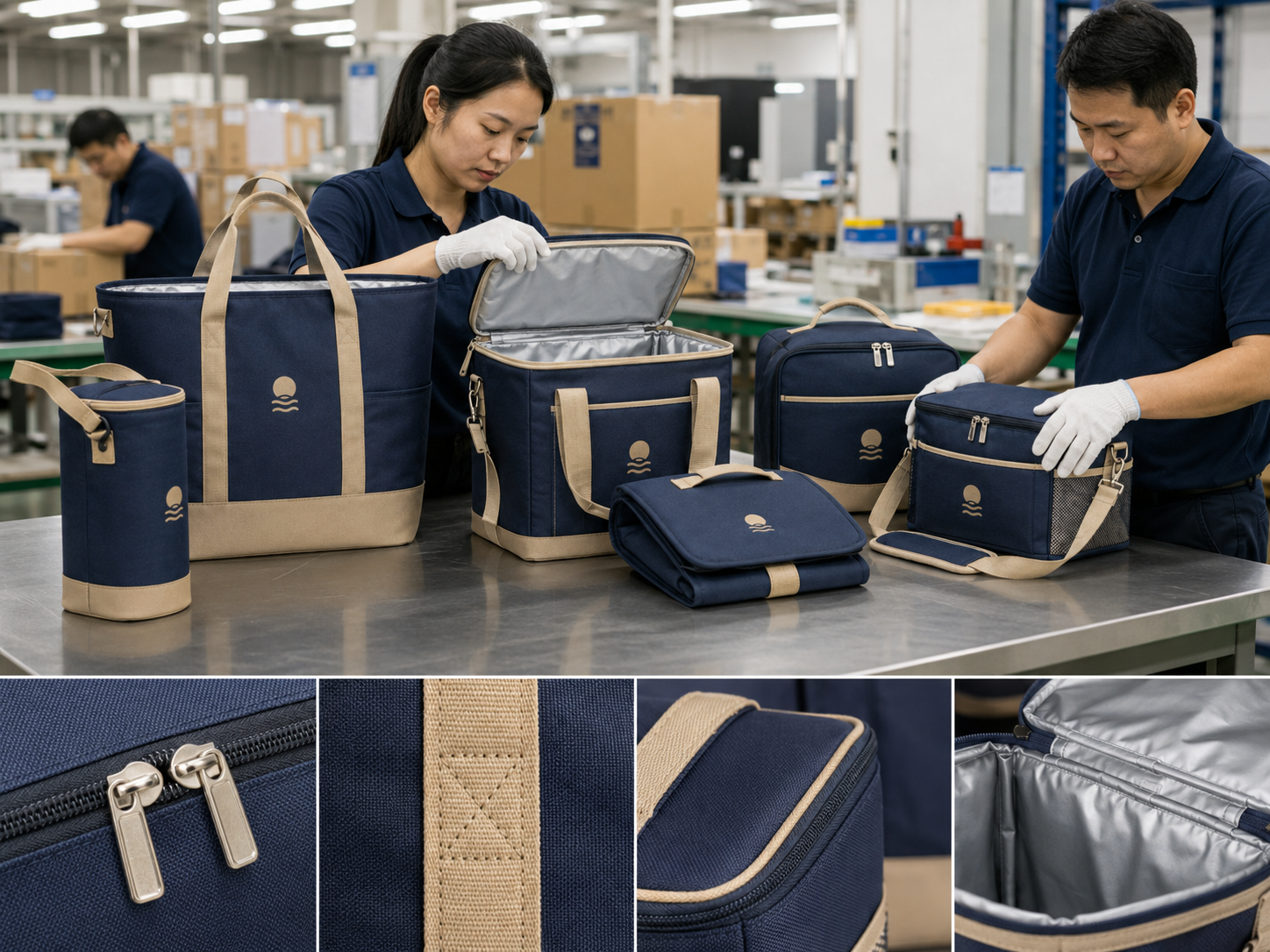
Control de qualitat per a bosses refrigeradores promocionals
Punts d'inspecció importants inclouen:
- Dimensions acabades
- Capacitat útil interna
- Materials exteriors i interiors
- Col·locació de l’aïllament
- Puntada i construcció de les costures
- Funcionament de la cremallera
- Refort de la nansa i les corretges
- Dimensions dels butxaques
- Color i posició del logotip
- Adherència de la impressió
- Neteja interna
- Forma de la bossa després d’empaquetar-la
- Embalatge individual
- Quantitats per caixa i marques d’enviament
Quan es requereix un nivell concret de resistència a l’aigua, control de filtracions o rendiment d’aïllament, cal acordar prèviament al procés de fabricació el mètode d’assaig i l’estàndard d’acceptació.
Expressions generals com «impermeable», «estanca» o «manté el fred durant hores» no han de substituir un requisit tècnic clar.
Procés de desenvolupament personalitzat
1. Revisió de la campanya
L’acomprador facilita el tipus de promoció, el públic objectiu, les dimensions del producte, la quantitat, el pressupost, la data de lliurament i el mètode de distribució.
2. Recomanació d’estructura
Recomanem mides adequades de bosses refrigeradores, materials, estructures d’aïllament, sistemes de transport i opcions de marca.
3. Art i especificacions
El logotip, els colors, la construcció de la bossa, el revestiment, la cremallera, les asques, les butxaques i l’envasat estan documentats.
4. Desenvolupament de la mostra
Es produeix una mostra per comprovar l’aspecte, la capacitat, l’estructura, el confort d’transport i la marca.
5. Prova d’ajust del producte
L’acomprador prova la mostra amb les llaunes, les ampolles, els contenidors d’aliments, les bosses de gel i els articles promocionals reals.
6. Aprovació prèvia a la producció
La mostra aprovada i les especificacions finals es converteixen en la referència de producció.
7. Fabricació en massa
Es duen a terme la preparació dels materials, la impressió, el tall, el muntatge de l’aïllament, la costura, la inspecció i l’embalat segons els requisits confirmats.
8. Inspecció i lliurament
Les bosses acabades es comproven i empaquen segons els requisits de la campanya, del mercat o de la ubicació de distribució.
Per què treballar amb INITI en projectes de bosses refrigeradores promocionals?
Hangzhou INITI Imp&Exp Co., Ltd. s’especialitza en bosses personalitzades i productes relacionats des del 2010. Ofereixem suport per al desenvolupament OEM i ODM per a marques alimentàries, empreses de begudes, detallistes, distribuïdors, agències promocionals i compradors corporatius.
El nostre servei abasta la planificació de productes, el suport disseny gratuït, la selecció de materials, l’ajust de les obres gràfiques, la fabricació de mostres, la producció, el control de qualitat i l’embalatge per a l’exportació. Les opcions personalitzades de bosses refrigeradores inclouen bosses per a dinar, bosses aïllades, bosses refrigeradores d’abric, bosses per a pícnic, refredadors de botelles, bosses per a la lliurada d’aliments i estructures tèrmiques plegables.
Amb experiència en diverses categories de bosses, INITI també pot ajudar els compradors a desenvolupar col·leccions promocionals coordinades que combinin bosses refrigeradores amb bosses de mà, bosses amb cordill, bosses per a cosmètics o embalatges de regal. L'experiència en producció i conformitat inclou projectes relacionats amb els requisits de SEDEX, Disney, GRS, HIGG i el sistema ISO9001.
Quina informació es necessita per desenvolupar una bossa refrigeradora promocional?
Proporcioneu les dimensions del producte, la quantitat empaquetada, el pes total, la mida objectiu de la bossa, la quantitat prevista de comanda, l'arxiu del logotip, la data de lliurament prevista, el mercat de distribució i el pressupost objectiu.
Es pot dissenyar la bossa per a llaunes o ampolles de beguda?
Sí. Les dimensions interiors, els separadors, les butxaques i l'estructura de transport es poden desenvolupar segons el format real de les llaunes o ampolles.
Podeu produir bosses refrigeradores de RPET?
Els teixits exteriors de RPET es poden considerar per a estructures adequades de bosses refrigeradores. Cal confirmar abans de fer mostres les exigències relatives a les declaracions de contingut reciclat, els documents i la certificació necessària.
Quant de temps pot mantenir els productes freds una bossa isotèrmica?
No hi ha una durada única aplicable a cada disseny. El rendiment depèn de l'estructura d'aïllament, de la temperatura inicial del producte, de les geleries, de les condicions ambientals, del nivell de càrrega, del tipus de tancament i de la freqüència d'obertura i tancament. Les condicions de prova requerides s'haurien d'acordar per a projectes amb objectius de rendiment definits. bossa isotèrmica?
Diferents revestiments i estructures de costures ofereixen diferents nivells de control de filtracions. Els compradors haurien d'explicar si el requisit fa referència a la condensació, a la fusió de gel, a vessaments menors o al transport de líquids. Aleshores es pot avaluar la construcció i el mètode de prova.
Es poden utilitzar diverses sabors de begudes en la mateixa bossa?
Sí. Els compradors poden mantenir una mateixa estructura de bossa mentre canvien els gràfics impresos, les etiquetes, els colors o l'embalatge per a diferents sabors, regions o períodes promocionals.
És necessària una mostra?
Es recomana una mostra perquè permet al comprador comprovar la capacitat real del producte, l’estructura d’aïllament, la resistència de les ases, l’efecte del logotip i el mètode d’embalatge abans de la producció en massa.
Els sacs refrigeradors es poden embalar individualment per a la venda al detall o per a la distribució com a regal?
Sí. Les opcions poden incloure bosses individuals, fundes de paper, etiquetes penjants, targetes de producte, caixes de regal o embalatges específics per a campanyes, segons el projecte.
Productes relacionats
Bossa refrigeradora/per dinar/de pícnic
Bossella refrigerada personalitzable negra
Bossà portàtil de dinar aïllada d’Oxford
Bossà de refrigeració aïllada amb corretja per a l’espatlla
Bosses tote refrigerades de gran mida per a pícnics
Bosses per a dinar refrigerades de paper kraft
Articles de blog relacionats
Què és una bossa isotèrmica i com manté el menjar fred?
Quins factors afecten el temps que una bossa isotèrmica roman freda?
Millors materials per a bosses promocionals: cotó, RPET, iuta i polièster