Kraft Paper Bag vs Art Card Bag: Which Material Should Buyers Choose?
Kraft paper bags and art card bags can both be used for retail, gifts and branded packaging, but they are designed for very different results.
A kraft paper bag is usually lighter, more flexible and visibly paper-like. It is a practical choice for grocery, food takeaway, everyday retail and brands that want a simple or natural appearance.
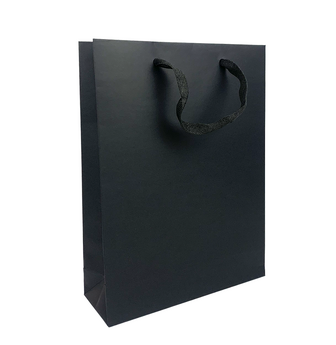
An art card bag uses a smoother and stiffer coated card stock. It is better suited to bags where sharp printing, a defined shape and premium finishing are more important than keeping the packaging simple.
The quickest way to choose is:
Choose kraft paper when you want practical packaging, a natural surface and relatively simple branding.
Choose art card when you want a more structured bag, accurate full-color printing and a premium retail finish.
Neither material is automatically stronger or better. Paper weight, bag size, handles, reinforcement and construction still determine how the finished bag performs.
Kraft Paper Bag vs Art Card Bag at a Glance
| Feature |
Kraft Paper Bag |
Art Card Bag |
| Surface |
Uncoated or lightly finished, natural texture |
Smooth, coated |
| Structure |
Flexible to moderately stiff |
More rigid and structured |
| Typical appearance |
Natural, simple, casual |
Clean, polished, premium |
| Brown paper option |
Very common |
Not typical |
| White surface |
Available |
Very common |
| Full-color printing |
Good, especially on white kraft |
Excellent |
| Fine graphics |
Moderate to good |
Very good |
| Natural kraft look |
Excellent |
No |
| Lamination |
Optional |
Common |
| Foil / embossing |
Possible |
Very suitable |
| Twisted paper handles |
Very common |
Possible |
| Rope / ribbon handles |
Possible |
Very common |
| Grocery / takeaway |
Excellent |
Usually unnecessary |
| Fashion / cosmetics |
Possible |
Excellent |
| Premium gifts |
Possible |
Excellent |
| Packing volume |
Usually lower |
Can be higher depending on stiffness |
| Cost |
Usually lower for simple designs |
Usually higher |
Kraft paper is made using the kraft pulping process and is known for relatively good strength for its weight.
For shopping bags, it commonly appears as:
- Natural brown kraft
- White kraft
- Black kraft
- Recycled-content kraft
- Printed kraft
A typical kraft shopping bag may use:
- Side gussets
- Flat bottom
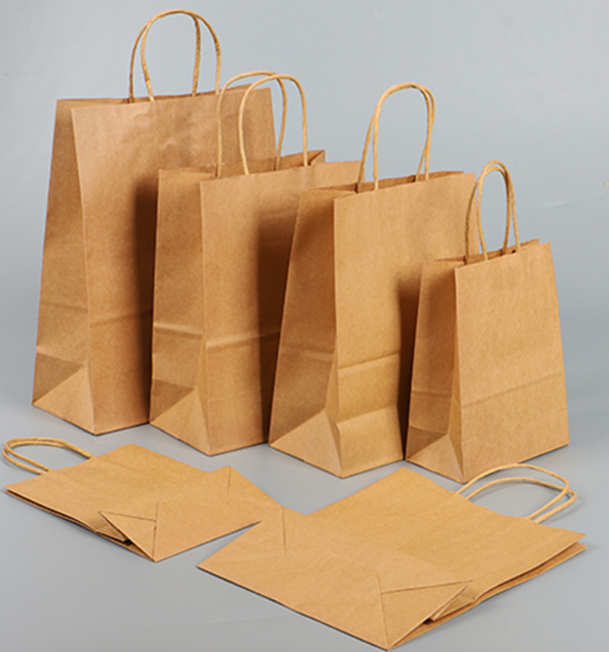
- Twisted paper handles
- Flat paper handles
- Simple logo printing
This construction is common because it is practical and relatively efficient to produce and pack.
Kraft bags are widely used for:
- Grocery
- Bakery
- Café takeaway
- Clothing
- Gifts
- Events
- General retail
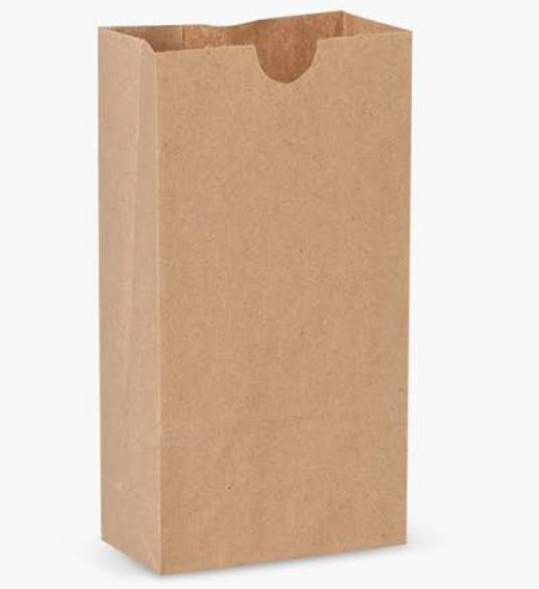
Natural brown kraft also has a distinctive appearance. The paper itself becomes part of the design rather than simply acting as a white background for printing.
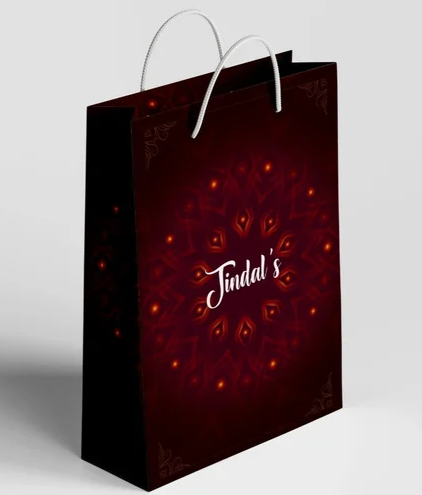
“Art card” is a common packaging trade term for a smooth coated card stock or coated paperboard used when more stiffness and print quality are required.
Compared with ordinary kraft paper, art card generally has:
- A smoother surface
- A brighter printing base
- Greater stiffness
- Better fine-detail reproduction
It is commonly used for more structured shopping and gift bags.
Typical applications include:
- Fashion boutiques
- Cosmetics
- Jewelry
- Premium gifts
- Corporate gift sets
- Luxury retail
Art card is also well suited to additional finishing such as:
- Matte lamination
- Gloss lamination
- Soft-touch finish
- Hot foil stamping
- Embossing
- Debossing
- Spot UV
The exact paper specification varies between suppliers, so the useful information is not simply “art card.” A quotation should also identify the paper weight and finishing.
The Biggest Difference: Flexibility vs Structure
This is one of the easiest differences to feel in a finished bag.
Kraft bags usually flex more easily.
A typical twisted-handle kraft shopping bag can:
- Fold relatively flat
- Open quickly at a retail counter
- Expand through its gussets
- Collapse again when empty
That makes it convenient for high-volume retail and takeaway packaging.
Art card has more body and usually creates a more defined bag shape.
The front and side panels stay flatter, so the bag can look more structured when:
- Displayed
- Filled
- Carried
- Photographed
This is one reason coated card stocks are common in boutique and premium gift packaging. Industry guides commonly distinguish kraft from art card primarily through surface finish, print quality and stiffness rather than treating them as interchangeable papers.
Which Material Is Stronger?
There is no useful answer based only on the material name.
Kraft is known for good fiber strength and can make a very reliable shopping bag.
Art card is thicker and stiffer in many common bag specifications, but greater stiffness does not automatically mean greater carrying capacity.
A paper bag usually fails at one of several points:
- Handle attachment
- Top edge
- Bottom seam
- Side gusset
- Adhesive joint
So the actual load performance depends on:
paper + GSM + dimensions + handles + reinforcement + construction.
A well-made kraft bag can outperform a poorly reinforced art card bag.
Likewise, a heavy art card bag with reinforced handles and a bottom card can be suitable for substantial retail products.
GSM Matters, but It Does Not Tell the Whole Story
GSM means grams per square meter.
A higher GSM usually means more paper mass, but it does not directly tell you:
- Thickness
- Stiffness
- Tear strength
- Finished bag load capacity
Two papers at similar GSM can feel very different.
For example, coated art card can feel much stiffer than some flexible paper stocks even when their weights are relatively close.
For this reason, buyers should not compare two quotations only by saying:
Supplier A offers 200 GSM and Supplier B offers 180 GSM, so Supplier A must be better.
That conclusion may be wrong.
Paper grade and finished-bag construction matter just as much. Packaging references similarly note that GSM correlates only loosely with stiffness and thickness.
Which Is Better for Printing?
Art Card: Better for Detailed Graphics
Art card has the advantage when artwork includes:
- Photography
- Fine text
- Gradients
- Detailed illustrations
- Multiple colors
- Precise brand graphics
The smoother coated surface gives ink a more controlled printing surface.
This makes art card particularly suitable when the shopping bag needs to reproduce the same visual identity as:
- Product boxes
- Cosmetic packaging
- Retail displays
- Printed gift packaging
Can Kraft Paper Still Look Good with Printing?
Absolutely.
Kraft simply needs a different design approach.
It works particularly well with:
- Bold logos
- Large typography
- Line graphics
- One-color artwork
- Two-color artwork
- Simple patterns
Natural brown kraft already has a visible base color.
Instead of trying to hide it, good designs often use the brown surface as part of the artwork.
For example:
black logo + natural brown kraft
can be more effective than trying to reproduce a complex photograph on the same material.
Natural Kraft Changes Printed Colors
This is important if your branding uses strict colors.
Natural brown kraft is not a neutral white background.
Printing directly on it can make colors appear:
- Darker
- Warmer
- Less saturated
- More muted
Light colors are particularly affected.
If accurate brand colors are important, three common alternatives are:
- Use white kraft
- Use a suitable white underprint where the printing process allows
- Move to art card
The decision depends on whether the natural kraft appearance or color accuracy matters more.
Which Material Is Better for Premium Finishing?
Art card usually provides more options.
Its smoother surface and greater stiffness work well with premium processes.
Matte Lamination
Creates a lower-reflection finish and is commonly used for:
- Fashion
- Cosmetics
- Gift packaging
Gloss Lamination
Creates a brighter, more reflective surface and can increase visual color contrast.
Foil Stamping
Useful for:
- Logos
- Brand names
- Decorative lines
Common finishes include:
- Gold
- Silver
- Colored metallic foil
Embossing and Debossing
Adds raised or recessed details to the paper surface.
The more structured character of art card makes it particularly suitable for this type of tactile branding.
Spot UV
Adds gloss selectively to specific graphics, commonly over a matte background.
These techniques are common on coated card packaging because the smooth surface supports more controlled decorative finishing.
Can Kraft Paper Use Foil or Embossing?
Yes.
Kraft does not have to look inexpensive.
A heavy kraft paper bag can use:
- Foil logo
- Embossing
- Debossing
- Rope handles
- Reinforced top
- Custom labels
The result can look very premium.
But the effect is different from art card.
Art card creates a smooth, refined and controlled look.
Kraft creates a textured, material-led look.
Neither is automatically more attractive. They communicate different brand styles.
Which Material Is Better for Handles?
Both can use several handle types.
Twisted Paper Handles
Most naturally associated with kraft shopping bags.
Suitable for:
- Grocery
- Takeaway
- Everyday retail
- High-volume branded packaging
Flat Paper Handles
Useful for:
- Food takeaway
- Grocery
- Cost-controlled retail bags
Cotton or Polyester Rope
Common on more premium paper bags.
Frequently paired with art card but also possible with heavier kraft.
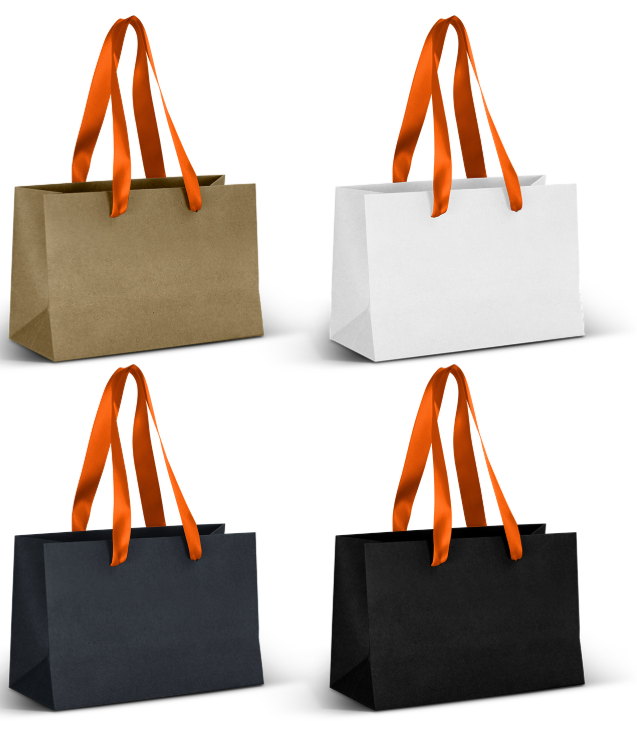
Ribbon Handles
Usually used when presentation is more important.
Common for:
- Cosmetics
- Jewelry
- Gifts
- Premium retail
Handle choice should follow the expected contents rather than simply the paper type.
Why Handle Reinforcement Matters
Paper bag handles concentrate force in a relatively small area.
If the top of the bag is not strong enough, the paper can tear around the handle holes or attachment points.
For heavier contents, the bag may need:
- Folded top edge
- Additional reinforcement card
- Larger handle attachment area
- Stronger adhesive
- Different handle construction
This applies to both kraft and art card.
A heavier paper does not compensate for a badly designed handle.
Why Bottom Reinforcement Matters
The base of the bag carries most of the product weight.
For heavier products, additional bottom reinforcement can help spread the load.
This is especially relevant for:
- Bottles
- Shoes
- Cosmetic sets
- Electronics
- Gift boxes
- Multiple products
An art card bag intended to carry a premium gift set may therefore use both:
- Top reinforcement
- Bottom reinforcement
A kraft grocery bag may instead rely on an efficient folded-and-glued bottom structure.
The correct design depends on what goes inside.
Which Material Handles Moisture Better?
Neither plain kraft paper nor untreated art card should be described as waterproof.
Kraft
Uncoated kraft readily absorbs moisture.
Light contact may only leave a mark, but significant water exposure can weaken the paper.
Art Card
Art card is often laminated.
Lamination can improve resistance to:
- Light splashes
- Dirt
- Surface scuffing
but it does not turn the finished paper bag into a genuinely waterproof product.
Water can still enter through:
- Top opening
- Folded edges
- Handle holes
- Seams
So “water-resistant surface” is more accurate than “waterproof bag” for most laminated paper bags.
Does Art Card Always Need Lamination?
No.
But lamination is common because it can:
- Protect printing
- Change surface appearance
- Improve scuff resistance
- Add limited resistance to surface moisture
The decision should depend on the desired finish.
If the objective is a very clean premium bag, matte or gloss lamination may make sense.
If the objective is simpler paper-based packaging, additional film may be unnecessary.
Which Is Easier to Recycle?
A simple, unlaminated paper-based bag is generally less complex than a bag combining paper with plastic film and multiple synthetic components.
A basic kraft bag might contain:
- Kraft paper
- Paper handles
- Adhesive
A premium art card bag might contain:
- Coated paperboard
- Plastic-film lamination
- Polyester rope
- Reinforcement board
- Metal eyelets
That does not automatically mean one complete product is “sustainable” and the other is not.
It means buyers should check the whole material structure before making claims such as:
- Plastic-free
- Recyclable
- Biodegradable
Laminated paper bags are a good example of why component-level material information matters. INITIGIFT's existing packaging-data guide similarly treats paper, lamination, handles and reinforcement as separate material components when documenting a finished bag.
Which Is Better for Retail Shopping Bags?
It depends on the retailer.
Choose Kraft for:
- Everyday retail
- Grocery
- Casual fashion
- Bookstores
- Natural products
- High-volume programs
- Minimal branding
Choose Art Card for:
- Boutiques
- Cosmetics
- Jewelry
- Premium fashion
- Gift retail
- Department-store style packaging
A retailer selling a $10 product does not necessarily need a heavily laminated art card bag.
Likewise, a premium gift product may look mismatched inside a very lightweight kraft carrier.
Packaging should support the product positioning rather than overpower it.
Which Is Better for Bakery, Café and Takeaway?
Kraft is usually the more practical choice.
Typical applications include:
- Bread
- Pastries
- Coffee
- Packaged snacks
- Takeaway meals
- Food retail
Kraft bags can be produced with:
- Open tops
- Flat bottoms
- Twisted handles
- Flat handles
INITIGIFT currently uses kraft paper in both reinforced shopping-bag and flat-bottom bakery structures, showing how the same material can be adapted around different packing requirements.
Art card can still be used for premium food gift packaging, but it is usually unnecessary for ordinary takeaway use.
Which Is Better for Fashion?
For premium fashion, art card often has the advantage.
It offers:
- Cleaner print
- Stronger panel stiffness
- Better support for detailed branding
- More finishing options
But kraft works very well for fashion brands with a:
- Minimal
- Natural
- Casual
- Craft-oriented
identity.
So this is primarily a branding decision.
Which Is Better for Cosmetics?
Art card is usually the stronger starting point.
Cosmetics packaging often relies on:
- Precise colors
- Fine typography
- Foil details
- Matte surfaces
- Premium handles
Those requirements suit smooth coated card well.
Kraft is still suitable for beauty brands that deliberately use:
- Botanical styling
- Natural colors
- Minimal graphics
- Craft aesthetics
Which Is Better for Jewelry and Premium Gifts?
Art card.
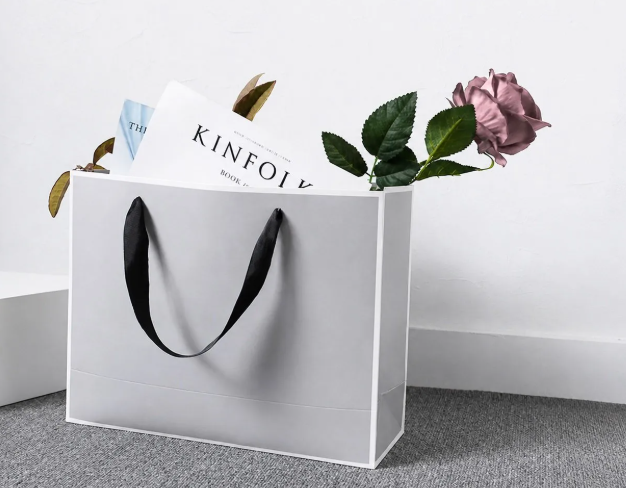
For small high-value products, presentation matters disproportionately.
A structured art card bag can be coordinated with:
- Rigid gift box
- Tissue paper
- Ribbon
- Foil logo
- Matching colors
The bag becomes part of the gift presentation rather than only a carrier.
Which Material Costs More?
For comparable simple constructions, kraft is usually less expensive.
A basic kraft bag may require:
- Kraft paper
- Simple logo
- Twisted paper handles
- No lamination
An art card bag may include:
- Heavier coated stock
- Full-color printing
- Lamination
- Rope or ribbon handles
- Reinforcement
- Foil
- Embossing
That creates a higher finished cost.
But the important point is:
do not compare material prices alone.
A heavily customized kraft bag can cost more than a simple art card bag.
The quotation should be compared as a complete specification.
What About Shipping and Storage?
This is often overlooked.
A lightweight kraft bag can usually be:
- Folded flatter
- Packed efficiently
- Stored in larger quantities
A heavier, more rigid art card bag may:
- Weigh more
- Use thicker cartons
- Occupy more storage space
For very large orders, those differences can affect:
- Carton count
- Freight
- Warehouse space
- Retail storage
If the packaging program involves tens of thousands of bags, a small change in paper weight or packing method can become commercially important.
Kraft Paper vs Art Card for Common Applications
| Application |
Better Starting Point |
Why |
| Grocery |
Kraft |
Practical, flexible construction |
| Bakery |
Kraft |
Suitable for everyday food packaging |
| Café takeaway |
Kraft |
Efficient and straightforward |
| Organic products |
Kraft |
Natural material appearance |
| Bookstore |
Kraft |
Practical retail carrier |
| Casual fashion |
Either |
Depends on brand style |
| Premium fashion |
Art Card |
Structure and print quality |
| Cosmetics |
Art Card |
Color and finishing |
| Jewelry |
Art Card |
Premium presentation |
| Corporate gifts |
Art Card |
Structured branded packaging |
| Luxury gift sets |
Art Card |
Finishing and rigidity |
| Natural gift products |
Kraft |
Texture and understated appearance |
When Should You Choose Kraft Paper?
Choose kraft when you need:
- A practical shopping bag
- Natural paper appearance
- Flexible structure
- Simple branding
- Efficient high-volume packaging
- Grocery or takeaway use
- A lower-complexity construction
Kraft works particularly well when the paper itself is meant to remain visible.
When Should You Choose Art Card?
Choose art card when you need:
- A more structured bag
- Smooth surface
- Detailed full-color printing
- Better color reproduction
- Matte or gloss finish
- Foil stamping
- Embossing
- Premium handles
- Boutique or gift presentation
Art card makes more sense when the bag is expected to contribute significantly to the customer's visual impression of the product.
What Should You Specify When Requesting a Quote?
Do not send a supplier only:
Need kraft paper bag.
or:
Need 250 GSM art card bag.
A useful quotation request includes:
| Item |
Information to Provide |
| Bag Use |
Retail, food, gift, event, etc. |
| Product Inside |
Clothing, cosmetics, bottles, gift box, etc. |
| Approximate Load |
Expected packed weight |
| Dimensions |
Width × gusset × height |
| Paper |
Kraft / art card |
| Paper Weight |
If already confirmed |
| Printing |
Logo, Pantone, CMYK, photography |
| Surface Finish |
None, matte, gloss, etc. |
| Handle |
Paper, rope, cotton, ribbon |
| Reinforcement |
Top / bottom if needed |
| Special Finish |
Foil, embossing, spot UV |
| Quantity |
Order quantity |
| Packing |
Flat packing or other requirements |
The most important information is often what the bag needs to carry.
Once that is clear, paper weight and reinforcement can be selected around the actual product rather than guessed.
FAQ
Is art card the same as cardboard?
Not exactly.
“Art card” usually refers to a smooth coated card stock used for printing and premium packaging. “Cardboard” is a much broader everyday term and can also refer to corrugated board, carton board and other thick paper-based materials.
For premium shopping bags, art card or coated paperboard is usually the more precise terminology.
Is art card stronger than kraft paper?
Not automatically.
Art card is generally stiffer, while kraft can provide very good strength for its weight. Finished-bag strength depends on paper weight, dimensions, handles and reinforcement.
Which material is better for printing?
Art card is better for detailed and full-color artwork.
Kraft is better suited to designs that intentionally work with its natural surface and paper color.
Can you print full color on kraft paper?
Yes.
But natural brown kraft changes how colors appear. If accurate colors are important, white kraft or art card gives a more neutral printing background.
Which material is better for luxury paper bags?
Art card is usually the better choice.
Its smoother surface, higher stiffness and compatibility with lamination, foil, embossing and premium handles make it more suitable for luxury retail and gift packaging.
Which material is better for grocery and takeaway bags?
Kraft is usually more practical.
Its flexible construction, paper-handle options and simpler finishing suit everyday retail and food-service packaging.
Is an art card bag waterproof?
No.
Lamination can improve resistance to light surface moisture, but the bag still has open edges, seams and handle holes.
Is kraft paper recyclable?
A simple unlaminated kraft-paper construction is generally easier to process as paper than a heavily laminated mixed-material bag, but actual recyclability depends on the complete construction and local recycling system.
Does higher GSM always mean a stronger bag?
No.
Higher GSM means more material mass per square meter. Bag strength also depends on paper grade, bag dimensions, handles, bottom structure and reinforcement.
Conclusion
Kraft paper and art card are not simply two different thicknesses of paper.
They create two different types of shopping bag.
Kraft paper is the better starting point when the bag needs to be:
- Practical
- Flexible
- Natural-looking
- Suitable for everyday retail
- Efficient for grocery or takeaway use
Art card is the better starting point when the bag needs to be:
- Structured
- Smooth
- Highly printable
- Suitable for premium finishing
- Part of a higher-end retail or gift presentation
The final decision should not be based on appearance alone.
For any paper bag, consider:
paper type + GSM + bag size + packed weight + handle + reinforcement + printing + finishing.
That combination determines how the finished bag actually looks, carries and performs.
Inquiry Support
For a custom paper bag project, you can provide:
- Intended use
- Estimated quantity
- Preferred size or reference dimensions
- Approximate product weight
- Kraft paper or art card preference
- Required colors
- Logo artwork
- Handle preference
- Printing and finishing requirements
- Packaging requirements
If you have not finalized all details, you can first send your intended use and target quantity, and we can recommend a suitable specification.
Related Products
Luxury Paper Gift Bag with Gold Chain Handle



 Hot News