Organic cotton is often mentioned in discussions about natural textiles, sustainable materials, and reusable products. But what does “organic” actually mean when it comes to cotton?
The term can be confusing because organic cotton is sometimes treated as a special kind of fabric, while in other cases it is used to describe a finished product. In fact, organic cotton refers primarily to the way cotton is grown. It can later be processed into many different fabrics, including lightweight cotton, twill, and canvas.
Understanding this distinction helps explain why two products made from organic cotton can look and perform very differently. Their characteristics depend not only on the cotton’s growing method, but also on how the fibers are spun, woven, dyed, and finished.
This article explores what organic cotton is, how it differs from conventional cotton, what determines its fabric properties, and how organic cotton canvas is used in textile products.
What Is Organic Cotton?
Organic cotton is cotton grown using organic agricultural practices. These practices restrict the use of certain synthetic pesticides, herbicides, and fertilizers and may include methods such as crop rotation, composting, and natural pest management.
Like conventional cotton, organic cotton comes from the cotton plant. The plant produces bolls containing soft fibers that surround its seeds. These fibers are harvested and processed into cotton yarn.
The primary distinction between organic and conventional cotton is the farming method—not a completely different fiber structure.
Once harvested, organic cotton can be processed into a wide range of textile materials, including:
- Lightweight cotton fabric
- Cotton twill
- Cotton canvas
- Cotton jersey
- Cotton muslin
- Cotton flannel
These fabrics can have different weights, textures, flexibility, and levels of structure. For example, lightweight cotton may feel soft and flexible, while cotton canvas is generally firmer and more substantial.
Therefore, the term “organic cotton” alone does not tell you how thick, soft, strong, or durable a finished fabric will be.
How Is Organic Cotton Produced?
Organic cotton production includes several stages, from cultivation to fabric manufacturing. Many processing steps are similar to those used for conventional cotton, while the main difference begins in the agricultural stage.
1. Cotton Cultivation
Organic cotton is grown using farming practices that limit reliance on certain synthetic agricultural chemicals.
Farmers may use crop rotation, compost, and other soil-management practices to maintain growing conditions. Natural or biological pest-management methods may also be used to reduce crop damage.
The specific practices vary according to local climate, soil conditions, and farming systems.
2. Harvesting
When cotton bolls mature and open, the cotton fibers are harvested. Depending on the growing region and production system, harvesting may be performed manually or mechanically.
The harvested material contains cotton fibers along with seeds and plant matter. It must be cleaned and processed before it can be spun into yarn.
3. Ginning and Fiber Preparation
Ginning separates the cotton fibers from the seeds. The fibers are then cleaned and prepared for spinning.
Fiber quality, length, and consistency can influence the characteristics of the yarn. These factors are relevant to both organic and conventional cotton.
4. Spinning
The prepared fibers are aligned and spun into yarn.
Yarn thickness and construction influence the resulting fabric. Fine yarns can be used to produce lightweight materials, while thicker yarns may be used in heavier woven fabrics.
The spinning process therefore plays an important role in determining the eventual feel and performance of the textile.
5. Weaving or Knitting
Cotton yarn can be woven or knitted into different fabric structures.
Woven fabrics are commonly used when a product needs a more stable shape. Knitted fabrics are generally more flexible and are widely used in clothing.
Organic cotton can be used in either construction. Its organic status does not determine whether the resulting material is woven or knitted.
6. Dyeing and Finishing
After fabric formation, the material may be dyed, printed, washed, or finished.
These processes affect the fabric’s color, appearance, texture, and sometimes its functional properties. For example, a finishing treatment may change how a fabric feels or how it responds to moisture.
The final characteristics of an organic cotton product depend on the complete manufacturing process, not only on how the cotton was cultivated.
Organic Cotton Fiber vs. Organic Cotton Fabric
One of the most common misunderstandings is confusing organic cotton fiber with organic cotton fabric.
They are related but not the same.
Organic Cotton Fiber
Organic cotton fiber is the raw material obtained from cotton plants.
At this stage, it is simply the cotton fiber before being spun into yarn.
The fiber quality depends on factors such as:
- Fiber length
- Fiber strength
- Fiber fineness
- Growing conditions
These characteristics influence how well the cotton can be processed into yarn.
Organic Cotton Yarn
After spinning, cotton fibers become yarn.
Yarn characteristics affect:
- Fabric thickness
- Surface appearance
- Strength
- Softness
Different yarn structures can create very different fabrics even when the original fiber is the same.
Organic Cotton Fabric
Organic cotton fabric is created when organic cotton yarn is woven or knitted.
At this stage, the material has a specific structure and performance.
For example:
| Material Stage |
Example |
| Fiber |
Organic cotton fiber |
| Yarn |
Organic cotton yarn |
| Fabric |
Organic cotton canvas |
| Finished Product |
Organic cotton tote bag |
Understanding this difference is important because a product made from organic cotton is not defined only by the cotton itself. The fabric construction determines many practical characteristics.
What Are the Main Properties of Organic Cotton?
Natural Fiber Structure
Organic cotton is a plant-based natural fiber mainly composed of cellulose.
Its natural fiber structure gives cotton several familiar characteristics, including breathability and moisture absorption.
However, these characteristics vary depending on how the cotton is processed into fabric.
Breathability
Cotton fabrics are generally breathable because air can move through the fiber structure.
However, breathability depends on fabric construction.
A loose woven cotton fabric usually allows more airflow than a dense canvas fabric.
Moisture Absorption
Cotton naturally absorbs moisture.
This makes cotton comfortable for clothing and certain textile products.
However, moisture absorption also means untreated cotton is not suitable when strong water protection is required.
Texture and Hand Feel
The feeling of organic cotton depends on:
- Fiber quality
- Yarn type
- Weave structure
- Finishing treatment
A lightweight cotton fabric may feel smooth and soft, while cotton canvas may feel firm and textured.
Durability
Organic cotton can be durable, but durability does not come from the organic label alone.
The final performance depends on:
- Fabric weight
- Yarn strength
- Weave density
- Stitching
- Product construction
Different Types of Organic Cotton Fabric
Organic cotton can be made into different fabric structures. Choosing the right structure is often more important than choosing the fiber alone.
Organic Cotton Plain Weave
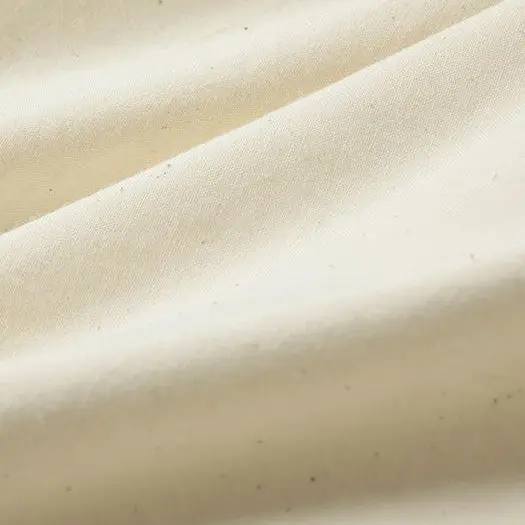
Plain weave is one of the most common textile structures.
Characteristics:
- Balanced structure
- Stable surface
- Simple appearance
- Available in different weights
It can be used for lightweight textiles, packaging products, and some types of bags.
Organic Cotton Twill
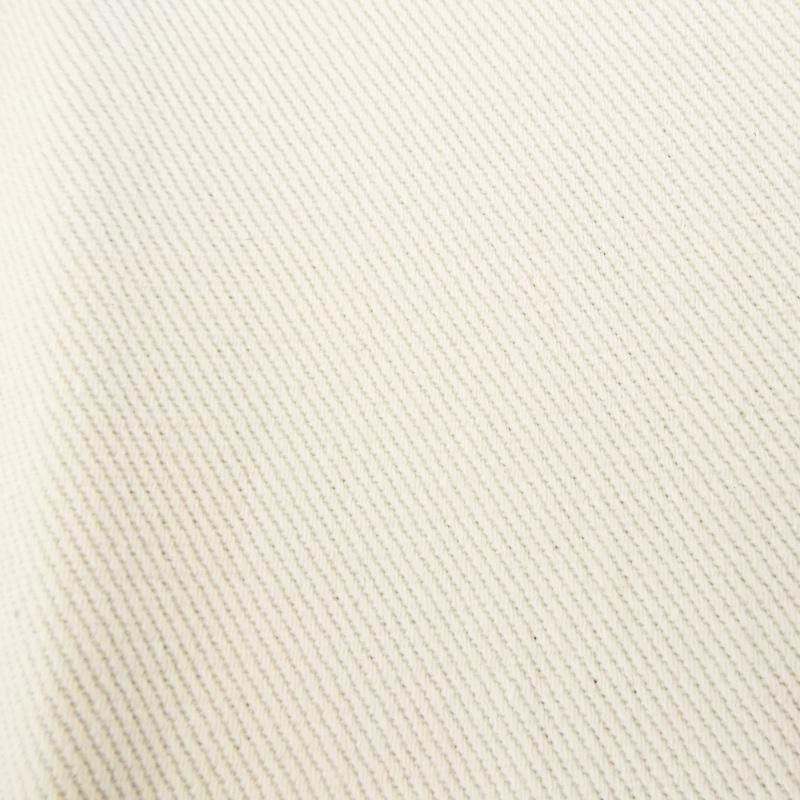
Twill fabric has a diagonal weave pattern created by the arrangement of yarns.
Characteristics:
- Distinct surface texture
- Good drape
- Different visual appearance from plain weave
Twill is often used when a smoother or more textured cotton surface is desired.
Organic Cotton Canvas
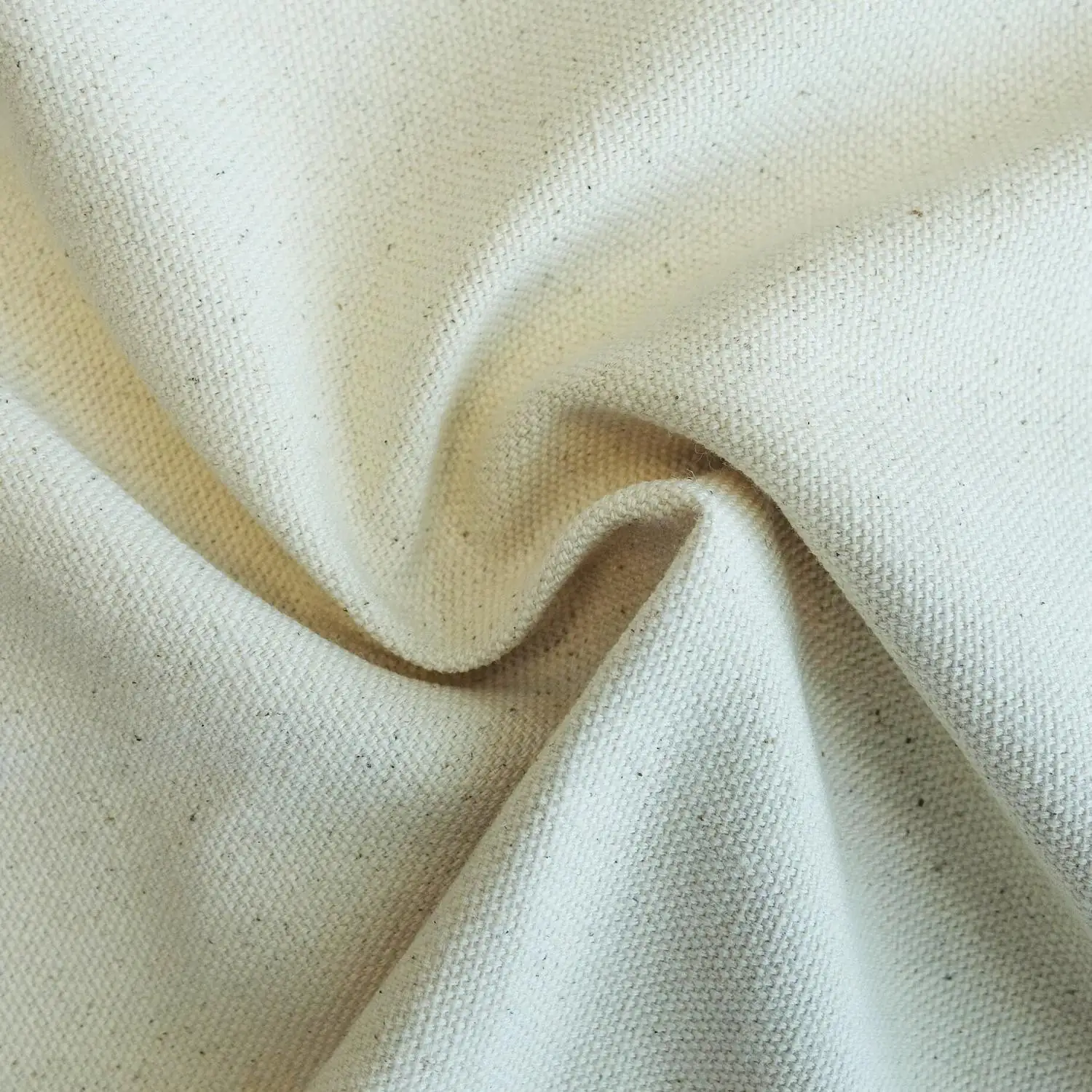
Organic cotton canvas is one of the most relevant cotton fabrics for bag applications.
Characteristics:
- Firm structure
- Higher body compared with lightweight cotton
- Suitable for reusable products
- Good surface for branding
However, canvas weight and quality vary significantly.
A lightweight canvas and a heavy-duty canvas can have very different performance.
Organic Cotton Jersey
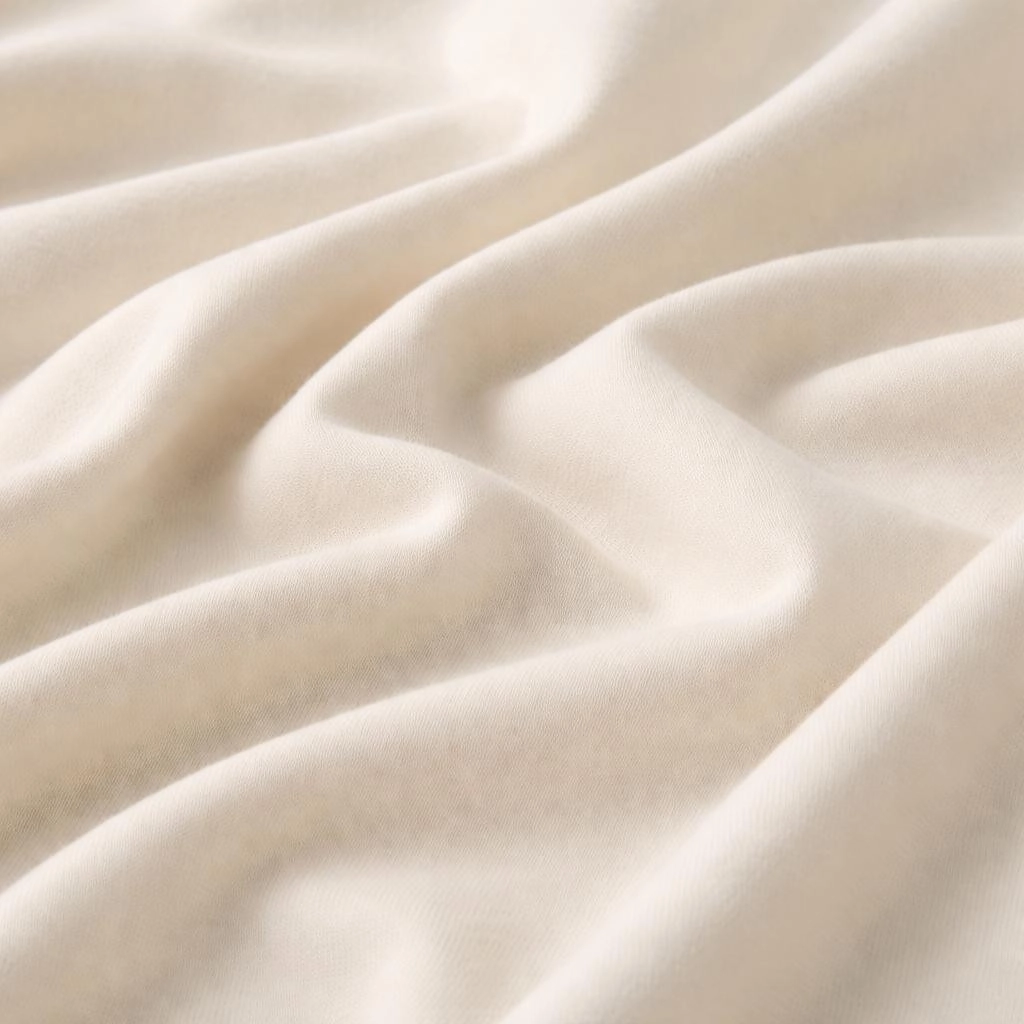
Jersey is a knitted fabric rather than a woven fabric.
Characteristics:
- Soft hand feel
- Flexible structure
- More stretch compared with woven cotton
It is commonly associated with clothing but demonstrates how different fabric structures create different results from the same cotton fiber.
Organic Cotton vs. Conventional Cotton
Organic cotton and conventional cotton come from the same plant and share the same basic fiber composition. Their main difference is the agricultural approach used to grow them.
| Feature |
Organic Cotton |
Conventional Cotton |
| Fiber source |
Cotton plant |
Cotton plant |
| Farming approach |
Organic agricultural practices |
Conventional agricultural practices |
| Basic fiber composition |
Primarily cellulose |
Primarily cellulose |
| Fabric options |
Can be woven or knitted into many fabric types |
Can be woven or knitted into many fabric types |
| Softness |
Depends on fiber quality and processing |
Depends on fiber quality and processing |
| Strength |
Depends on fiber, yarn, and fabric construction |
Depends on fiber, yarn, and fabric construction |
| Common applications |
Clothing, home textiles, bags, and other products |
Clothing, home textiles, bags, and other products |
Is Organic Cotton Softer Than Regular Cotton?
Not necessarily.
Softness depends on several factors, including cotton fiber characteristics, yarn structure, fabric construction, and finishing treatments.
A lightweight organic cotton fabric may feel soft and flexible, while a heavy organic cotton canvas may feel firm and structured.
Conventional cotton can also be processed into soft, smooth, or heavyweight fabrics.
For businesses sourcing custom bags, it is more useful to compare actual fabric samples than to assume that organic cotton will always feel softer.
What Determines the Properties of Organic Cotton Fabric?
Because organic cotton can be made into different types of fabric, it is useful to understand the factors that determine its physical properties.
Fiber Quality
Cotton fibers vary in length, fineness, and consistency. These characteristics can influence yarn quality and the feel of the resulting fabric.
However, organic farming does not automatically mean that every batch of cotton has identical fiber characteristics. Growing conditions and processing also matter.
Yarn Construction
The yarn used to make a fabric affects its thickness, texture, and strength.
A fabric made from fine yarn may have a smoother and lighter feel. A fabric made from thicker yarn may have a more substantial surface and greater body.
Yarn construction is one reason why cotton fabrics made from the same general fiber can have noticeably different characteristics.
Fabric Structure
The way yarns are woven or knitted changes how a fabric behaves.
- Plain weave: Often creates a balanced, stable fabric structure.
- Twill weave: Usually creates a diagonal surface pattern and can provide a different drape and texture.
- Canvas weave: Commonly produces a firm, substantial fabric suitable for products that need structure.
- Knit construction: Usually allows more flexibility and stretch than woven fabric.
The fabric structure should match the intended application rather than being selected based on the organic label alone.
Fabric Weight
Fabric weight affects how substantial a textile feels and how it behaves.
A lightweight cotton fabric may be flexible and easy to fold. A heavier cotton canvas may provide more body and shape.
Weight alone does not determine quality or durability. Weave density, yarn construction, and finishing also influence performance.
Dyeing and Finishing
Dyeing and finishing can change a fabric’s appearance and feel.
A fabric may be washed or treated to create a softer hand feel, while another may be finished to retain a firmer structure. Printing can also affect the appearance and surface of the textile.
For this reason, two fabrics made from organic cotton may still have different colors, textures, and functional characteristics.
What Is Organic Cotton Canvas?
Organic cotton canvas is a woven fabric made from organic cotton yarn.
The word “organic” describes the cotton’s agricultural origin. The word “canvas” describes the fabric construction and type.
Canvas is generally known for its firm structure and practical use in products that need more body than lightweight cotton fabric can provide. It can be made in different weights and textures, depending on the intended application.
Organic cotton can therefore be used to make canvas, but not all organic cotton is canvas.
Organic Cotton vs. Organic Cotton Canvas
| Feature |
Organic Cotton |
Organic Cotton Canvas |
| Meaning |
Cotton grown using organic farming practices |
Canvas fabric made from organic cotton yarn |
| Refers to |
Primarily the cotton’s growing method |
Both the cotton source and fabric construction |
| Fabric structure |
Can be woven or knitted in different ways |
Woven canvas structure |
| Texture |
Varies by fabric type |
Often firmer and more substantial |
| Typical forms |
Jersey, twill, muslin, canvas, and more |
Different weights and constructions of canvas |
The distinction is important because the term “organic cotton” does not specify the final fabric type. When discussing a product, identifying both the fiber source and the fabric construction gives a clearer picture of what the material actually is.
Why Is Organic Cotton Canvas Used for Bags?
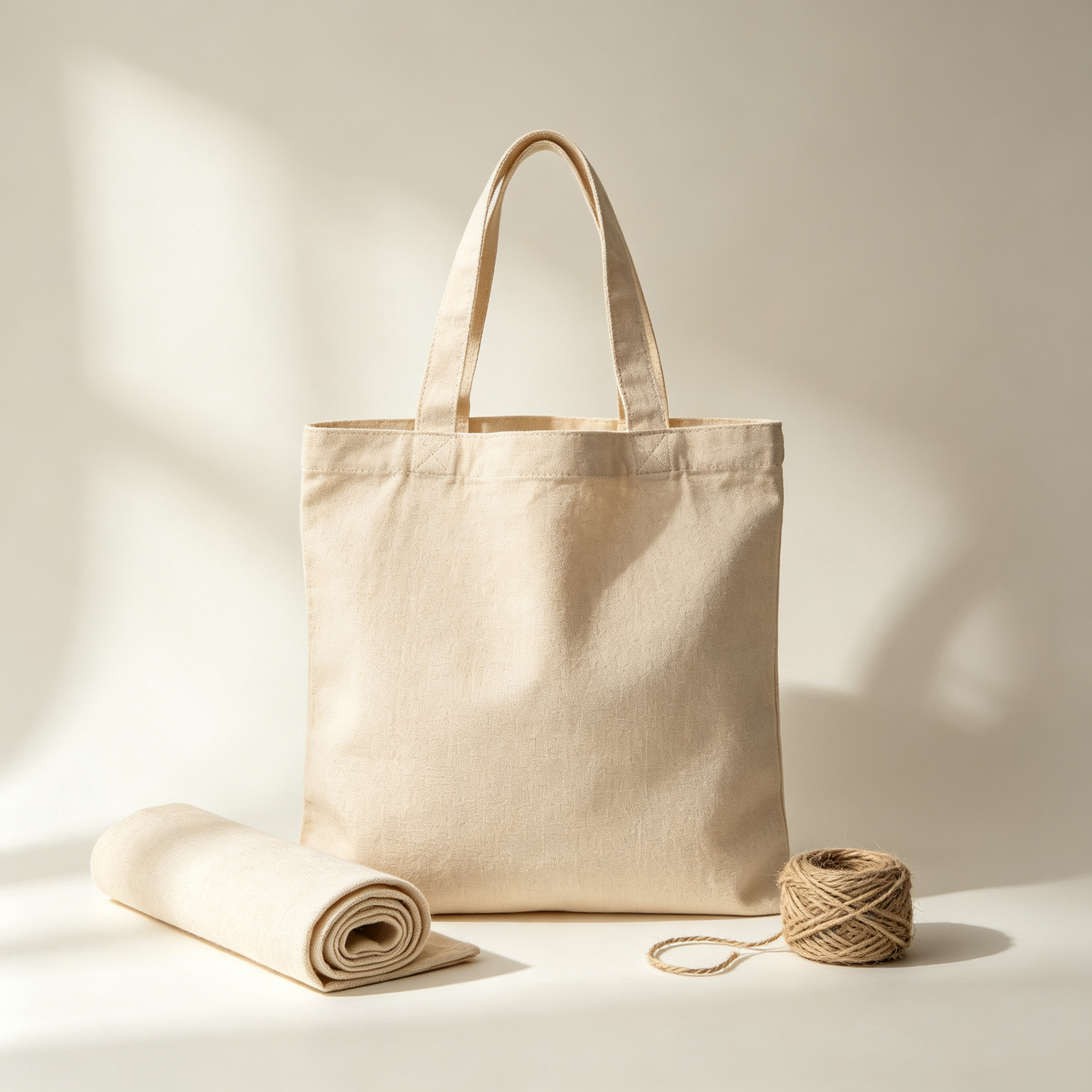
Organic cotton canvas can be used for bags because woven canvas provides a practical balance of structure and flexibility.
Depending on its specifications, it may offer:
- A natural textile appearance
- A firm structure suitable for reusable products
- A surface suitable for many printed designs
- Different fabric weights and textures
- Compatibility with a variety of bag shapes
However, canvas is not automatically waterproof or stain-resistant. Untreated cotton canvas can absorb moisture, and its durability depends on the quality of the fabric and the way the bag is constructed.
For a finished bag, handle attachment, seam construction, reinforcement, and lining may be just as important as the canvas itself.
Is Organic Cotton More Environmentally Friendly?
Organic cotton is often discussed in connection with environmental considerations because its farming practices differ from conventional cotton cultivation.
Organic farming methods generally restrict certain synthetic agricultural inputs and may emphasize soil management, crop rotation, and other agricultural practices.
However, the environmental impact of a cotton product cannot be determined by the organic label alone.
Several factors can influence its overall impact:
Farming Conditions
Water use, soil conditions, climate, and agricultural management vary by growing region. These differences can affect the resources needed to produce cotton.
Processing and Manufacturing
After harvesting, cotton still needs to be cleaned, spun, woven or knitted, and often dyed or finished. These processes use resources and may have environmental impacts.
Product Lifespan
How long a product is used and how often it is reused can affect its overall resource use. A product’s practical lifespan depends on material quality, construction, care, and user behavior.
Product Composition
A finished product may contain more than cotton. Linings, coatings, threads, trims, and other components can affect its overall environmental characteristics and end-of-life options.
Organic cotton is therefore best understood as a material with a particular agricultural origin—not as a guarantee that every finished product has a lower environmental impact in every respect.
Common Uses of Organic Cotton
Organic cotton can be processed into a wide range of textile products. The suitable fabric type depends on the product’s functional and visual requirements.
Clothing and Apparel
Organic cotton is used in T-shirts, shirts, dresses, underwear, and other garments.
Knitted fabrics are often selected for flexible clothing, while woven cotton may be used for more structured garments.
Home Textiles
Organic cotton can be used in bedding, towels, pillowcases, and other household textiles.
Different fabric structures serve different functions. For example, absorbent cotton fabrics are commonly used for towels, while smoother woven fabrics may be selected for bedding.
Cotton Bags and Pouches
Organic cotton can be made into a variety of bag materials, including lightweight cotton fabric and heavier cotton canvas.
Depending on the construction, it may be used for tote bags, shopping bags, drawstring bags, and small pouches.
For these products, the material should be selected according to the intended use, required structure, and expected load. Cotton fabric is absorbent, so products that need moisture protection may require a suitable lining or other treatment.
Promotional and Retail Products
Organic cotton fabric may also be used for branded merchandise, retail packaging, and promotional products.
Its suitability depends on the fabric’s appearance, printing requirements, construction, and intended use. A lightweight fabric and a structured canvas may create very different results, even when both use organic cotton.
FAQ
Is organic cotton a different type of cotton?
No. Organic cotton comes from the same cotton plant as conventional cotton. The main difference is the farming practices used to grow it.
Is organic cotton always softer?
No. Softness depends on fiber quality, yarn construction, fabric structure, and finishing. Organic cotton can be soft, firm, smooth, or textured depending on how it is made.
Is organic cotton more durable than conventional cotton?
Not inherently. Durability depends on fiber quality, yarn, fabric construction, finishing, and—in finished products—the quality of the overall construction.
Is organic cotton canvas the same as organic cotton?
No. Organic cotton refers to cotton grown using organic farming practices. Organic cotton canvas is a specific woven fabric made from organic cotton yarn.
Is organic cotton waterproof?
No. Cotton is absorbent, and untreated organic cotton fabric is not waterproof. Moisture resistance depends on any additional treatment, lining, or construction used in the finished product.
Can organic cotton be dyed or printed?
Yes. Organic cotton fabrics can be dyed or printed. The final result depends on the fabric surface, color, printing process, and finishing.
Is organic cotton biodegradable?
Cotton fiber is plant-based and can biodegrade under suitable conditions. However, the biodegradability of a finished product depends on its full composition, including dyes, coatings, linings, thread, and other components.
Is all cotton canvas organic?
No. Cotton canvas may be made from conventional cotton, organic cotton, or blends of different fibers. The term “canvas” describes the fabric type, not the farming method.
Conclusion
Organic cotton is cotton grown using organic agricultural practices. It shares the basic fiber composition of conventional cotton, but its cultivation follows a different approach.
The term does not determine the final fabric’s softness, strength, texture, or weight. Those properties depend on fiber quality, yarn construction, fabric structure, and finishing.
Organic cotton can be made into many textile materials, including cotton canvas. Understanding the difference between the cotton source and the fabric type helps explain why organic cotton products can vary significantly in appearance and performance.
For bags and other textile products, the most useful approach is to consider the complete material: what the fiber is, how the fabric is constructed, and how the finished product is designed for its intended use. At INITI, these material and construction details help inform custom bag options for different retail, promotional, and branded applications.
Related Articles



 Hot News