Iuta vs juta: qual è la differenza?
I termini iuta e juta sono spesso considerati intercambiabili nelle quotazioni per le borse, nelle descrizioni dei prodotti e negli elenchi di vendita al dettaglio.
Un acquirente potrebbe richiedere una borsa in iuta borsa di torta , mentre un fornitore offre una borsa per la spesa in juta che sembra essere realizzata con lo stesso materiale naturale. In altri casi, prodotti simili potrebbero essere descritti come borse in iuta grezza, borse in tela grezza o borse in tessuto di iuta.
La distinzione più semplice è:
L'iuta è una fibra vegetale naturale. La juta è un tipo di tessuto grezzo a trama aperta, comunemente realizzato con fibra di iuta.
Iuta indica il materiale grezzo. Juta indica la struttura del tessuto o il tessuto finito.
Questa distinzione è analoga alla relazione tra cotone e tela:
- Il cotone è una fibra.
- Il canvas è un tipo di tessuto a trama che può essere realizzato in cotone.
- Il juta è una fibra.
- Il sacco di juta è un tipo di tessuto spesso intrecciato con la fibra di juta.
La juta viene ottenuta principalmente da piante del genere Corchorus ed è utilizzata per produrre filati, corde, sacchi e tessuti vari, tra cui il sacco di juta.
Tuttavia, il settore commerciale degli imballaggi non utilizza sempre questi termini in modo coerente. Alcuni fornitori usano “ jute bag ” e “sacco di juta” come due denominazioni per la stessa categoria di prodotto.
Per gli acquirenti B2B, il nome del prodotto da solo non è quindi sufficiente. La specifica effettiva deve definire:
- Composizione delle fibre
- Peso del tessuto
- Densità dell’intreccio
- Texture della superficie
- Laminazione
- Rivestimento interno
- Colore
- Materiale della maniglia
- Metodo di stampa
- Costruzione finita
Confronto rapido: sacco di juta vs juta
| Punto di confronto |
Iuta |
Tela di juta |
| Significato di base |
Una fibra vegetale naturale |
Un tessuto grezzo intrecciato |
| Forma del materiale |
Fibra grezza, filato o materiale a base di fibra |
Tessuto finito |
| Composizione comune |
Fibra di juta proveniente da piante del genere Corchorus |
Generalmente juta, ma il termine può essere applicato anche a tessuti grezzi simili |
| Tessitura tipica |
Dipende da come la fibra viene filata e tessuta |
Generalmente ruvida, aperta e visibilmente testurizzata |
| Utili comuni |
Filati, corde, tessuti, sacchi, tappeti e prodotti industriali |
Sacchi, sacchi di juta, imballaggi regalo, decorazioni e applicazioni agricole |
| Termini alternativi |
Juta grezza, fibra di juta o filato di juta |
Tela di juta, tela per sacchi o, in alcuni mercati, tela grezza |
| Terminologia B2B per sacchi |
Spesso utilizzato per indicare l’intera categoria di prodotti |
Spesso utilizzato per prodotti in juta rustici o a trama aperta |
| Base affidabile per l’acquisto |
Non sufficiente senza una specifica del tessuto |
Non sufficiente senza i dettagli relativi alla composizione, al peso e alla costruzione |
Il punto più importante è che non ogni tessuto in juta deve essere sacco di juta, mentre la maggior parte dei sacchi di juta commerciali è realizzata in juta o in una fibra vegetale grossolana strettamente correlata.
Che cos’è la juta?
La juta è una fibra naturale di tipo basto ottenuta dal fusto e dalle parti esterne delle piante del genere Corchorus.
La fibra viene separata dalla pianta, lavorata, filata in filato e quindi utilizzata per produrre:
- Tessuto
- Sacchi
- Corda
- Di filato
- Tappeti
- Prodotti per lo stoccaggio domestico
- Materiali agricoli
- Borse per la spesa
- Borse per vino
- Sacchetti regalo
La fibra di juta è comunemente di colore marrone chiaro, dorato o beige, anche se l’aspetto varia a seconda della varietà della pianta, del processo di lavorazione, della tintura e della finitura.
Il termine juta può riferirsi a diverse fasi del materiale:
- La pianta di juta
- La fibra estratta
- Filato di iuta
- Tessuto intessuto con l'iuta
- Un prodotto finito realizzato principalmente in iuta
Questo è il motivo per cui l'espressione «borsa in iuta» è generica.
Una borsa in iuta può essere realizzata con:
- Tessuto fine e fittamente intessuto in iuta
- Iuta a trama aperta
- Tessuto in iuta laminato
- Iuta tinteggiata
- Iuta stampata
- Iuta mescolata con cotone
- Iuta con un supporto sintetico
- Tessuto di iuta con manici in cotone o poliestere
Due prodotti venduti come borse di iuta possono quindi differire notevolmente nell'aspetto, nella rigidità, nella durata e nel costo.
Che cos'è il sacco di iuta?
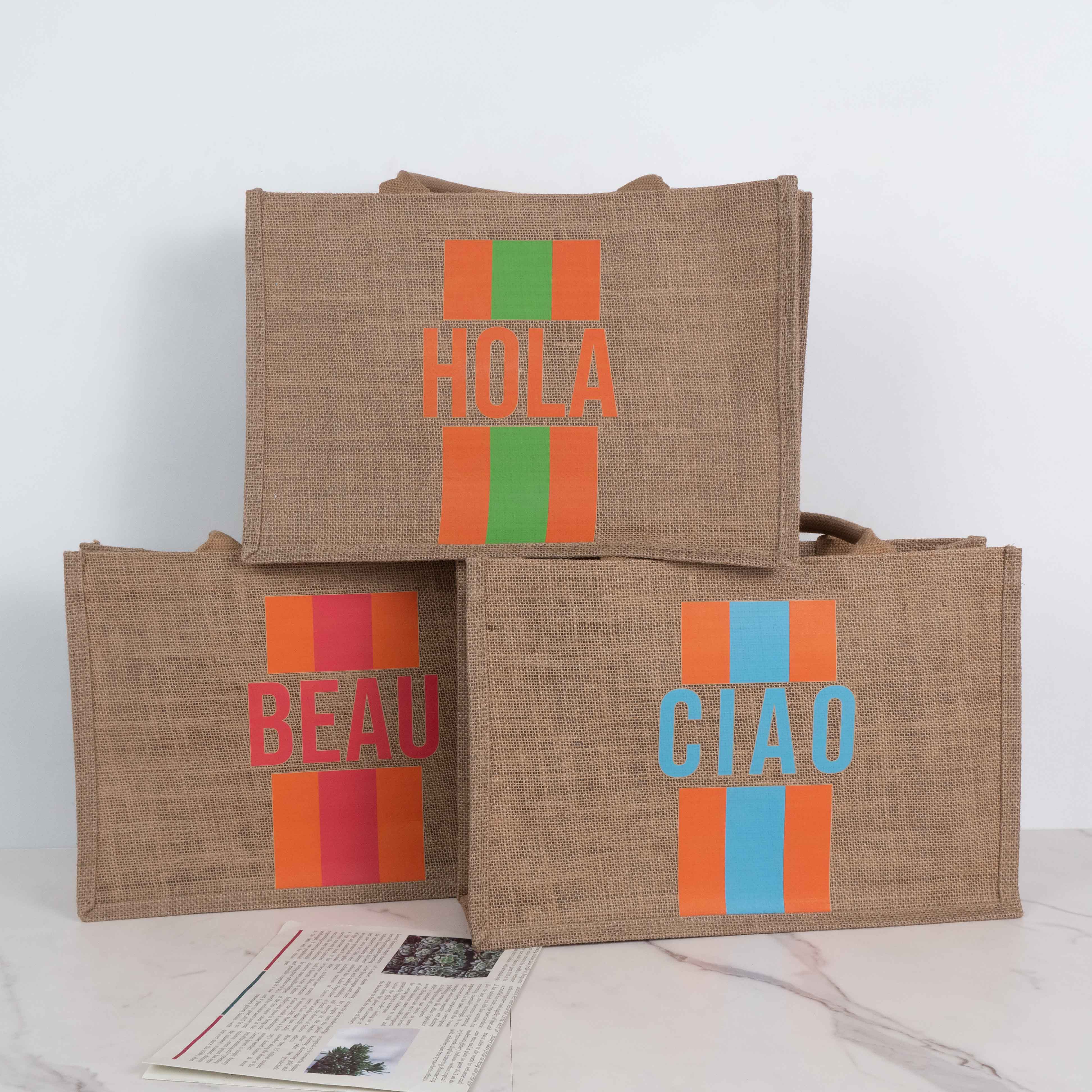
Il sacco di iuta è generalmente inteso come un tessuto grezzo, a trama semplice, comunemente realizzato con filati di iuta.
Ha normalmente:
- Una trama visibilmente aperta
- Una texture ruvida o rustica
- Variazione naturale delle fibre
- Lisciezza superficiale limitata
- Aspetto beige, marrone chiaro o marrone
- Buona traspirabilità se lasciato non rivestito
Il termine è particolarmente comune nei mercati nordamericani.
I dizionari e le definizioni storiche dei tessuti descrivono il juta come un tessuto grezzo a trama aperta, comunemente associato alla iuta, al canapa o a fibre simili.
In costume nella produzione di sacchi, il termine «juta» indica solitamente un tessuto dall’aspetto più rustico rispetto al tessuto di iuta a trama stretta.
I prodotti in juta più comuni includono:
- Borse tote rustiche
- Sacchi agricoli
- Sacchetti regalo
- Sacchetti per bottiglie di vino
- Sacchetti per bomboniere
- Imballaggi per piante e giardinaggio
- Sacchi in stile caffè
- Decorazioni stagionali
- Sacchi promozionali per marchi naturali o biologici
Poiché il termine 'iuta' descrive un tessuto piuttosto che una composizione esclusiva di fibre, gli acquirenti non devono ritenere che ogni prodotto etichettato come 'iuta' sia automaticamente realizzato al 100% in juta.
La composizione deve essere confermata per iscritto.
L'iuta è sempre realizzata in juta?
L'iuta commerciale è comunemente associata alla juta, ma il termine può essere utilizzato anche in senso più ampio per indicare tessuti grezzi intrecciati realizzati con altre fibre vegetali.
A seconda del mercato e del fornitore, un tessuto simile all'iuta può contenere:
- Iuta
- Hemp
- SISAL
- Kenaf
- Altre fibre basto
- Miscele di fibre
- Rinforzo sintetico
Questa distinzione è importante quando un acquirente richiede:
- Una dichiarazione specifica della fibra
- Biodegradabilità
- Tracciabilità dei materiali
- Utilizzare in agricoltura
- Imballaggi per prodotti alimentari
- Test del prodotto
- Documentazione per l'importazione
- Dichiarazioni di sostenibilità
L’acquirente dovrebbe quindi richiedere il materiale in una forma precisa, ad esempio:
100% fibra di iuta, tessuto di juta a tela semplice, colore naturale, circa 300 GSM.
Questo è più affidabile rispetto alla semplice richiesta di:
Materiale naturale di juta.
Perché i termini «iuta» e «juta» vengono spesso usati in modo intercambiabile?
I termini vengono spesso confusi perché molti prodotti in juta sono realizzati con iuta.
Nella comunicazione commerciale ordinaria:
- "Borsa in iuta" indica la famiglia di materiali.
- "Borsa in tela grezza" indica l'aspetto rustico del tessuto.
- Entrambi i termini possono riferirsi allo stesso prodotto finito.
Un fornitore può utilizzare entrambi i termini nel titolo di un prodotto per coprire diverse abitudini di ricerca:
- Borsa shopper in iuta e tela grezza
- Borsa per la spesa in tela grezza e iuta
- Sacchetto naturale in iuta
- Borsa regalo in iuta e juta
Questo potrebbe aiutare gli acquirenti a trovare il prodotto, ma non definisce una specifica tecnica precisa.
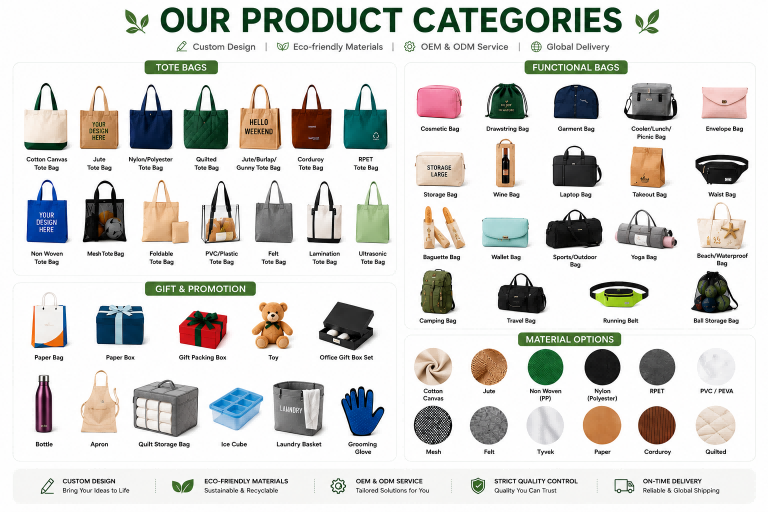
La categoria esistente di INITIGIFT raggruppa in modo simile sacchi in juta, sacchi in tela grezza (burlap) e sacchi in iuta grezza (gunny), poiché gli acquirenti utilizzano spesso questi termini nella ricerca di prodotti correlati realizzati con fibre naturali.
Tuttavia, per la produzione e l’ispezione, la specifica finale dovrebbe basarsi su requisiti misurabili, anziché fare affidamento sul nome della categoria.
Che cos’è la tela grezza (hessian)?
La tela grezza (hessian) è un altro termine comunemente associato alla burlap.
Nell’uso commerciale generale:
- Burlap è più comune negli Stati Uniti e in Canada.
- Hessian è più comune nel Regno Unito, in Australia e in alcuni altri mercati.
- Entrambi i termini indicano normalmente un tessuto grezzo a trama aperta realizzato in juta o in fibre vegetali simili.
Storicamente, la tela grezza (hessian) è stata definita come un semplice tessuto di juta disponibile in diversi pesi, larghezze e livelli di qualità, mentre burlap era il nome americano utilizzato per materiali simili.
Per l'approvvigionamento internazionale, un acquirente che richiede una borsa in iuta può ricevere lo stesso tipo di prodotto descritto da un altro fornitore come borsa in tela di sacco.
L'acquirente dovrebbe comunque verificare:
- Composizione delle fibre
- Peso del tessuto
- Tessuto
- Colore
- Laminazione
- Rivestimento interno
- Utilizzo previsto
Cos'è la tela di sacco?
Gunny è un altro termine commerciale associato alla ruvida stoffa di iuta e ai sacchi per il trasporto di merci.
Viene spesso utilizzato per:
- Sacchi agricoli
- Imballaggio per cereali
- Sacchetti di caffè
- Sacchi per patate
- Imballaggio industriale
- Sacchi per il trasporto pesante
Nel linguaggio commerciale quotidiano, il termine «gunny» indica generalmente un prodotto più funzionale o di qualità agricola rispetto a una borsa per la spesa in iuta destinata al dettaglio.
Tuttavia, la terminologia varia da mercato a mercato.
Un prodotto descritto come sacco in gunny può essere realizzato con:
- Iuta a trama aperta
- Sacco di iuta pesante
- Tessuto agricolo riutilizzato
- Nuovo tessuto progettato per imitare i sacchi tradizionali
Gli acquirenti del settore retail devono fare attenzione all’uso della parola «gunny», poiché potrebbe suggerire una superficie più ruvida, una maggiore variabilità delle fibre e un aspetto meno controllato rispetto a quello richiesto per borse regalo o per il retail.
Fibra vs Tessuto: Perché questa distinzione è importante
Comprendere la differenza tra fibra e tessuto aiuta gli acquirenti a redigere specifiche più chiare.
Fibra di iuta
La fibra determina proprietà quali:
- Colore naturale
- Comportamento fondamentale verso l’umidità
- Rigidità della fibra
- Odore
- Variazione delle fibre
- Potenziale di biodegradabilità
- Resa nella filatura
Tessuto di iuta
La struttura del tessuto determina:
- Apertura dell'ordito
- Texture della superficie
- Peso del tessuto
- Stabilità
- Qualità di stampa
- Comportamento ai bordi sfilacciati
- L'aspetto della borsa
- Resa nella cucitura
Un produttore può utilizzare il filato di iuta per creare diversi tipi di tessuti.
Alcuni di essi possono essere:
- Aperto e grossolano
- Stretto e liscio
- Leggero
- Pesante
- Laminato
- Colori
- Misti
- Lavato o ammorbidito
Pertanto, l'identificazione della fibra non definisce completamente il materiale finito.
Tutte le borse in juta hanno l'aspetto dei sacchi di iuta?
No.
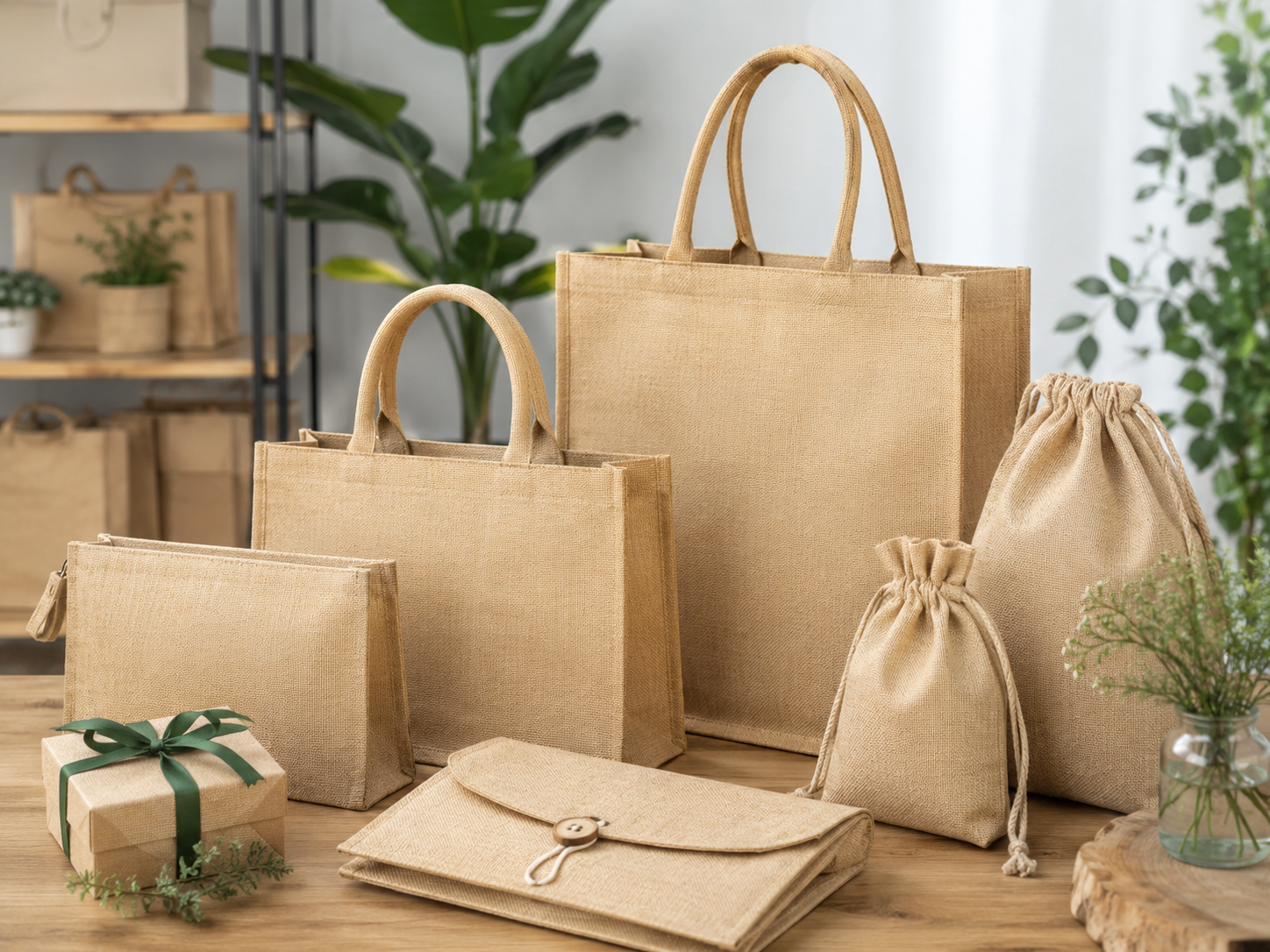
Le borse moderne in juta possono avere aspetti molto diversi.
Un sacco base di iuta può presentare:
- Tessitura aperta
- Irregolarità visibili del filato
- Fibre sciolte
- Texture rustica
- Manici semplici in corda
Una borsa per il retail in juta più raffinata può utilizzare:
- Intreccio più fitto
- Maggior peso del tessuto
- Laminazione interna
- Rivestimento interno in cotone
- Cuciture rinforzate
- Manici in cotone intrecciato
- Manici in stile pelle
- Chiusura con cerniera
- Ricamo
- Pannelli stampati
- Superfici laminate
Una borsa in juta premium può apparire più strutturata e controllata rispetto al tradizionale sacco di iuta.
Questo è importante per i marchi che desiderano un aspetto realizzato con materiali naturali, senza però trasmettere un’impressione agricola o non finita.
Peso del tessuto e densità della trama
I tessuti in iuta e juta possono essere prodotti con diversi pesi e densità di trama.
Il peso del tessuto è comunemente espresso in:
- GSM
- Grammi per Metro Quadrato
- Oncie per yard quadrata in alcuni mercati
Un peso maggiore del tessuto può determinare:
- Maggiore rigidità
- Tocco più consistente
- Migliore Struttura
- Maggiore resistenza alle cuciture
- Costo maggiore del materiale
- Aumento del peso di spedizione
Tuttavia, il peso del tessuto da solo non determina la qualità.
Gli acquirenti dovrebbero inoltre valutare:
- Spessore del filato
- Densità del Filo Principale
- Densità della trama
- Uniformità della trama
- Difetti Superficiali
- Qualità della fibra
- Stabilità del Bordo
- Finitura
- Laminazione
Un tessuto di iuta da 280 GSM a trama molto fitta può offrire una superficie di stampa più pulita rispetto a un tessuto più pesante ma a trama più aperta da 350 GSM.

Materiale a trama aperta vs. materiale a trama fitta
La trama influisce sia sull'aspetto che sulle prestazioni.
Iuta a trama aperta
Il tessuto a trama aperta offre generalmente:
- Una texture più visibile
- Una maggiore aerazione
- Aspetto rustico
- Una minore uniformità della superficie
- Un rischio maggiore di spostamento dei fili
- Stampa con dettagli fini più limitata
- Maggiore rischio di sfilacciamento dei bordi
Può essere adatto a:
- Imballaggio Agricolo
- Regali rustici
- Prodotti decorativi
- Bomboniere per matrimoni
- Imballaggio per piante
- Promozioni di prodotti naturali
Tessuto di iuta a trama stretta
Una trama più stretta dell’iuta può offrire:
- Migliore stabilità dimensionale
- Stampa più pulita
- Aspetto più controllato
- Una trasparenza ridotta
- Maggiore idoneità per le borse da vendita al dettaglio
- Migliorato supporto per cuciture e tasche
Può essere adatto a:
- Borse per supermercato
- Borse della spesa personalizzate con marchio
- Borse per vino
- Sacchetti regalo
- Programmi aziendali
- Borse per la spesa strutturate
Nessuna delle due opzioni è universalmente migliore. La trama corretta dipende dal mercato di destinazione e dal posizionamento visivo.
Texture e aspetto della superficie
La juta naturale può presentare variazioni in:
- Spessore del filato
- Colore della fibra
- Piccoli nodi
- Noduli
- Tessitura
- Peli
- Spaziatura della trama
Queste caratteristiche possono contribuire a un aspetto autentico dei materiali naturali.
Tuttavia, acquirenti diversi hanno aspettative diverse.
Un negozio agricolo o un marchio di prodotti alimentari biologici potrebbe accogliere con favore una variazione visibile.
Un rivenditore di lusso potrebbe richiedere:
- Filato più uniforme
- Bordi più puliti
- Minor perdita di fibre
- Colore controllato
- Stampa precisa
- Rivestimento migliore
- Dimensioni costanti dei pannelli
Il livello accettabile di variazione naturale dovrebbe essere confermato durante l’approvazione dei campioni.
Gli acquirenti dovrebbero evitare di approvare esclusivamente una rappresentazione digitale. Un campione fisico di tessuto e un campione finito forniscono un riferimento più affidabile.
Stampa su iuta e sacco
L’iuta e il sacco possono supportare diversi metodi di personalizzazione, ma la trama influisce fortemente sul risultato.
Le opzioni più comuni includono:
- Serigrafia
- Trasferimento termico
- Ricamo
- Etichette tessute
- Pannelli in cotone stampati
- Toppe in materiale simile alla pelle
- Toppe in gomma
- Etichette appendibili
Serigrafia
La serigrafia è comunemente utilizzata per loghi semplici.
È generalmente più adatta a:
- Uno-quattro colori
- Illustrazioni audaci
- Caratteri di grandi dimensioni
- Grafiche semplici
- Copertura di stampa moderata
Su una iuta grezza, le linee sottili e il testo piccolo potrebbero non riprodursi con chiarezza perché l’inchiostro segue la superficie irregolare dei filati.
Trasferimento termico
Il trasferimento termico può offrire maggiori dettagli, ma gli acquirenti devono effettuare dei test:
- Adesione
- Levigatezza della superficie
- Compatibilità termica
- La flessibilità
- Durata
- Aspetto sulla trama
Ricamo
L’imbastitura può creare un effetto premium, ma una cucitura densa potrebbe deformare la iuta a trama aperta.
Potrebbe essere necessario un supporto o un rinforzo.
Pannello stampato in cotone
Una tasca anteriore in cotone o tela può offrire una superficie più uniforme per il branding, preservando nel contempo il corpo naturale in juta.
Questo è utile quando l’acquirente necessita:
- Illustrazioni dettagliate
- Maggiore nitidezza della stampa
- Riproduzione cromatica intensa
- Un aspetto al dettaglio più pulito
Laminazione e fodera
Molti sacchi commerciali in juta includono una laminazione o un rivestimento interno.
Questi elementi aggiuntivi influenzano le prestazioni e le dichiarazioni ambientali.
Laminazione interna
Un supporto in PE o simile può migliorare:
- Capacità di mantenere la forma
- Resistenza all'umidità
- La stabilità del tessuto
- La resistenza alla fuoriuscita di fibre
- Il supporto per la stampa
- Pulizia interna
Tuttavia, la laminazione può anche:
- Ridurre la traspirabilità
- Flessibilità di Modifica
- Rendere più difficile il riciclo
- Influenzare la biodegradabilità
- Crea problemi di separazione alla fine del ciclo di vita
Rivestimento interno in cotone
La fodera in cotone può offrire:
- Un interno più morbido
- Migliorata Protezione del Prodotto
- Aspetto migliore
- Riduzione del contatto con le fibre ruvide
- Tasche interne
- Maggiore valore commerciale
Aggiunge inoltre:
- Costo dei materiali
- Tempo di cucitura
- Ulteriori considerazioni relative al restringimento
- Controllo qualità più complesso
Rivestimento in poliestere
La fodera in poliestere può offrire:
- Assorbimento di umidità inferiore
- Pulizia più semplice
- Più opzioni di colore
- Maggiore stabilità dimensionale
Tuttavia, ciò trasforma il prodotto da una costruzione monomateriale in fibra naturale a un prodotto multimateriale.
Gli acquirenti devono decidere se la priorità principale è:
- Aspetto naturale
- Semplicità del fine vita
- Protezione dall'umidità
- Pulizia del prodotto
- Presentazione Premium
- Costo inferiore
Il juta e il sacco sono impermeabili?
La juta e il sacco non trattati non devono essere considerati impermeabili.
La fibra naturale di juta può assorbire umidità e la trama aperta consente all’acqua di passare attraverso.
L’esposizione all’umidità può provocare:
- Macchiatura
- Odore
- Perdita di forma
- Rischio di muffa in caso di conservazione inadeguata
- Cambiamento di colore
- Riduzione della rigidità
- Deterioramento delle fibre nel tempo
La resistenza all’acqua può essere migliorata mediante:
- Laminazione interna
- Rivestimento
- Rivestimento interno
- Trattamento con cera
- Finiture Protettive
Tuttavia, gli acquirenti devono distinguere tra:
- Resistenza all'acqua
- Resistenti all'umidità
- Resistente agli schizzi
- Impermeabile
Queste non sono affermazioni equivalenti.
Una borsa laminata può resistere all’umidità leggera proveniente dagli alimentari, ma ciò non implica necessariamente che sia adatta a un’esposizione prolungata all’esterno o al contenimento di liquidi.
È possibile lavare le borse in juta o in spago?
Il lavaggio in lavatrice non è generalmente consigliato per molte borse strutturate in juta o in spago, a meno che il prodotto non sia stato specificamente progettato e testato per tale utilizzo.
Il lavaggio può causare:
- Distorsioni
- Gonfiore della fibra
- Restringimento
- Perdita di rigidità
- Pelucchi sulla superficie
- Trasferimento del colore
- Separazione degli strati del laminato
- Deformazione della maniglia
- Ruggine o danni alle parti metalliche
Le istruzioni per la pulizia dipendono da:
- Composizione delle fibre
- Tinta
- Laminazione
- Rivestimento interno
- Stampa
- Materiale della maniglia
- Costruzione della borsa
Tra le possibili indicazioni per la cura rientrano:
- Solo pulizia spot
- Pulire con un panno umido
- Tenere asciutto
- Asciugare all'aria aperta
- Non lavare in lavatrice
- Non asciugare in tamburo
L'etichetta di manutenzione deve corrispondere ai risultati effettivi dei test, anziché essere copiata da un altro prodotto.
Il juta e il sacco hanno un odore naturale?
I prodotti naturali in juta possono presentare un odore terroso o di fibra vegetale facilmente percepibile.
L'intensità può essere influenzata da:
- Qualità della fibra grezza
- Processo di ritting e lavorazione
- Umidità di stoccaggio
- Oli per finitura
- Laminazione
- Imballaggio
- Tempo di aerazione
- Condizioni del magazzino
Un lieve odore naturale può essere accettabile per prodotti agricoli o rustici, ma è meno accettabile per:
- Cosmetici
- Vendita al dettaglio di moda
- Regalistica Premium
- Imballaggi a contatto con alimenti
- Servizi per hotel
Gli acquirenti dovrebbero chiedere al fornitore di controllare:
- Conservazione materiali
- Asciugatura
- Ventilazione
- Tempo di imballaggio
- Esposizione all'umidità
- Condizioni del cartone
Un sacchetto sigillato confezionato immediatamente dopo la produzione potrebbe trattenere un odore più intenso rispetto a un prodotto adeguatamente ventilato.
Sfibratura e polvere
La juta grossolana e il sacco di iuta possono rilasciare piccole fibre o polvere, in particolare quando:
- La trama è allentata
- Il filato è di bassa qualità
- I bordi non sono rifiniti
- Il tessuto viene piegato ripetutamente
- Il prodotto viene maneggiato in modo brusco
- Non viene utilizzata alcuna laminazione o fodera
Questo potrebbe non essere un problema per:
- Sacchi agricoli
- Imballaggio per piante
- Prodotti decorativi rustici
Potrebbe essere meno adatto a:
- Cosmetici
- Abbigliamento di colore chiaro
- Calzature premium
- Regali delicati
- Espositori al dettaglio puliti
- Alcune applicazioni legate agli alimenti
I possibili controlli includono:
- Tessitura più fitta
- Selezione migliore dei filati
- Laminazione interna
- Rivestimento interno
- Bordo rifinito
- Cucitura a punto overlock
- Taglio più preciso
- Pulizia a vuoto o superficiale prima dell'imballaggio
Sostenibilità: il juta è più sostenibile del juta grezzo (burlap)?
Questa domanda non è tecnicamente corretta, poiché il juta e il juta grezzo (burlap) non sono materiali concorrenti nello stesso modo in cui lo sono il juta e il poliestere.
Il juta è la fibra; il juta grezzo (burlap) è solitamente il tessuto realizzato con tale fibra.
Il profilo di sostenibilità di una borsa finita dipende dall'intera sua costruzione.
Una semplice borsa in juta grezzo (burlap) non rivestita può presentare caratteristiche diverse alla fine del suo ciclo di vita rispetto a una borsa contenente:
- Laminazione in PE
- Rivestimento in poliestere
- Manici sintetici
- Ferramenta in metallo
- Decorazione in PVC
- Adesivi misti
- Rivestimenti pesanti
La FAO identifica la juta come un materiale a base di fibra naturale utilizzato in applicazioni in cui le caratteristiche rinnovabili, riciclabili e biodegradabili sono commercialmente rilevanti. Tuttavia, le prestazioni ambientali del prodotto finale dipendono comunque dai processi di lavorazione e dai componenti aggiuntivi.
Gli acquirenti dovrebbero evitare affermazioni generiche quali:
- 100% Biodegradabile
- Completamente privo di plastica
- Completamente compostabile
- Impatto ambientale nullo
a meno che l’intero prodotto finito non supporti tale affermazione.
Una specifica migliore dovrebbe indicare:
- Composizione delle fibre
- Composizione del rivestimento interno
- Materiale per laminazione
- Composizione della maniglia
- Tipo di inchiostro
- Accessori
- Imballaggio
- Requisiti di Certificazione
Juta contro iuta grezza per borse personalizzate
Il seguente confronto riflette l'uso commerciale comune.
| Requisito dell'acquirente |
Direzione più adatta |
| Borsa per la spesa in fibra naturale generica |
Jute bag |
| Borsa regalo rustica a trama aperta |
Borsa in juta |
| Logo stampato liscio |
Juta a trama stretta o juta con pannello in cotone |
| Presentazione in stile agricolo |
Tessuto in iuta o stile sacco di juta |
| Borsa tote strutturata premium |
Iuta pesante con fodera o laminazione |
| Sacchetto per ricordi di nozze |
Iuta leggera |
| Imballaggio per bottiglie di vino |
Iuta o iuta con divisori rinforzati |
| Borsa per la spesa al supermercato |
Iuta laminata o a trama molto fitta |
| Imballaggio traspirante per prodotti ortofrutticoli |
Iuta non rivestita a trama aperta, soggetta ai requisiti del prodotto |
| Prodotto per la vendita al dettaglio di moda |
Juta raffinata con filato controllato, fodera e accessori |
In molti casi, la risposta non è «juta o iuta».
La risposta corretta potrebbe essere:
Una borsa in fibra di juta realizzata con una specifica tessitura in stile iuta.
Quale termine dovrebbero usare gli acquirenti in un preventivo?
Gli acquirenti possono utilizzare entrambi i termini per la ricerca e la comunicazione iniziale, ma il preventivo finale deve includere specifiche misurabili.
Una richiesta chiara potrebbe recitare:
Borsa personalizzata in juta/iuta realizzata in tessuto 100% juta, colore naturale, tessitura semplice stretta, circa 300 GSM, laminazione interna, manici in nastro di cotone e stampa serigrafica a un colore.
Questo è molto più chiaro di:
Si prega di quotare una borsa per la spesa in juta.
La richiesta completa deve includere:
- Composizione del materiale
- Peso del tessuto
- Aspetto dell’ordito
- Dimensioni finali
- Gusset
- Laminazione o rivestimento
- Tipo di maniglia
- Lunghezza delle maniglie
- Stampa
- Chiusura
- Imballaggio
- Quantità
- Mercato di destinazione
Controlli di qualità per borse in juta e in juta grezza
Ispezione del materiale
Verifica:
- Composizione delle fibre
- Peso del tessuto
- Larghezza del rotolo
- Densità dell’intreccio
- Colore
- Odore
- Sfaldamento delle fibre
- Fori
- Fili rotti
- Macchie
- Umidità
Ispezione del taglio
Verifica:
- Dimensioni del pannello
- Direzione della venatura
- Posizione del logo
- Distorsione della trama
- Sfilacciamento dei bordi
- Coerenza del fondo pieghevole
Ispezione della cucitura
Verifica:
- Margine di cucitura
- Densità dei punti
- Rinforzo della maniglia
- Fili sciolti
- Bordo rifinito
- Allineamento della fodera
- Danni alla laminazione
- Installazione della Cerniera
Controllo della stampa
Verifica:
- Dimensione del logo
- Posizione
- Colore
- Copertura dell'inchiostro
- Linee tratteggiate
- Penetrazione della stampa
- Adesione
- Sbavatura
Ispezione del prodotto finito
Verifica:
- Dimensioni della borsa
- Forma
- Lunghezza delle maniglie
- Prestazioni di carico
- Pulizia interna
- Odore
- Imballaggio
- Asciuttezza del cartone
- Quantità
La variazione naturale del materiale deve essere distinta dai difetti di produzione evitabili.
Errori comuni degli acquirenti
Errore 1: Considerare juta e iuta come due fibre completamente diverse
La juta è una fibra, mentre l’iuta è generalmente un tessuto realizzato in juta o in una fibra vegetale grossolana simile.
Errore 2: Effettuare ordini basandosi esclusivamente sul nome del materiale
la dicitura «borsa in juta» non specifica il peso del tessuto, la trama, la laminazione o la struttura costruttiva.
Errore 3: Presupporre che tutta la variazione naturale sia accettabile
Alcune variazioni sono normali, ma macchie, filati rotti, differenze cromatiche marcate e odori non controllati richiedono limiti di qualità.
Errore 4: Scegliere un sacco di iuta a trama aperta per stampe dettagliate
Testi fini e opere artistiche complesse possono perdere chiarezza su una superficie irregolare.
Errore 5: Ignorare la laminazione
Due borse in juta visivamente simili possono comportarsi in modo diverso se una è laminata e l’altra no.
Errore 6: Formulare dichiarazioni sulla sostenibilità basandosi esclusivamente sul tessuto esterno
Rivestimento, rivestimento, manici, stampa e accessori influenzano l’intero prodotto.
Errore 7: Presupporre che la borsa sia lavabile in lavatrice
Molte borse in juta e in iuta devono essere pulite localmente, a meno che non sia stata testata la resistenza al lavaggio.
Errore 8: Confrontare preventivi con trame diverse
Un tessuto leggero in juta grezza non può essere confrontato direttamente con una juta pesante, a trama fitta e laminata.
Domande che gli acquirenti dovrebbero porre ai fornitori
Prima di confermare un sacco in juta o in juta grezza, chiedersi:
- Qual è la composizione esatta delle fibre?
- Il tessuto è descritto come juta, juta grezza, iuta o sacco di iuta?
- Qual è il peso del tessuto in g/m²?
- La trama è aperta o a trama fitta?
- Il tessuto è laminato?
- Quale materiale viene utilizzato per la laminazione?
- È prevista una fodera interna?
- Quanta variazione naturale di colore ci si deve aspettare?
- Il rilascio di fibre è controllato?
- Quale metodo di stampa viene consigliato?
- Il tessuto è in grado di riprodurre con precisione testi piccoli?
- Le maniglie sono realizzate in iuta, cotone o webbing sintetico?
- Come vengono rinforzate le maniglie?
- Quali test di carico sono disponibili?
- Quali istruzioni per la pulizia devono essere utilizzate?
- Quali sistemi di controllo dell’umidità vengono adottati prima dell’imballaggio per l’esportazione?
- Le dichiarazioni ambientali sono supportate dall’intera struttura del prodotto?
- È possibile confrontare il materiale in volume con un campione approvato?

Come INITI supporta i progetti personalizzati di sacchi in iuta e juta grezza
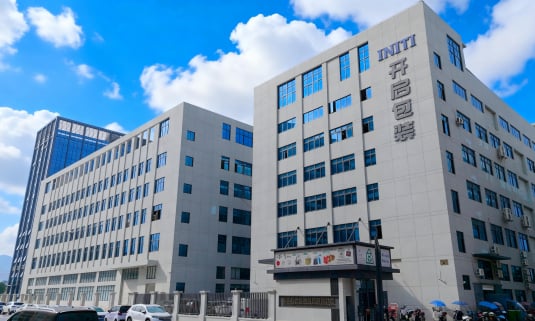
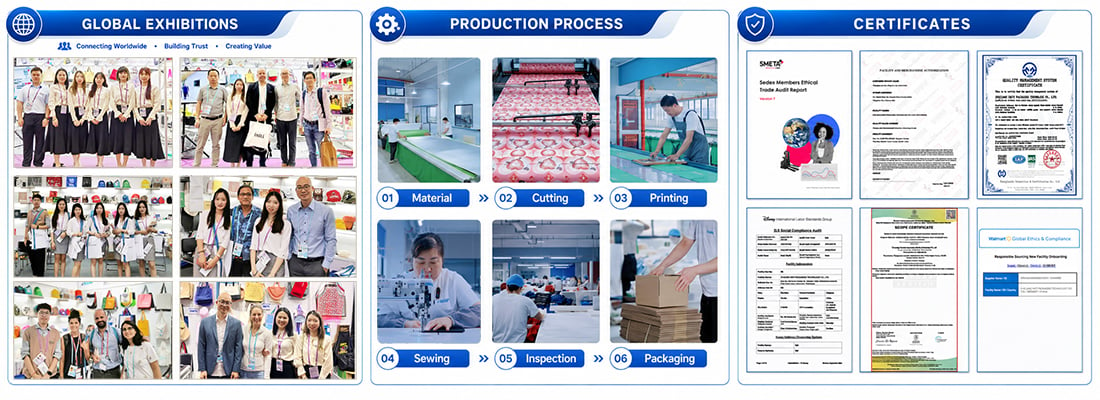
INITI sviluppa sacchi personalizzati in iuta, juta grezza e stile sacco da trasporto per rivenditori, supermercati, fornitori di articoli regalo, aziende promozionali, importatori, distributori e proprietari di marchi.
Con 16 anni di esperienza nella produzione personalizzata di borse e due stabilimenti produttivi, il nostro processo OEM e ODM può supportare:
- Confronto tra materiali e tessiture
- Peso personalizzato del tessuto
- Colori naturali e colorati
- Laminazione e fodera
- Manici in cotone, juta e similpelle
- Dimensioni personalizzate e fondi laterali
- Serigrafia
- Ricamo
- Etichette tessute
- Chiusure con cerniera
- Tasche interne
- Divisori per bottiglie di vino
- Imballaggio per la vendita al dettaglio
- Sviluppo del campione
- Test di carico
- Ispezione della produzione in serie
I materiali disponibili, le certificazioni e i test devono essere confermati in base alla specifica costruzione della borsa, al mercato di destinazione e ai requisiti dell’acquirente.
FAQ
La iuta e la tela di sacco sono la stessa cosa?
Non esattamente. La juta è una fibra vegetale naturale. La tela di sacco è un tessuto grezzo comunemente realizzato in juta.
La tela di sacco è realizzata al 100% in juta?
Spesso lo è, ma il termine 'burlap' può anche indicare tessuti grezzi realizzati in canapa, sisal o fibre miste. Gli acquirenti devono verificare la composizione.
Il termine 'hessian' equivale a 'burlap'?
I due termini vengono comunemente utilizzati per indicare tessuti grezzi di iuta intrecciati in modo simile. 'Burlap' è più diffuso nell'uso nordamericano, mentre 'hessian' è ampiamente utilizzato in altri mercati di lingua inglese.
Che cos'è un sacco di juta?
Un sacco di juta (o 'gunny bag') indica generalmente un prodotto di saccheria grezzo e pesante, realizzato comunemente in iuta e utilizzato per l'imballaggio agricolo o industriale.
Ogni borsa in iuta è un sacco di juta ('burlap bag')?
No. L'iuta può essere tessuta in tessuti più fitti, lisci o raffinati, che non presentano necessariamente l'aspetto aperto e rustico normalmente associato al 'burlap'.
Quale tra iuta e 'burlap' è più resistente?
Il confronto non è diretto, poiché l'iuta è la fibra mentre il 'burlap' è il tessuto. La resistenza dipende dal filato, dalla densità dell'intreccio, dal peso del tessuto, dalle cuciture, dalle maniglie e dalla costruzione della borsa.
Quale dei due è più adatto alla stampa?
La juta a trama fitta fornisce generalmente una superficie più pulita rispetto alla iuta grezza a trama aperta. Un pannello frontale in cotone o tela può offrire una definizione della stampa ancora migliore.
I sacchi in iuta possono contenere prodotti pesanti?
Sì, ma la capacità di carico dipende dal peso del tessuto, dalla trama, dalle cuciture, dall’attacco delle maniglie e dal rinforzo. Il sacco finito deve essere sottoposto a test di carico.
I sacchi in juta sono impermeabili?
La juta non trattata non è impermeabile. La laminazione o il rivestimento possono migliorare la resistenza all’umidità, ma le prestazioni esatte devono essere specificate.
I sacchi in juta possono essere lavati?
Molti sacchi in juta strutturati sono progettati per la pulizia locale, non per il lavaggio in lavatrice. Le istruzioni per la cura devono basarsi sull’intero prodotto e su test effettivi.
La juta e l’iuta sono biodegradabili?
La fibra naturale di juta non rivestita è biodegradabile. La laminazione, il rivestimento sintetico, le maniglie in plastica, i rivestimenti e gli accessori misti possono modificare le caratteristiche del sacco a fine vita.
Perché i sacchi in juta presentano variazioni naturali di colore?
Il juta è una fibra vegetale. Colore, spessore del filato e texture possono variare in base alla fibra grezza e al processo di lavorazione. Le variazioni accettabili devono essere stabilite mediante approvazione del campione.
Conclusione
Il juta e il sacco sono strettamente correlati, ma non indicano esattamente la stessa cosa.
Il juta è una fibra vegetale naturale. Il sacco è un tessuto grezzo a trama fitta, comunemente prodotto in juta.
Nell’approvvigionamento commerciale di sacchi, i termini vengono spesso usati in modo intercambiabile poiché molti sacchi di sacco sono sacchi di juta. Tuttavia, basarsi esclusivamente sul nome del prodotto può portare a confronti inaccurati.
I compratori dovrebbero valutare:
- Composizione delle fibre
- Peso del tessuto
- Densità dell’intreccio
- Texture della superficie
- Laminazione
- Rivestimento interno
- Stampa
- Struttura dell’impugnatura
- Comportamento nei confronti dell’umidità
- Prestazioni del sacco finito
Un sacco di juta o sacco ben specificato può essere sviluppato per confezioni rustiche, acquisti al supermercato, imballaggio di vino, prodotti agricoli, collezioni retail o promozioni aziendali.
Il materiale corretto non è determinato dal fatto che nella quotazione sia indicato «juta» o «sacco», bensì dal fatto che la struttura completa del tessuto e del sacco soddisfi l’uso previsto, lo standard estetico, l’obiettivo di costo e i requisiti di qualità.
Assistenza per le richieste di informazioni
Per una raccomandazione adeguata di sacchi in iuta o juta grezza, fornire l'applicazione prevista, le dimensioni del sacco, il carico del prodotto, la trama preferita, il peso del tessuto, i requisiti di laminazione o rivestimento, il tipo di manici, l'elaborazione grafica del logo, la quantità dell'ordine, il metodo di imballaggio e il mercato di destinazione.
INITI può confrontare sacchi in juta grezza a maglia aperta, in iuta a trama fitta, in iuta laminata e strutture premium rivestite, in base alle esigenze del progetto in termini di aspetto, prestazioni e budget.
Prodotti correlati
Articoli correlati del blog


 Notizie in primo piano