A canvas tote bag can look simple from the outside, but one small design decision can change how people use it: the way it opens and closes.
An open-top tote makes it easy to drop in a laptop, pick up groceries, or reach for everyday essentials. A zipper-top tote, on the other hand, gives users a way to close the main compartment when carrying personal belongings or traveling with the bag.
For businesses sourcing custom canvas tote bags, this choice involves more than appearance. The opening design can influence the bag's functionality, production requirements, retail positioning, and suitability for different products.
So, should you choose an open-top canvas tote or a canvas tote bag with a zipper?
The answer depends on what the bag needs to carry, how customers will use it, and what your business wants the finished product to communicate.
This guide compares both designs from a practical sourcing and product-selection perspective, helping buyers make informed decisions before placing a custom order.
What Is an Open-Top Canvas Tote Bag?
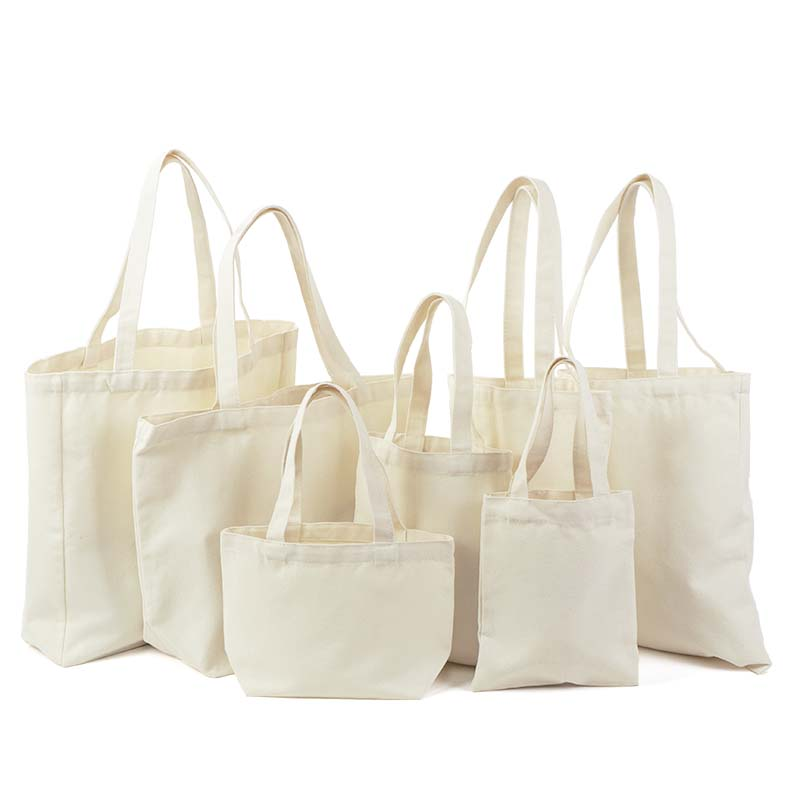
An open-top canvas tote bag is a bag with an uncovered main opening and no built-in closure across the top. Users can access the main compartment directly without unfastening a zipper, button, or other closure.
This is one of the most recognizable tote bag designs. Its straightforward construction makes it suitable for everyday carrying, shopping, promotional giveaways, and many other applications.
What Defines an Open-Top Design?
The defining feature is the unobstructed opening at the top of the bag.
Most open-top canvas totes consist of a main fabric compartment, two handles, and a top edge that remains open during use. Depending on the design, the bag may also include a bottom gusset, side gussets, inner pockets, or reinforced handles.
Some styles use a simple folded and stitched top edge, while others include a wider top hem or additional reinforcement to help maintain the opening's shape.
An open-top tote does not necessarily mean a completely basic bag. Buyers can customize its size, fabric, handles, pockets, printing, and overall structure while keeping the main compartment open.
Why Do Businesses Choose Open-Top Tote Bags?
The main appeal of an open-top design is its straightforward access.
Users can place items inside or remove them without operating a closure. This is particularly useful when the bag is used frequently throughout the day or when its contents change regularly.
For businesses, the uncomplicated opening can also make it easier to create a lightweight, practical product that works across different customer groups.
Open-top totes are often considered for:
- Promotional giveaways and trade show bags
- Shopping and reusable retail bags
- Everyday carry bags
- Event merchandise
- Lightweight corporate gifts
The design is especially relevant when the bag needs to be easy to distribute, convenient to use, and adaptable to different contents.
Common Open-Top Canvas Tote Bag Styles
Open-top totes can be developed in several forms.
Basic flat tote: A simple construction with a main compartment and handles. It is often used for promotional campaigns, lightweight merchandise, and basic shopping purposes.
Gusseted tote: A bottom or side gusset creates additional space for bulkier products. This can be useful when customers need to carry boxed goods, groceries, or several items together.
Tote with inner pockets: Internal pockets help organize smaller belongings while keeping the main compartment open. This provides additional functionality without changing the basic opening design.
Oversized tote: A larger opening makes it easier to load items such as clothing, towels, or other bulky products.
These variations show that an open-top tote can serve both simple promotional needs and more developed retail product concepts.
What Is a Zipper Canvas Tote Bag?
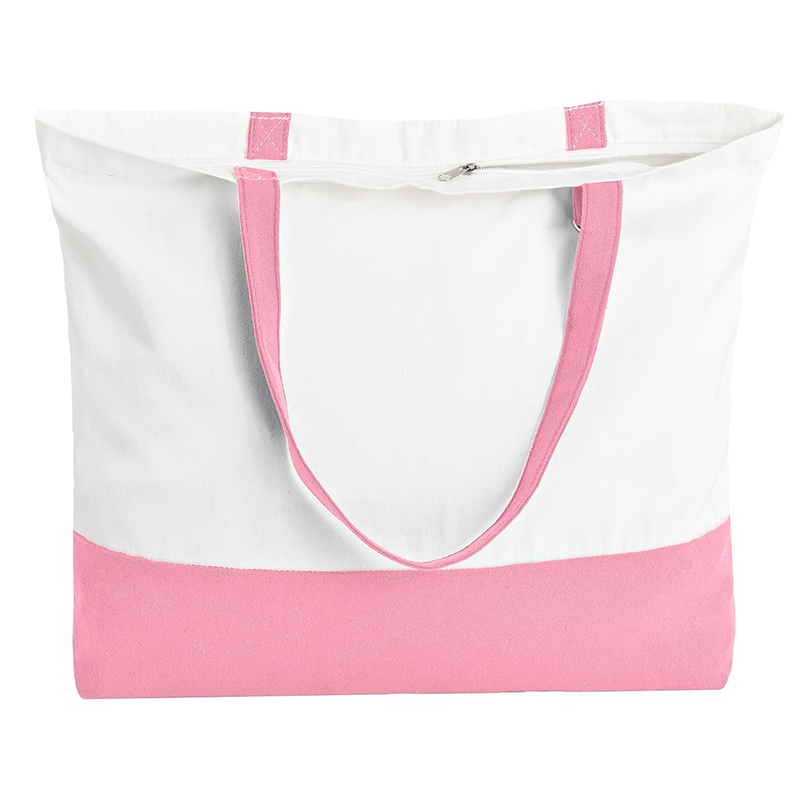
A zipper canvas tote bag is a tote with a zipper installed across some or all of its main opening. When closed, the zipper brings the two sides of the opening together, helping contain the contents inside the bag.
Unlike an open-top design, a zipper tote requires users to operate a closure before accessing the main compartment.
This additional feature can make the bag more suitable for carrying personal belongings, work essentials, travel items, or retail products that benefit from a closable compartment.
How Does a Zipper Closure Work?
A typical zipper closure consists of zipper tape, interlocking teeth or elements, and a slider that opens or closes the fastening.
In a canvas tote, the zipper is usually sewn into the upper edges of the bag. Its placement and length depend on the bag's dimensions, opening width, and intended use.
A zipper can run across nearly the entire top opening or cover only part of it. The choice affects how widely the bag opens and how easily users can reach inside.
For example, a wide zipper opening may allow users to access a larger compartment, while a shorter zipper may leave portions of the top opening uncovered.
Buyers should therefore consider the zipper's actual coverage rather than assuming that every zipper tote fully closes its contents.
Full-width top zipper
A zipper extends across most or all of the main opening.
This style is suitable when buyers want the main compartment to close more completely. It is often considered for work bags, travel totes, and everyday carry products.
Recessed zipper
The zipper is positioned slightly below the top edge, creating a more integrated appearance.
This construction can provide a neat finish and may help keep the zipper less visually prominent when the bag is viewed from the outside.
Extended zipper opening
Some designs use a longer zipper opening or a wider top construction to make access easier.
This may be useful for bags that carry larger objects or need a wider opening for loading and unloading.
Zipper with an internal pocket
A tote can combine a main-compartment zipper with a separate internal zipper pocket.
The main zipper closes the bag, while the smaller pocket provides a dedicated space for items such as keys, cards, or other small belongings.
Where Are Zipper Canvas Totes Commonly Used?
Zipper canvas totes are often considered for:
- Work and commuting bags
- Travel and weekend bags
- Retail lifestyle products
- Personal accessory collections
- Corporate gifts intended for regular use
They may also be suitable for promotional campaigns when the organizer wants to offer a more functional product than a basic open-top giveaway bag.
However, a zipper does not automatically make a tote suitable for every use. The bag's dimensions, fabric, handle construction, and overall design still need to match the intended application.
Beyond Open-Top and Zipper: Other Closure Options
There are not only these two options to choose from, but also multiple other closure methods:
Magnetic snap — a flap or top panel is held closed by magnets. Fast to operate and visually clean, but magnets add cost and can affect air-freight handling, so confirm shipping classification before choosing them for export orders.
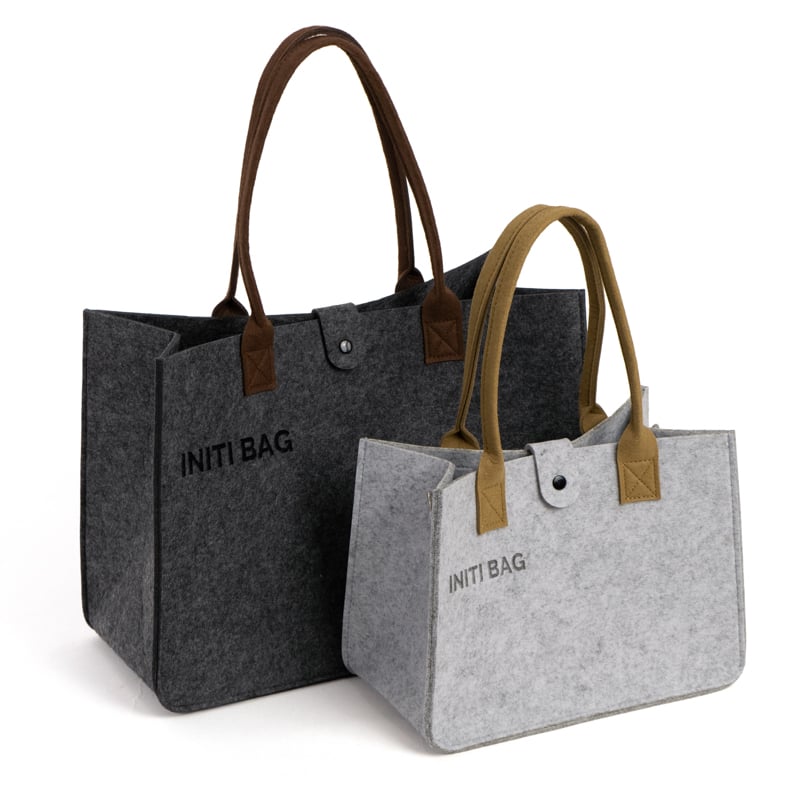
Snap button (press stud) — a metal or plastic stud on a flap or top panel. Lower cost than a zipper and quicker to operate, but it closes the opening at a single point rather than along its full width.
Drawstring — a cord closes the opening by gathering the fabric. Suitable for softer, more casual bags; less suitable for wide openings that hold rigid items.
Open-Top vs. Zipper Canvas Tote Bags: 4 Key Differences
Both designs can be made from similar canvas materials and customized with comparable colors, handles, and branding methods. The main difference lies in how the opening functions.
Access and Everyday Convenience
The opening design directly affects how users interact with the bag.
An open-top tote allows users to reach into the main compartment immediately. This can be useful when the bag is frequently opened throughout the day.
For example, a shopper carrying groceries may need to place items into the bag quickly. A conference attendee may repeatedly take out brochures, business cards, or promotional materials. In these situations, an unobstructed opening can be convenient.
A zipper tote introduces an extra step: the user must open the zipper before accessing the main compartment and close it again afterward.
That extra step may be insignificant for someone who opens the bag only occasionally. However, it can become noticeable when the bag is used repeatedly throughout the day.
The opening width also matters.
A zipper that runs across most of the top may provide a wide access point, but the zipper tape and end construction can slightly affect the usable opening. A poorly proportioned zipper can make a bag feel more restrictive than expected.
Buyer takeaway: Consider how frequently users will access the bag and whether they need to reach inside quickly. For frequent access, an open top may be more practical. For carrying items that benefit from a closable compartment, a zipper may justify the additional step.
Storage and Item Security
One of the main reasons buyers consider zipper tote bags is the ability to close the main compartment.
When a bag is carried on public transportation, placed beneath a desk, or moved through a busy environment, a zipper can help reduce the chance of items falling out through the top.
It can also make the contents less exposed than they would be in an open-top bag.
However, it is important to understand what a zipper can and cannot do.
A zipper helps close the opening, but it does not automatically make a bag theft-proof, waterproof, or completely secure. The zipper may not be lockable, and the rest of the bag may still be accessible through other openings or pockets.
An open-top tote, meanwhile, provides direct access to the contents. This can be helpful when carrying large or irregularly shaped products that are difficult to fit through a closed opening.
For example, a retailer distributing folded clothing may prefer an open tote that allows customers to place products inside without adjusting a zipper.
A zipper tote may be more appropriate for items that users want to keep contained during movement, such as notebooks, accessories, or everyday personal belongings.
Buyer takeaway: Choose a zipper when closing the main compartment is an important part of the intended user experience. Choose an open top when loading flexibility and unrestricted access matter more.
Construction and Cost Considerations
An open-top tote generally has a simpler top construction because it does not require a zipper to be installed across the main opening.
A zipper tote requires additional components and sewing operations. Depending on the design, production may involve preparing the zipper opening, attaching zipper tape, reinforcing the ends, and checking that the zipper operates smoothly.
These additional requirements can influence the final manufacturing cost.
However, there is no universal price difference between the two designs.
The cost of a custom canvas tote depends on several factors:
- Bag dimensions and fabric consumption
- Canvas material and fabric weight
- Zipper type, length, and quality
- Number of pockets and compartments
- Handle material and construction
- Printing or embroidery requirements
- Order quantity
- Packaging specifications
A small open-top tote with a large printed design may cost more than a larger zipper tote with a simple logo, depending on the materials and production requirements.
For accurate comparisons, buyers should request quotations based on the same bag dimensions, fabric specifications, order quantity, branding method, and packaging requirements.
Buyer takeaway: Compare complete product specifications rather than assuming that all open-top totes are inexpensive or all zipper totes are costly.
Compatibility with Different Products
The items a bag needs to carry should influence the opening design.
An open-top tote may be suitable for products that are bulky, frequently accessed, or irregular in shape.
Examples include:
- Folded apparel
- Promotional materials
- Shopping purchases
- Towels and lightweight accessories
- Event merchandise
A zipper tote may be more suitable for products that users prefer to keep enclosed during carrying.
Examples include:
- Notebooks and work essentials
- Personal accessories
- Travel items
- Small packaged products
- Everyday belongings
Buyer takeaway: Start with the product's dimensions, shape, and carrying conditions. Then select an opening that allows the user to load and carry those items comfortably.
The same comparison at a glance:
Feature |
Open-Top Canvas Tote |
Zipper Canvas Tote |
Access |
Immediate, no closure to operate |
One extra step every time the bag is opened or closed |
Contents exposure |
Stays open during use |
Main compartment can be closed |
Best for |
Promotional giveaways, shopping, events, bulky or frequently accessed items |
Commuting, travel, retail lifestyle products, personal belongings |
Construction complexity |
Simpler top edge |
Additional components and sewing operations |
Cost tendency |
Lower at an equal specification |
Higher at an equal specification |
Common add-ons |
Gusset, inner pockets, reinforced base |
Recessed or full-width zipper, internal zip pocket, structured base |
Main buyer risk |
Assuming "simple" means low quality |
Assuming a zipper makes the bag secure or waterproof |
Which Canvas Tote Bag Design Fits Your Business?
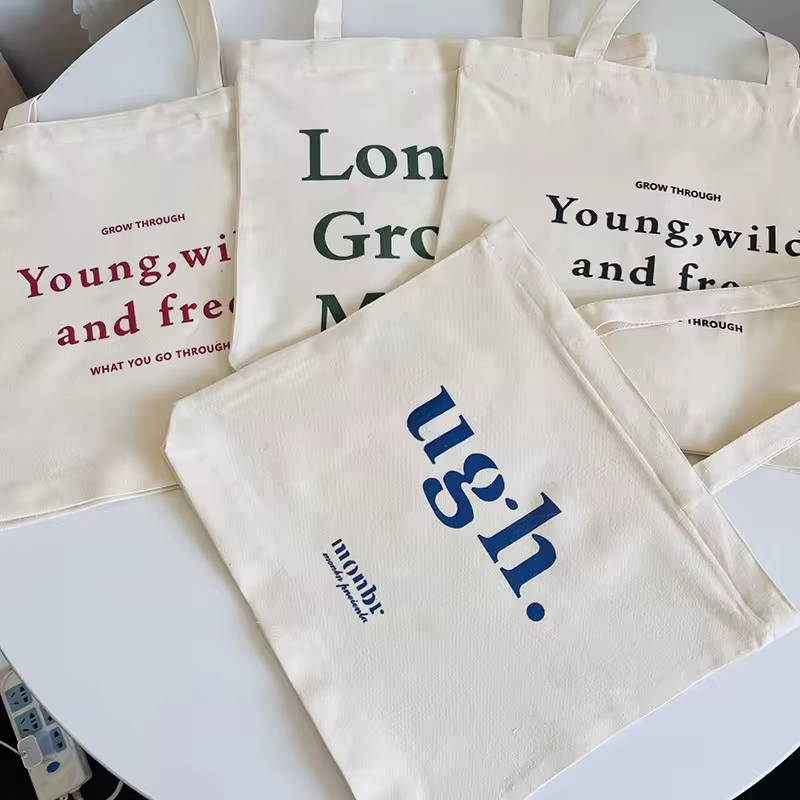
The right opening design depends not only on the end user but also on the purpose of the order.
A promotional campaign, a retail collection, and a private-label accessory line may have different requirements even when they use similar canvas tote bags.
Promotional Giveaways and Events
For promotional giveaways, an open-top tote is often a practical option.
Event organizers may need to distribute large quantities of bags containing brochures, catalogs, samples, or other materials. A straightforward opening makes the bags easy to fill and distribute.
Open-top totes can also accommodate different combinations of promotional materials without requiring users to fit everything through a zipper opening.
A zipper tote may be worth considering when the campaign is designed around a product people are likely to reuse regularly.
For example, a company giving away bags at a business event may prefer a zipper design if the intended use includes commuting or carrying personal belongings after the event.
When selecting between the two, buyers should consider whether the closure adds meaningful functionality for recipients or simply adds cost and construction complexity.
Retail and Lifestyle Products
Retail buyers should consider how the bag fits into the store's product range.
An open-top canvas tote can work well as a reusable shopping bag, casual accessory, or simple branded product.
Its design can be particularly suitable for collections that emphasize minimalism, versatility, and easy everyday use.
A zipper tote may be appropriate for retail products intended for commuting, travel, or carrying personal items.
It can also support a product concept that includes internal pockets, a structured base, or a more developed interior.
However, retailers should not assume that customers will always prefer a zipper. Some shoppers may value a wide, unrestricted opening more than a closure.
Product testing, customer feedback, and the intended price point can help retailers determine which design better fits their collection.
Corporate Gifts
Corporate gifts often need to balance usefulness, presentation, and brand visibility.
An open-top tote may suit broad employee or event gifting programs where the bag is intended for general use.
A zipper tote may be considered when the gift is intended for commuting, business travel, or regular personal use.
For example, a company preparing welcome kits for new employees may choose a zipper tote if the bag will carry notebooks, stationery, and personal belongings.
A conference organizer distributing lightweight materials may find an open-top tote more suitable for quick packing and distribution.
The decision should be based on the recipient's likely use rather than the assumption that a more complicated design always creates a better gift.
Customizing Canvas Tote Bags: Design Options and Buyer Considerations
Bag Dimensions and Opening Design
Start by identifying what the bag needs to carry.
Will it hold lightweight promotional materials, shopping items, work essentials, or personal belongings?
Will users open and close it frequently? Does it need to accommodate bulky items? Is the bag expected to remain open during use?
These questions help establish whether an open top or zipper is more appropriate.
For zipper bags, buyers should also decide whether the closure needs to cover the entire opening or only part of it.
A partial zipper may leave gaps at the sides, while a full-width zipper may require additional consideration of the bag's top construction.
The finished opening should be wide enough for the intended contents. A bag may have sufficient internal capacity but still be inconvenient if the opening is too narrow.
As a starting point for specification discussions, bag size and opening design usually move together:
Bag size (typical) |
Approx. capacity |
Opening design to consider |
Small, no gusset |
Under 10 L |
Open top, or a small recessed zipper. A full-width zipper is unnecessary at this size. |
Medium, flat |
10–15 L |
Open top if the bag works as a shopper or giveaway; zipper if it holds personal belongings. |
Medium, gusseted base |
15–20 L |
Both work. With a zipper, a recessed or full-width design keeps the opening usable. |
Large, deep gusset |
20 L and above |
Open top for bulk loading; if a zipper is required, specify a longer opening so usable access matches the capacity. |
Capacity figures are indicative and depend on the final dimensions and gusset depth you approve. Capacity and usable access are two different specifications: a bag can be large enough inside and still awkward to load if the zipper opening is too narrow.
Zipper Options and Construction
For zipper canvas totes, the zipper should be selected according to the bag's dimensions and intended use.
A zipper that is too short may restrict access or leave part of the opening uncovered. A zipper that is too long may require additional construction details at the ends.
Buyers should confirm:
- Zipper length and opening coverage
- Zipper type and appearance
- Slider design
- Zipper tape color
- Whether the zipper should match or contrast with the canvas
- Whether the opening should be fully or partially closable
The zipper should also be compatible with the bag's intended appearance and production requirements.
Zipper size is stated as a gauge number, which refers to the width of the closed teeth in millimetres. A #5 zipper measures approximately 5 mm across the closed teeth when zipped. Higher numbers mean heavier, more rigid teeth. Gauge numbers are nominal, so confirm the actual measurement with your supplier rather than selecting by number alone.
Gauge |
Closed teeth (approx.) |
Typical use on a canvas tote |
#3 |
~3 mm |
Lightweight retail and promotional totes, small openings |
#5 |
~5.5 mm |
Most common choice for standard canvas totes |
#8 |
~8 mm |
Large or heavy-duty totes, travel and work bags |
#10 |
~10 mm |
Oversized totes and heavy-load designs |
Handles, Pockets, and Additional Features
Handle design can be adjusted to match the intended carrying method.
Options may include different handle lengths, widths, materials, and attachment styles.
For zipper totes, handle placement should be coordinated with the zipper opening so that the upper section remains practical to use.
Additional structural features, such as a bottom gusset or reinforced base, may also be considered depending on the products the bag will carry.
Interior pockets can provide a place for smaller belongings, but they should be designed according to actual user needs.
For example, a tote intended for work may benefit from an internal pocket for small accessories. A simple promotional bag may not require the same level of organization.
Logo Placement and Branding
Branding should be planned alongside the opening design.
An open-top tote generally offers a straightforward front panel for printing or embroidery.
A zipper tote may require additional attention to the distance between the logo and the top edge.
If a logo is positioned too close to the zipper, it may appear crowded or interfere with the visual balance of the design.
For embroidery, buyers should also consider the fabric area available for stitching and whether the selected location is suitable for the bag's construction.
Before bulk production, the logo position should be confirmed on a sample or approved artwork that reflects the final bag dimensions.
Sample Approval and Production Requirements
A pre-production sample can help buyers evaluate the complete design before placing a bulk order.
For an open-top tote, the sample review may focus on the opening width, top-edge finishing, handle attachment, and overall proportions.
For a zipper tote, buyers should additionally check:
- Whether the zipper opens and closes smoothly
- Whether the zipper opening is wide enough
- Whether the zipper ends are properly finished
- Whether the bag closes as intended
- Whether the zipper placement matches the approved design
Buyers should also check the bag using the types of items it is intended to carry.
A sample that looks correct when empty may feel different when filled. Testing the actual use case helps confirm that the opening, dimensions, and construction work together.
FAQ
Are zipper canvas tote bags more secure than open-top bags?
A zipper helps close the main compartment and can reduce the chance of items falling out through the top. However, it does not make a bag theft-proof or completely secure.
Can you add a zipper to a canvas tote bag?
Yes. A zipper can be incorporated into a custom canvas tote design. The opening width, bag dimensions, zipper placement, and construction should be considered together.
Does adding a zipper increase the cost of a canvas tote bag?
It can increase the cost because it adds materials and sewing operations. The actual price difference depends on the zipper specification, bag design, order quantity, and other customization requirements.
Which design is more suitable for retail products?
Both designs can work for retail. Open-top totes may suit reusable shopping bags and casual accessories, while zipper totes may suit products intended for commuting, travel, or carrying personal belongings.
The choice should reflect the product's intended use, target customers, and overall design.
Conclusion
Open-top and zipper canvas tote bags serve different needs.
An open-top tote provides direct access and a straightforward design, making it suitable for shopping, promotional campaigns, events, and everyday carrying where convenience is important.
A zipper tote adds a closable main compartment, which may be useful for work, travel, retail accessories, and other applications where users want to keep their belongings contained.
For buyers, the decision should begin with the bag's intended use rather than the closure alone. Consider what the bag will carry, how frequently users will access it, and how the design fits your brand or campaign.
Related Products


 Hot News