

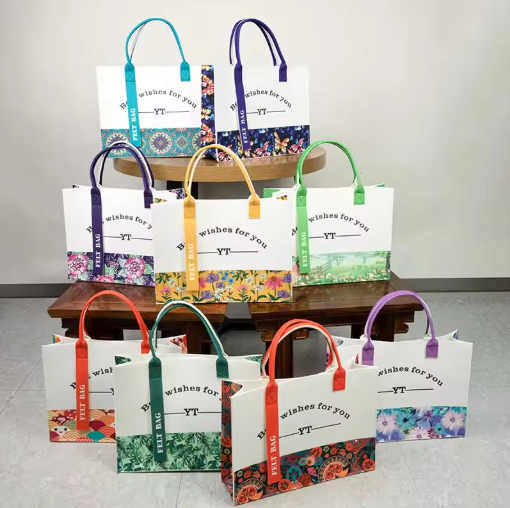
जब तपाईं एक छनौट गर्दै हुनुहुन्छ टोट झोला दैनिक प्रयोग, कर्पोरेट उपहार वा खुद्रा प्याकेजिङका लागि एक टोट ब्याग छान्दा, सबैभन्दा व्यावहारिक प्रश्नहरू मध्ये एक यो हो कि यसले कति वजन सुरक्षित रूपमा बोक्न सक्छ। एक टोट झोला लोड अन्तर्गत फेल भएको टोट ब्याग केवल असुविधाजनक नै होइन — यसले पसलहरूलाई क्षति पुर्याउन सक्छ, प्रयोगकर्ताहरूलाई दुखाउन सक्छ र ब्राण्डमा खराब प्रभाव पार्न सक्छ। लोड क्षमतालाई नियन्त्रण गर्ने कुन कारकहरू हुन् भन्ने बुझ्नाले खरिददारहरू, डिजाइनरहरू र व्यवसायहरूलाई विशिष्ट आवश्यकताका लागि टोट ब्याग छान्न वा अनुकूलित गर्न सम्झदारीपूर्ण निर्णय लिन सहयोग गर्छ।
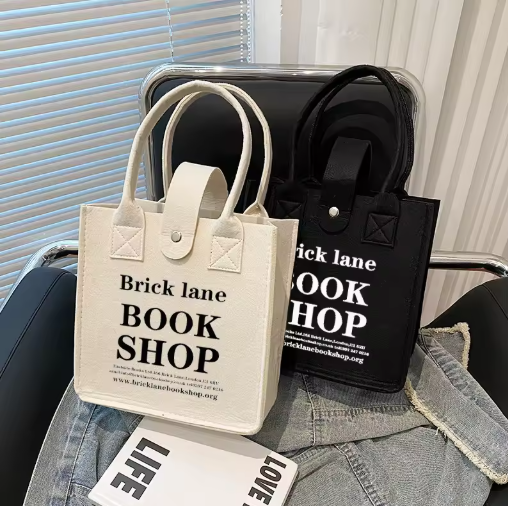
एक टोट ब्यागको लोड क्षमता टोट झोला यो कुनै एकल तत्वद्वारा कहिल्यै निर्धारित हुँदैन। यो धेरै आपसमा निर्भर कारकहरूको संयुक्त प्रभाव हो—प्रयोग गरिएको कपडा, थैली कसरी बनाइएको छ, यसको ह्याण्डलहरूको डिजाइन, मजबूतीको गुणस्तर, र थैलीको आकार पनि। यी प्रत्येक कारकहरूले थैलीमा कति धेरै तनाव सहन सक्छ भन्ने कुरामा मापन गर्न सकिने भूमिका खेल्छन्, जुन विकृत हुन, फाट्न वा टुट्नु अघि हुन्छ। यस लेखले यी सबै कारकहरूलाई विस्तारपूर्ण रूपमा विश्लेषण गर्दछ ताकि तपाईं कुनै पनि टोट थैलीको मूल्याङ्कन अधिक विश्वसनीय र सटीक ढंगले गर्न सक्नुहोस्।
सामग्रीको शक्ति र कपडाको वजन
कपडाको प्रकारले टोट थैलीको स्थायित्वमा कसरी प्रभाव पार्छ
टोट ब्याग निर्माणमा प्रयोग गरिएको कपडा उसको भार सहन क्षमतामा प्रभाव पार्ने सबैभन्दा मौलिक कारक हो। १२ औंस वा १६ औंसको सुती क्यानभास जस्तो भारी क्यानभासबाट बनाइएको टोट ब्यागले पातलो, हल्का सुती मिश्रणबाट बनेको ब्यागभन्दा धेरै बढी भार सहन गर्न सक्छ। कपडाको वजन — जुन प्रति वर्ग गजमा औंसमा मापन गरिन्छ — सिधै तन्य शक्तिसँग सम्बन्धित छ, जसको अर्थ भारी कपडाहरू दबाव अन्तर्गत फाट्ने वा खिचिने विरुद्ध प्रतिरोध गर्न सक्षम हुन्छन्। भारी प्रयोगका लागि टोट ब्याग मूल्याङ्कन गर्दा, कुनै पनि अर्डर दिनु अघि सधैं सामग्रीको विशिष्टता पुष्टि गर्नुहोस्।
कपासको क्यानभासभन्दा बाहिर, टोट ब्याग निर्माणमा प्रयोग हुने अन्य सामान्य सामग्रीहरूमा गैर-बुनेको पोलिप्रोपिलिन, जुट, पुनःचक्रीकृत पीईटी, र लैमिनेटेड कपडा समावेश छन्। प्रत्येक सामग्रीको आफ्नै तनाव सीमा हुन्छ। उदाहरणका लागि, बुनेको पोलिप्रोपिलिनबाट बनाइएको टोट ब्यागले धेरै भार सहन सक्छ, तर यसले क्यानभासको टोट ब्यागको जस्तै राम्रो निर्माण गरिएको संरचनात्मक कठोरता प्रदान गर्न सक्दैन। कुनै पनि कपडाको बुनाइ घनत्व पनि महत्त्वपूर्ण हुन्छ — घना बुनाइले प्रति इन्चमा धेरै धागाको सम्पर्क बढाउँछ, जसले फाड विरोधी क्षमता र समग्र टोट ब्यागको टिकाउपन बढाउँछ।
जीएसएम रेटिङ एक प्रायोगिक भार संकेतक
गैर-बुनिएको र बुनिएको टोट ब्याग निर्माणमा, जीएसएम — प्रति वर्ग मिटर ग्राम — कपडाको घनत्व मापने एक मानक माप हो। उच्च जीएसएम रेटिङ भएको टोट ब्यागले सामान्यतया राम्रो भार बोक्ने क्षमता प्रदान गर्दछ। ८० जीएसएमको टोट ब्याग हल्का प्रचारात्मक प्रयोगका लागि उपयुक्त हुन्छ, जबकि १२० जीएसएम वा त्यसभन्दा माथिको टोट ब्याग ग्रोसरी, खुद्रा वा व्यापार प्रदर्शनी जस्ता अनुप्रयोगहरूका लागि राम्रो छ जहाँ भारी सामानहरूको अपेक्षा गरिन्छ। टोट ब्याग अर्डर गर्दा जीएसएम निर्दिष्ट गर्नु अनुकूलित उत्पादनलाई ठीक तरिकाले निर्धारित प्रयोगको अनुरूप बनाउँदछ।
ह्याण्डलको डिजाइन, संलग्नता र पुनर्बलियन
ह्याण्डलहरू किन अत्यधिक संवेदनशील बिन्दु हुन्छन्
टोट ब्यागका ह्याण्डलहरू सामान्यतया भारी भारको तलमा पहिलो क्षणमै विफल हुने गर्दछन्। टोट ब्यागको शरीरमा ह्याण्डलहरू कसरी जोडिएका छन् भन्ने कुरा ह्याण्डलको सामग्रीभन्दा पनि महत्त्वपूर्ण हुन्छ। केवल बाहिरी शेलमा मात्र सिउँदा रहेका ह्याण्डलहरू, जुन कुनै पनि प्रकारको सुदृढीकरण बिना हुन्छन्, घनी वा भारी वस्तुहरूले भरिएको टोट ब्यागमा फाटेर छुट्ने सम्भावना हुन्छ। आधारसम्म पुग्ने ह्याण्डलहरू — जुन पूर्ण लम्बाइ वा तल-लुप ह्याण्डलको रूपमा चिनिन्छन् — भारलाई धेरै ठूलो सतह क्षेत्रमा वितरण गर्दछन्, जसले भार सहन सक्ने क्षमतालाई काफी बढाउँदछ।
ह्याण्डलहरू सँग जोड्न प्रयोग गरिएको सिलाई पैटर्न पनि महत्वपूर्ण भूमिका खेल्छ। एउटा टोट ब्याग जसले ह्याण्डल सँग जोड्ने बिन्दुमा बक्स-सिलाई वा क्रस-सिलाई प्रबलन प्रयोग गर्छ, त्यो साधारण रेखीय सिलाई भएको ब्यागभन्दा धेरै राम्रोसँग खिचाइ बल सहन गर्छ। व्यावसायिक वा उच्च प्रयोगका वातावरणका लागि टोट ब्याग मूल्याङ्कन गर्दा, नमूना अनुरोध गर्नुहोस् र ठूलो मात्रामा अर्डर दिनुअघि ह्याण्डल सँग जोड्ने भागको शारीरिक परीक्षण गर्नुहोस्। राम्रोसँग प्रबलित टोट ब्यागको ह्याण्डलमा दोहोरिएको तनावको सामना गर्दा पनि ढिलो हुने कुनै संकेत देखिनु हुँदैन।
ह्याण्डलको चौडाइ र सामग्री संरचना
टोट ब्यागको ह्याण्डलको चौड़ाइले आराम र संरचनात्मक प्रदर्शन दुवैमा प्रभाव पार्छ। सानो ह्याण्डलले छोटो सम्पर्क क्षेत्रमा दबाव केन्द्रित गर्छ, जसले जोड गरिएका सिमहरूमा फाट्ने जोखिम बढाउँछ। विस्तृत टोट ब्यागको ह्याण्डलले बललाई अधिक समान रूपमा वितरण गर्छ र उही भार तल असफल हुने सम्भावना कम हुन्छ। कपासको वेबिङ, नाइलनको वेबिङ र मरोडिएको रस्सी आम तौरमा प्रयोग गरिने ह्याण्डलका सामग्री हुन्, जसमा प्रत्येकले विभिन्न लचीलापन र शक्ति प्रोफाइल प्रदान गर्छ। पुस्तकहरू, फाइलहरू वा बोतलमा भरिएका पदार्थहरू बोक्नका लागि डिजाइन गरिएको टोट ब्यागका लागि, विस्तृत कपासको वेबिङ ह्याण्डल प्रायः आराम र क्षमताको दृष्टिले सबैभन्दा सन्तुलित विकल्प हुन्छ।
निर्माण गुणस्तर र संरचनात्मक डिजाइन
सिम निर्माण र गसेट प्रभाव
टोट ब्यागको आन्तरिक निर्माण — विशेष गरी यसको सिम गुणस्तर र गसेट डिजाइन — ले यसले कति राम्रोसँग आकार कायम राख्छ र भार सहन गर्छ भन्ने मा सिधै प्रभाव पार्छ। एउटा टोट ब्याग जसको तल्लो सिम मजबूत बनाइएको हुन्छ, त्यो भारी बोक्ने काममा तल्लो भाग विकृत वा फुट्न नदिएर राम्रोसँग काम गर्छ। टोट ब्यागको सम्पूर्ण शरीरमा डबल-स्टिच्ड सिमहरू थप्दा अतिरिक्त सुरक्षा प्रदान गरिन्छ, जसले गर्दा एउटा सिम लाइन कमजोर भएमा पनि अर्को लाइनले संरचनालाई जोडेर राख्छ। यो विशेष गरी खुद्रा, किराना वा डेलिभरी जस्ता क्षेत्रहरूमा प्रयोग हुने टोट ब्यागका लागि महत्त्वपूर्ण छ जहाँ बोकिएका सामानहरू परिवहनको क्रममा हल्लिन्छन्।
गसेटहरू — तिर र तल्लो प्यानलहरू जसले टोट ब्यागलाई त्रिआयामी आकार दिन्छन् — ले पनि भार क्षमतामा योगदान पुर्याउँछन्। चौडो आधार गसेट भएको टोट ब्यागले सिमहरूमा अत्यधिक बाहिरी दबाव नपारी धेरै मात्रामा वस्तुहरू समाएको हुन्छ। यो डिजाइनले टोट ब्यागको तिरहरूमा फाट्ने कारण बन्ने पार्श्व तनाव घटाउँछ। ठूला वा अनियमित आकारका वस्तुहरू बोक्न खोज्ने व्यवसायहरूका लागि, राम्रो डिजाइन गरिएको गसेट संरचना भएको टोट ब्याग छान्नु एउटा व्यावहारिक र विश्वसनीय समाधान हो।
आन्तरिक लाइनिङ र प्रबलीकरण
कतिपय टोट ब्यागका डिजाइनमा आन्तरिक लाइनिङ समावेश गरिएको हुन्छ जसले संरचनात्मक समर्थनको दोस्रो स्तर थप्छ। लाइन गरिएको टोट ब्यागले सामान्यतया अनलाइन भर्सनभन्दा बढी स्यागिंग प्रतिरोध गर्छ, किनभने आन्तरिक स्तरले बोकिएको भारको तल टोट ब्यागलाई आफ्नो आकार कायम राख्न मद्दत गर्छ। तीव्र किनारा भएका वस्तुहरू—जस्तै फाइलहरू, औजारहरू वा प्याकेज गरिएका सामानहरू—बोक्ने प्रयोगका लागि आन्तरिक लाइनिङले बाहिरी शेललाई छिद्र वा घाँसोबाट सुरक्षा प्रदान गर्छ। टिकाउ लाइनिङ भएको सुदृढीकृत टोट ब्याग लामो समयसम्म चल्ने र कार्यात्मक विश्वसनीयतामा जोर दिने ब्राण्डहरूका लागि एउटा उत्तम लगानी हो।
प्रश्नोत्तर
एकदम सामान्य कपासको टोट ब्यागले कति औसत वजन बोक्न सक्छ?
मानक सुत्ती कपासको क्यानभास टोट ब्यागले सामान्यतया कपडाको वजन, ह्याण्डलको निर्माण र सिमको गुणस्तरमा निर्भर गरी ५ देखि २० किलोग्राम सम्मको भार सहन गर्न सक्छ। प्रचारका लागि डिजाइन गरिएको हल्का टोट ब्यागले लगभग ५ देखि ८ किलोग्राम सम्मको भार सहन गर्न सक्छ, जबकि मजबुत क्यानभास टोट ब्याग जसमा प्रबलित ह्याण्डल र सिलाइ छ, सुरक्षित रूपमा १५ देखि २० किलोग्राम सम्मको भार बोक्न सक्छ। भारी प्रयोगका लागि टोट ब्याग प्रयोग गर्नु अघि सधैं यसलाई वास्तविक भार अवस्थामा परीक्षण गर्नुपर्छ।
मुद्रण वा कस्टमाइजेसनले टोट ब्यागको भार सहन क्षमतामा कुनै प्रभाव पार्छ?
धेरै अवस्थामा, स्क्रिन प्रिन्टिङ वा हिट ट्रान्सफर जस्ता मानक प्रिन्टिङ विधिहरूले टोट ब्यागको लोड क्षमतामा कुनै उल्लेखनीय प्रभाव पार्दैनन्। तथापि, पातलो टोट ब्यागमा भारी एम्ब्रोइडरी गर्दा स्थानीय तनाव बिन्दुहरू सिर्जना हुन सक्छन् जसले समयको साथ फ्याब्रिकलाई कमजोर बनाउँछ। यदि टोट ब्यागमा व्यापक एम्ब्रोइडरी वा ठूलो प्रारूपको प्रिन्टिङ आवश्यक छ भने, संरचनात्मक अखण्डता कायम राख्न भारी आधार फ्याब्रिक छान्नु उपयोगी हुन्छ। एउटा राम्रोसँग निर्मित कस्टम टोट ब्यागले ब्राण्डिङ आवश्यकताहरू र कार्यात्मक स्थायित्वको सन्तुलन कायम राख्छ।
थोकमा अर्डर गर्नु अघि म टोट ब्यागको लोड क्षमता कसरी पुष्टि गर्न सक्छु?
टोट ब्यागको लोड क्षमता पुष्टि गर्ने सबैभन्दा विश्वसनीय तरिका भौतिक नमुना अनुरोध गर्ने र सरल तनाव परीक्षणहरू सञ्चालन गर्ने हो — टोट ब्यागमा हातो, सिम, वा आधारमा तनावको संकेत देखिने सम्म धीरे-धीरे वजन थप्दै जाने। आपूर्तिकर्ताबाट कपडाको वजन, जीएसएम (GSM), हातो जोड्ने विधि, र टाँकाको घनत्व सहितका पदार्थ विशिष्टताहरू सोध्नुहोस्। एउटा प्रतिष्ठित टोट ब्याग आपूर्तिकर्ताले यो तकनीकी जानकारी स्पष्ट रूपमा प्रदान गर्न सक्नुपर्छ। समान लोड अवस्थामा नमुनाहरूलाई पार्श्ववत् तुलना गर्दा तपाईंलाई किन्ने निर्णयको लागि सही र व्यावहारिक आधार प्राप्त हुन्छ।