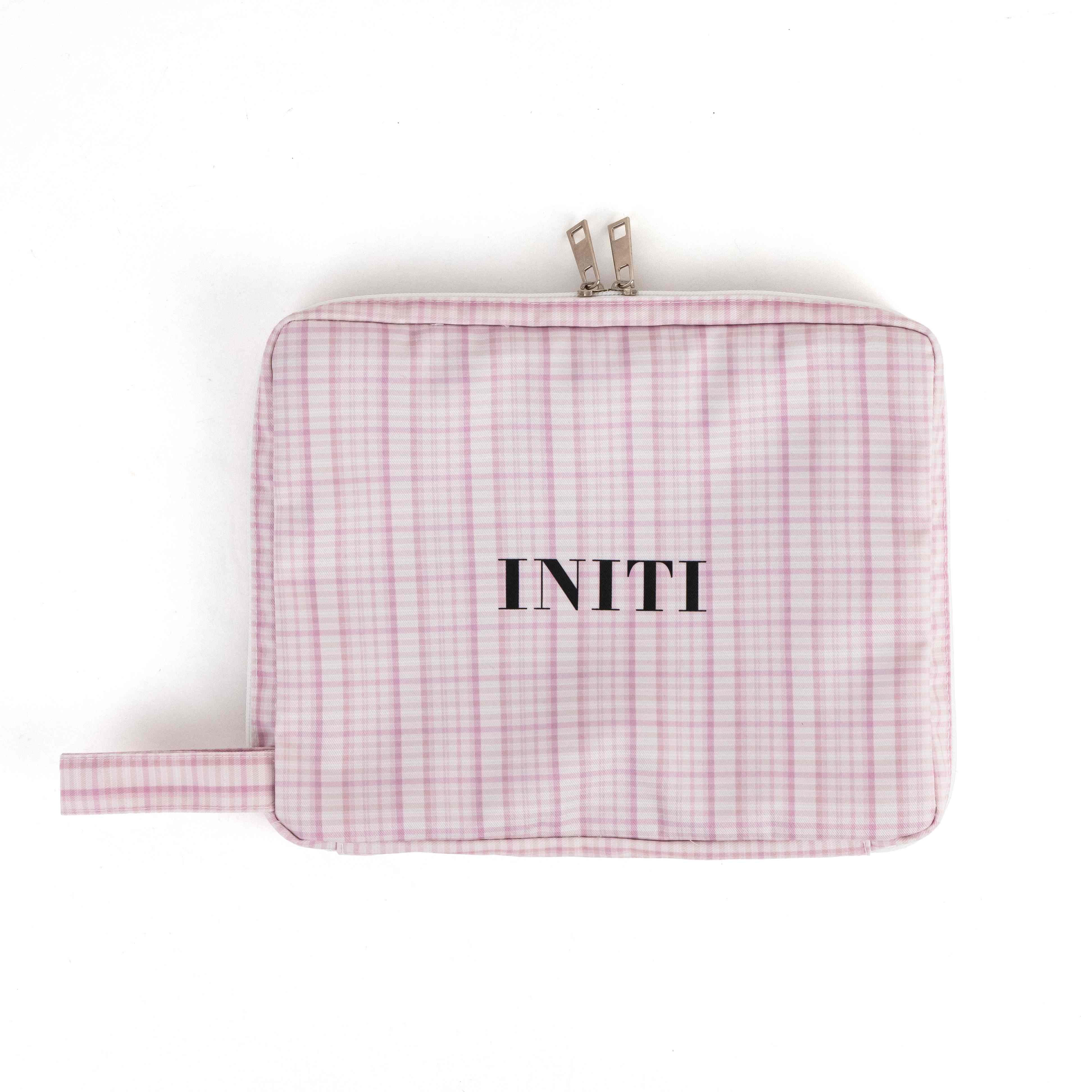
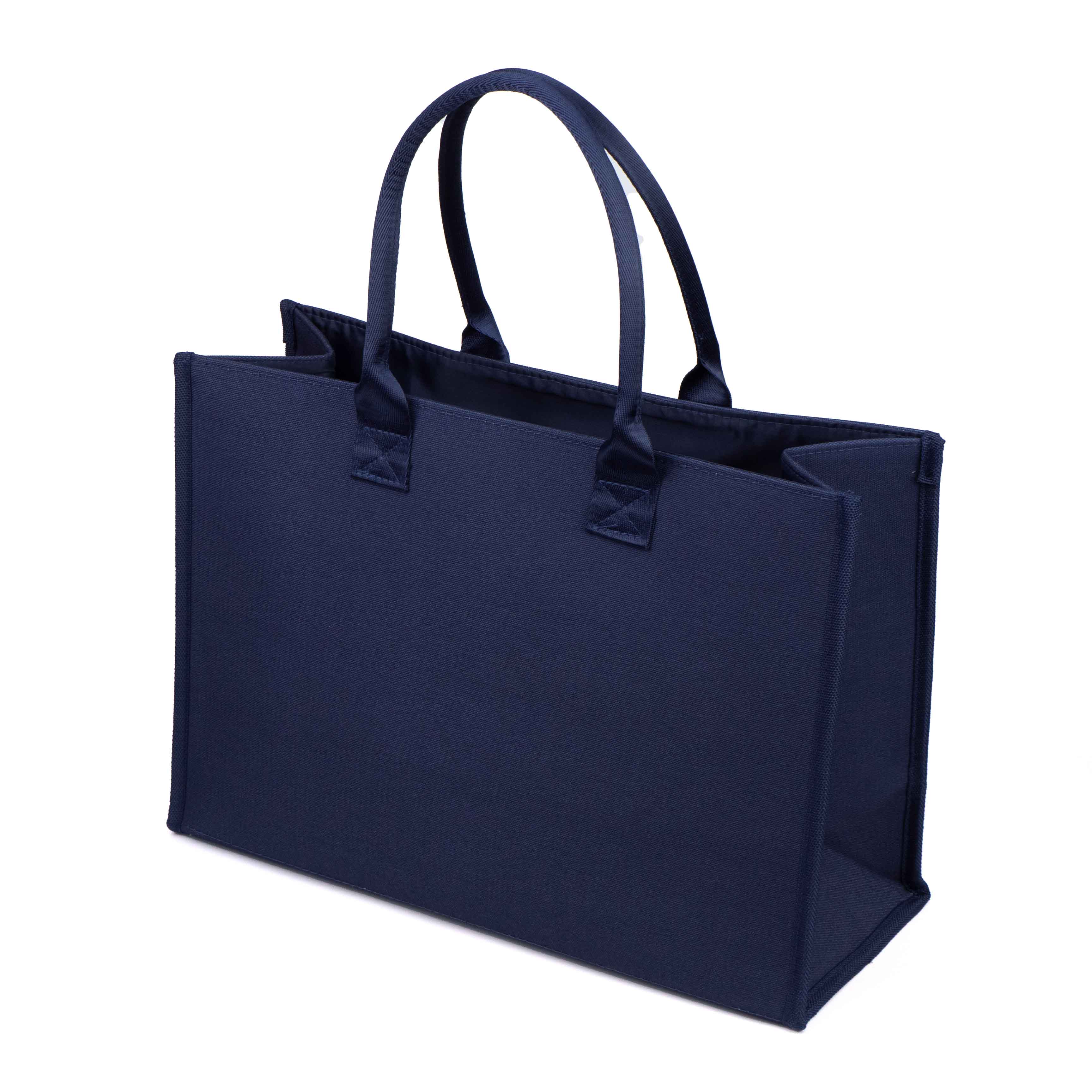
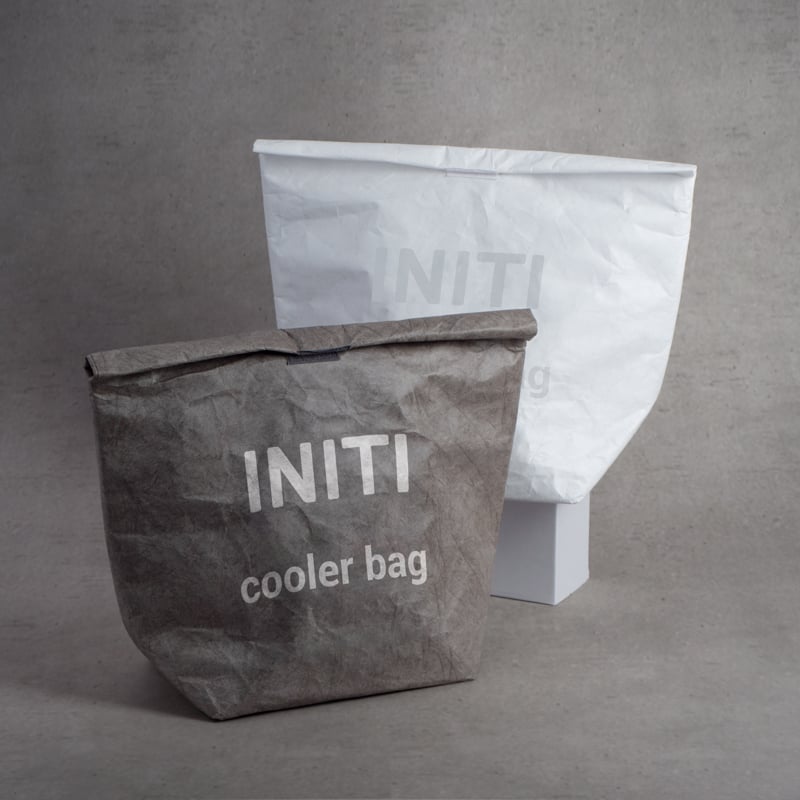
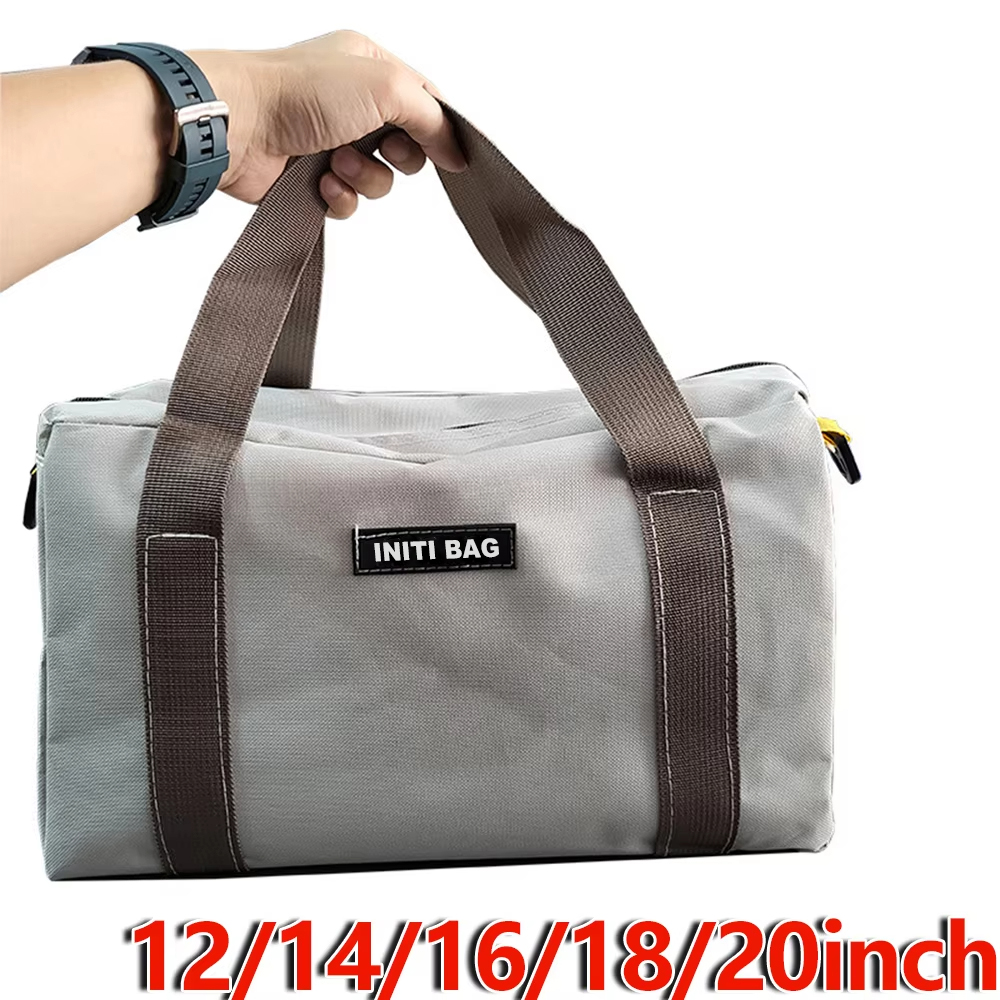
Поједине купоне за паковање
Покривене торбе могу да претворе паковање у део искуства производа.
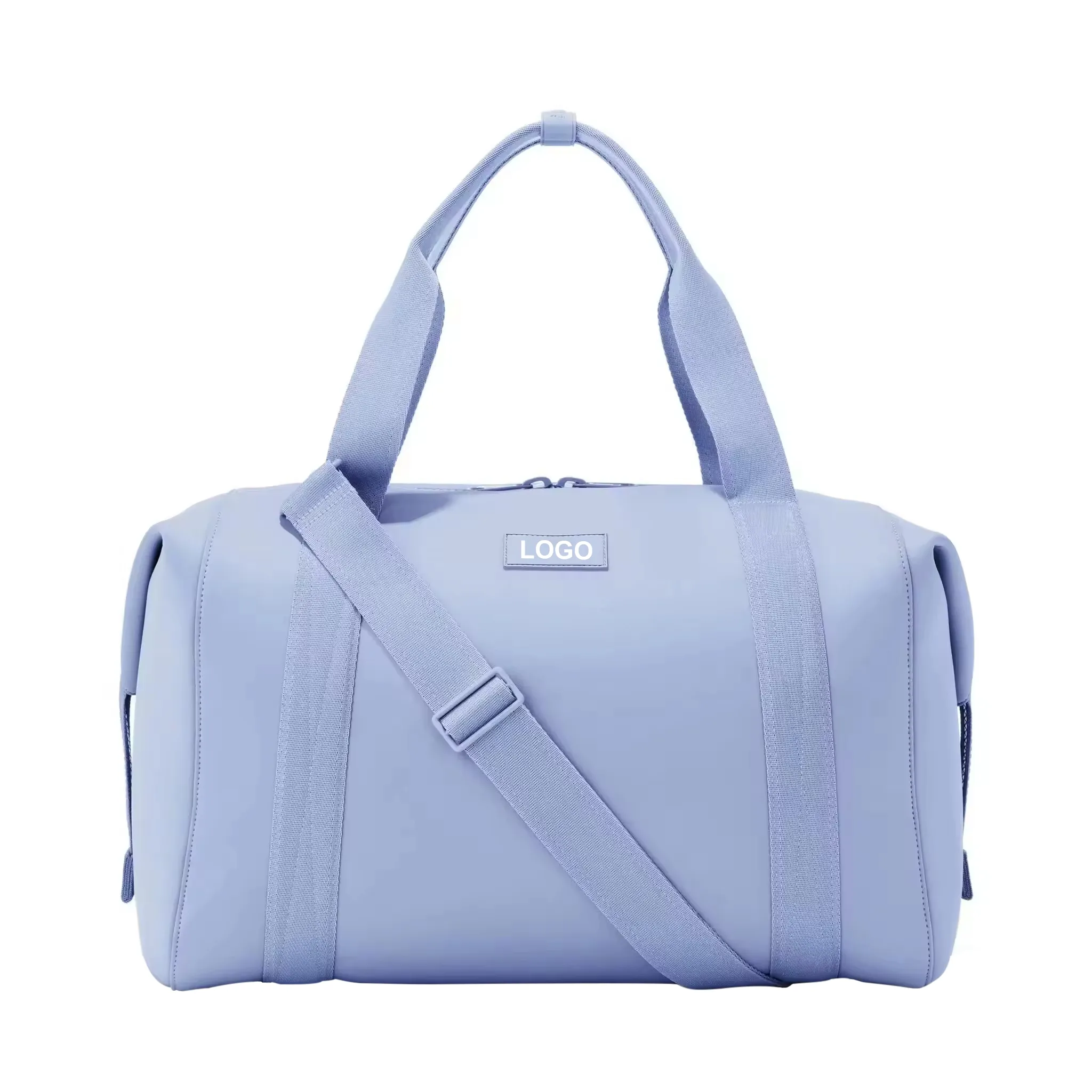
Уместо да користе наружни пакет за једнократну употребу само да би купили кући, брендови за начин живота могу користити пудрена торбе, козметичке торбе и меке кутије за паковање производа док купачима дају нешто што могу наставити да користе касније.
То чини да су куверте погодне за комплетне поклоне за лепоту, колекције за бленз, модну малопродају, сезонске поклоне, програме претплате, корпоративне поклоне и производе за животну стил приватне марке.
ИНИТИ подржава обичај развој кувертених торбица од материјала и избора куверте кроз узорке, брендинг, масовно производњу и малопродају паковања.
- Величина торбе, структура и образац кувилтинга
- Полиестер, најлон и опције тканина специфичних за пројекат
- Покривање, облогање, ципер и прилагођавање џепа
- Печат логотипа, вешање, тканине етикете и пластире
- Паковање са приватним ознакама и паковање спремно за малопродају
- Развој узорка пре масовне производње
Зашто користити ковчеге као паковање за живот?
Традиционална паковања обично имају једну главну сврху: заштиту и презентацију производа док не стигне до купца.
Покривена торба може истовремено обављати неколико улога:
Опаковање
Он организује козметику, одећу, додатке, производе за добробит или поклоне у један координирани сет.
Презентација бренда
Текстура тканине, образац ковлетне, боје, етикете и хардвер могу комуницирати мекији и оријентисанији на начин живота идентитет бренда.
Додатна вредност производа
Сама торба постаје део поклона, а не само контејнер.
Продолжена употреба
Након што се оригинални производи уклоне, купци могу поново користити торбу за куповину, путовања, козметику, рад или свакодневно складиштење.
За брендове, то може оправдати већи буџет за паковање када торба директно доприноси доживљавању вредности производа и континуираној експозицији бренда.
Међутим, паковања од капуца нису аутоматски прави избор за сваки пројекат. Обично укључује више материјала и процеса шијања од основне памучне торбе или равне промотивне торбе, тако да би га купци требали користити када додатна текстура, структура и вредност поновног коришћења подржавају позиционирање производа.
Прикладни брендови и програми за малопродају
Косметичке вреће са кувертом и капсети са падором погодни су за паковање:
- Сетови за негу коже
- Колекције шминке
- Алат за лепоту
- Производи у величини за путовање
- Сетови за поклоне у сезони
- Инфлуенсер или ПР комплети
Мека конструкција може створити завршну презентацију од једноставне равне торбе.
За пројекте лепоте, купци треба да обрате посебну пажњу на облоге, квалитет ципела, унутрашњо чишћење, димензије торбе и да ли су производи потребни делионице или еластични држачи.

Мадирана продаја моде и животног стила
Модни и животни стил брендова могу користити куветне торбе или торбе за пуффер за:
- Програм за поклоне са куповином
- Сезонске колекције
- Кампање за отварање продавница
- Подаци члановима
- Производи са приватним ознакама
- Сарџајне колаборације у ограниченим издањима
Покривена торба може визуелно повезати са одећом, додацима и меким кућним производима природније од конвенционалне промотивне упаковке.
Уместо штампања веома великог логотипа, многи пројекти живота имају користи од мањих квасања, тканих етикета, петша или тоналног брендинга.
Колекције за здравље и самопочивање
Велнес брендови могу комбиновати квилтене вреће са:
- Прутки
- Бригу о кожи
- Приклади за спавање
- Производи за ароматерапију
- Физнес додаци
- Путнички производи
- Предмеће за личну негу
Меки подложени материјали посебно су добри када је позиционирање бренда мирно, удобно или премиум.
Координирана торба и мања торба такође могу створити комплетан систем поклона без потребе за сложеном крутом кутијом за поклоне.
Подаци од компаније и запослених
Покривена торба или пудрена торба за путовање могу се развити за:
- Uključivanje novih zaposlenih
- Подаци за празнике
- Ценење купца
- Скупштине за пословне путовања
- Програми за добробит
- Подаци за ВИП конференције
За корпоративне пројекте, неутралне боје и суптилни брендинг обично олакшавају поновно коришћење производа изван оригиналног догађаја.
Сезонска и празнична паковања
Покривене торбе су посебно погодне за сезонске програме где упаковању треба јачи осећај поклона.
Апликације могу укључивати:
- Коледњи сетови за поклоне
- Програме за Дан мајки
- Валентинске кампање
- Колекције поклона за добробит
- Промоције зимне животе
- Подељни поклони за лојалност
Брендови могу задржати исту конструкцију торбе док мењају боје, етикете, облоге или уметничка дела за различите сезоне.
Ово помаже да се одржи препознатљива платформа производа, а истовремено се смањује непотребан редизајнер.
Препоручени формати кувертиране вреће
| Формат вреће |
Одговарајући Примена |
Главни разлог за куповину |
| Ковчег за терет |
Модна малопродаја, поклони са куповином, велнес сетови |
Величина торбе, чврстоћа ручке, стабилност у покривању |
| Пуфер Оулдер Тоте |
Лифстејл производи, малопродајне колекције, корпоративни поклони |
Дебљина падирања, ципер, унутрашња структура |
| Козметичка торба |
Сет за поклоне за лепоту и негу коже |
Облицање, отварање ципера, унутрашњи корисни капацитет |
| Пулстеран путни плик |
Велнес, путовања и корпоративни поклони |
Компактна величина, организација и ефикасност паковања |
| Подарочна врећа од капуте |
Сезонски поклони и пакети производа |
Презентација, брендинг и вредност поновне употребе |
| Тоте + одговарајући сет за џеп |
Премиум малопродајне и животни колекције |
Уједностављена тканина, боја и квилтенинг преко производа |

Разумевање конструкције купона
Покривена торба обично се састоји од неколико слојева, а не од једног комад тканине.
Типична структура може укључивати:
Изванска тканина
Обезбеђује видљиву боју, текстуру и перформансе површине.
Пулдинг или пуњење
Створи меки или пуфран изглед и утиче на дебљину и облик.
Задрживачки или стабилизациони слој
Може се користити у зависности од методе за ковлет и потребне структуре.
Унутрашња облога
Покрива унутрашњу конструкцију и ствара чистији завршен ентеријер.
Ови слојеви се зашију заједно како би се створио узорак пре или током монтаже вреће, у зависности од методе производње.
Као резултат тога, кувертиране вреће захтевају више контроле на спецификацијама од једноставних врећа од равне тканине.
Избор стила компета
Узорак за ковлет снажно утиче на визуелни идентитет готовог производа.
Уобичајене смернице могу укључивати:
Дијамантни квилтинг
Класичан узор погодан за модну, лепу и поклон колекције.
То ствара структуран изглед и добро функционише са једноставним бојама.
Квадратна или решетка
Обезбеђује чистији и савременији изглед.
Може одговарати брендима за бленз, туристичким додацима и колекцијама минималистичког начина живота.
Хоризонтални или вертикални квилт
Корисно када бренд жели једноставнију површину са мање визуелне комплексности.
Веће секције буфера
Веће подуплете секције стварају мекији, обилнији изглед који се често повезује са модерним капкама у облику пуффора или облака.
Узори за куполе
Узори линије за одређене пројекте могу се развити, али повећавају сложеност узорка и производње.
Дизајн квилтинга треба да се одабере у складу са позиционирањем производа, количином и буџетом, а не додавањем сложености само за декорацију.
Дебљина и облик вреће
Више пушивања не значи аутоматски бољу торбу.
Тнак начин пушивања обезбеђује:
- Мања запремина паковања
- Чишће преклапање
- Лакша тежина
- Повеће контролисане трошкове
Дебљи подлогање ствара:
- Вид јаче пуфлице
- Нежније осећање руке
- Више визуелне гласности
- Виши запремину паковања и складиштења
Правилна дебљина зависи од тога да ли је торба намењена првенствено као паковање, роба или функционална дневна торба.
На пример, козметичкој врећи може бити потребно само умерено попуњавање, док би већој пуфлици можда требало довољно попуњавања да би задржала намењену силуету.
Узорак треба проценити и након пуњења и компресије, јер се куповице могу разликовати након превоза или паковања у картон.

Избор правог спољашњег тканина
Полиестер
Полиестер се обично користи за куветне торбе за живот, јер је лаган, прилагодљив и доступан у многим завршним облицима површине.
То ради за:
- Пафлори
- Козметичке торбе
- Сатнице за путовање
- Подаци за промоцију
- Скупштине за начин живота
Нилон
Најлон може пружити глатки, лаганији и техничнији изглед.
Погодан је за модно оријентисане и путовање фокусиране на куветне производе.
Када је потребна отпорност на воду, тачна конструкција тканине и премаз треба да се потврде, а не да се претпоставља да се перформансе заснивају само на речи најлон.
Опције за прилагођене тканине
За пројекте са приватним ознакама, алтернативне тканине могу се проценити у складу са жељном текстуром, захтевом за штампањем, процесом квилтинга и циљном ценом.
Материјал треба испитивати као комплетну структуру са кувертом, јер се иста спољна тканина може разликовати након пушивања, шивања и прања или руковање.
Брендинг на покривеним површинама
Површина са кувертом није једнака као у традиционалним ткивима, тако да је постављање лого треба више планирати.
Изгртање
Ембридерство добро функционише за многе одељке оријентисане на начин живота јер ствара премијум изглед на бази текстила.
Међутим, велике области вешања могу да стисну облачење или искриве покривену површину.
Плетене етикете
Ткане етикете су практична опција за мање, непредметно брендирање.
Они се могу поставити на предњу панелу, бочни шваб или подручје ручке.
Плочиће од тканине или гуме
Патчеви стварају дефинисану зону брендинга без потребе да се логотип штампа директно преко квилтинга.
Скрин или топлотна прелазна штампања
Печат може бити могућ у зависности од површине тканине и конструкције квилтинга.
За веће графике, купци треба да потврде да ли се штампање треба одвијати пре квилтинга или на готовој панели.
Заједнички завучници за ципеле и опрема
Мали брендови додатака могу ојачати визуелни идентитет без додавања великог лого на тело торбе.
За многе брендове са животном стилом, комбиновање мале етикете са координисаним бојама и хардвером ствара више малопродајних оријентисаних резултата него прекомерно промотивно брендирање.
Развој координисаног колекције паковања
Једна предност компремације је да се исти визуелни језик може проширити на неколико производа.
На пример, колекција начина живота може укључивати:
Велики тот са одељом
Користи се као главни поклон или торба за малопродају.
Средња козметичка врећа
Користи се за козметичке производе или туристичке додатке.
Мали торбић са ципером
Користи се за узорке, накит или мале личне ствари.
Коришћење исте спољне тканине, узора за кувилтинг, боје облоге и обраде логотипа преко ових производа ствара координисану колекцију.
Купци такође могу да разликују производе по величини или боји без редизајна сваке компоненте.
Овај приступ може бити користан за брендове који развијају:
- Добар / бољи / најбољи ниво производа
- Цветне колекције
- Подаци са различитим нивоима цене
- Ретајл и промотивне верзије
- Онлине и физички продавнице
Опаковање производа у врећу
Када се куповина од куповина користи као паковања, њене димензије треба да буду развијене око стварних производа у њој.
Купачи треба да пруже:
- Производ димензије
- Број ставки
- Тежина производа
- Потребан аранжман
- Умјештајне картице или каталози
- Ткива или унутрашња упаковања
- Додатни додаци
- Малиотрговачка спољашња паковања
Ако је торба превише велика, може изгледати да је подарок мало напуњен.
Превише мала врећа може да стисне производе, искриви структуру одеће или отежа затвор.
Стога је потребно потврдити исправну величину тако што се узорак по могућности напуни стварним производима.
Разматрања трошкова
Покривене вреће обично укључују више корака производње него основне тканине.
На трошкове могу утицати:
- Изванска тканина
- Материјал за пудинг и дебљина
- Узорак за прекривање
- Линеринг
- Димензије вреће
- Број џепова
- Specifikacija zatvarača
- Подизајни рад
- Метода логотипа
- Хардвер на прилагођен начин
- Индивидуална паковања
- Број боја
Купци могу да контролишу трошкове без уклањања сржног одељка.
Практични приступи укључују коришћење једног узорка за кувилтинг широм колекције, избор стандардног хардвера за ципер, смањење непотребних џепова и делење боја тканине између неколико стилова торби.
За велике програме поклона, једна конструкција базе се такође може поново користити са различитим тканиним етикетама или упаковним додацима.
MOQ Разматрања
Покривене вреће могу створити већи притисак на МОК-у од једноставних равних врећа јер пројекат може укључивати прилагођену тканину, пушило, кувилтинг, обложу, везивање и додатке.
МОК може се повећати када купац тражи:
- Плочице за боју
- Ексклузивни обрасци за ковлет
- Многе боје тканине
- Печатени облога
- Посебне боје ципера
- Хардвер на прилагођен начин
- Више величина
- Комплексна малопродајна паковања
Купци који желе да смањију ризик од почетног инвентара могу почети са залихама или обично доступним материјалима, једним обрасцем ковлинга и мање опција боја.
Након првог производње, додатне боје или структуре могу бити уведене на основу продаје.
Ризици квалитета које купци треба да провере
Покривене вреће имају неколико квалитетних тачака које треба потврдити током узорка и инспекције насипа.
Уравњавање куверта
Редови или обрасци треба да остану конзистентни на видљивим панелима.
Неисправна прекрива може учинити да нека некафнија торба изгледа нижег квалитета.
Дистрибуција пудинг
Пуњење треба да остане прилично равномерно.
Неравномерна пушица може створити танке области, грудице или неисторан површински запремину.
Усаглашавање панела
Када се ковлет настави преко шавова или џепова, купац треба да утврди да ли је потребан визуелни поравнај.
Савршену линију може повећати захтев за сечење и потрошњу тканине.
Навршене кости и резе
Дебљи павиљци могу створити масивост у угловима и швом.
Узорак треба проверити на буцање, откривено пуњење и неравномерно везивање.
Уградња ципера
Зимски зубар који је причврштен за густине треба да се лако отвара без прекомерног ухвати тканине око зуба.
Ојачање ручке
Ручеви се морају причврстити у складу са очекиваном тежином натезања, а не само на мекоћу падиране тканине.
Позиција логотипа
Покривене линије могу утицати на визуелни центар логотипа.
Постављање лого треба одобрити на стварном узорку, а не само на плоској дигиталној фајлу за уметничку уметност.
Опоравак паковања
Пафлоне вреће могу бити компресиране током превоза.
Купци треба да прегледају како се производ опоравља након распаковања и да ли малопродајна презентација захтева мање компресиране паковање.
Процес развоја узорка
1. у вези са Определите улогу паковања
Потврдите да ли је торба углавном поклона, малопродајна роба или и једно и друго.
2. Уколико је потребно. Дајте садржај производа
Поделите величину и количину производа који ће бити упаковани унутар.
3. Уколико је потребно. Изаберите структуру
Потврдите торбу, торбу, рачницу или координисани комплет.
4. Уколико је потребно. Изаберите материјале и одећу
Потврђени су спољашњи тканини, пуњење, облоге, образац и боје.
5. Појам Потврдити брендинг
Величина логотипа, метод, постављање, етикете, ципер и паковање су документовани.
6. Уколико је потребно. Изради узорак
Физички узор се прегледа на величину, облик, покривање, брендинг и одговарајући производ.
7. Пробајте комплетни сет поклона
Стварни производи се учитавају у врећу како би се проверила презентација и корисна капацитета.
8. Уколико је потребно Одобрити масовно производње
Прихваћени узор и спецификација постају референца за производњу и инспекцију квалитета.
Зашто радити са ИНИТИ-ом?
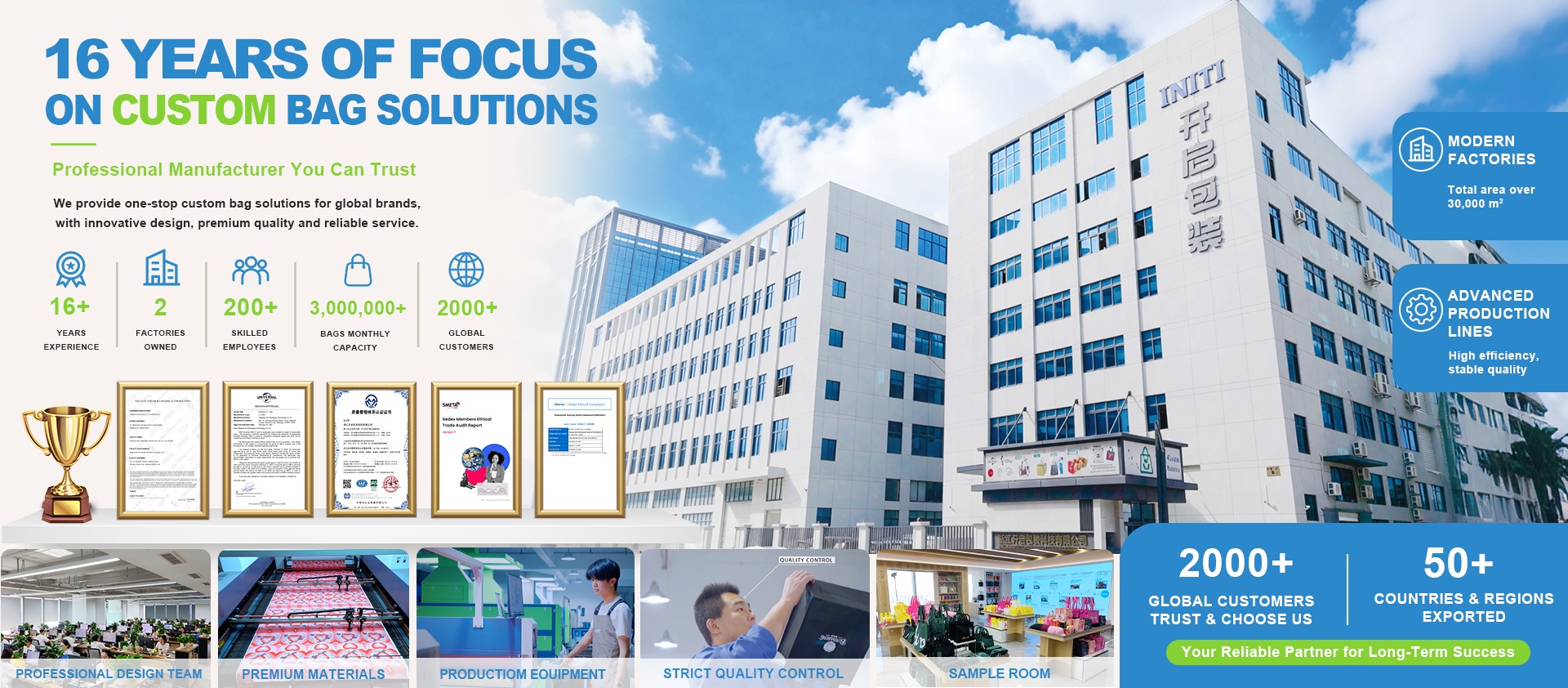
Ханџоу ИНИТИ ИМП&Експ Цо, Лтд. подржава прилагођене купоне за брендове за живот, малопродајнике, промотивне компаније, добављаче поклона, увознике и купце приватних ознака.
Са више од 16 година искуства у производњи кутије и два производна објекта, наша ОЕМ и ОДМ подршка покривају избор материјала, развој торбе, производњу узорка, апликацију лого, производњу на меху, инспекцију квалитета и извозне паковање.
Наша постојећа производна способност укључује куповане торбе за торбе, капсуране торбе за живот и козметичке торбе, омогућавајући купцима да развију индивидуалне производе или координиране колекције торби за малопродају и пројекте поклона.
За пројекте упаковања за начин живота, циљ није само да се паковање направи дебљим или декоративнијим. Торба треба да одговара комплексу производа, позиционирању бренда, буџету, малопродајној презентацији и очекиваној поновној употреби након куповине.
Често постављене питања
Да ли су капице погодне за програме давања поклона?
Да, ја сам. Они могу посебно добро радити када бренд жели да се сама паковања настави да користи. Величина торбе и спецификација треба да буду контролисани у складу са буџетом кампање и садржајем поклона.
Можемо ли прилагодити образац за прекривање?
Узори за кувилтинг на задатке могу се проценити у зависности од дизајна, количине и методе производње. Стандардни обрасци су обично лакши за контролу за почетне наруџбе.
Можемо ли да развијемо козметичку торбу са пакетом?
Да, ја сам. Користећи исти спољашњи ткив, образац ковлетне, боју и систем логотипа, може се створити координисана колекција паковања.
Да ли је густије пушило увек боље?
Не, не, не. Дебљина пудлинга утиче на изглед, трошкове, преклапање и обим испоруке. Правилна спецификација зависи од намењених производа и позиционирања бренда.
Који метод логотипа најбоље функционише на капуту?
Броджирање, тканине етикете и пластире су често погодне јер раде са текстурисаним текстилним површинама. Печат се такође може проценити у зависности од спољашње тканине и конструкције квилтинга.
Може ли се куповице са куповима паковати појединачно?
Да, ја сам. Опције могу укључивати савијану индивидуалну паковање, вешање ознака, папирне ручеве, паковање са приватном ознаком или паковање са поклоном у зависности од пројекта.
Закључак
Позаједине купоне су најефикасније када сама торба доприноси вредности производа.
За брендове лепоте, доброг здравља, моде и начина живота, добро развијена куповина или торба са куповима могу комбиновати паковање, поклоње и континуирану потрошачку употребу у једном производу.
Кључне одлуке о куповини нису само боја и образац покривања. Купци такође треба да контролишу дебљину упаковања, унутрашњи капацитет, постављање лого, конструкцију ципера, запремину паковања, МОК и конзистенцију квалитета пре масовне производње.
Подршка за истрагу
Да бисте развили пројекат за прилагођени ковлетне вреће, молимо вас да наведете:
- Преферирано типо торбе или референтна слика
- Производи који се упакују унутар
- Преферирано величине или референтне димензије
- Процењена количина
- Преферирани спољни материјал
- Стил или референца за кувилтирање
- Потребне боје
- Ликови логотипа
- Уговор о паковању
- Потребан датум испоруке
Ако нисте окончали све детаље, прво можете послати своју намењену употребу и циљну количину, а ми можемо препоручити одговарајућу спецификацију.
Сродне производе
Сврзани чланци на блогу