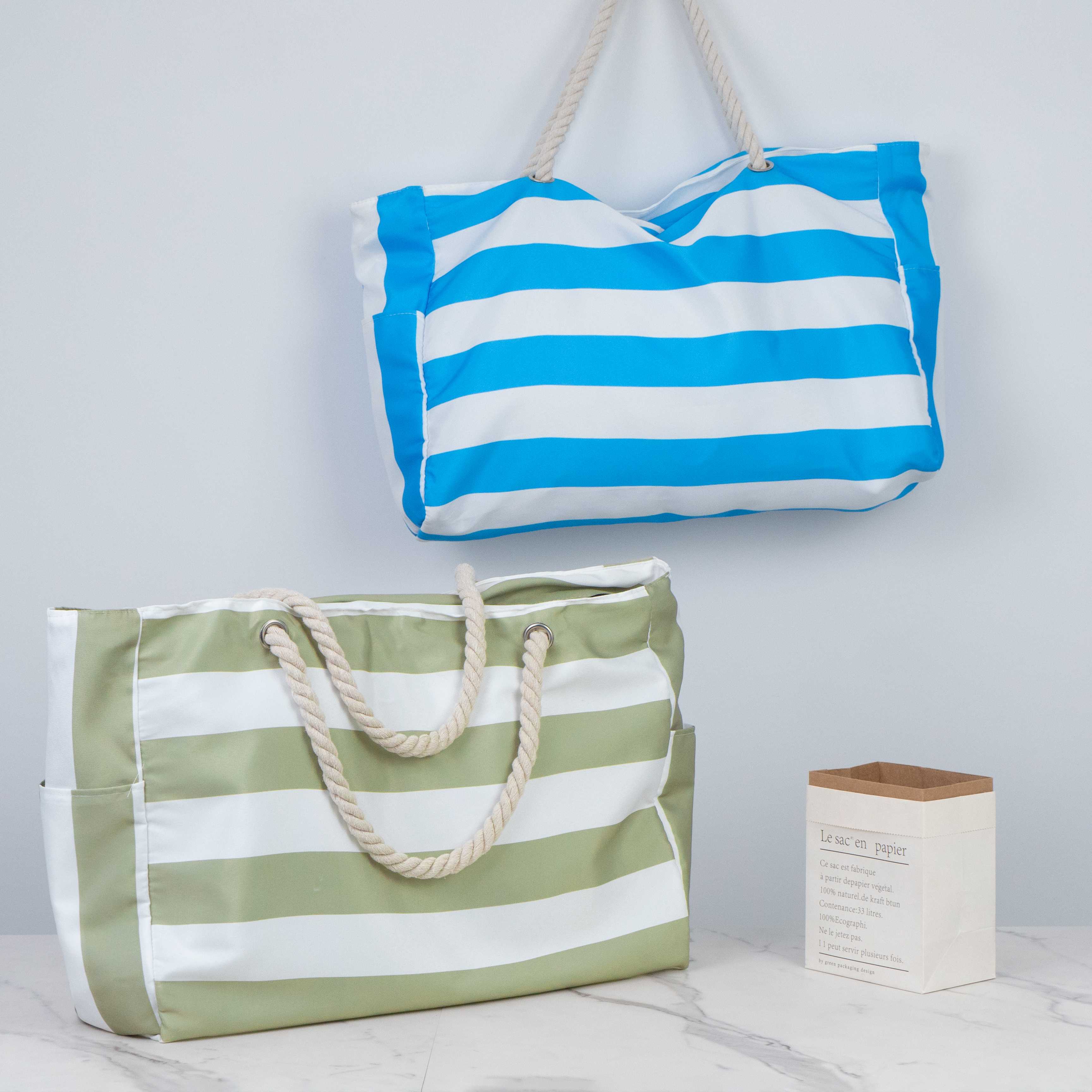
Водоотпорни материјали за теке за ванђери
Избор водоотпорног материјала за наружњу торбу подразумева више од избора тканине која се описује као "водоотпорна".
Крајње перформансе зависе од комплетне конструкције: спољашње тканине, премаза или ламинације, шавова, игла, ципела, затварања и повезаности панела. Водоотпорна тканина и даље може да произведе врећу која омогућава улазак воде ако ови детаљи нису дизајнирани за исти ниво заштите.
За брендове за отворену површину, туристичке компаније, одмаралишта, спортске програме и промотивне купце, први корак би стога требало да буде дефинисање количине изложености води коју врећа заправо мора да издржи.
ИНИТИ развија обичај ванземне и водоотпорне вреће које користе синтетичке тканине, премазан материјал, ПВЦ/ТПУ филмове и конструкције специфичне за пројекат за плажу, путовања, спорт и ванземне апликације.
Почни са потребним нивоом заштите
Не мора свака торба за ванземље да буде потпуно водоотпорна.
Различите апликације захтевају различите нивое заштите.
Спецификација треба да одговара стварном случају употребе, а не да аутоматски тражи највиши ниво водоотпорности.
Конструкција са већим перформансима обично повећава трошкове материјала, сложеност производње и захтеве за тестирање.
Водоотпорна тканина против водоотпорне завршене торбе
Ово је једна од најважнијих разлика за купаче Б2Б.
Тканина може спречити да вода директно прође кроз његову површину, али завршена врећа такође садржи:
- Сврбе за шивање
- Плански швијеви
- Zipere
- Отвора
- Површице за причвршћивање рукама
- Џепови
- Овезујуће
- Хардверске везе
Вода може проћи кроз ове области чак и када главни материјал сам по себи добро функционише.
На пример, налепљена најлонска торба са отвореним врхом може да издржи лагу кишу на бочним панелима, али не може да спречи да вода уђе кроз отварање.
Слично томе, водоотпорна тканина у комбинацији са стандардним шивеним швом не би требало да се аутоматски продаје као потпуно водоотпорна.
За пројекте са дефинисаним захтевом за водоотпорност, купци треба да наведу и материјал и конструкцију готове вреће.
1. у вези са Покривени полиестер
Полиестер је један од најупростајнијих материјала за наружне и промотивне торбе.
У зависности од спецификације тканине и премаза, може се користити за:
- Изванредни тоти
- Патничке торбе
- Sportske torbe
- Занапећице
- Вреће за хлађење
- Склађивање у камповима
- Промоционалне торбе
Предности
- Широк спектар тежина тканина
- Многе боје и текстуре површине
- За штампање
- Добра равнотежа између трошкова и функционалности
- Може бити премазан или ламиниран
- Прикладан за структуриране и лаге конструкције
Разлози за куповину
Купци треба да потврде:
- Густина тканине или спецификација
- Tip premaza
- Страна премаза
- Потребна отпорност на воду
- Изглед површине
- Компатибилност штампања
- Потреба за абразијом
- Потребна структура вреће
Само наверање полиестер није довољно за функционални пројекат на отвореном.

2. Уколико је потребно. Нилон
Најлон се обично бира за путовања и напољу торбе где је потребна лага конструкција и техничкији изглед.
Може бити погодан за:
- Паковане патничке торбе
- Лески раници
- Изванредни тоти
- Sportske torbe
- Лифстејл колекције на отвореном
Предности
- Лака тежина
- Флексибилан
- За преклопљиве конструкције
- Глатки технички изглед
- Може се комбиновати са водоотпорним премазима
Разлози за куповину
Сам најлон не би требало аутоматски да се третира као водоотпорни.
Различити најлонски тканини значајно се разликују по тканини, густини, потпору и премазу.
За пројекат на прилагођен начин, купци би требали да процени стварни узор тканине, а не да би изабрали само по имену материјала.

3. Уколико је потребно. РПЕТ полиестер
РПЕТ тканина се може користити када купцу треба и функционалност синтетичке тканине и позиционирање рециклираног материјала.
Потенцијалне примене укључују:
- Путничке торбе
- Занимљиве за куповину
- Sportske torbe
- Занежни чувари
- Занапећице
- Производи за бренд догађаје
РПЕТ се такође може производити премазима или ламинацијама у зависности од спецификације.
Међутим, РПЕТ не значи аутоматски водоотпор. Водоотпорност и рециклирани садржај су два одвојеног захтева.
Купци треба да одвојено потврде:
- Спецификација за рециклирани садржај
- Обавезна сертификација
- Tkaninska konstrukcija
- Премаз
- Водоотпорност завршених врећа

ПВЦ се широко користи за прозрачне, транспарентне и лако чисте вреће.
Прикладе које су погодне могу бити:
- Плажни врећићи
- Базенске вреће
- Козметичке и путничке торбе
- Промоционалне торбе
- Чисте коцке у стилу стадиона
- За теретне ствари
Предности
- Вода не пролази лако кроз филм
- Површина коју је лако очистити
- Прозрачне или цветно-простране опције
- Осигурен визуелни утицај
- Прикладан за плаже и малопродају
Ограничења
ПВЦ може бити релативно крут у зависности од дебелине и температуре.
Купац такође треба да размотри:
- Дебљина филма
- Флексибилност
- Транспарентност
- Изградња ивице
- Ојачање ручке
- Метода паковања
- Употреба у производњи
Чак и са ПВЦ панелима, конструкција са отвореним врхом или конвенционално зашијеном конструкцијом не би требало аутоматски да се описује као потпуно водоотпорна.

5. Појам ТПУ
Материјали типа ТПУ-а могу се користити када купци желе флексибилан прозорни или ламинирани материјал са техничнијим позиционирањем.
Потенцијалне примене укључују:
- Водоотпорне врећице
- Приклади за плажу
- Организатори путовања
- Spoljašnje skladište
- Прозирна прозорца
- Специјализоване конструкције за суво складиштење
У поређењу са основним избором промотивних материјала, пројекти ТПУ обично захтевају ближу контролу дебелине, метода заваривања или споја, флексибилности и трошкова.
За пројекте на отвореном, купци треба прво да утврде да ли је ТПУ потребан за целу врећу или само за одабрана подручја као што су прозори или унутрашњи водоотпорни одељци.

6. Уколико је потребно. Ламиниране тканине
Ламинација комбинује основну тканину са другим функционалним слојем.
У зависности од конструкције, ламинирани материјали могу побољшати:
- Отпорност на воду
- Чишћење површине
- Структура
- Изглед
- Перформансе баријера
Основне тканине могу да укључују полиестер, РПЕТ или друге тканине/нетканине.
За купце важно питање није само да ли је тканина ламинирана, већ:
- Шта је ламинирано на ткиво?
- Да ли је ламинат нанесен унутра или споља?
- Да ли ће се материјал више пута савијати?
- Како ће бити направљени шви?
- Да ли је потребно штампање?
- Који тест на резултатности се очекује?
Ови детаљи утичу и на перформансе и на изводљивост производње.
У поређењу са материјалом за пројекте ванњих торбица
| Материјал |
Потенцијал за заштиту воде |
Тежина |
Печат |
Типична употреба |
Позиција трошкова |
| Покривени полиестер |
Ниско до високо у зависности од конструкције |
Светлосредње |
Добро. |
На отвореном, путовања, промоција |
$–$$ |
| Налепљени најлон |
Ниско до високо у зависности од конструкције |
Светло |
Добро. |
Путовање, спорт, начин живота на отвореном |
$$ |
| Покривена РПЕТ |
Ниско до високо у зависности од конструкције |
Светлосредње |
Добро. |
Одрживе промоције на отвореном |
$$ |
| ПВЦ |
Високо на материјалном нивоу |
Средњи |
Добро. |
Плажа, чисте тоте, влажна окружења |
$–$$ |
| Tпу |
Високо на материјалном нивоу |
Светлосредње |
Зависи од структуре |
Техничке вреће, премиум ван |
$$–$$$ |
| Ламиниране тканине |
Средњивиши |
Зависи од основне тканине |
Зависи од ламината |
За складиштење на отвореном, функционалне вреће |
$$ |
Ово су општи смерници развоја, а не готове водоотпорне вредности за торбе.
Цео производ треба и даље проценити након шијања и монтаже.
Само премазивање није довољно
Уобичајена грешка при снабдевању је да се у великој мери фокусира на премаз тканине, а игнорише конструкцију вреће.
Ако купац захтева јачу заштиту, следеће компоненте треба размотрити заједно.
Шевови
Традиционално шијење ствара игле.
За отпорност на лагу кишу, ово може бити прихватљиво.
За више захтева за водоотпорност, купци могу морати да процени:
- Сеам Тапе
- Заплетени шви
- Заваривана конструкција
- Смањена локација зашива
- Алтернативни начини повезивања панела
Правилна опција зависи од компатибилности материјала и циљаних перформанси.
Zipere
Стандардни ципелни ципели су практични за већину наружних торбица, али нису по својој природи водоотпорни.
За јачу заштиту, купци могу размотрити водоотпорне или покривене конструкције са ципелом.
Зимски затварач још увек треба проценити као део готовог отвора, а не као изолована компонента.
Врх отварања
Отворену торбу се врло ограничено штити од воде која улази одозго.
Алтернативни затворање укључују:
- Пуна ципер
- ФЛАП
- Вожњачка жица
- Ролл топ
- Заврзало
- Специјализована водоотпорна затварање
Затварање треба да одговара намењеним експозицијама.
Џепови
Извански џепови могу створити додатне улазнице воде.
За захтевне пројекте, купци треба да размисле да ли је џеп заиста потребан изван главног водоотпорног подручја.
Избор водоотпорног материјала по типу вреће
За животне спољне тоте и промоције путовања, премазан полиестер, најлон или РПЕТ су често практичне почетне тачке.
Препоручују се следеће ствари:
- Затварање ципера
- Зајачане ручке
- Лако чишћење облога
- Унутрашњи безбедносни џеп
- Плочице од коцки
Потпуно водоотпорна техничка конструкција обично није потребна, осим ако је врећа намењена излагању тешком води.

Сухе вреће
Сухе вреће захтевају другачији дизајн.
Материјал, зглоб и затварање запкова морају да функционишу као један систем.
Типични развојни приоритети укључују:
- Водоотпорни ламинирани материјал
- Завариване или запечаћене конструкције
- Затварање за превртање
- Заврзало
- Смањење непотребних отвора
Обична шивена торба не би требало једноставно да буде преименована у суву торбу.

Производи за плажу могу морати да обрађују:
- Прскање
- Песок
- Увлажни пешкири
- Плувни одећа
- Сунцеприбор
- Боце за воду
ПВЦ, материјали типа ТПУ и премазани синтетички ткани могу се узети у обзир.
Меш такође може бити користан када је проток ваздуха и ослобађање песка важније од задржавања воде.
Купац би стога требало да одлучи да ли је приоритет искључивање воде, дренажа, вентилација или лако чишћење.

Ракпек има сложенију конструкцију од једноставних торбе јер укључује реме за рамена, више панела, џепове и ципеле.
За већу заштиту, купци треба да процени:
- Главни тканина
- Долња плоча
- Zipere
- Izrada šavova
- Причвршћење за раменски појас
- Горњи затварање
- Направље излагања киши
Потреба за перформансом треба да се потврди пре додавања непотребних водоотпорних компоненти.

Мокри/суви врећи
Сепарација влажно/суво не захтева увек да цела врећа буде водоотпорна.
Практично решење може користити:
- Стандардна спољашња врећа
- Одвојено премазано одељење
- Водоотпорна унутрашња врећа
- Лако чишћење облога
То може смањити трошкове, а истовремено решити главни проблем корисника: чување влажних предмета одвојених од сувог садржаја.

Разлози за штампање и брендирање
Водоотпорни премази и ламиниране површине могу утицати на наношење логотипа.
Скрин-принтинг
Погодан за многе пројекте полиестера и премазаних тканина, под условом компатибилности површине.
Прелазак топлоте
Може подржавати детаљније уметничке радове на компатибилним синтетичким материјалима.
Сублимација
Погодан за одабране полиестерске материјале када то конструкција тканине дозвољава.
Изгртање
Укључује се у многе торбе за живот на отвореном, али свака игла за вешење ствара додатне рупе у материјалу.
За високе захтеве за водоотпорност, велике површине за везу треба пажљиво проценити.
Гумени и ткани лапири
Плетчеви могу створити техничнији спољни изглед док ограничавају директну штампу на главном тканини.
Метода причвршћивања још увек треба размотрити када је ефикасност воде важна.
Како купци треба да одреде водоотпорну перформансу
Избегавајте спецификације као што су:
Потребан је водоотпорни материјал.
То не пружа довољно информација за производњу.
Боље би у саопштењу о снабдевању требало да буде наведено:
- Намерна употреба врећа
- Очекивана излагање води
- Потребан материјал
- Потребно затварање
- Да ли је потребно заплетенити швове
- Да ли садржај мора да остане потпуно сув
- Метода испитивања, ако је прихватљива
- Прихватљиви критеријуми за перформансе
На пример:
Путничка торба за повремену употребу на отвореном; потребна је заштита од лаке кише и прскања површине; не захтева се заштита од пуног потапања.
То пружа добављачу много јаснију основу за препоруку материјала и конструкције.
Испитивање готове торбе
За пројекте са захтевима за перформансе, одобрење не би требало да се заснива само на спецификацији тканине.
Тестирање може да процени:
Отпорност на површинску воду
Провјерава како се спољашњи део одражава на кишу или прскање.
Проницање воде
Процени да ли вода пролази кроз материјал или конструкцију.
Перформансе зашива
Проверава да ли зашивена или запечаћена подручја постају улази вода.
Површина ципера
Проценио је улазак воде око затвора.
Испит натовареног торбе
Потврђује да ли се стрес на швабима мења отпорност на воду или структура.
Тест за стварну употребу
За многе марке за ванзване објекте, практичан тест симулиране употребе може бити вреднији од цитирања материјалне особине која не представља комплетну торбу.
Потребна метода и критеријуми за успјех/промашање треба да се договоре пре масовне производње.
Балансирање водоотпорне перформансе и трошкова
Више хидроизолације не ствара аутоматски бољи комерцијални производ.
Више спецификација може повећати:
- Трошкови материјала
- Време производње
- Трошкови обраде зашива
- Захтеви за специјализованом опремом
- Развој узорка
- МОК
- Производ тежина
Стога би купци требали да утврде која подручја заиста треба да буду заштићена.
На пример, путној торби можда је потребно само премазану спољашњу ткиву и затварање ципом.
Плажана врећа може имати користи од ПВЦ-а или ТПУ-а.
Техничка сува врећа могу захтевати водоотпорни материјал, завариване шворе и конструкцију за варење.
Успостављање конструкције са стварним случајем употребе обично пружа бољу вредност него примена исте спецификације за сваки производ за спољашњост.
Поени контроле квалитета
За пројекте ванземних и водоотпорних врећа, инспекција треба да размотри:
- Спецификација материјала
- Конзистенција премаза или ламинације
- Завршене димензије
- Izrada šavova
- Заплетени заплет ако је потребно
- Операција ципера
- Положај затварања
- Ојачање ручке
- Покровна конструкција
- Прилепљење логотипа
- Чистоћа унутрашњости
- Уколико је наведено, ефикасност воде у готовој врећи
- Опаковање и идентификација кутије
Технички захтеви треба да се документују пре производње, а не да се процењују тек након завршног производа.
Процес развоја прилагођености
1. у вези са Дефинишите апликацију на отвореном
Потврдите да ли је торба намењена за путовање, плажу, камповање, спорт, пливање или техничку употребу на отвореном.
2. Уколико је потребно. Дефинишите излагање води
Одредите да ли је врећа потребна заштита од прскања, лаке кише, дуготрајне кише или више захтевне изложености води.
3. Уколико је потребно. Изаберите материјални систем
Изаберите полиестер, најлон, РПЕТ, ПВЦ, ТПУ или другу одговарајућу структуру.
4. Уколико је потребно. Проектирајте градњу
Потврдите зашиј, ципер, затвор, џепови, ручке и облоге.
5. Појам Изради узорак
Развити физички узорци користећи изабране материјале и комплетну конструкцију.
6. Уколико је потребно. Испробајте готови производ
Процењује се преношење, заштита од воде и употребљивост у складу са договореном захтевом.
7. Потврдите стандард производње
Прихваћени материјал, узорак и критеријуми за испитивање постају референтна тачка за масовно производње.
8. Уколико је потребно Производња и инспекција на насип
Производња се контролише у складу са потврђеним спецификацијама и захтевима за квалитет.
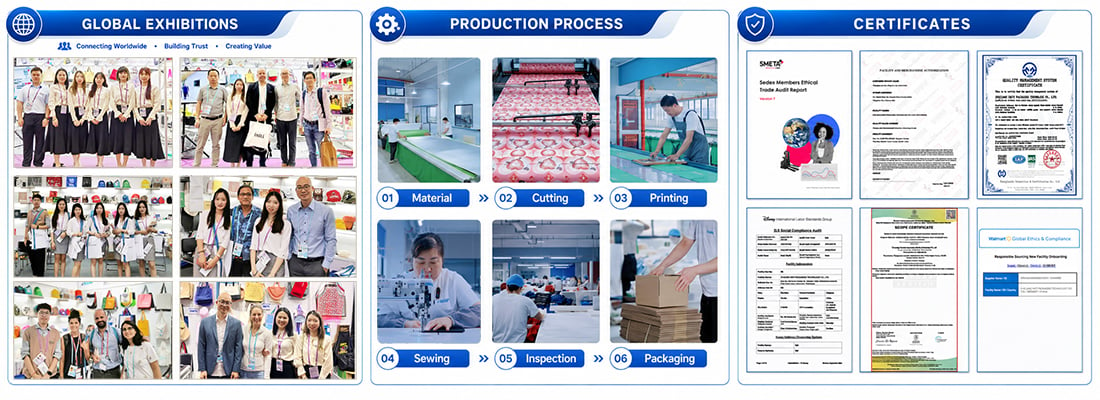
Зашто радити са ИНИЦИИ ?
Ханџоу ИНИТИ ИМП&Експ Цо, Лтд. подржава прилагођени развој ванзградних, путовање, плаже и водоотпорне торбе за брендове, малопродајнике, промотивне компаније, увознике и дистрибутере.
Са више од 16 година искуства у производњи кутије за прилагођене производе, ИНИТИ пружа подршку ОЕМ/ОДМ-у која обухвата избор материјала, бесплатну подршку дизајну, узорке, производњу, инспекцију квалитета и експортну паковање.
Доступне могућности производа укључују торбе од најлона и полиестера, РПЕТ торбе, ПВЦ торбе, плажне торбе, производе за влажно/суво складиштење и друге структуре за наружне торбе.
За пројекте који су водоотпорни, наш приступ развоју фокусира се на усавршавање материјала, конструкције и потребних потреба за стварном употребом, а не на коришћење неодложеног тврдње о водоотпорности.
Често постављене питања
Који је најбољи водоотпорни материјал за наручну торбу?
Не постоји један најбољи материјал. Покривени полиестер и најлон су практични за многе тесте за ванземаљство и путовања, док су ПВЦ или ТПУ можда погоднији за влажне средине. Техничке суве вреће захтевају и водоотпорни материјал и одговарајућу конструкцију зашива и затварања.
Да ли је полиестер водоотпоран?
Стандардни полиестер није аутоматски водоотпоран. Покривање или ламинација могу побољшати отпорност на воду, али перформансе готове вреће такође зависе од шавова, ципела и отвора.
Да ли је најлон водоотпоран?
Нилон се не може аутоматски описати као водоотпорни. Различити премази и ламинације могу обезбедити различите нивое отпорности на воду.
Да ли је РПЕТ водоотпоран?
Не мора бити. РПЕТ описује садржај рециклираног полиестера, а не водоотпорност. Може бити потребно одвојено премазивање или ламинирана конструкција.
Које је боље за водоотпорне торбе, ПВЦ или ТПУ?
Оба могу бити погодна у зависности од дебљине, флексибилности, изгледа, методе производње, буџета и намењене употребе. Боља опција треба изабрати из комплетне потребности производа, а не само из имена материјала.
Да ли је зашијена торба потпуно водоотпорна?
Уобичајено шивање ствара игле, тако да су већи захтеви за водоотпорност могу захтевати запечаћени шви, швијусту траку, заваривање или другу одговарајућу конструкцију.
Да ли водоотпорни жипови чине целу торбу водоотпорном?
Не, не, не. Водоотпорни или водоотпорни џепер обрађује се само на један део производа. Тканина, шави, дизајн затварања и други детаљи конструкције и даље утичу на завршену перформансу.
Закључак
Избор водоотпорних материјала за наружне вреће треба да почне са окружењем употребе, а не са називом материјала.
Покривени полиестер, најлон, РПЕТ, ПВЦ и ТПУ могу бити одговарајући, али сваки ствара различите резултате у тежини, флексибилности, трошковима, изгледу, штампању и водоотпорности.
За купаче Б2Б, најважнији корак је дефинисање потребног нивоа заштите и процена готове торбе као комплетног система.
То спречава непотребне трошкове, смањује неразумије о перформанси и олакшава развој тешке за спољашње коришћење која одговара стварној апликацији на тржишту.
Подршка за истрагу
За развој пројекта ванзване или водоотпорне вреће, молимо наведите:
- Намерна употреба
- Процењена количина
- Преферирано величине или референтне димензије
- Потребан ниво заштите од воде
- Преферирано материјало, ако је познато
- Потребно затварање
- Потребне боје
- Ликови логотипа
- Уговор о паковању
Ако нисте окончали све детаље, прво можете послати своју намењену употребу и циљну количину, а ми можемо препоручити одговарајући материјал и конструкцију.
Сродне производе