Professional Shaker Bottle Factory - Custom Manufacturing & Bulk Production Solutions

Get a Free Quote

Our representative will contact you soon.
Email
Name
Company Name
Message
0/1000

shaker bottle factory

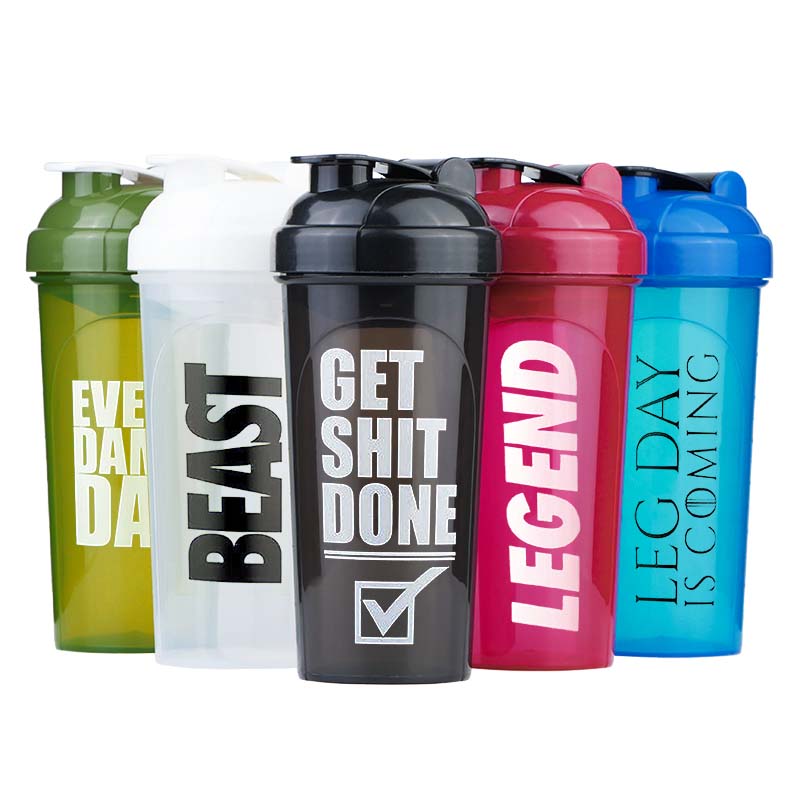
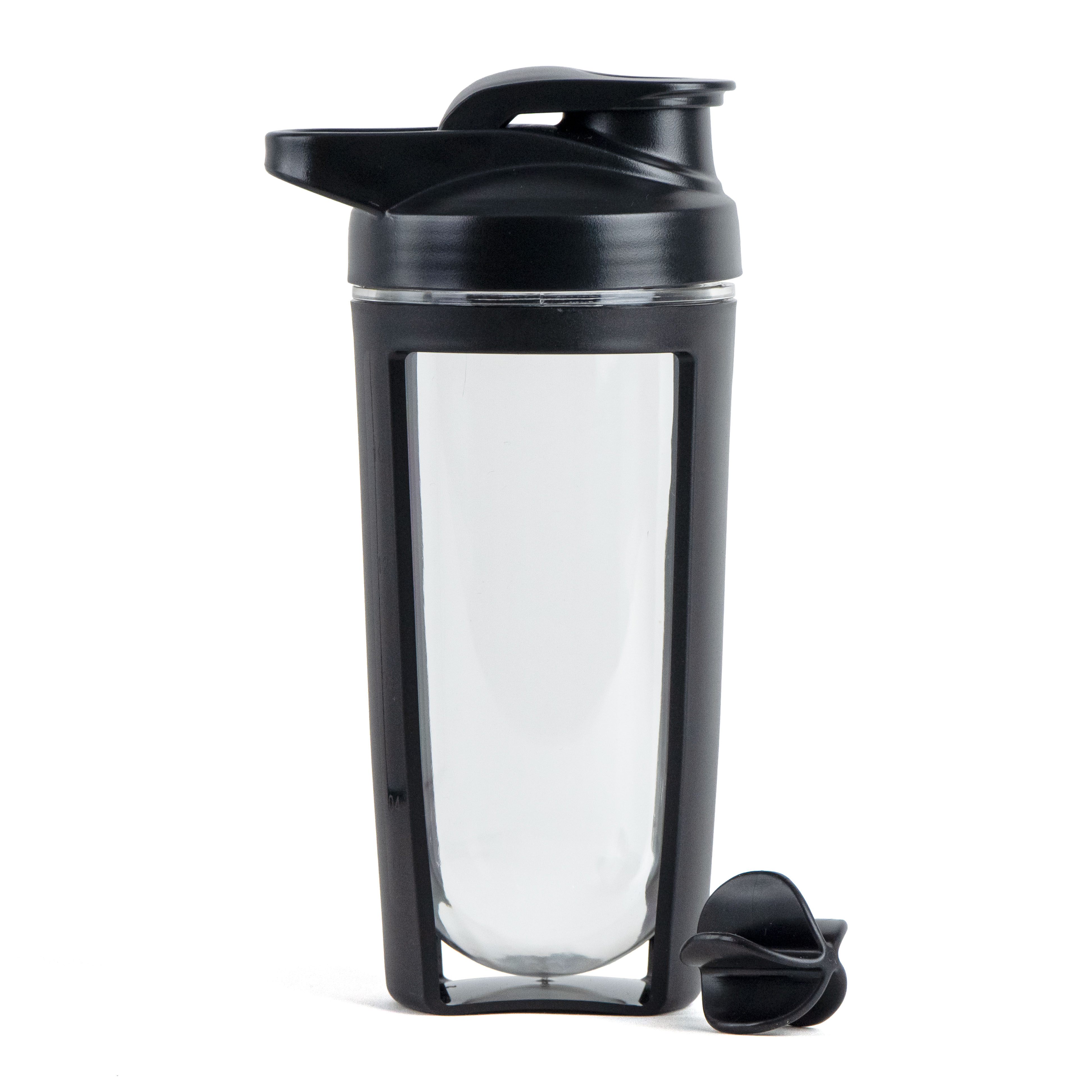
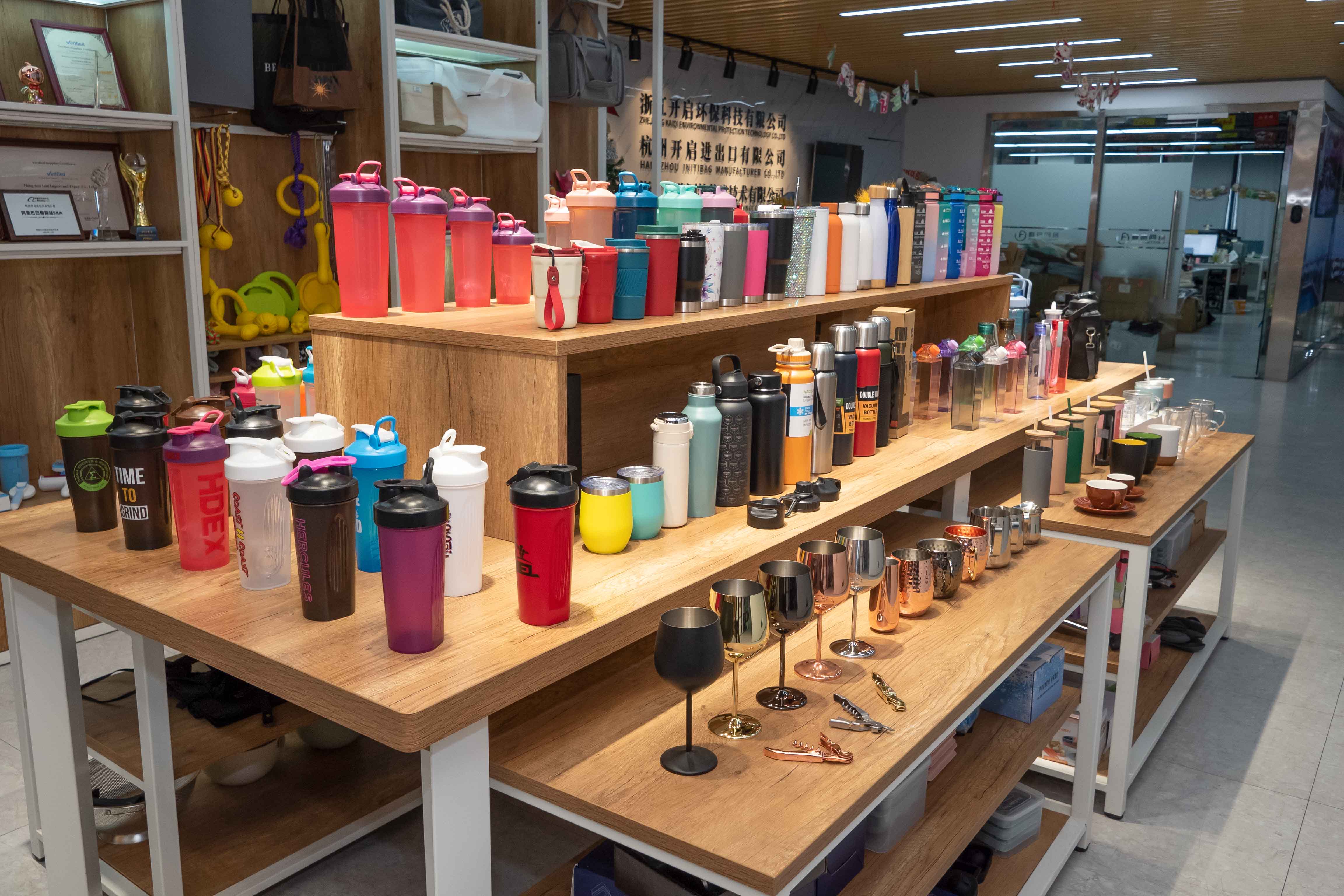
A shaker bottle factory represents a specialized manufacturing facility dedicated to producing high-quality mixing containers designed for fitness enthusiasts, athletes, and health-conscious consumers. These factories combine advanced production techniques with quality control measures to create durable, functional bottles that effectively blend protein powders, supplements, and nutritional drinks. The primary function of a shaker bottle factory involves multiple stages of production, from initial design and material selection to final assembly and quality testing. Modern facilities utilize injection molding technology to create bottle bodies from food-grade plastics such as BPA-free polypropylene or Tritan copolyester, ensuring safety and durability. The manufacturing process includes creating mixing mechanisms, typically wire whisk balls or blender balls, which are essential components that break up powder clumps and create smooth, lump-free beverages. Technological features within a shaker bottle factory include automated molding machines that maintain precise temperature controls and pressure settings to produce consistent bottle shapes and wall thicknesses. Quality assurance systems monitor each production batch, testing for leak resistance, material integrity, and mixing efficiency. Many factories incorporate ultrasonic welding technology to seal components without adhesives, creating stronger bonds that withstand repeated use and washing. Advanced facilities also employ multi-cavity molds that produce multiple bottles simultaneously, increasing production capacity while maintaining quality standards. The applications of shaker bottle factory output extend across various markets, including sports nutrition retailers, gym merchandise, corporate promotional products, and direct-to-consumer brands. These factories can customize bottles with different capacities, ranging from compact 12-ounce versions to large 32-ounce models, accommodating diverse consumer preferences. Color customization, logo printing, and unique lid designs allow brands to differentiate their products in competitive markets. The factory environment maintains strict hygiene standards, as these products come into direct contact with consumable beverages, requiring clean room conditions during certain production phases.

New Product Recommendations

Partnering with a shaker bottle factory delivers substantial benefits that directly impact your business success and customer satisfaction. First, you gain access to economies of scale that significantly reduce per-unit costs compared to purchasing finished products from distributors. Factories produce bottles in large quantities, spreading fixed costs across thousands of units and passing savings directly to you. This cost efficiency becomes particularly valuable when launching new product lines or expanding into new markets where price competitiveness determines market entry success. Second, working directly with a shaker bottle factory provides complete control over product specifications and customization options. You can select exact materials that align with your brand values, whether prioritizing eco-friendly options, premium durability, or budget-conscious alternatives. Custom mold creation allows you to develop unique bottle shapes that stand out on retail shelves and create memorable brand recognition. Your logo, color scheme, and design elements integrate seamlessly into the manufacturing process rather than being added as afterthoughts, resulting in professional-looking products that command higher perceived value. Third, quality assurance becomes more transparent and manageable when dealing directly with the production source. You can implement specific testing protocols, request material certifications, and even conduct on-site inspections to verify that every bottle meets your standards before shipment. This direct oversight eliminates the uncertainty that comes with multi-layered supply chains where quality issues might go undetected until products reach end customers. Fourth, production flexibility allows you to respond quickly to market demands and seasonal fluctuations. A shaker bottle factory can adjust production volumes based on your sales forecasts, preventing both stockouts during peak seasons and excess inventory during slower periods. This agility helps maintain healthy cash flow and reduces warehousing costs. Fifth, innovation opportunities expand when you work closely with manufacturing experts who understand material science, ergonomic design, and production capabilities. Factory engineers can suggest improvements to your designs, recommend new features that enhance functionality, and help you stay ahead of industry trends. They bring technical knowledge about what works in real-world production environments, saving you from costly design mistakes that look good on paper but fail during manufacturing. Sixth, lead times become more predictable and often shorter when you eliminate intermediaries. Direct communication with production managers allows you to track progress, address issues immediately, and coordinate shipping schedules that align with your business needs. This streamlined communication reduces delays caused by miscommunication or coordination problems between multiple parties.

Tips And Tricks

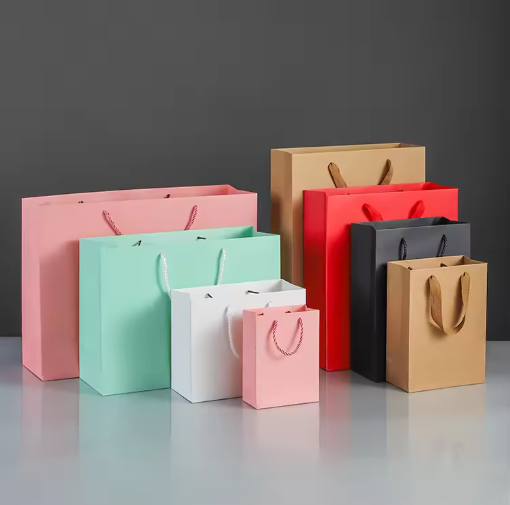
Why Is a Paper Bag Considered Eco-Friendly Packaging?

08

Jun

Why Is a Paper Bag Considered Eco-Friendly Packaging?

When businesses and consumers seek more responsible packaging choices, the paper bag consistently rises to the top of the conversation. Unlike plastic alternatives that persist in landfills and oceans for centuries, a paper bag is derived from a rene...
View More
How Does a Cooler Bag Maintain Temperature for Long Hours?

17

Jun

How Does a Cooler Bag Maintain Temperature for Long Hours?

Whether you are heading to a weekend picnic, managing a pharmaceutical delivery route, or packing food for a long outdoor excursion, a cooler bag is one of the most practical tools you can carry. But many users wonder how exactly this seemingly simpl...
View More
What Factors Affect How Long a Cooler Bag Stays Cold?

11

Jun

What Factors Affect How Long a Cooler Bag Stays Cold?

Whether you are packing lunch for a long workday, transporting perishable goods for a client delivery, or heading out on a weekend adventure, understanding how long your cooler bag stays cold is essential for both food safety and practical planning. ...
View More
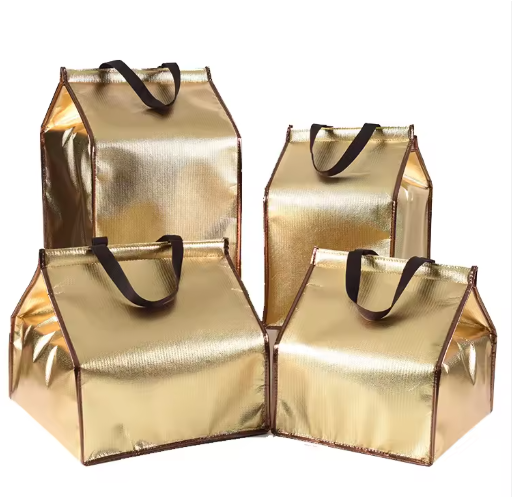
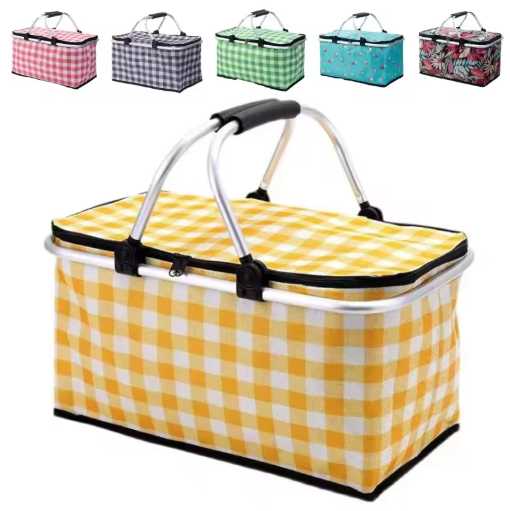
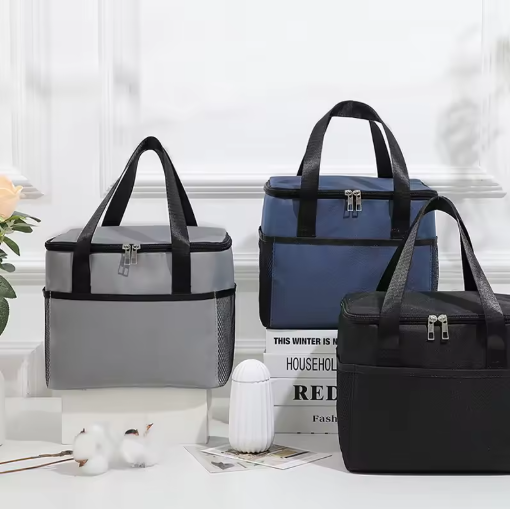
What Is a Cooler Bag and How Does It Keep Food Cold?

11

Jun

What Is a Cooler Bag and How Does It Keep Food Cold?

A cooler bag is one of the most practical and widely used tools for maintaining food and beverage temperatures during transport, outdoor activities, and everyday commuting. Whether you are packing lunch for the office, heading to a beach picnic, or m...
View More

Get a Free Quote

Our representative will contact you soon.
Email
Name
Company Name
Message
0/1000

shaker bottle factory

Advanced Manufacturing Technology and Production Capabilities

Advanced Manufacturing Technology and Production Capabilities

Modern shaker bottle factory facilities leverage cutting-edge manufacturing technology that transforms raw materials into finished products with remarkable precision and efficiency. The heart of production lies in sophisticated injection molding machines that heat plastic resins to exact temperatures, typically between 200 and 250 degrees Celsius, before injecting the molten material into precision-engineered molds under high pressure. These machines operate with computer-controlled accuracy, ensuring that every bottle maintains consistent wall thickness, which directly affects durability and prevents weak points that could crack or leak. The molds themselves represent significant engineering achievements, crafted from hardened steel and designed with complex cooling channels that solidify the plastic uniformly, preventing warping or dimensional inconsistencies. Multi-cavity molds enable simultaneous production of multiple bottles in a single cycle, with advanced factories running molds that produce 8, 16, or even 32 bottles at once, dramatically increasing output capacity. Beyond basic molding, factories incorporate secondary processes that add value and functionality. Pad printing and screen printing stations apply logos and designs with UV-cured inks that resist fading even after hundreds of dishwasher cycles. Some facilities offer laser engraving for premium products, creating permanent markings that never wear off. Assembly lines integrate mixing balls, flip caps, and measurement markings with precision, using automated systems that reduce human error and maintain consistent quality. Quality control technology includes leak testing stations where bottles undergo pressurization to verify seal integrity, ensuring that no defective products reach customers. Spectrophotometers verify color consistency across production batches, critical for brands that require exact color matching. Material testing equipment analyzes plastic samples for chemical composition, confirming that all materials meet food safety standards and contain no harmful substances. The technological sophistication extends to inventory management systems that track raw materials, work-in-progress items, and finished goods through barcode scanning and RFID technology, providing real-time visibility into production status and enabling just-in-time manufacturing that reduces storage costs and improves cash flow efficiency.
Customization Options and Brand Development Support

Customization Options and Brand Development Support

A shaker bottle factory serves as a creative partner in bringing your brand vision to life through extensive customization capabilities that differentiate your products in crowded marketplaces. The customization journey begins with material selection, where you choose from various plastic formulations, each offering distinct properties. Standard polypropylene provides excellent chemical resistance and affordability, making it ideal for budget-conscious brands. Tritan copolyester offers crystal clarity and superior impact resistance, appealing to premium market segments. Eastman Tritan specifically provides BPA-free assurance that health-conscious consumers demand. Some factories now offer bio-based plastics derived from renewable resources, allowing environmentally focused brands to reduce their carbon footprint. Color customization extends beyond simple solid colors to include translucent finishes, metallic effects, and even color-shifting pigments that change appearance under different lighting conditions. Pantone matching ensures your bottles precisely match your brand colors, maintaining consistency across all marketing materials and product lines. Capacity options range from compact 12-ounce bottles perfect for pre-workout supplements to large 32-ounce versions designed for all-day hydration, with factories capable of producing virtually any size between these extremes. Lid designs offer functional variety, including flip caps for one-handed operation during workouts, screw caps for secure transport in gym bags, and straw lids for convenient sipping. Some factories produce bottles with dual-compartment designs that store powder separately from liquid until mixing time, preventing premature dissolution. Measurement markings can be customized with your preferred units, whether ounces, milliliters, or serving sizes specific to your product formulations. Embossing and debossing create tactile brand elements that enhance grip and add premium feel. The mixing mechanism itself offers customization, with options including traditional wire whisk balls, plastic blender balls with unique shapes, or built-in mixing grids molded directly into the bottle. Factories provide design consultation services, offering 3D renderings and physical prototypes before committing to full production runs, allowing you to test market reception and make refinements. This collaborative approach ensures your final product perfectly represents your brand identity while meeting functional requirements that satisfy end users.
Quality Standards and Compliance Assurance

Quality Standards and Compliance Assurance

Quality control and regulatory compliance form the foundation of reputable shaker bottle factory operations, protecting both your brand reputation and consumer safety through rigorous testing protocols and certification processes. Food safety represents the paramount concern, as these bottles come into direct contact with beverages that people consume. Factories must comply with FDA regulations in the United States, which require that all materials contacting food be generally recognized as safe and free from harmful chemicals that could leach into liquids. European markets demand compliance with EU Regulation 10/2011 on plastic materials and articles intended to contact food, which sets strict migration limits for various substances. Reputable factories maintain documentation proving their materials meet these standards, including migration testing results that demonstrate no harmful substances transfer from plastic to liquid under normal use conditions. BPA-free certification has become essential, as consumers actively avoid bisphenol A due to health concerns. Factories provide third-party laboratory test results confirming the absence of BPA and often extend this to other controversial chemicals like phthalates. ISO 9001 certification demonstrates that a factory maintains quality management systems with documented procedures, regular audits, and continuous improvement processes. This certification provides assurance that quality remains consistent across production batches rather than varying based on individual worker performance or temporary conditions. BSCI or SMETA social compliance audits verify that factories maintain ethical labor practices, safe working conditions, and environmental responsibility, increasingly important for brands whose customers value corporate social responsibility. The testing regimen within quality-focused factories includes drop tests that simulate accidental falls onto hard surfaces, ensuring bottles survive typical handling without cracking. Thermal shock testing exposes bottles to rapid temperature changes, verifying they withstand hot liquids followed by cold washing or vice versa. Torque testing measures the force required to open and close lids, ensuring they seal securely without being impossibly tight. Dishwasher durability testing runs bottles through hundreds of wash cycles to confirm that printing remains legible, plastics do not warp, and seals maintain integrity. Chemical resistance testing exposes bottles to various substances including acidic fruit juices, oily supplements, and cleaning agents to verify materials do not degrade or absorb odors. Factories maintain batch traceability systems that record production dates, material lot numbers, and quality test results for every production run, enabling rapid identification and isolation of any issues that might arise after products reach the market.
Inquiry Inquiry Email Email Tel Tel WhatsApp WhatsApp

Get a Free Quote

Our representative will contact you soon.
Email
Name
Company Name
Message
0/1000