Устойчиви производствени практики и екологична отговорност
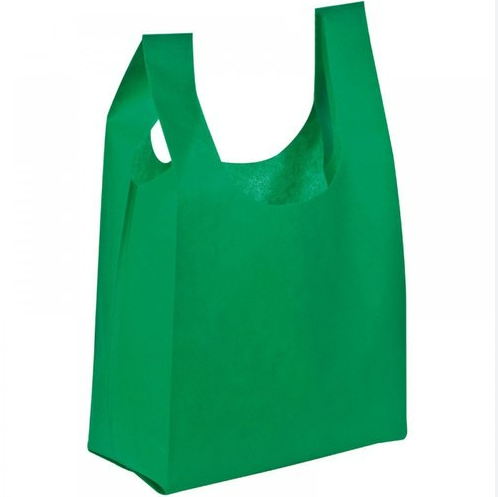
Екологичната осъзнатост е станала определяща характеристика на съвременната фабрика за нетъкани чанти, като инициативите за устойчивост са интегрирани в целия производствен процес, за да се минимизира екологичният им ефект, докато се предлагат продукти, които помагат на клиентите да намалят своята екологична следа. Основното екологично предимство започва от самия продукт, тъй като чантите, произведени от фабрика за нетъкани чанти, служат като многократно използваема алтернатива на еднократно употребяваните пластмасови чанти, които замърсяват океаните, нанасят вреда на дивата природа и остават в депозитите в продължение на столетия. Всяка многократно използваема чанта потенциално замества стотици еднократно употребявани чанти през своя живот, значително намалявайки количеството пластмасови отпадъци и потреблението на ресурси. При отговорните производствени обекти практиките за набавяне на материали се насочват към използване на рециклирани и рециклируеми съставки. Много производители използват полипропилен – термопластичен полимер, който може да се рециклира многократно без значително намаляване на качеството си. Някои фабрики за нетъкани чанти са внедрили затворени цикли, при които производствените отпадъци и дефектните чанти се събират, преработват и отново се включват в производствения процес като суров материал. Този подход минимизира отпадъците, изпращани към депозити, и намалява нуждата от първични материали. Подобренията в енергийната ефективност представляват друг ключов фокус в областта на устойчивостта. Съвременното оборудване потребява по-малко електроенергия, запазвайки или дори подобрявайки производствената мощност. Обектите инсталират LED осветление, оптимизират системите за отопление и климатизация и внедряват системи за управление на енергията, които следят потреблението и идентифицират възможности за неговото намаляване. Някои производители са инвестирали в източници на възобновяема енергия, като слънчеви панели, за да захранват производствените си операции с чиста електроенергия. Мерките за спестяване на вода са особено важни за обектите, в които се извършват процеси на пране или охлаждане. Напредналите системи рециклират и пречистват водата за повторна употреба, значително намалявайки консумацията на прясна вода и обема на отпадъчните води. Протоколите за управление на химикали гарантират, че всички вещества, използвани в производствения процес, се обработват безопасно, съхраняват правилно и се унищожават отговорно, в съответствие с екологичните норми. Фабриката за нетъкани чанти допринася за устойчивостта и чрез продължителния живот на своите продукти. Като произвежда издръжливи чанти, които издържат дълго време, тези фабрики помагат на клиентите да избягнат цикъла на честа подмяна, характерен за еднократно употребяваните продукти. Изпитанията за издръжливост гарантират, че чантите могат да издържат многократна употреба, тежки товари и различни условия без преждевременно повреждане. Ефективността при транспортирането се подобрява благодарение на лекотата на нетъканите чанти. В сравнение с алтернативи като чанти от памук или джут, нетъканите продукти изискват по-малко гориво за транспортиране поради по-ниската си тегло, което намалява въглеродните емисии, свързани с разпространението. Много фабрики също оптимизират опаковките си, за да минимизират употребата на материали и да максимизират ефективността при транспортирането. Сертификатите и съответствието с екологичните стандарти демонстрират ангажимента на фабриката за нетъкани чанти към отговорно производство. Уважаваните производствени обекти се стремят към сертификации, които потвърждават устойчивите практики и осигуряват прозрачност относно техните екологични показатели, давайки на клиентите увереност, че техните покупки подкрепят отговорното производство.