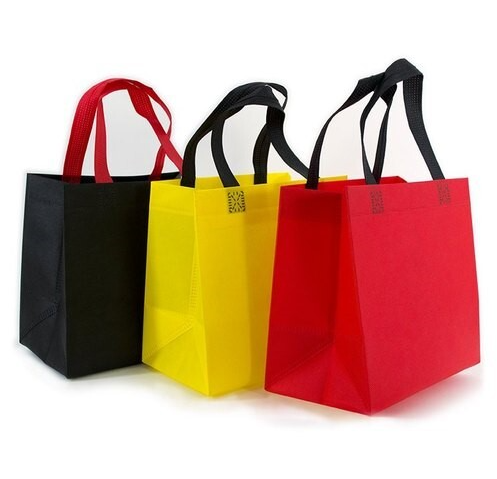
Non Woven Bag Factory: Custom Eco-Friendly Bag Manufacturing Solutions

Get a Free Quote

Our representative will contact you soon.
Email
Name
Company Name
Message
0/1000

non woven bag factory

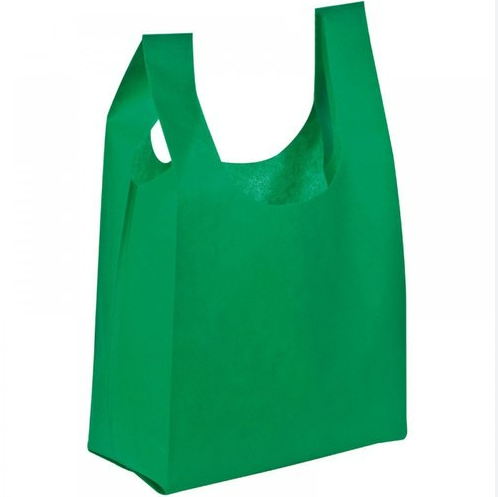
A non woven bag factory represents a specialized manufacturing facility dedicated to producing eco-friendly carrying solutions that have revolutionized the packaging industry. These modern production centers combine advanced machinery with skilled craftsmanship to create durable, reusable bags from non woven fabric materials. The primary function of a non woven bag factory involves transforming polypropylene or other synthetic fibers into versatile bag products through heat bonding, chemical bonding, or mechanical processes. Unlike traditional woven fabrics, the non woven bag factory utilizes technology that bonds fibers directly without weaving, resulting in cost-effective production and superior material properties. The manufacturing process begins with raw material preparation, where polymer granules are melted and extruded into fine fibers. These fibers are then laid randomly or in specific patterns before being bonded together using heat, pressure, or adhesives. The non woven bag factory employs cutting-edge equipment including extrusion lines, lamination machines, printing units, and automated cutting and sewing systems. Quality control stations monitor thickness, tensile strength, and print quality throughout production. Applications for products from a non woven bag factory span numerous industries including retail, grocery, promotional marketing, healthcare, agriculture, and hospitality sectors. These facilities can produce various bag styles such as D-cut bags, W-cut bags, box bags, wine bags, drawstring bags, and zippered pouches. The technological features of a non woven bag factory include computerized pattern design systems, multi-color printing capabilities, ultrasonic sealing technology, and automated handle attachment mechanisms. Modern facilities also incorporate waste recycling systems and energy-efficient machinery to minimize environmental impact while maximizing production output and maintaining consistent product quality standards.

New Products

Choosing a non woven bag factory as your manufacturing partner delivers substantial benefits that directly impact your bottom line and brand reputation. First, these factories offer remarkable cost efficiency compared to traditional bag manufacturing. The production process requires fewer steps and less labor, translating to lower per-unit costs for bulk orders. You save money without sacrificing quality, making it easier to allocate resources to other business priorities. The speed of production stands out as another major advantage. A non woven bag factory can fulfill large orders quickly because the manufacturing process is streamlined and highly automated. When you need thousands of bags for a promotional campaign or retail launch, fast turnaround times keep your projects on schedule and prevent costly delays. Customization options available through a non woven bag factory give you creative freedom to design bags that perfectly represent your brand. You can select from various colors, sizes, printing methods, and finishing touches. Whether you want bold graphics, subtle logos, or specific dimensions, the factory can accommodate your vision and bring it to life with precision. Durability is a practical benefit that customers immediately notice. Bags produced by a non woven bag factory withstand repeated use, heavy loads, and various weather conditions. This longevity means your customers will use the bags multiple times, extending your brand exposure and demonstrating your commitment to quality products. The environmental advantages resonate strongly with today's conscious consumers. A non woven bag factory produces reusable alternatives to single-use plastic bags, helping you align with sustainability goals and appeal to eco-minded shoppers. Many facilities also use recyclable materials and implement green manufacturing practices, further reducing environmental impact. Versatility in application makes products from a non woven bag factory suitable for countless purposes. Your bags can serve as shopping carriers, gift packaging, promotional giveaways, event merchandise, or storage solutions. This flexibility maximizes your investment and opens opportunities across different marketing channels. Working with a non woven bag factory also provides access to technical expertise and industry knowledge. Experienced manufacturers guide you through material selection, design optimization, and production planning. Their insights help you avoid common pitfalls and achieve better results. Finally, consistent quality control ensures every bag meets your specifications. Reputable factories maintain strict standards throughout production, inspecting materials, monitoring processes, and testing finished products. This reliability protects your brand reputation and ensures customer satisfaction with every order you place.

Practical Tips

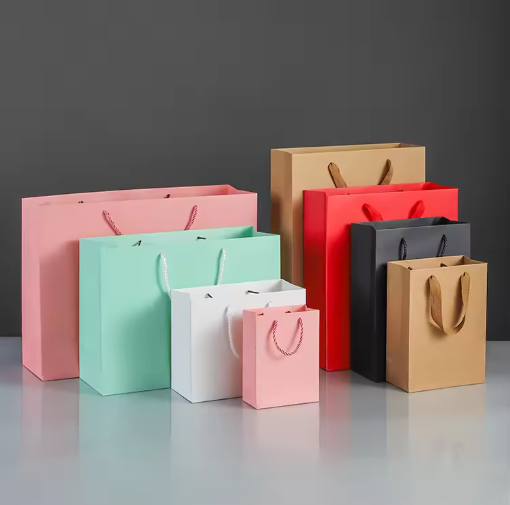
Why Is a Paper Bag Considered Eco-Friendly Packaging?

08

Jun

Why Is a Paper Bag Considered Eco-Friendly Packaging?

When businesses and consumers seek more responsible packaging choices, the paper bag consistently rises to the top of the conversation. Unlike plastic alternatives that persist in landfills and oceans for centuries, a paper bag is derived from a rene...
View More
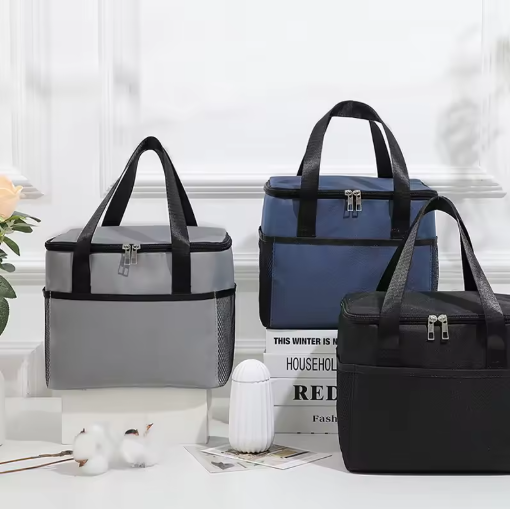
How Does a Cooler Bag Maintain Temperature for Long Hours?

08

Jun

How Does a Cooler Bag Maintain Temperature for Long Hours?

Whether you are heading to a weekend picnic, managing a pharmaceutical delivery route, or packing food for a long outdoor excursion, a cooler bag is one of the most practical tools you can carry. But many users wonder how exactly this seemingly simpl...
View More
What Factors Affect How Long a Cooler Bag Stays Cold?

08

Jun

What Factors Affect How Long a Cooler Bag Stays Cold?

Whether you are packing lunch for a long workday, transporting perishable goods for a client delivery, or heading out on a weekend adventure, understanding how long your cooler bag stays cold is essential for both food safety and practical planning. ...
View More
What Is a Cooler Bag and How Does It Keep Food Cold?

08

Jun

What Is a Cooler Bag and How Does It Keep Food Cold?

A cooler bag is one of the most practical and widely used tools for maintaining food and beverage temperatures during transport, outdoor activities, and everyday commuting. Whether you are packing lunch for the office, heading to a beach picnic, or m...
View More

Get a Free Quote

Our representative will contact you soon.
Email
Name
Company Name
Message
0/1000

non woven bag factory

Advanced Manufacturing Technology for Superior Product Quality

Advanced Manufacturing Technology for Superior Product Quality

The technological infrastructure within a non woven bag factory sets the foundation for producing exceptional products that meet rigorous quality standards. Modern facilities invest heavily in state-of-the-art machinery that automates critical production stages while maintaining precise control over material properties and finished product specifications. The extrusion process utilizes computer-controlled systems that regulate temperature, pressure, and fiber distribution with remarkable accuracy. This precision ensures uniform fabric thickness and consistent material strength across every production run. Advanced lamination equipment bonds multiple layers together seamlessly, creating bags with enhanced durability and aesthetic appeal. The printing capabilities available in a contemporary non woven bag factory have evolved dramatically, offering clients sophisticated branding opportunities. Flexographic printing systems deliver vibrant, high-resolution graphics that withstand wear and washing. Screen printing options provide bold, opaque colors perfect for impactful designs. Some facilities also offer rotogravure printing for photographic quality images and complex patterns. Digital printing technology enables short-run customization and rapid prototyping without expensive plate preparation. Ultrasonic sealing technology represents another significant advancement that a non woven bag factory employs to create strong, clean seams without thread or adhesives. This method uses high-frequency vibrations to generate heat that fuses fabric layers together instantly. The resulting bonds are often stronger than the surrounding material, preventing seam failure even under heavy loads. Automated cutting systems equipped with laser guidance or computer numerical control ensure precise dimensions and clean edges on every bag. These machines can switch between different patterns quickly, facilitating efficient production of varied bag styles within the same manufacturing run. Handle attachment mechanisms have also benefited from technological innovation. Modern equipment can apply handles with consistent placement and secure bonding, whether using heat sealing, ultrasonic welding, or stitching methods. Quality assurance technology integrated throughout the non woven bag factory includes sensors that detect defects, measure material properties in real-time, and trigger automatic adjustments to maintain specifications. This continuous monitoring prevents waste, reduces defects, and ensures that finished products consistently meet or exceed customer expectations and industry standards.
Comprehensive Customization Options for Brand Differentiation

Comprehensive Customization Options for Brand Differentiation

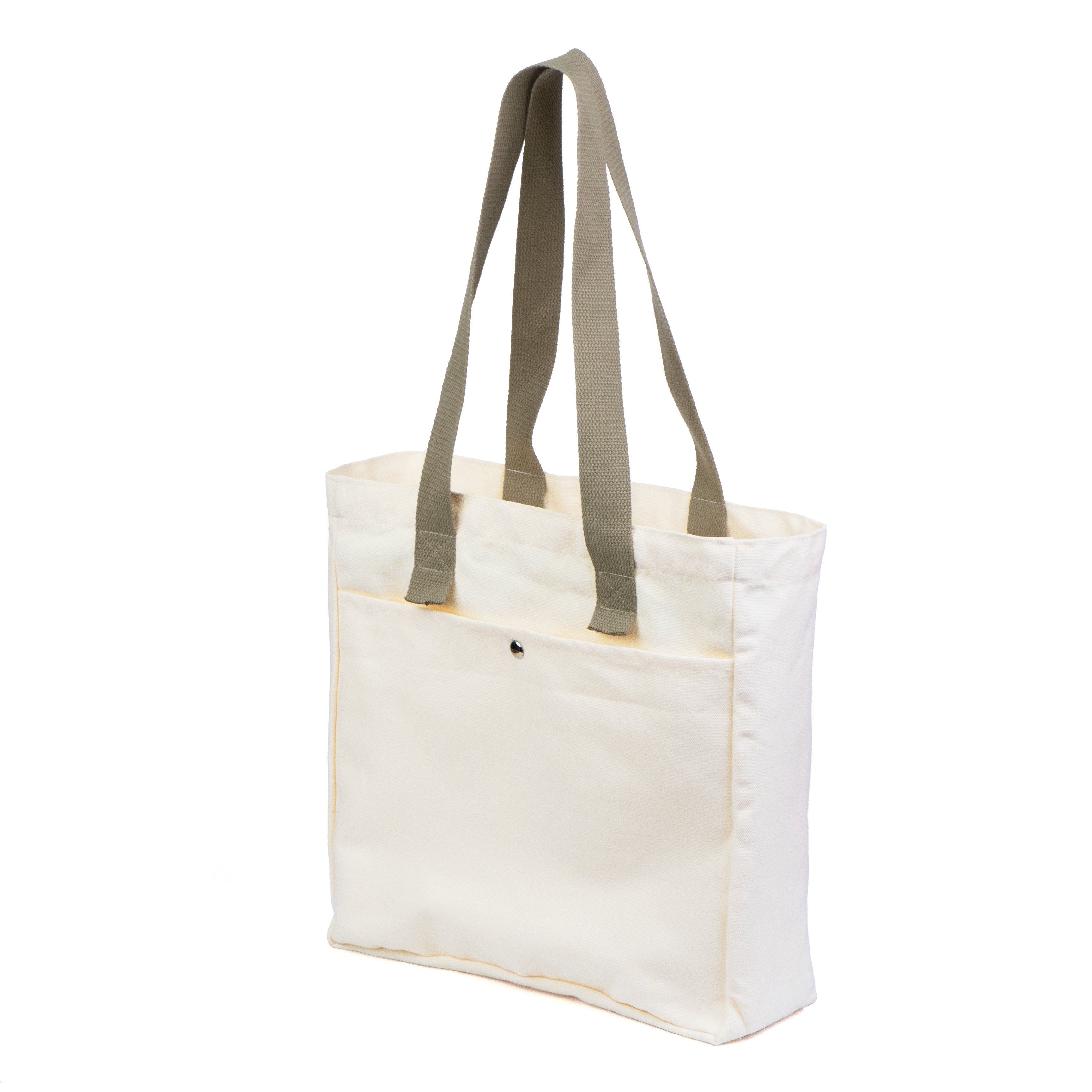
A non woven bag factory provides extensive customization capabilities that empower businesses to create distinctive products that strengthen brand identity and resonate with target audiences. The customization journey begins with material selection, where clients can choose from various fabric weights, textures, and compositions. Lighter fabrics suit promotional giveaways and single-use applications, while heavier materials provide the durability needed for repeated shopping trips or long-term use. Laminated options add water resistance and a premium feel, while matte finishes convey understated elegance. Color possibilities extend far beyond basic options, with most facilities offering extensive color matching services. Whether you need to match specific Pantone colors for brand consistency or want to explore trending color combinations, a non woven bag factory can accommodate your requirements. Some manufacturers also provide color consultation services, helping you select hues that align with your brand personality and appeal to your demographic. Size and shape customization allows you to design bags perfectly suited to their intended purpose. Standard dimensions work well for general retail use, but custom sizing ensures optimal fit for specific products or applications. A non woven bag factory can produce compact bags for cosmetics, oversized bags for bedding or bulk items, tall narrow bags for wine bottles, or any configuration that serves your needs. The structural design options include various handle styles such as die-cut handles integrated into the bag body, reinforced soft loop handles for comfortable carrying, sturdy rope handles for heavier loads, or long handles that allow shoulder carrying. Bottom gussets add capacity and stability, while side gussets create expandable storage. Reinforced bottoms provide extra support for heavy items. Printing and decoration services offered by a non woven bag factory transform plain bags into powerful marketing tools. Full-coverage printing creates eye-catching designs that turn bags into mobile advertisements. Strategic logo placement ensures brand visibility without overwhelming the design. Metallic inks, spot UV coating, and embossing add premium touches that elevate perceived value. Some facilities also offer additional features like zippered closures, interior pockets, button fasteners, or transparent windows. These functional elements enhance usability while differentiating your bags from competitors. The ability to combine multiple customization options means you can create truly unique products that perfectly represent your brand and meet specific functional requirements that standard bags cannot address.
Sustainable Manufacturing Practices and Environmental Responsibility

Sustainable Manufacturing Practices and Environmental Responsibility

Environmental consciousness has become a defining characteristic of the modern non woven bag factory, with sustainability initiatives integrated throughout operations to minimize ecological impact while delivering products that help customers reduce their environmental footprint. The fundamental environmental advantage begins with the product itself, as bags manufactured by a non woven bag factory serve as reusable alternatives to disposable plastic bags that pollute oceans, harm wildlife, and persist in landfills for centuries. Each reusable bag potentially replaces hundreds of single-use bags over its lifetime, significantly reducing plastic waste and resource consumption. Material sourcing practices at responsible facilities prioritize recyclable and recycled content. Many manufacturers use polypropylene, a thermoplastic polymer that can be recycled multiple times without significant degradation. Some non woven bag factory operations have established closed-loop systems where production scraps and defective bags are collected, processed, and reintroduced into manufacturing as raw material. This approach minimizes waste sent to landfills and reduces demand for virgin materials. Energy efficiency improvements represent another critical sustainability focus. Modern equipment consumes less power while maintaining or improving production capacity. Facilities install LED lighting, optimize heating and cooling systems, and implement energy management systems that monitor consumption and identify opportunities for reduction. Some manufacturers have invested in renewable energy sources like solar panels to power operations with clean electricity. Water conservation measures are particularly important in facilities that include washing or cooling processes. Advanced systems recycle and treat water for reuse, dramatically reducing freshwater consumption and wastewater discharge. Chemical management protocols ensure that any substances used in production are handled safely, stored properly, and disposed of responsibly according to environmental regulations. The non woven bag factory also contributes to sustainability through product longevity. By manufacturing durable bags that withstand extended use, these facilities help customers avoid the cycle of frequent replacement that characterizes disposable products. Durability testing ensures bags can handle repeated use, heavy loads, and various conditions without premature failure. Transportation efficiency benefits from the lightweight nature of non woven bags. Compared to alternatives like cotton or jute bags, non woven products require less fuel for shipping due to their lower weight, reducing carbon emissions associated with distribution. Many facilities also optimize packaging to minimize material use and maximize shipping efficiency. Certifications and compliance with environmental standards demonstrate a non woven bag factory commitment to responsible manufacturing. Reputable facilities pursue certifications that verify sustainable practices and provide transparency about their environmental performance, giving customers confidence that their purchasing decisions support responsible manufacturing.
Inquiry Inquiry Email Email Tel Tel WhatsApp WhatsApp

Get a Free Quote

Our representative will contact you soon.
Email
Name
Company Name
Message
0/1000