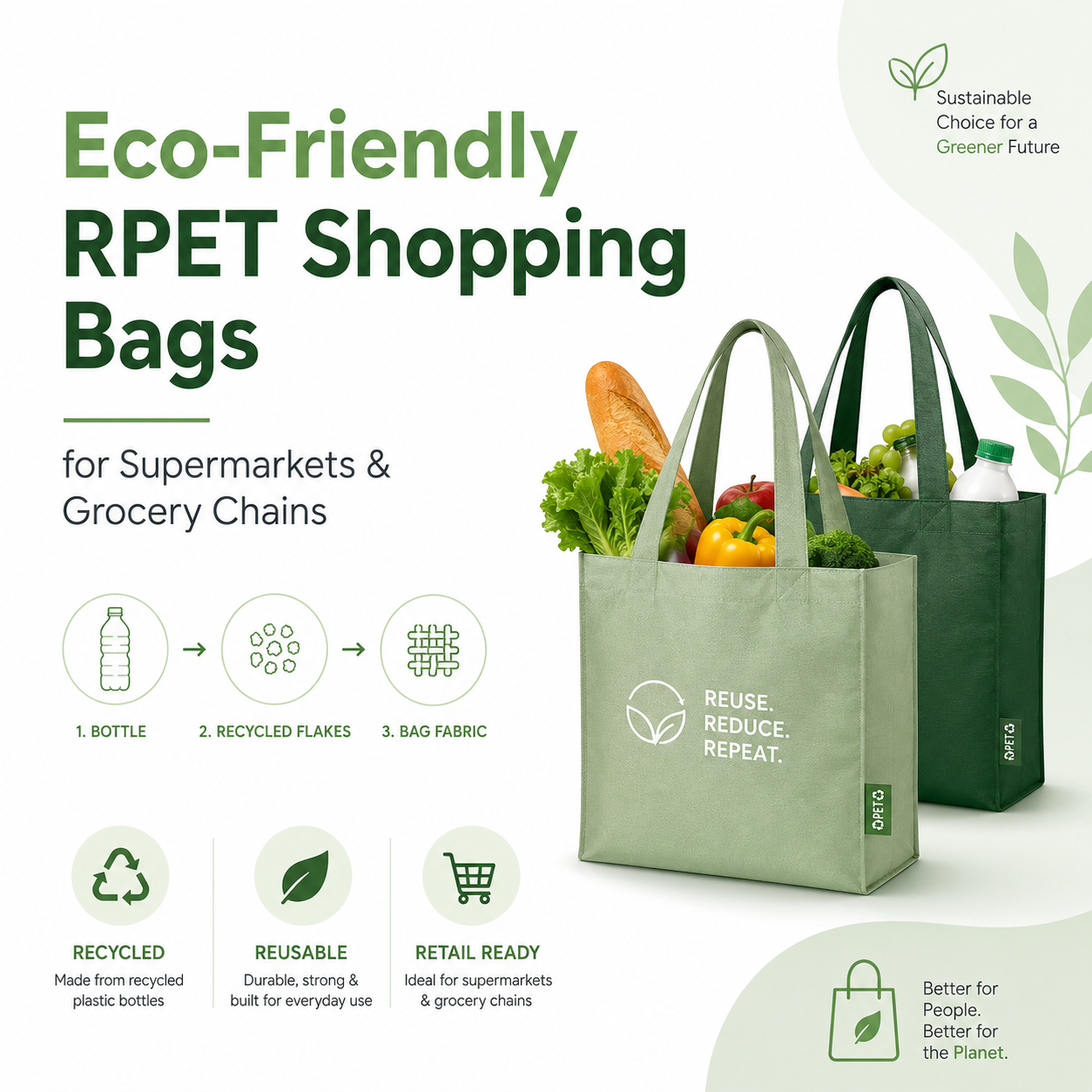
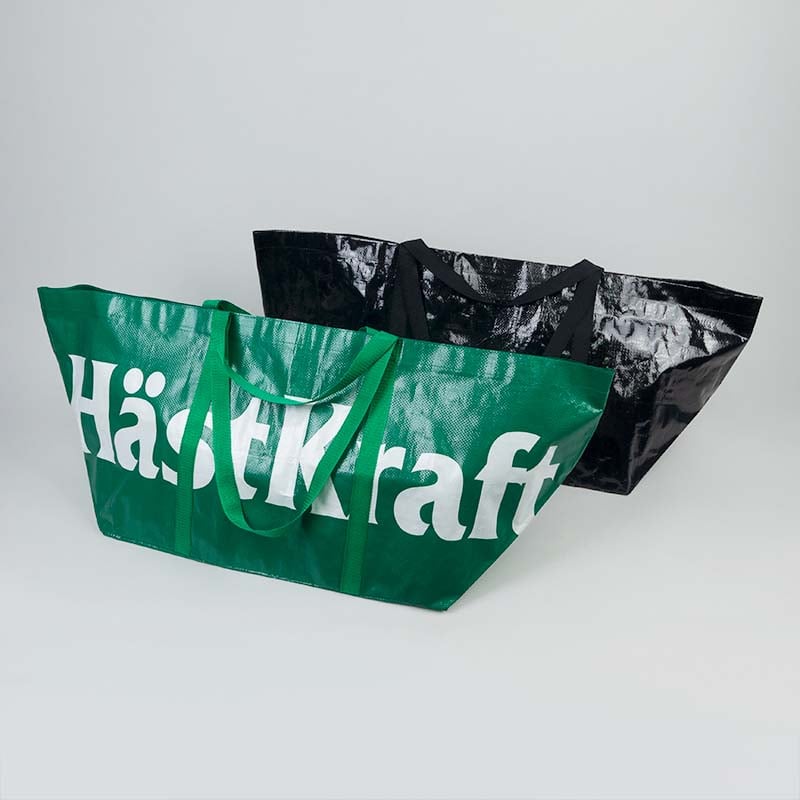
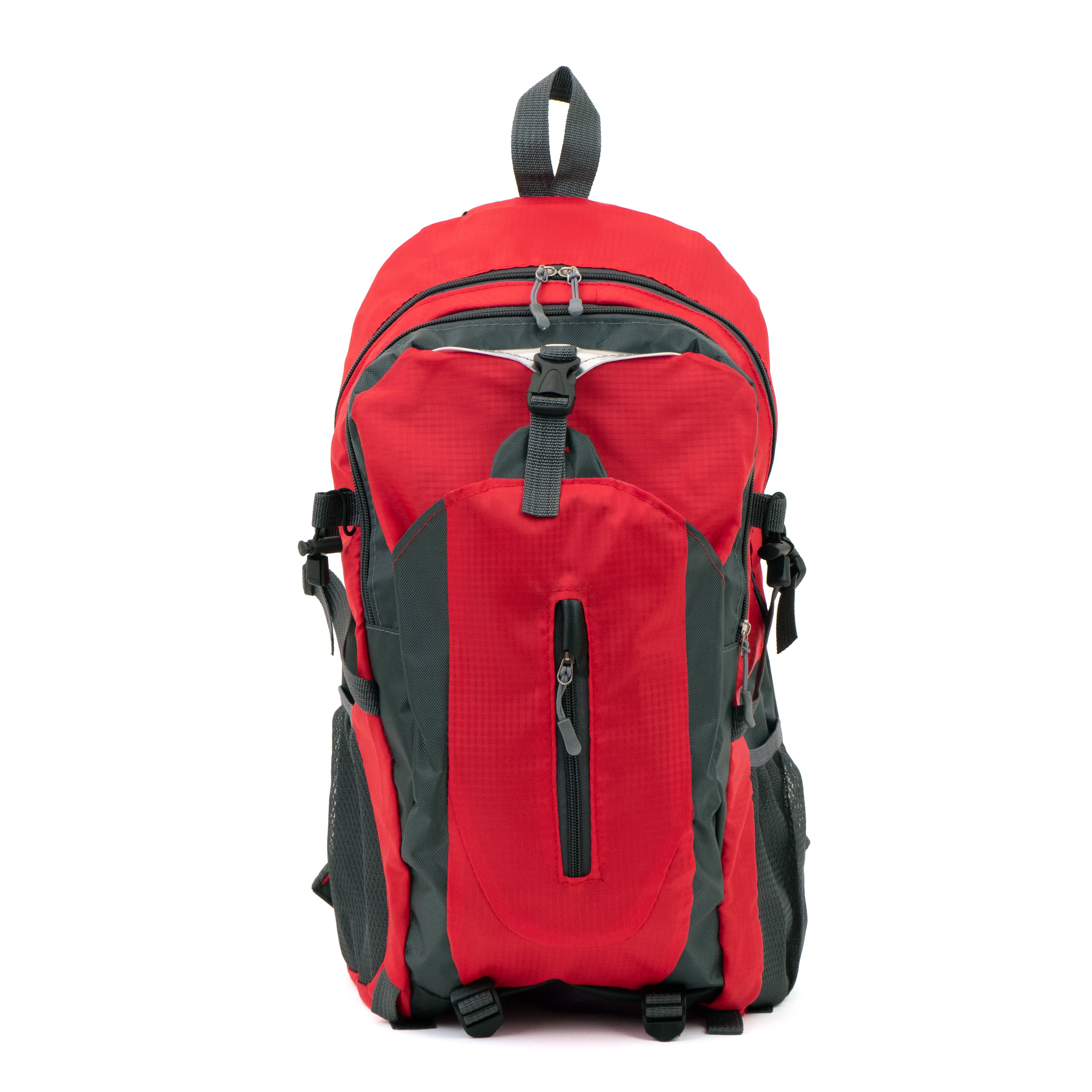
Els supermercats i les cadenes d’alimentació necessiten bosses de compres que siguin pràctiques, reutilitzables, visibles com a marca i adequades per a la distribució a gran escala. A mesura que els detallistes redueixen progressivament la seva dependència de les bosses de plàstic d’un sol ús, les bosses RPET s’han convertit en una opció popular per a programes de compres reutilitzables, campanyes de fidelització, promocions estacionals i envasos privats per a la venda al detall.
Les bosses RPET es fabriquen a partir de material PET reciclat, habitualment transformats en teixit de polièster reciclat. Per als supermercats, aquesta matèria prima permet explicar clarament una història basada en materials reciclats, sense renunciar, al mateix temps, a una elevada capacitat de càrrega, una construcció lleugera, la possibilitat de plegar-les, la personalització cromàtica i la impressió de logotips en àrees extenses.
Aquesta guia explica com poden fer servir les bosses de compra d’RPET els supermercats i les cadenes d’alimentació, quines estructures de producte són més adequades, què han de comprovar els compradors abans de fer comandes massives i com desenvolupar un programa de bosses reutilitzables que funcioni tant per als clients com per a les operacions comercials.
Per què les bosses de compra d’RPET són adequades per als supermercats
1. Reutilitzables i pràctiques per transportar articles d’alimentació
Les bosses de supermercat han de poder portar articles diaris com fruites, aliments envasats, begudes, articles per a la llar, productes congelats, productes de pastisseria i articles de cura personal.
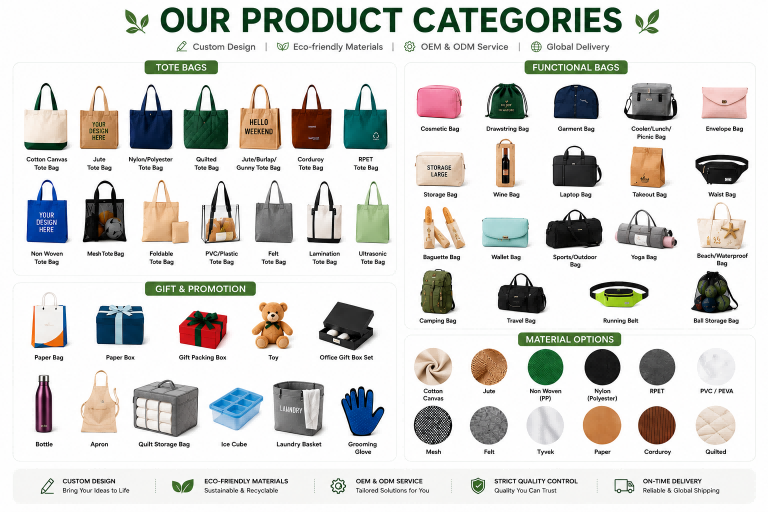
Els teixits d’RPET es poden desenvolupar en diverses estructures, incloent-hi:
- Bosses de compra lleugeres plegables
- Bosses de compra grans per a l’alimentació
- Bosses reutilitzables reforçades
- Bosses isotèrmiques per a l’alimentació
- Bosses de compra laminades
- Bosses de xarxa per a productes frescos
- Sacos de venda amb múltiples butxaques
El material es pot seleccionar segons la càrrega prevista, l’objectiu de preu, les necessitats d’emmagatzematge i la posició de marca.
2. Posicionament clar de materials reciclats
Per als supermercats, la comunicació sobre el material és fonamental. L’RPET permet als detallistes utilitzar teixits de polièster reciclat i comunicar als consumidors una opció de material més responsable.
Els possibles posicionaments inclouen:
- Fabricat amb teixit de polièster reciclat
- Sac reutilitzable per a programes de compra d’aliments
- Opció de material RPET per a envasos comercials
- Reducció de l’ús de polièster vírgen en comparació amb els sacos convencionals de polièster
- Solució personalitzada de sacs de compra de material reciclat
Els compradors han d’evitar afirmacions no fonamentades, com ara «100 % sostenible» o «totalment biodegradable». L’RPET és polièster reciclat, no un material biodegradable.
3. Lleugers i fàcils de distribuir
En comparació amb les bosses de tela o d’embalatge rígides, les bosses per a compres de RPET poden ser lleugeres, compactes i eficients per al transport massiu.
Això és útil per a:
- Vendes al comptador de caixa
- Regals del programa de fidelització
- Campanyes de membres
- Esdeveniments d'obertura de botiga
- Promocions estacionals
- Lliurament d’aliments per comerç electrònic
- Distribució entre botigues franquiciades
Les bosses plegables de RPET es poden embalar en petites bosses o fundes, reduint la pressió d’emmagatzematge als magatzems de supermercats i als establiments minoristes.
4. Àrea extensa per a la personalització de la marca
Els supermercats normalment necessiten bosses que generin una exposició repetida de la marca. Les bosses per a compres de RPET poden oferir grans panells frontal i posterior per a:
- Logotips de supermercats
- Lemmes de campanya
- Missatges del programa de fidelització
- Gràfics estacionals
- Colors identitat de la botiga
- Codis QR
- Icones relacionades amb la sostenibilitat
- Campanyes conjuntes amb proveïdors
Segons el tipus de teixit i el mètode d'impressió, els logotips es poden aplicar mitjançant serigrafia, transferència tèrmica, sublimació, impressió digital, etiqueta teixida o emblema de goma.
Tipus recomanats de bosses RPET per a supermercats
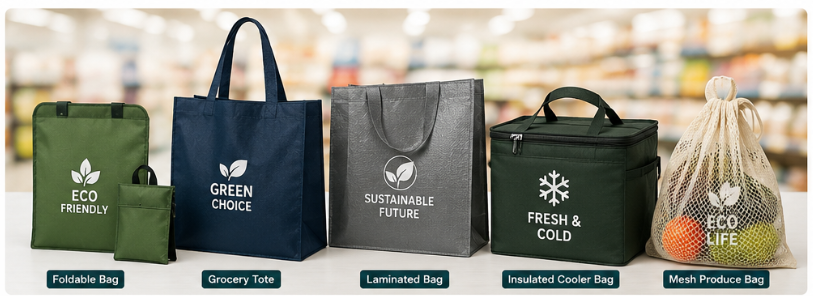
1. Bosses de compres plegables RPET
Ideal per a: programes de fidelització, vendes al punt de pagament, bosses reutilitzables de mida de viatge i campanyes promocionals.
Avantatges clau
- Emmagatzematge compacte
- Cos lleuger
- Fàcil de portar a les bosses de mà o als cotxes
- Adequat per a viatges repetits al supermercat
- Econòmic per a campanyes àmplies
- Adequat per a l'envasament en bossa
Configuració recomanada
- Polèster RPET lleuger o teixit ripstop
- Bossada plegable o butxaca integrada
- Assecadors reforçats
- Impressió gran del logotip
- Colors múltiples de marques de supermercats
- Fundeta de paper per a venda al detall o etiqueta de codi de barres
Recomanat Producte Nom:
Bossa plegable per a comandes de supermercat personalitzada en RPET
2. Bosses de compres en RPET
Ideal per: compres habituals al supermercat, mercaderies minoristes i programes de bosses reutilitzables de cadenes de supermercats.
Avantatges clau
- Capacitat més gran que les bosses planes
- Les vores laterals i el fons amb pliegues milloren l'espai útil
- Adequades per a aliments en caixa, verdures, productes embalats i comandes diàries
- Logotip visible a la part frontal transparent
- Es poden vendre o regalar a les botigues
Configuració recomanada
- Tela d'RPET de pes mitjà
- Fons ampli amb reforç lateral
- Costura reforçada de les ases
- Inserció opcional al fons
- Obert per dalt o tancament amb botons
- Impressió gran del logotip a les dues cares
Nom recomanat del producte:
Bossa de compra reutilitzable de supermercat en RPET
3. Bosses de compra laminades en RPET
Ideal per: programes de comandes alimentàries més robustos, marques premium de supermercats i compres reutilitzables al detall.
Avantatges clau
- Millor estructura
- Neteja de la superfície més fàcil
- Aspecte visual més resistent
- Més adequat per a gràfics impresos en color complet
- Millor exposició a l’aparador quan està plena
Configuració recomanada
- Material de RPET teixit o no teixit amb laminació
- Costures reforçades
- Estructura de fons pla
- Impressió a tot color
- Manetes de cinta suau
- Embalatge plegable
Nom recomanat del producte:
Bosses de compres laminades de RPET per a comerços d’alimentació
4. Bosses refrigerades d’alimentació d’RPET aïllades
Ideal per a: aliments congelats, productes alimentaris refrigerats, kits de menjars, lliurament d’aliments, picnics i comerços alimentaris.
Avantatges clau
- Permet transportar aliments sensibles a la temperatura
- Útil per a aliments congelats, làctics, begudes i productes frescos
- Valor percebut superior al de les bosses de compres estàndard
- Adequat per a programes de bosses reutilitzables de supermercat de pagament
- Es pot utilitzar per a promocions estacionals
Configuració recomanada
- Tela exterior de RPET
- Revestiment interior aïllat
- Tancament de cremallera
- Assecadors reforçats
- Base ampla
- Butxaca frontal opcional
- Placa amb logotip personalitzat
Nom recomanat del producte:
Bosses refrigeradores aïllades per a comandes d’aliments de RPET
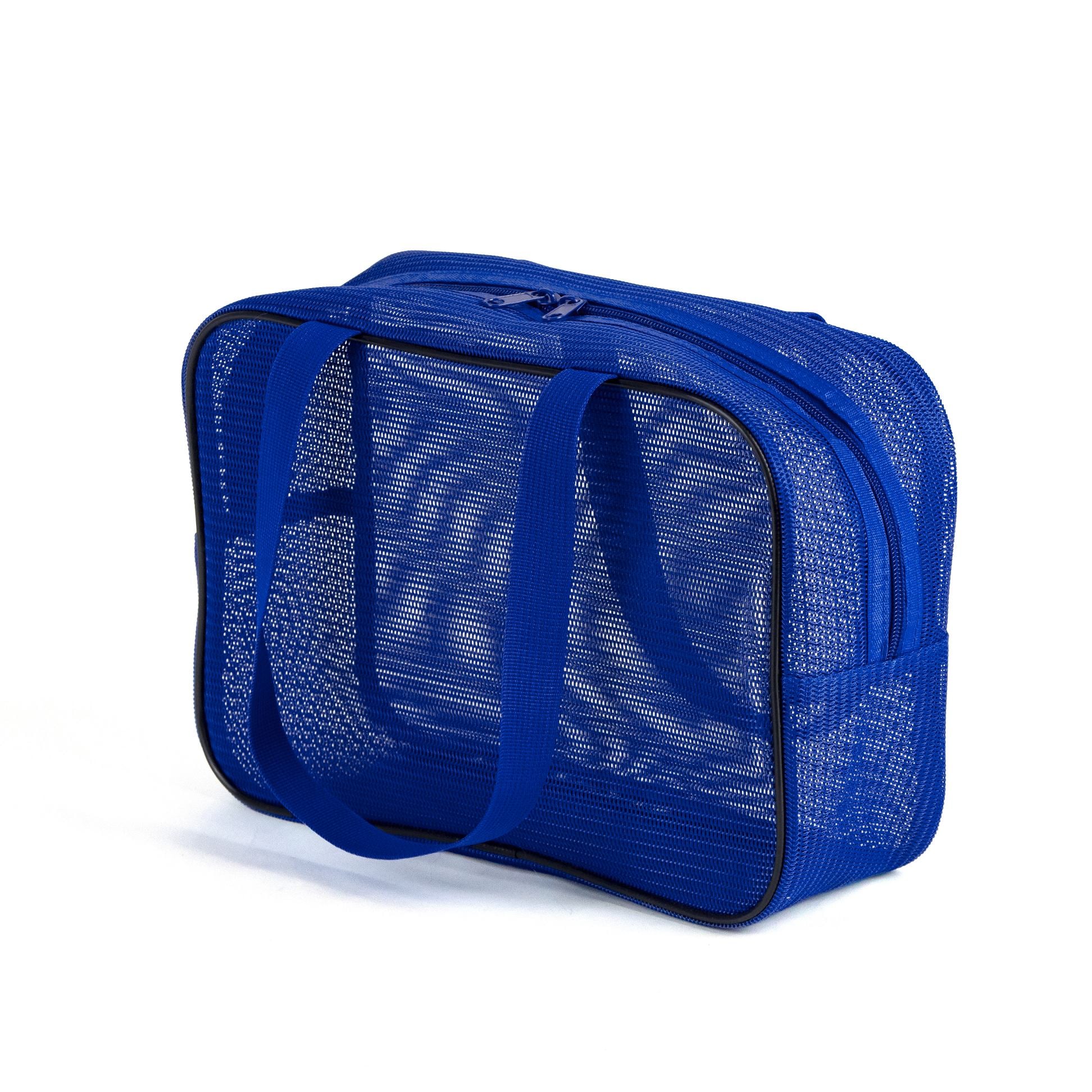
5. Bosses de productes frescos de xarxa de RPET
Ideal per a: fruites, verdures, productes frescos, racó de venda sense residus, supermercats orgànics.
Avantatges clau
- Pes lleuger
- Transpirable
- Adequat per a la selecció de productes frescos
- Pot substituir les petites bosses desechables per a productes frescos en alguns programes de botigues
- Fàcil de transportar i emmagatzemar
Configuració recomanada
- Tela de xarxa RPET
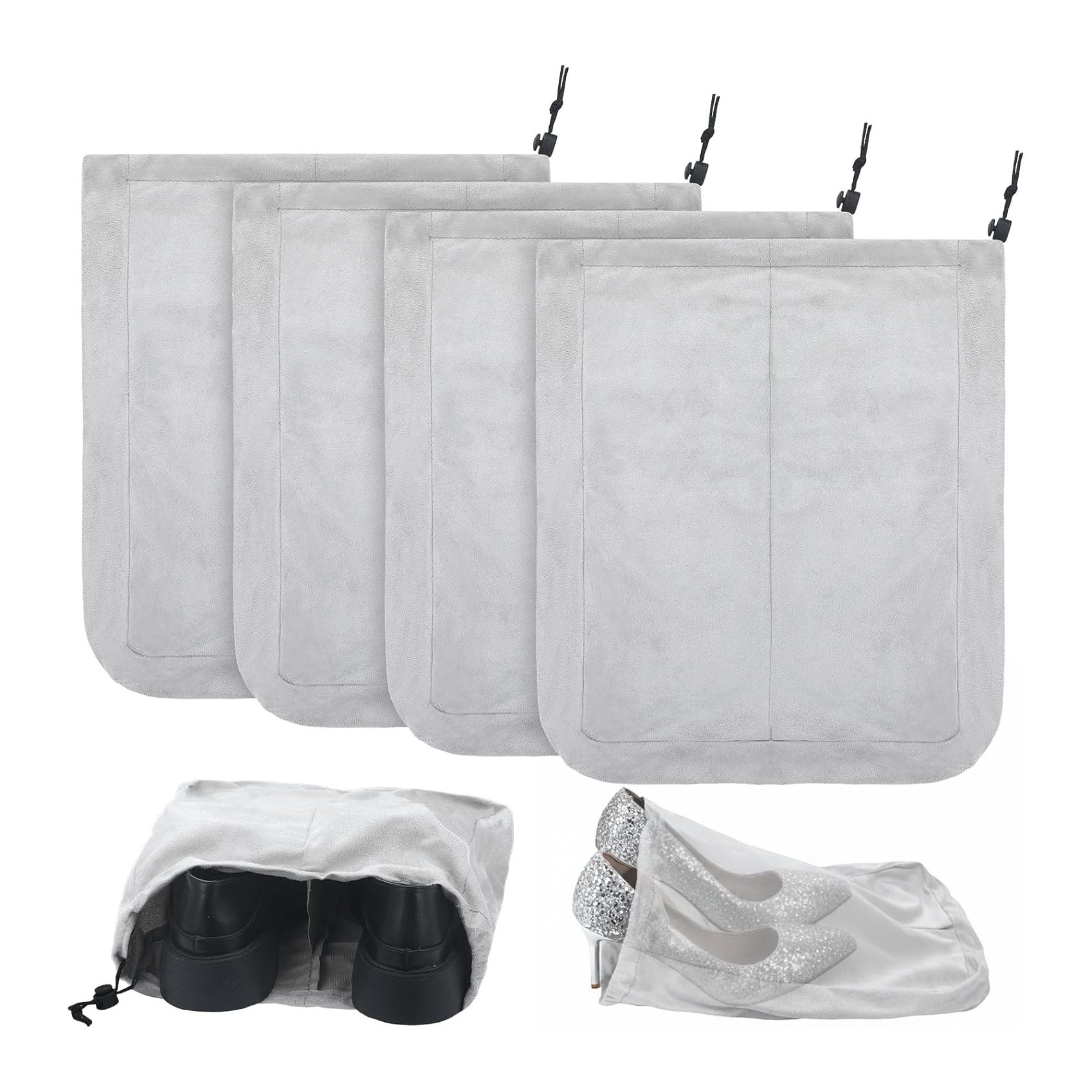
- Tancament amb cordill
- Etiqueta de pes o etiqueta de tara
- Etiqueta amb logotip petit
- Embalatge per a joc de mides múltiples
- Etiqueta d’instruccions de neteja
Nom recomanat del producte:
Joc de bosses per a productes de xarxa RPET
6. Bosses per a repartiment i recollida RPET
Ideal per a: repartiment d’aliments, recollida a clic, recollida a botiga i serveis de repartiment per a membres.
Avantatges clau
- Capacitat superior
- Es pot dissenyar per a la manipulació per part del personal
- Admet logística de la botiga al client
- Adequat per a serveis de lliurament amb marca
- Pot incloure opcions d’aïllament o compartiments
Configuració recomanada
- Tela Oxford pesada de RPET
- Assecadors reforçats
- Retrocés resistent
- Estructura de capsa ampla
- Aïllament opcional
- Logotip gran de la botiga
- Etiqueta d’identificació o butxaca per a comandes
Nom recomanat del producte:
Bossatge per a la lliura de productes alimentaris de RPET
Com haurien d’escollir els supermercats la bossa adequada de RPET
Per a les vendes al comptador de caixa
Esculli:
- Plegable de RPET per fer compres
- Bosses de RPET mitjanes
- Bossa de compres laminada d’RPET
Centrat en:
- Volum d’emmagatzematge reduït
- Visibilitat clara del logotip
- Etiquetatge fàcil de codis de barres
- Reabastiment ràpid dels prestatges
- Bon ratio preu-valor
Per a programes de fidelització i membres
Esculli:
- Bossa plegable d’RPET amb funda
- Bosses reutilitzables multicolors
- Bosses promocionals co-marcades
- Bosses isotèrmiques d’RPET per dinar o fer la compra
Centrat en:
- Presentació del regal
- Missatge de marca
- Reutilització
- Disseny d'embalatge
- Consistència cromàtica de la campanya
Per a cadenes premium de supermercats
Esculli:
- Bossa de compres laminada d’RPET
- Bosses per fer la compra d’RPET pesades
- Bosses refredadores aïllades d’RPET
- Bossa de botiga reutilitzable d'RPET estructurada
Centrat en:
- Tela més resistenta
- Millor impressió
- Assecadors reforçats
- Embalatge premium
- Ús prolongat per part del client
Per a botigues d'aliments orgànics o frescos
Esculli:
- Bosses de xarxa d'RPET per a productes
- Bossa de botiga d'RPET de color natural
- Bossa de compra d'RPET plegable
- Bossa isotèrmica de RPET
Centrat en:
- Comunicació sobre el material
- Lavabilitat
- Respirabilitat
- Separació de productes
- Disseny d'etiqueta neta
Per a la lliurament en línia de comandes de supermercat
Esculli:
- Bossa de lliurament de RPET
- Bossà termoaislant per a comandes de supermercat
- Bossà gran amb cremallera per a compres
- Bossà de lliurament amb múltiples compartiments
Centrat en:
- Capacitat
- Resistència de les assecles
- Durabilitat de la cremallera
- Aïllament
- Manipulació repetida per part del personal
- Fàcil neteja
Punts clau de disseny per a bosses de supermercat de RPET
1. Mida i capacitat de la bossa
Les bosses de supermercat han d’ajustar-se a les categories reals de productes.
Els casos d’ús habituals inclouen:
- Cistella diària de compra
- Compra setmanal familiar
- Menjar congelat
- Pastisseria i productes frescos
- Fruites i verdures
- Begudes envasades en ampolles
- Productes domèstics
Els compradors haurien de confirmar:
- Amplada
- Altura
- Profunditat del plec inferior
- Alçada de les anses
- Mida plegada
- Càrrega màxima prevista
- Mètode de presentació del producte
Una bossa massa petita redueix la seva utilitat. Una bossa massa gran pot augmentar el cost del teixit, el volum d’enviaments i la dificultat de manipulació.
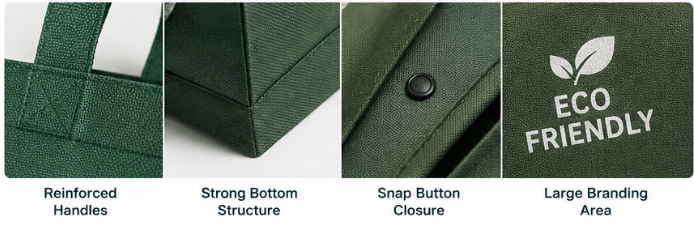
2. Reforç de les assecles
Les assecles són un dels punts de qualitat més importants per a les bosses de compra.
Les millores recomanades inclouen:
- Asques de cinta més amples
- Reforç amb punt de creu
- Costura reforçada amb barra
- Refort complet de les agafes
- Estructura d’assecles amb recobriment inferior
- Teixit d’assecles de doble capa
- Empunyadura acolchonada per a bosses de compra pesades
Per transportar mercaderies pesades, les proves de les asques s’han de fer amb càrregues realistes.
3. Estructura inferior
Una base robusta millora la funcionalitat de la bossa.
Les opcions inclouen:
- Base plana senzilla
- Fons reforçat
- Costura reforçada a la base
- Placa de polietilè inserida
- Placa inferior plegable
- Base laminada
- Estructura en forma de caixa
Per als supermercats, una base plana i estable ajuda els clients a empaquetar més fàcilment les compres a la caixa.
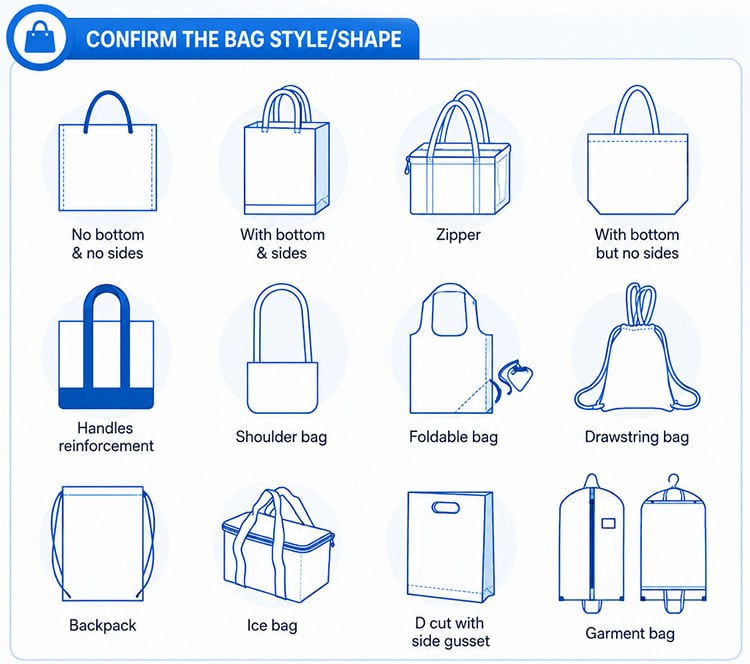
4. Opcions de tancament
Els diferents tancaments tenen finalitats distintes.
Les opcions disponibles inclouen:
- Oberts per la part superior per a un ús ràpid a la caixa
- Botó de pressió per a un tancament senzill
- Cremallera per a un transport segur
- Cordill per a bosses per a productes frescos
- Velcro per a bosses plegables
- Cinta elàstica plegable
Les bosses obertes per la part superior són pràctiques, mentre que les bosses amb cremallera són més adequades per a la distribució, els viatges o els productes refrigerats.
5. Impressió i marca visual
Les bosses de RPET per a supermercats poden utilitzar:
- Serigrafia
- Transferència tèrmica
- Impressió per sublimació
- Impressió Digital
- Etiquetes teixides
- Patches de goma
- Art gràfic de superfície completa
- Gràfics de proveïdor co-brandats
Per a comandes de gran volum, la impressió senzilla del logotip és econòmicament eficient. Per a cadenes de supermercats premium, els gràfics en color complet o les superfícies impresses laminades poden generar una major atracció a l’aparador.
Certificacions i declaracions sobre els materials
Què han de confirmar els compradors
Abans de fer una comanda de bosses d’RPET, els compradors de supermercats han de confirmar:
- Percentatge de polièster reciclat
- Si el material prové de residus postconsum o postindustrials
- Quines parts de la bossa utilitzen material reciclat
- Si el proveïdor del teixit disposa de documents justificatius
- Si es necessita documentació GRS o RCS
- Si es requereix un certificat de transacció
- Quina redacció es pot fer servir a la bossa o l'embalatge
Exemples de declaracions
Les declaracions més precises inclouen:
- Fabricat amb teixit de polièster reciclat
- Bosses reutilitzables per a les compres de RPET
- Conté material de polièster reciclat
- Bosses reutilitzables per a les compres fabricades amb teixit de RPET
- Opció de bosses per a les compres fetes amb material reciclat
Eviteu declaracions no fonamentades com:
- 100 % ecològic
- Bossa sense residus
- Totalment sostenible
- Lliures de plàstic
- Bosses biodegradables de RPET
a menys que la composició completa del producte i la documentació ho recolzin.
Bosses de compres de RPET respecte a altres materials per a bosses de supermercat
| Material |
Millor per |
Avantatges |
Notes |
| RPET |
Bosses reutilitzables per a la compra, bosses plegables, bosses isotèrmiques |
Lleugeres, posicionament amb materials reciclats, imprimibles |
Les declaracions requereixen documentació |
| PP no teixit |
Bosses reutilitzables amb control de costos |
Baix cost, habitual per a promocions |
No és el mateix que el RPET |
| Cotó |
Bosses de venda al detall d’aspecte natural |
Aspecte tèxtil tou, bona impressió |
Absorbeix la humitat, cost més elevat que el no teixit bàsic |
| Lona |
Bosses reutilitzables premium |
Resistent, estructurat, valor comercial |
Més pes i volum d’enviaments més elevat |
| Iuta |
Embalatge ecològic i natural per a la venda al detall |
Textura natural, forta identitat visual |
Superfície rugosa, no impermeable |
| Paper |
Embalatge comercial a curt termini |
Presentació neta, imprimible |
Menys durador per a ús repetit en botigues d’alimentació |
Per a cadenes de supermercats, el RPET és especialment útil quan la bossa ha de ser reutilitzable, lleugera, amb marca i pràctica per a compres repetides.
Llista de comprovació per a compres en gran volum
Abans de comandar les bosses de supermercat de RPET, els compradors haurien de confirmar:
Estructura del producte
- Tipus de bossa
- Dimensions
- Profunditat de la màniga
- Longitud de l'Empunyadura
- Mètode de tancament
- Requeriments de butxaca o bossa
- Reforç inferior
- Mida plegada, si escau
Material
- Especificació del teixit RPET
- Pes del teixit
- Revestiment o laminació
- Panells de reixeta o sòlids
- Documentació sobre el contingut reciclat
- Estandard de color
Marca
- Mida del logotip
- Posició de la impressió
- Mètode d'impressió
- Colors Pantone
- Materials promocionals de campanyes
- Requeriments de co-marca
- Disseny d'embalatge
Qualitat
- Objectiu de càrrega
- Prova de tracció de la nansa
- Força de la costura
- Fixesa del color
- Adherència de la impressió
- Expectatives d'ús repetit
- Aprovació de la mostra prèvia a la producció
Embalatge i logística
- Embalatge individual
- Etiquetes de codi de barres
- Caixes de distribució per a botigues
- Quantitat d'unitats en caixa
- Mida plegada
- Volum d'emmagatzematge a l'entrepà
- Etiquetes per al mercat de destinació
Els errors més comuns a evitar
Elecció del pes més baix del teixit
Un teixit molt lleuger pot reduir els costos, però també pot reduir la durabilitat, la forma i la satisfacció del client.
Ignorar la resistència de les assecles
Les bosses de supermercat sovint porten productes pesats. Les assecles febles poden provocar queixes fins i tot quan el teixit en si és acceptable.
Fer afirmacions sobre sostenibilitat sense suport
L’RPET és polièster reciclat, però la declaració exacta del producte ha de coincidir amb la composició del material i la documentació.
Excessiva complexitat de la bossa
Massa butxaques, tancaments o accessoris poden incrementar el cost i reduir la comoditat a l’hora de passar per caixa.
No fer proves amb càrregues reals d’aliments
Les proves s’han de fer amb productes realistes, com ara ampolles, llaunes, aliments en caixa, fruita i articles per a l’hogar.
Oblitant el volum del cartó
La mida plegada i la quantitat de cartons són importants per a l'emmagatzematge a l'entrepà del supermercat i la distribució a nivell de botiga.
Configuracions de producte recomanades
Bossa d'RPET estàndard per a cadenes d'alimentació
- Tela d'RPET de pes mitjà
- Estructura de bossa oberta per dalt
- Plis laterals i inferiors
- Assecadors reforçats
- Logotip gran de supermercat
- Embalatge en massa pla
Bosses d'RPET plegables per a campanyes
- Tela d'RPET lleugera amb acabat ripstop
- Bolsa d'emmagatzematge adjunta
- Impressió gran del logotip a la part frontal
- Múltiples colors de campanya
- Embalatge individual en fundes de paper
Bosses d'RPET premium per a supermercats
- Tela d'RPET laminada
- Forma estructurada de capsa
- Impressió a tot color
- Fons reforçat
- Manetes de cinta de cotó o polièster
- Embalatge amb codi de barres per a la venda al detall
Bossa refrigeradora per a aliments congelats de RPET
- Tela exterior de RPET
- Revestiment aïllant
- Tancament de cremallera
- Base ampla
- Assecadors reforçats
- Placa amb logotip estampat
Joc de xarxa de RPET per a productes frescos
- Tela de xarxa RPET
- Tancament amb cordill
- Múltiples tamanyos
- Petita etiqueta de logotip teixida
- Embalatge amb cinta de paper
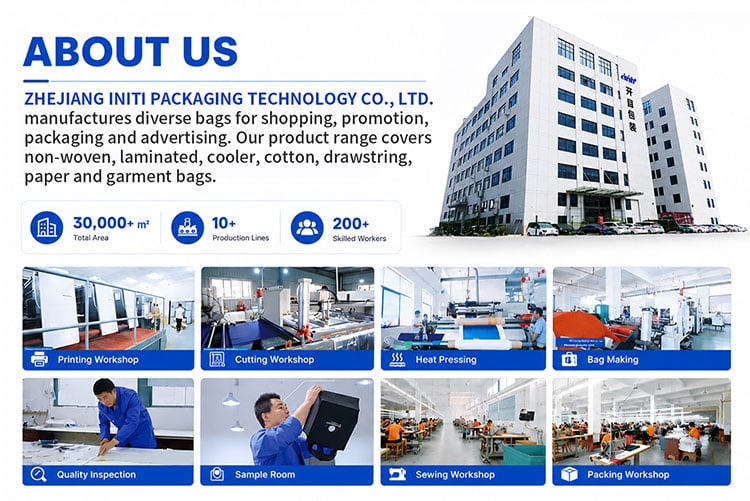
16 anys d'experiència en la fabricació personalitzada de bosses
INITI té 16 anys d'experiència en el desenvolupament personalitzat bosses per fer compres, bosses de supermercat, bosses reutilitzables, bosses isotèrmiques, bosses plegables, bosses promocionals i solucions d’embalatge per a la venda al detall per a compradors internacionals.
Donem suport a tot el procés, des del concepte del producte i la selecció de materials fins al desenvolupament de mostres, la producció en massa, la inspecció de qualitat, l’embalatge i l’embarcament per a l’exportació.
Dos edificis fabrils i capacitat estable de producció en massa
Les nostres instal·lacions de producció permeten el tall, la costura, la impressió, el muntatge, la inspecció i l’embalatge tant per a bosses promocionals senzilles com per a programes de venda al detall de gran volum. Podem gestionar comandes de supermercats amb múltiples mides, campanyes amb colors mixts, embalatges amb marca pròpia, etiquetatge de codis de barres i requisits de distribució als establiments.
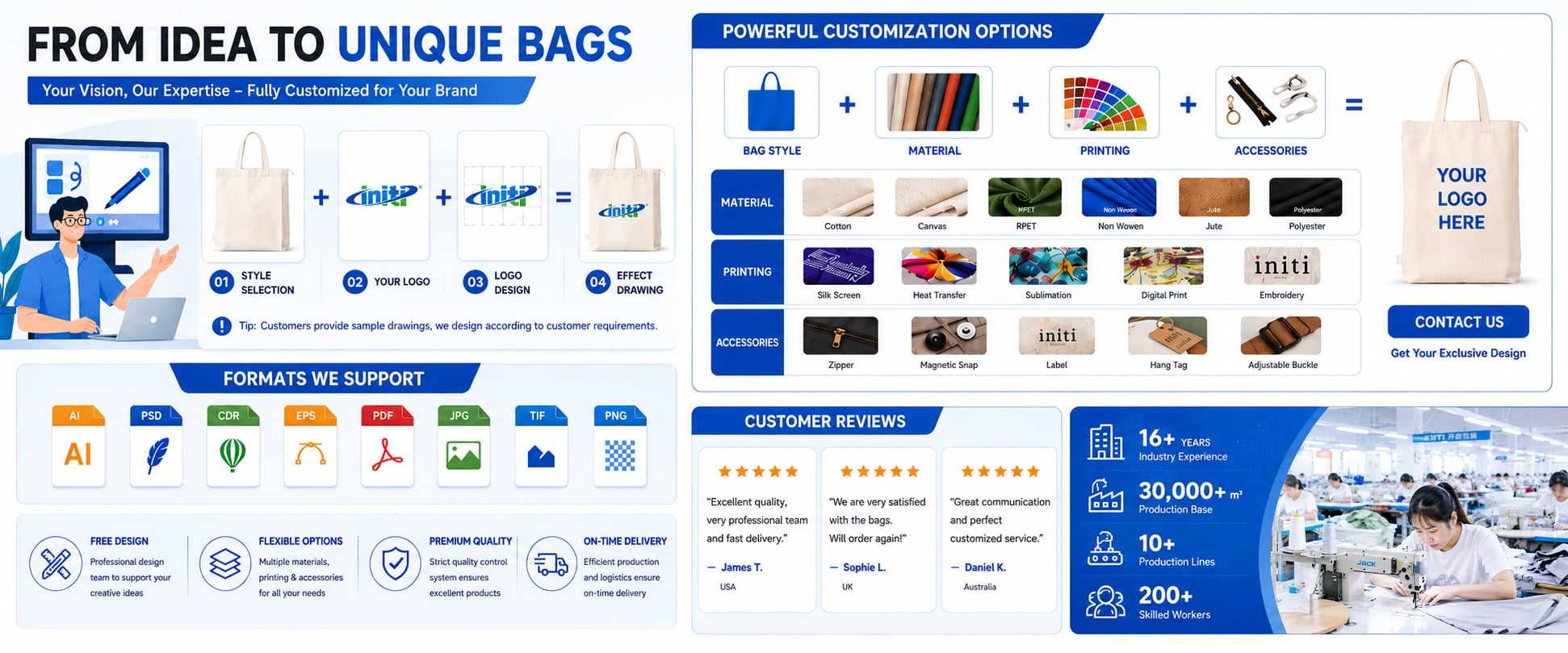
Personalització flexible OEM i ODM
Podem personalitzar:
- Tipus i gramatge del teixit RPET
- Mida i estructura de la bossa
- Disseny de la voresa i del fons
- Longitud de les asques i reforç
- Disseny de bossa plegable
- Revestiment aïllant
- Estructura de la bossa de xarxa per a productes frescos
- Mètodes d'impressió i de logotip
- Embalatge i etiquetes per a la venda al detall
- Pla d'embalatge en caixes de cartó
Es poden oferir suggeriments gratuïts de disseny i suport per al desenvolupament de mostres per ajudar els compradors a confirmar el rendiment de càrrega, la marca, l'embalatge i el preu abans de la producció en sèrie.
Diverses opcions d'impressió i de marca
Els processos disponibles inclouen:
- Serigrafia
- Transferència tèrmica
- Impressió per sublimació
- Impressió Digital
- Brodat
- Etiquetes teixides
- Patches de goma
- Tiradors de cremallera personalitzats
- Cinta de jacquard
- Etiquetes penjants i fundes de paper per a la venda al detall
Podem recomanar el mètode de marca més adequat segons el tipus de teixit, la complexitat de l'obra gràfica, la quantitat de comanda i la posició al supermercat.
Qualitat certificada i antecedents de producció responsable
El nostre historial de fàbrica i de gestió de la qualitat inclou:
- SEDEX
- Disney
- GRS
- HIGG
- ISO 9001
Per als projectes RPET, l'àmbit de certificació, la documentació sobre el contingut reciclat, les declaracions sobre el material i la documentació de transacció es poden discutir segons el teixit seleccionat i els requisits del comprador.
Experiència donant suport a marques globals i programes de venda al detall
El nostre equip té experiència en projectes que donen suport a productes personalitzats per a marques internacionals reconegudes i programes de propietat intel·lectual amb llicència, incloent-hi Disney, adidas, McDonald’s, Coca-Cola, Starbucks, Apple, Mercedes-Benz, Samsung, Nike, Marvel, Star Wars, Hello Kitty i altres noms globals.
Aquesta experiència ens ajuda a gestionar l'aprovació d'obres gràfiques, els estàndards de color, l'envasament per a la venda al detall, les inspeccions de qualitat i els calendaris d'entrega per a projectes amb marca i per a múltiples botigues.
Procés complet de control de qualitat
La inspecció de qualitat pot cobrir:
- Tela RPET entrant
- Color i pes de la tela
- Documentació sobre materials reciclats
- Precisió del tall
- Qualitat de la costura
- Refort de les asques
- Rendiment en suport de càrrega
- Qualitat d'impressió
- Capacitat de plegat
- Funcionament de la cremallera o del sistema de tancament
- Integritat de l'embalatge
- Inspecció final del cartó
Els mostres aprovades pel comprador, els arxius d'obres gràfiques, els estàndards de materials i les especificacions d'envasament s'utilitzen com a referències per a la producció en massa.
PMF
Una bossa de compres RPET està feta amb material PET reciclat, habitualment processat en tela de polièster reciclada per a la fabricació de bosses reutilitzables.
2. Les bosses RPET són adequades per a supermercats?
Sí. Les bosses de RPET són adequades per a bosses reutilitzables per a la compra, bosses plegables per a la compra, bosses laminades per a la compra, bosses isotèrmiques i bosses per a productes frescos.
3. Les bosses de RPET poden portar comandes pesades?
Sí, sempre que es triï el pes adequat del teixit, la reforçament de les anses, la costura i l’estructura del fons.
4. Es pot personalitzar la mida de la bossa?
Sí. L’amplada, l’alçada, la fondària del pliegue, la longitud de les anses i la mida plegada es poden personalitzar totalment.
5. Es poden imprimir logotips de supermercats?
Sí. Disponem d’impressió serigràfica, transferència tèrmica, sublimació, impressió digital, etiquetes teixides i insígnies.
6. Les bosses plegables de RPET poden incloure una bossa interior?
Sí. La bossa interior pot ser independent, subjecta o integrada a la bossa principal.
7. Les bosses de RPET són impermeables?
El teixit de RPET es pot recobrir per fer-lo resistent a l’aigua, però la bossa completa no és automàticament impermeable llevat que tota l’estructura ho permeti.
8. Es pot fer servir material certificat GRS?
El material i la documentació relacionats amb el GRS es poden discutir segons el material seleccionat, la cadena d’aprovisionament i els requisits de la comanda.
9. Es poden fabricar bosses refrigeradores d’RPET?
Sí. El teixit exterior d’RPET es pot combinar amb un revestiment aïllant per a bosses refrigeradores per a productes alimentaris.
10. Es poden fabricar bosses per a productes amb reixeta d’RPET?
Sí. Les bosses per a productes d’RPET en reixeta es poden desenvolupar en diferents mides amb tancaments de cordill.
11. Es poden subministrar colors diferents per a campanyes diferents a les botigues?
Sí. Es poden desenvolupar programes de colors mixts i de colors específics per a campanyes, segons la quantitat mínima de comanda (MOQ) i la planificació de producció.
12. Ofereixeu suport per a comandes OEM i grossista comandes de supermercats?
Sí. Ofereixem serveis d’OEM, ODM, marca pròpia, envasament personalitzat, etiquetatge de codis de barres i producció massiva per a la venda al por menor.
Productes recomanats
- Programes de bosses reutilitzables per a supermercats
- Envasament per a cadenes d’alimentació
- Venda al detall de productes frescos
- Embalatge per a aliments congelats
- Campanyes corporatives de sostenibilitat
- Promocions comercials
- Regals per a programes de fidelització
- Lliurament d’aliments per comerç electrònic
Crida a l'acció
Desenvolupi un programa personalitzat de bosses de RPET per a la seva cadena de supermercats
Indiqui-nos la mida de bossa desitjada, la càrrega esperada, el disseny del logo, els requisits del material, la quantitat de comanda, el mètode d’envasament i el mercat de destinació.
El nostre equip pot recomanar un teixit de RPET adequat, l’estructura de la bossa, la reforçament de les assecles, el mètode d’impressió, les opcions de certificació i el pla d’embalatge per al vostre projecte de cadena de supermercats o botigues d’alimentació.
Sol·licitar recomanacions de bosses de RPET
Desenvolupar una mostra personalitzada de bossa per a supermercats
Obtenir una pressupostació massiva OEM