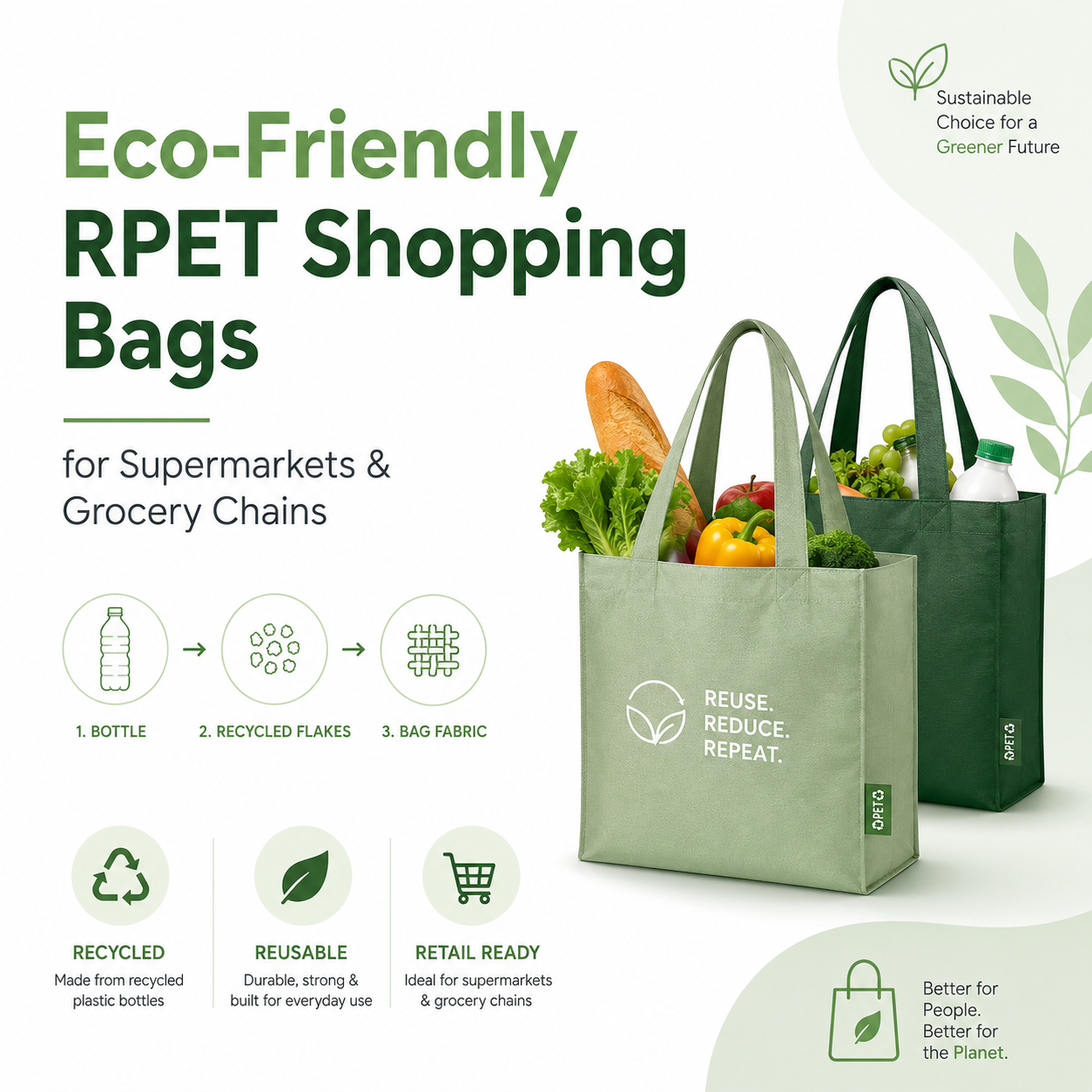
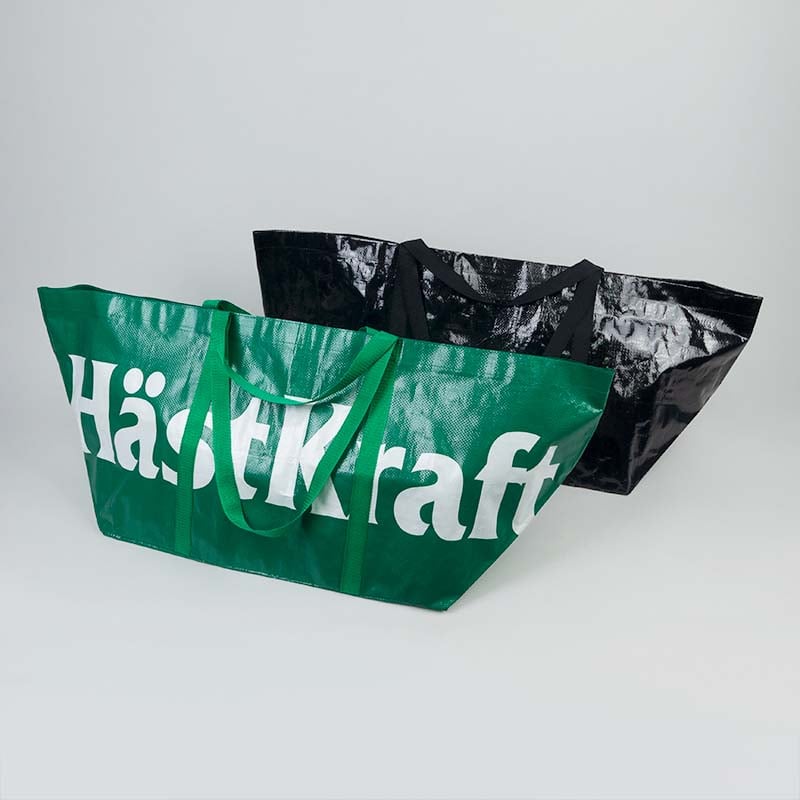
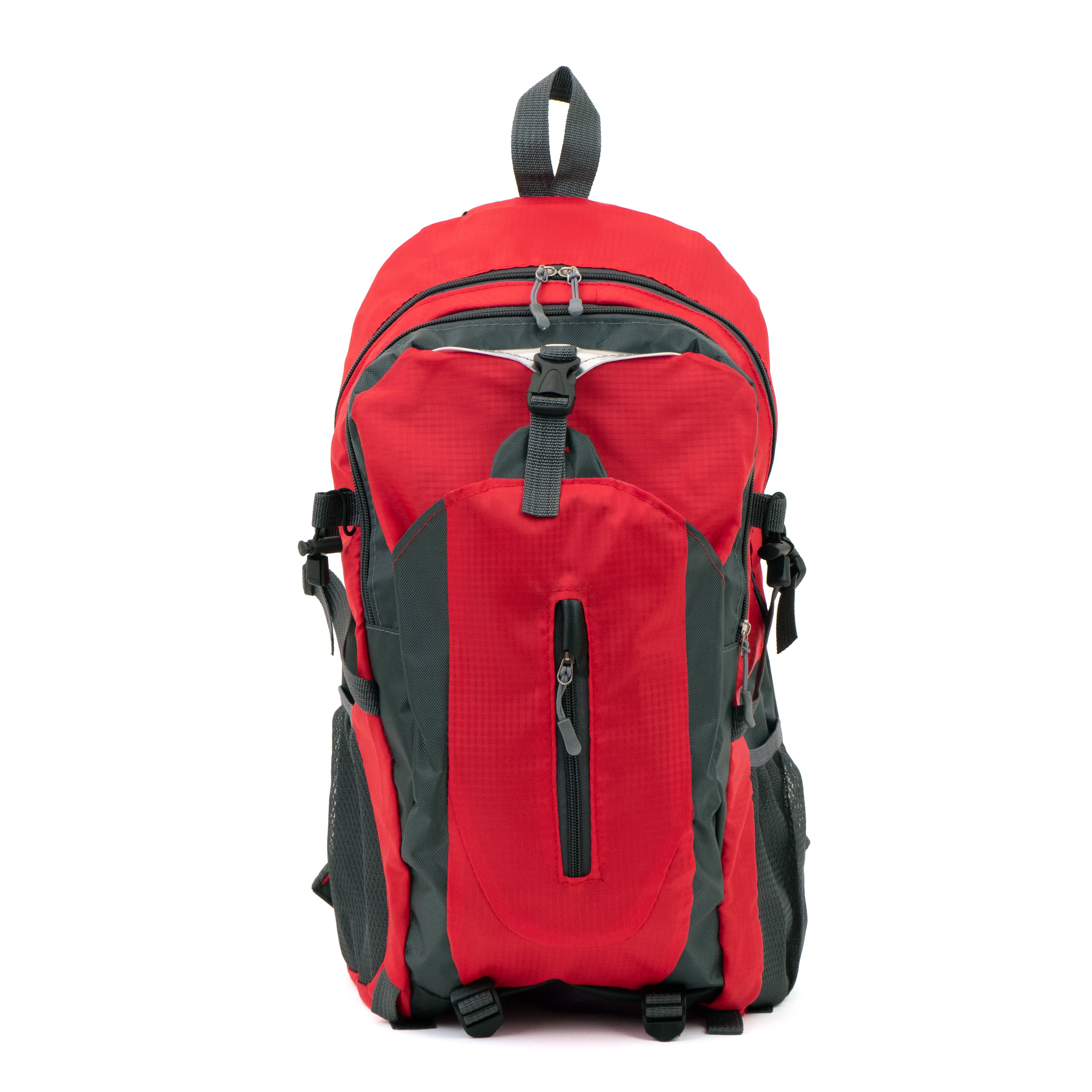
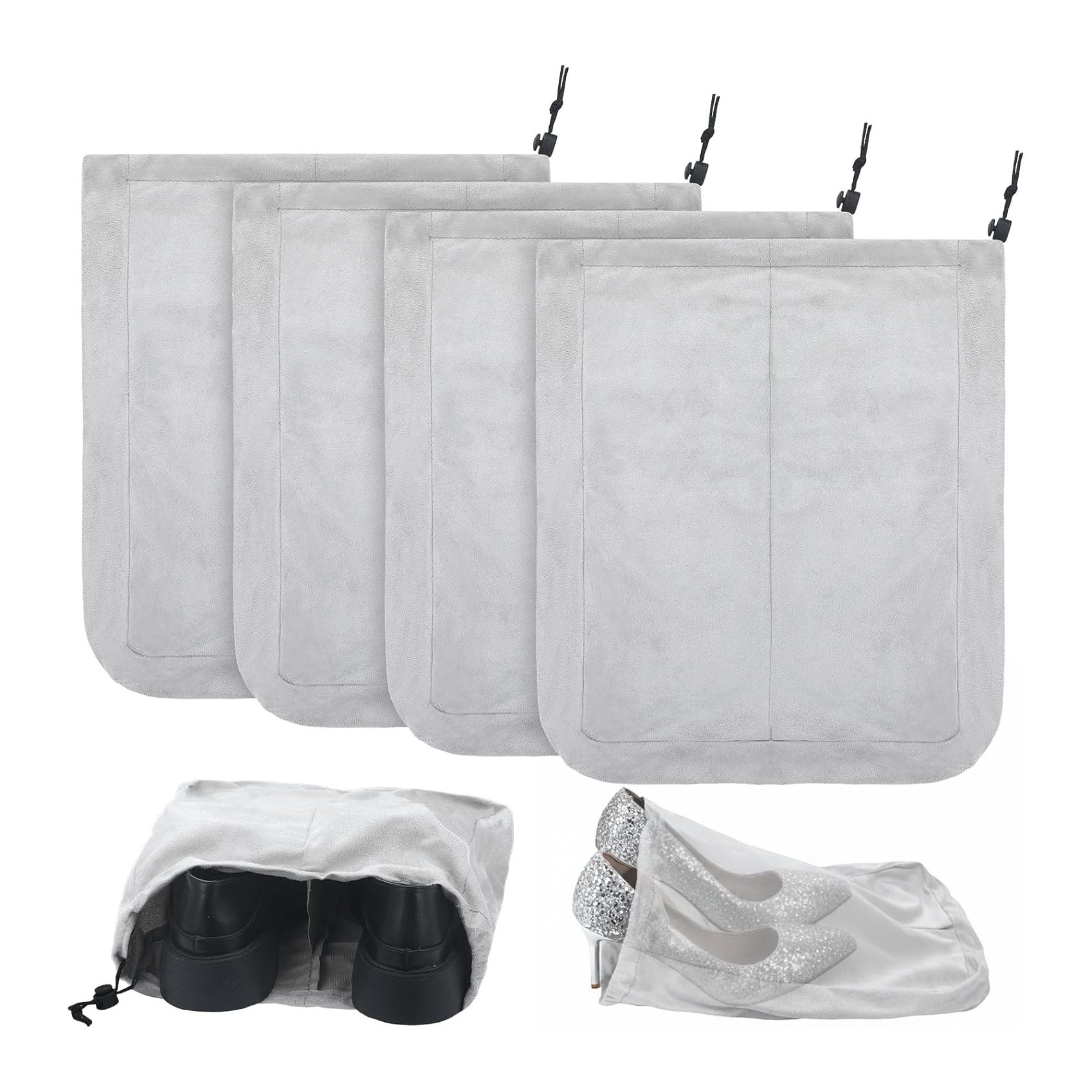
Supermarkeder og fødevarekæder har brug for indkøbsposer, der er praktiske, genbrugelige, brandsynlige og velegnede til distribution i stor skala. Da detailhandlere fortsat mindsker deres afhængighed af engangsplastposer, er RPET-indkøbsposer blevet en populær løsning til genbrugelige indkøbsprogrammer, loyaltetskampagner, sæsonbaserede promotioner og private label-detailhandelsindpakninger.
RPET-posen fremstilles af genbrugt PET-materiale, som typisk forarbejdes til genbrugt polyesterstof. For supermarkeder giver dette materiale en tydelig historie om genbrugte materialer, samtidig med at det stadig understøtter en god bæreevne, let vægt, mulighed for sammenfoldning, farvetilpasning og tryk af logoer på store arealer.
Denne vejledning forklarer, hvordan supermarkeder og dagligvarekæder kan bruge RPET-indkøbsposer, hvilke produktstrukturer der er mest velegnede, hvad købere bør tjekke, inden de bestiller i større mængder, og hvordan man udvikler et genbrugsposprogram, der fungerer både for kunder og detailhandelsdrift.
Hvorfor RPET-indkøbsposer er velegnede til supermarkeder
1. Genbrugelige og praktiske til at bære dagligvarer
Supermarkedspose skal kunne bære daglige varer såsom frugt, emballerede fødevarer, drikkevarer, husstandsartikler, frosne produkter, bagervarer og personlig pleje.
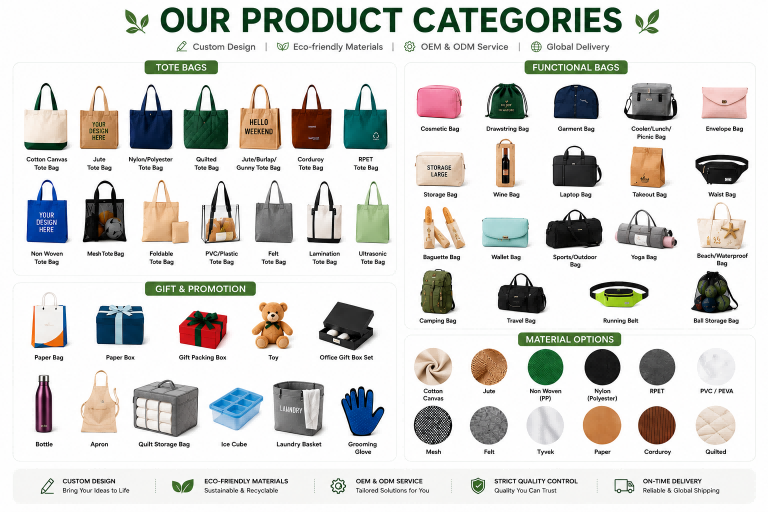
RPET-stoffer kan udvikles til forskellige strukturer, herunder:
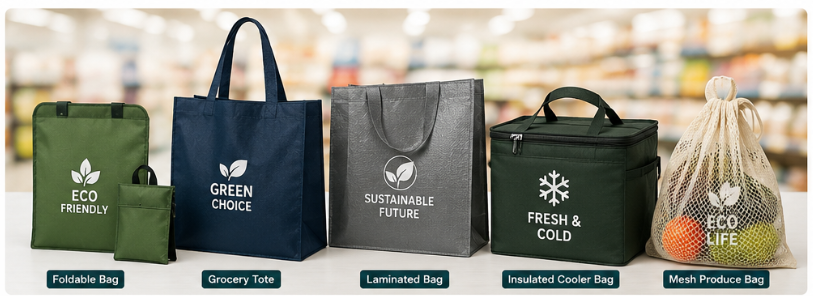
- Letvægts foldbare indkøbstaske
- Stor indkøbstaske til dagligvarer
- Forstærkede genbrugsposer
- Isolerede køleposer til dagligvarer
- Lamineret indkøbstaske
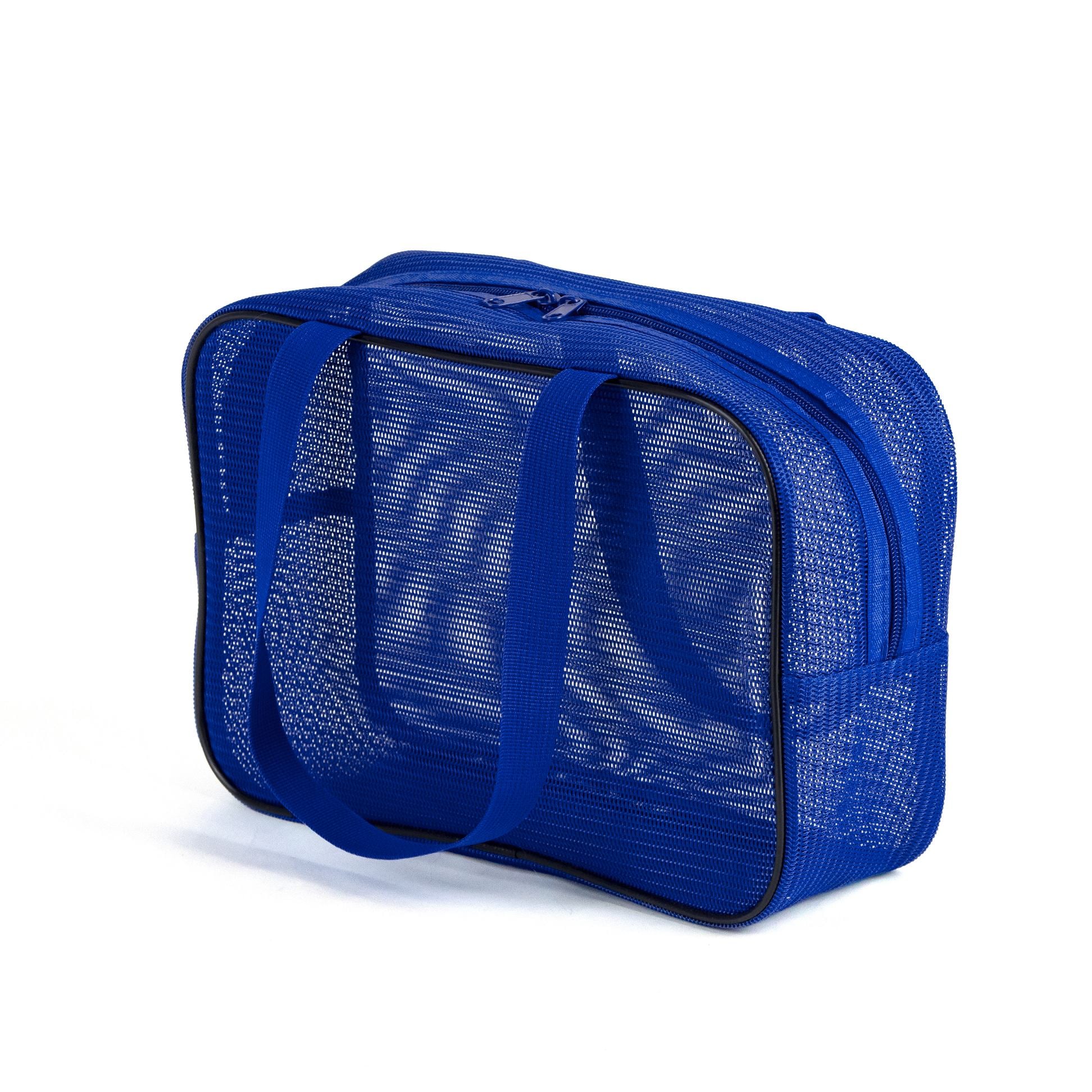
- Netpose til frugt og grønt
- Butiksposer med flere lommer
Materialet kan vælges ud fra den forventede belastning, prisniveauet, opbevaringsbehovet og brandpositioneringen.
2. Tydelig positionering af genbrugsmateriale
For supermarkeder er kommunikation om materialet afgørende. RPET giver detailhandlere mulighed for at bruge stof af genbrugt polyester og kommunikere et mere ansvarligt materialevalg til forbrugerne.
Mulige positioneringsmuligheder inkluderer:
- Fremstillet af stof af genbrugt polyester
- Genbrugelig indkøbstaske til dagligvareprogrammer
- RPET-materialevalg til detailhandelsindpakning
- Reduceret brug af ny (virgin) polyester sammenlignet med konventionelle polyesterposer
- Tilpasset løsning med genbrugsmateriale til indkøbstasker
Købere bør undgå uunderstøttede påstande som f.eks. «100 % bæredygtig» eller «fuldstændig biologisk nedbrydelig». RPET er genbrugt polyester, ikke en biologisk nedbrydelig materiale.
3. Letvægts- og nem at distribuere
I forhold til tunge lærredsposer eller stive emballager kan RPET-indkøbsposer være lette, kompakte og effektive til masseforsendelse.
Dette er nyttigt til:
- Kassebåndsalg
- Loyalitetsprogramgaver
- Medlemskabskampagner
- Butiksåbningsarrangementer
- Sæsonpræmier
- E-handel med levering af dagligvarer
- Franchisebutiksdistribution
Foldbare RPET-poser kan pakkes i små poser eller ærmer, hvilket reducerer lagringspresset i supermarkeds- og detailhandelslager.
4. Stærkt brugerdefineret brandområde
Supermarkeder har normalt brug for poser, der skaber gentagen brandeksponering. RPET-indkøbsposer kan levere store for- og bagsider til:
- Supermarkedslogos
- Kampagneslogans
- Beskeder om loyaltetsprogrammer
- Sæsonbaserede grafikker
- Butikkens identitetsfarver
- QR-koder
- Ikoner relateret til bæredygtighed
- Fælles mærkeførte leverandørkampagner
Afhængigt af stof og trykmetode kan logoer påføres ved silkeskærmbtryk, varmeoverførsel, sublimering, digitalt tryk, vævet etiket eller gummipatch.
Anbefalede RPET-posetyper til supermarkeder
1. Foldbare RPET-indkøbsposer
Bedst egnet til: loyaltetsprogrammer, salg ved kassan, genbrugelige poser i rejsestykke, promotionskampagner.
Nøglefordele
- Kompakt opbevaring
- Letvejrende karosseri
- Let at bære i håndtasker eller biler
- God til gentagne indkøbsrejser
- Omkringslutende for store kampagner
- Passer til poskemballage
Anbefalet konfiguration
- Letvægts-RPET-polyester eller ripstop-stof
- Foldbar pose eller integreret lomme
- Forstærkede håndtag
- Stort logoprint
- Flere supermarkedsmærkers farver
- Detailhandelspapirhylster eller stregkodelabel
Anbefales Produkt Navn:
Brugerdefineret foldbar RPET-indkøbspose
2. RPET-indkøbstaske
Bedst egnet til: almindelig indkøb i supermarkeder, detailhandelsvarer, genbrugsposer fra indkøbskæder.
Nøglefordele
- Større kapacitet end flade poser
- Side- og bundfold øger den brugbare plads
- Passer til mad i æsker, grøntsager, emballerede varer og dagligvarer
- Gennemsigtig forside til logo-visning
- Kan sælges eller gives bort i butikker
Anbefalet konfiguration
- Mellemtung RPET-stof
- Bred bundflik
- Forstærket syning af håndtag
- Valgfrit bundindstik
- Åben top eller klikluk
- Stor tosidig logo-printning
Anbefalet produktnavn:
Genbrugelig RPET-supermarkedstaske
3. RPET-lamineret indkøbsposer
Bedst egnet til: stærkere dagligvareprogrammer, premium-supermarkedsmærker, genbrugelige detailhandelsindkøb.
Nøglefordele
- Bedre konstruktion
- Letter overfladerensning
- Stærkere visuel fremtoning
- Mere velegnet til fuldfarvet trykgrafik
- Bedre hyldedisplay, når den er fyldt
Anbefalet konfiguration
- RPET-vævet eller -ikke-vævet materiale med laminering
- Forkærvet søm
- Flad bundkonstruktion
- Fuldfarvet print
- Bløde remshåndtag
- Fold-flat-emballage
Anbefalet produktnavn:
Lamineret RPET-indkøbspose til dagligvarebutikker
4. Isolerede RPET-dagligvarekøleposen
Bedst egnet til: frosne fødevarer, kølede dagligvarer, måltidskit, dagligvarelevering, picnic og fødevarehandel.
Nøglefordele
- Understøtter transport af temperaturfølsomme dagligvarer
- Anvendelig til frosne fødevarer, mælkeprodukter, drikkevarer og friske produkter
- Højere opfattet værdi end almindelige indkøbsposer
- Passer til betalte genbrugsindkøbsposeprogrammer i supermarkeder
- Kan bruges til sæsonbaserede markedsføringskampagner
Anbefalet konfiguration
- RPET-yderstof
- Isoleret inderside
- Ritslukning
- Forstærkede håndtag
- Bred bund
- Valgfrit forlomme
- Brugerdefineret logopanel
Anbefalet produktnavn:
RPET-isoleret indkøbskølepose
5. RPET-mesh-frugt- og grøntsagsposer
Bedst til: frugt, grøntsager, friske fødevarer, nulspild-butikshjørner, økologiske supermarkeder.
Nøglefordele
- Letvægt
- Åndbar
- Passer til valg af frugt og grøntsager
- Kan erstatte små engangsfrugt- og grøntsagsposer i visse butiksprogrammer
- Let at bære og opbevare
Anbefalet konfiguration
- RPET-mesh-stof
- Snøreslutning
- Vægtmærke eller tare-etiket
- Lille logoetiket
- Pakning i flere størrelser
- Vaskemærke
Anbefalet produktnavn:
RPET-mesh-produktpose-sæt
6. RPET-afhentnings- og leveringsposer
Bedst egnet til: dagligvarelevering, klik-og-hent, butikshentning, medlemsleveringstjenester.
Nøglefordele
- Større kapacitet
- Kan designes til brug af personale
- Understøtter logistik fra butik til kunde
- Passer til mærkeprægede leveringstjenester
- Kan inkludere isolerings- eller kompartimentmuligheder
Anbefalet konfiguration
- Tung RPET-Oxford-stof
- Forstærkede håndtag
- Fast lynlås
- Bred kassestruktur
- Valgfri isolering
- Stort butikssymbol
- ID-etiket eller ordrelomme
Anbefalet produktnavn:
RPET-indkøbspose til dagligvarer
Hvordan supermarkeder skal vælge den rigtige RPET-pose
Til salg ved kassakontoret
Vælg:
- Foldbar RPET-indkøbstaske
- Mellemstor RPET-taske
- Lamineret indkøbstaske i genbrugt polyester (RPET)
Fokuser på:
- Lav opbevaringsmængde
- Tydelig logo-synlighed
- Let at påsætte stregetiketter
- Hurtig opfyldning af hylder
- God pris-værdi-forhold
Til loyaltets- og medlemsprogrammer
Vælg:
- RPET-foldbar taske med lomme
- Genbrugsbar taske i flere farver
- Fællesmærket kampagnetaske
- RPET-kølepose til frokost eller indkøb
Fokuser på:
- Gavepræsentation
- Mærkebesked
- Genanvendelighed
- Emballageudformning
- Kampagnefarvekonsistens
Til premium-grocery-kæder
Vælg:
- Lamineret indkøbstaske i genbrugt polyester (RPET)
- Tung RPET-indkøbstaske
- RPET-isoleret kuhletaske
- Struktureret RPET-butikstaske
Fokuser på:
- Stærkere stof
- Bedre tryk
- Forstærkede håndtag
- Premium-emballage
- Langvarig kundebrug
Til økologiske eller friske fødevarebutikker
Vælg:
- RPET-mesh-frugt- og grøntsagsposer
- RPET-sæk i naturlig farve
- Foldbar RPET-indkøbspose
- RPET-iskasse
Fokuser på:
- Materialekommunikation
- Vaskbarhed
- Åndelighed
- Produktseparation
- Ren-etiket-design
Til online levering af dagligvarer
Vælg:
- RPET-leveringspose
- Isoleret indkøbspose
- Stor indkøbspose med lynlås
- Leveringssæk med flere fag
Fokuser på:
- Kapacitet
- Håndtagets styrke
- Lyndlåskvalitet
- Isolering
- Gentagne medarbejderhåndtering
- Let rengøring
Nøgleudformningspunkter for supermarkedssække af RPET
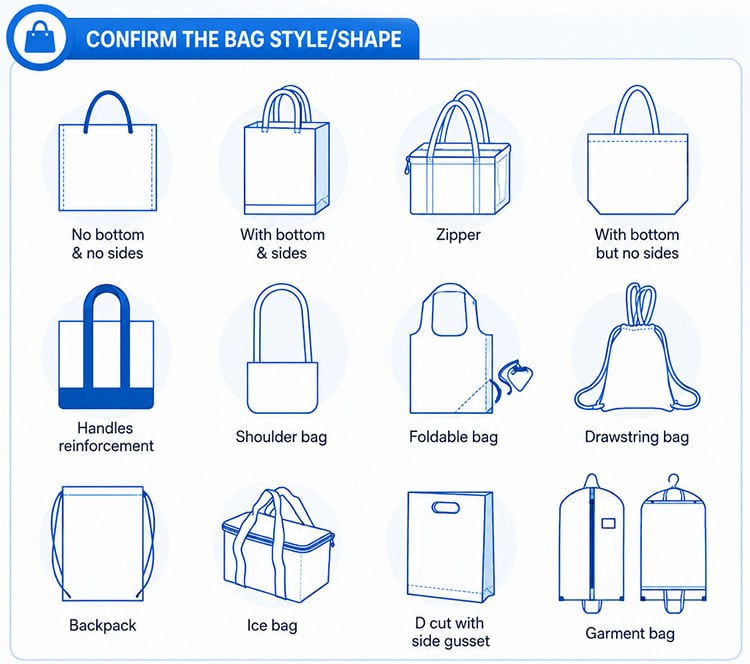
1. Sækstørrelse og kapacitet
Supermarkedssække skal have en størrelse, der svarer til de faktiske produktkategorier.
Almindelige anvendelsesområder inkluderer:
- Daglig indkøbskurv
- Ugentlige familieindkøb
- Frysedmad
- Bageri og frisk mad
- Frugter og grøntsager
- Flaskede drikkevarer
- Husholdningsprodukter
Købere skal bekræfte:
- Bredde
- Højde
- Bundfoldens dybde
- Håndtagsdybde
- Foldet Størrelse
- Forventet maksimal belastning
- Produktpræsentationsmetode
En taske, der er for lille, reducerer brugbarheden. En taske, der er for stor, kan øge stofomkostningerne, fragtvolumentet og håndteringsvanskelighederne.
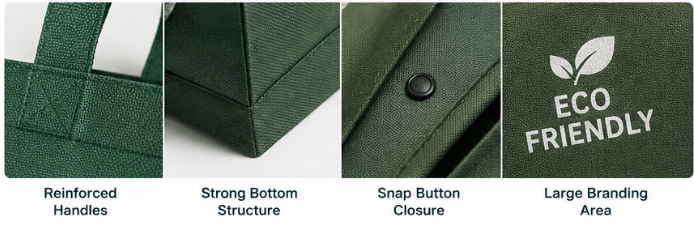
2. Håndtagforstærkning
Håndtag er et af de vigtigste kvalitetsaspekter for indkøbsposer.
Anbefalede forbedringer omfatter:
- Bredere remshåndtag
- Krydsstingforstærkning
- Stangsyning
- Fuld længde håndtagsforstærkning
- Bundomviklet håndtagsstruktur
- Dobbeltlaget håndtagsstof
- Pudret greb for tunge indkøbsposer
Ved bæring af tunge indkøbsposer bør håndtagsprøvning udføres med realistiske belastninger.
3. Bundkonstruktion
En stærk bund forbedrer taskebrugbarheden.
Muligheder inkluderer:
- Enkel flad bund
- Bundfure
- Forstærket bundsøm
- Indsat PE-plade
- Foldbar bundpanel
- Lamineret bund
- Kasseformet konstruktion
I supermarkeder hjælper en flad og stabil base kunderne med at pakke indkøbene nemmere ved kassen.
4. Lukningsmuligheder
Forskellige lukninger tjener forskellige formål.
Tilgængelige muligheder inkluderer:
- Åben top til hurtig brug ved kassen
- Knaplukning til simpel lukning
- Ritskær til sikker transport
- Trækstrik til frugt- og grøntsagsposer
- Klistre- og løkkebånd til foldbare poser
- Elastisk folderibbe
Poser med åben top er praktiske, mens poser med ritskær er bedre til levering, rejser eller kølede produkter.
5. Tryk og visuel branding
Supermarkeders RPET-poser kan anvende:
- Silketryk
- Varmetransfer
- Sublimationsprint
- Digital udskrift
- Vævede mærkater
- Gummiemblemmer
- Kunstværk på hele overfladen
- Fællesmærkede leverandørsgrafikker
For ordrer i store mængder er enkel logo-printning omkostningseffektiv. For premium dagligvarekæder kan fuldfarvede grafikker eller laminerede trykte overflader skabe større hyldetiltrækning.
Certificering og materialpåstande
Hvad købere skal bekræfte
Før en bestilling af RPET-poser placeres, bør supermarkedskøbere bekræfte:
- Andelen af genbrugt polyester
- Om materialet stammer fra postforbruger- eller postindustrielt affald
- Hvilke dele af posen der indeholder genbrugt materiale
- Om stoffabet har dokumentation til støtte
- Om GRS- eller RCS-dokumentation er påkrævet
- Om en transaktionscertifikat er påkrævet
- Hvilken formulering kan bruges på posen eller emballagen
Eksempler på påstande
Mere præcise påstande inkluderer:
- Fremstillet af stof af genbrugt polyester
- RPET-genbrugsposer
- Indeholder genbrugt polyestermateriale
- Genbrugsposer til daglig indkøb fremstillet af RPET-stof
- Indkøbsposer fremstillet af genbrugsmateriale
Undgå uunderstøttede påstande som:
- 100% miljøvenlig
- Nulspildspose
- Fuldstændig bæredygtig
- Plastfri
- Biologisk nedbrydelig RPET-pose
medmindre den fulde produktssammensætning og dokumentation understøtter udsagnet.
RPET-indkøbsposer versus andre supermarkedsposematerialer
| Materiale |
Bedst egnet til |
Fordele |
Noter |
| RPET |
Genbrugelige indkøbsposer, folderbare poser, køleposer |
Letvægts, fremstillet af genbrugsmaterialer, trykbare |
Påstande kræver dokumentation |
| Pp non-woven |
Genbrugelige poser med kontrolleret pris |
Lavprisede, almindelige til markedsføringsformål |
Ikke det samme som RPET |
| Klæde |
Naturagtige detailhandelsposer |
Blød tekstiloptik, god trykbarhed |
Absorberer fugt, højere omkostning end grundlæggende ikke-vævede materialer |
| Lærred |
Premium genbrugsposer |
Stærk, struktureret, detailhandelsværdi |
Tungere og større fragtvolumen |
| Jute |
Organisk og naturlig detailhandelsindpakning |
Naturlig struktur, stærk visuel identitet |
Kasset overflade, ikke vandtæt |
| PAPER |
Kortvarig detailhandelsindpakning |
Ren præsentation, trykbar |
Mindre holdbar til gentagen brug til indkøb |
For supermarkedskæder er RPET særligt nyttigt, når posen skal være genbrugelig, letvægts, mærket og praktisk til gentagne indkøb.
Checkliste for køb i større mængder
Før bestilling af RPET-supermarkedsposer bør køberne bekræfte:
Produktstruktur
- Type taske
- Dimensioner
- Gussetdybde
- Håndtagslængde
- Lukkemåde
- Krav til lomme eller pose
- Forstærkning i bunden
- Foldet størrelse, hvis relevant
Materiale
- RPET-stofspecifikation
- Stofvægt
- Belægning eller laminering
- Net- eller solide paneler
- Dokumentation af genbrugt indhold
- Farvestandard
Mærkebygning
- Logostørrelse
- Placering af tryk
- Trykmetode
- Pantonefarver
- Kampagnegrafik
- Krav til fællesmærkning
- Emballageudformning
Kvalitet
- Bæreevne-mål
- Træktest af håndtag
- Sømfasthed
- Farveægthed
- Trykadhesion
- Forventninger til gentagne brug
- Godkendelse af prøvesample før produktion
Pakning og Logistik
- Individuel emballage
- Stregkodelabels
- Butiksfordelingskasser
- Antal kasser
- Foldet Størrelse
- Lageropbevaringsrumfang
- Mærkater til destinationsmarkeder
Almindelige fejl at undgå
Valg af den laveste stofvægt
Meget let stof kan reducere omkostningerne, men kan også mindske holdbarheden, formen og kundetilfredsheden.
Ignorerer håndtagsstyrke
Supermarkedsposer bærer ofte tunge varer. Svage håndtag kan give anledning til klager, selv når selve stoffet er acceptabelt.
Ustøttede bæredygtighedsanmeldelser
RPET er genbrugt polyester, men den præcise produktangivelse skal svare til materialekompositionen og dokumentationen.
Overkomplificering af posen
For mange lommer, lukninger eller tilbehør kan øge omkostningerne og mindske bekvemmeligheden ved kassakontrollen.
Ikke teste med reelle dagligvarer
Testene skal udføres med realistiske varer såsom flasker, dåser, æsker med fødevarer, frugt og husholdningsartikler.
Glemmer kartonvolumen
Foldet størrelse og antal poser pr. karton er afgørende for lageropbevaring i supermarkedernes lager og distribution på butiksplan.
Anbefalede produktkonfigurationer
Standard dagligvarekæde RPET-pose
- Mellemtung RPET-stof
- Åben-top taskestruktur
- Side- og bundfod
- Forstærkede håndtag
- Stort supermarkedsslogo
- Flad masseemballage
Foldbar RPET-kampagnepose
- Letvægts-RPET-ripstop-stof
- Faste opbevaringslommer
- Stort logo på forside
- Flere kampagnefarver
- Enkelt papirhylster som emballage
Premium RPET-supermarkedspose
- Lamineret RPET-stof
- Struktureret kasseform
- Fuldfarvet print
- Forstærket bund
- Håndtag af bomuld eller polyester
- Detailstregkodeemballage
RPET-kuhlertaske til frosne fødevarer
- RPET-yderstof
- Isoleret beklædning
- Ritslukning
- Bred bund
- Forstærkede håndtag
- Trykt logo-panel
Friskt grønt i genbrugt polyester (RPET) i netstruktur
- RPET-mesh-stof
- Snøreslutning
- Flere størrelser
- Lille vevet logoetiket
- Papirbåndspakning
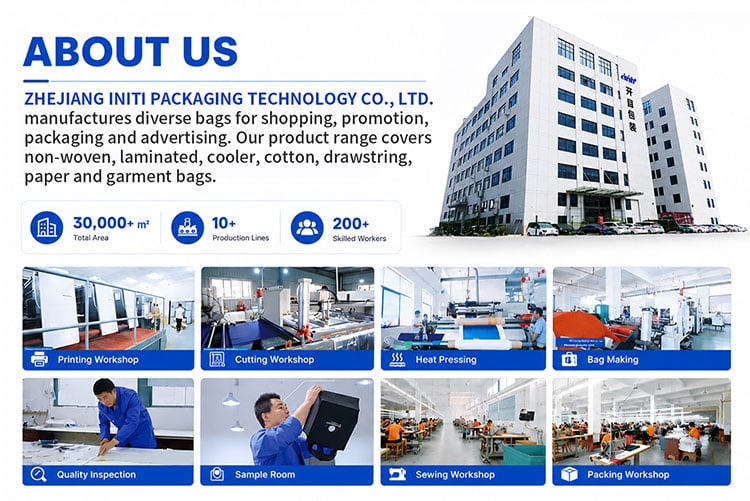
16 års erfaring med fremstilling af skræddersyede poser
INITI har 16 års erfaring med udvikling af brugerdefineret indkøbsposer, supermarkedstasker, genbrugsposer, køleposer, foldbare poser, promotionsposer og detailpakkeløsninger til internationale kunder.
Vi understøtter hele processen fra produktkoncept og materialevalg til prøveudvikling, masseproduktion, kvalitetskontrol, emballage og eksportafsendelse.
To fabriksbygninger og stabil masseproduktionskapacitet
Vores produktionsfaciliteter understøtter skæring, syning, trykning, montage, inspektion og emballage for både enkle promotionsposer og store detailhandelsprogrammer. Vi kan håndtere supermarkedordrer i flere størrelser, farveblandede kampagner, private label-emballager, stregerkodelabels og krav til forsendelse til butikker.
Fleksibel OEM- og ODM-tilpasning
Vi kan tilpasse:
- RPET-stoftype og -vægt
- Posestørrelse og -struktur
- Side- og bunddesign
- Håndlængde og forstærkning
- Foldbar pose-design
- Isoleret beklædning
- Net-produktspose-struktur
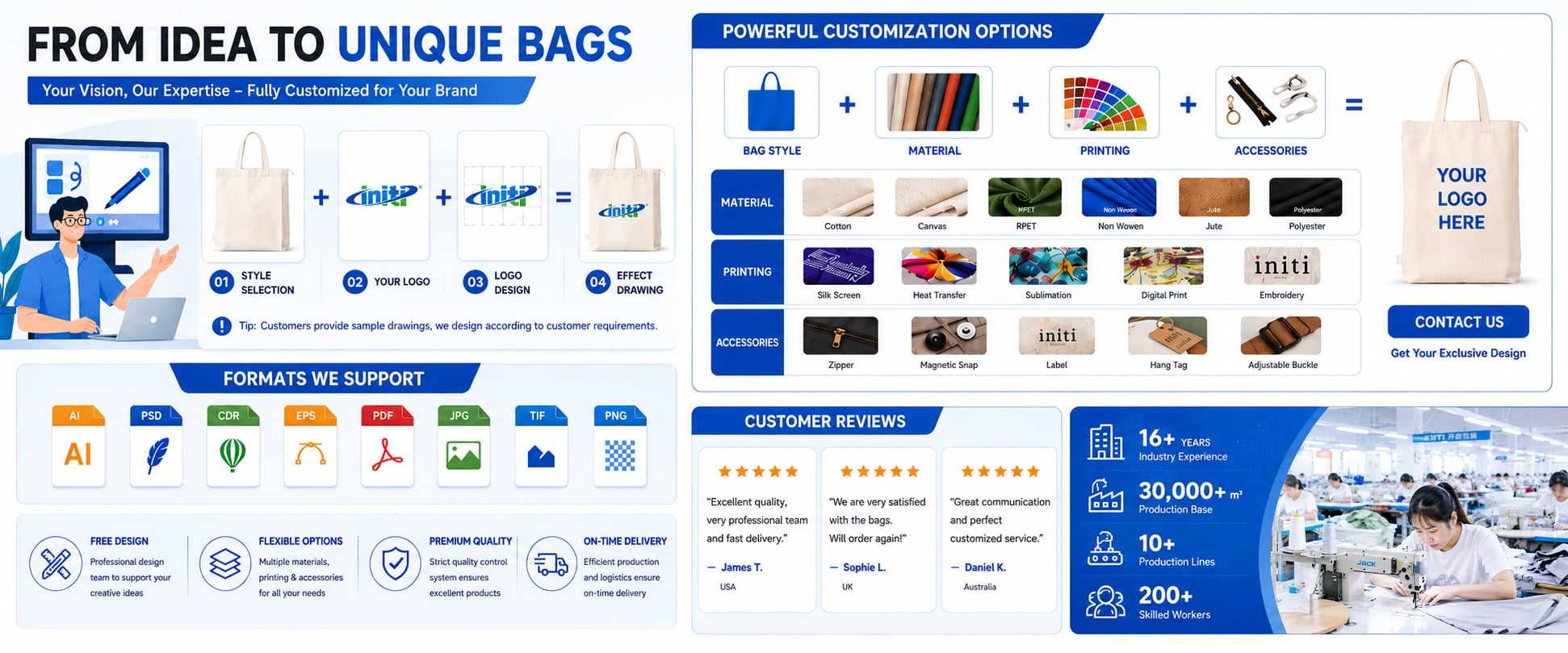
- Tryk- og logometode
- Detailhandelsemballage og -etiketter
- Kartoneemballageplan
Gratis designforslag og støtte til udvikling af prøver er tilgængelig for at hjælpe købere med at bekræfte belastningsydelse, branding, emballage og pris, inden masseproduktionen påbegyndes.
Flere muligheder for tryk og branding
Tilgængelige processer omfatter:
- Silketryk
- Varmetransfer
- Sublimationsprint
- Digital udskrift
- Broderi
- Vævede mærkater
- Gummiemblemmer
- Tilpassede lynlåshåndtag
- Jakkardevæv
- Detailhandels hængemærker og papirskuffer
Vi kan anbefale den mest velegnede branding-metode baseret på stoftype, kompleksiteten af grafikken, ordremængden og supermarkedspositioneringen.
Certificeret kvalitet og ansvarlig produktionsbaggrund
Vores baggrund inden for fabrik og kvalitetsstyring omfatter:
- Sedex
- Disney
- GRS
- HIGG
- ISO 9001
For RPET-projekter kan certificeringsområde, dokumentation for genbrugt indhold, materialepåstande og transaktionsdokumentation diskuteres i henhold til det valgte stof og køberens krav.
Erfaring med at støtte globale mærker og detailhandelsprogrammer
Vores team har projekterfaring med at støtte tilpassede produkter til anerkendte internationale mærker og licenserede IP-programmer, herunder Disney, adidas, McDonald’s, Coca-Cola, Starbucks, Apple, Mercedes-Benz, Samsung, Nike, Marvel, Star Wars, Hello Kitty og andre globale navne.
Denne erfaring hjælper os med at håndtere godkendelse af grafik, farvestandardsætning, detailhandelsemballage, kvalitetsinspektioner og leveringstidsplaner for brandede og multi-butiksprojekter.
Komplet kvalitetskontrolproces
Kvalitetsinspektion kan omfatte:
- Indgående RPET-stof
- Stof farve og vægt
- Dokumentation for genbrugsmaterialer
- Udsnitsnøjagtighed
- Sykvalitet
- Håndtagforstærkning
- Bæreevne
- Udskriftsqualitet
- Foldbarhed
- Funktion af lynlås eller lukning
- Emballagens fuldstændighed
- Endelig kartoninspektion
Købergodkendte prøver, grafikfiler, materialestandarder og emballagespecifikationer anvendes som referencer til masseproduktion.
Ofte stillede spørgsmål
En RPET-indkøbspose fremstilles af genbrugt PET-materiale, der typisk forarbejdes til genbrugt polyesterstof til produktion af genbrugsposer.
2. Er RPET-poser velegnede til supermarkeder?
Ja. RPET-poser er velegnede til genbrugsindkøbsposer, foldbare indkøbsposer, laminerede indkøbsposer, køleposer og frugt- og grøntsagsposer.
3. Kan RPET-poser bære tunge indkøb?
Ja, hvis den rigtige stofvægt, håndtagsforstærkning, syning og bundkonstruktion vælges.
4. Kan størrelsen på posen tilpasses?
Ja. Bredde, højde, sidefoldens dybde, håndtagslængde og folderet størrelse kan alle tilpasses.
5. Kan supermarkeders logoer trykkes?
Ja. Der er mulighed for silkskærmsprint, varmeoverførsel, sublimationsprint, digital print, vævede mærker og patches.
6. Kan RPET-foldbare poser inkludere en lomme?
Ja. Lommen kan være separat, fastgjort eller integreret i posen.
7. Er RPET-poser vandtætte?
RPET-stof kan behandles med en vandafvisende belægning, men den færdige pose er ikke automatisk vandtæt, medmindre hele konstruktionen understøtter denne påstand.
8. Kan materiale med GRS-certificering anvendes?
GRS-relateret materiale og dokumentation kan diskuteres ud fra det valgte materiale, leveringskæden og ordrekravene.
9. Kan RPET-kylerposer fremstilles?
Ja. RPET-yderstof kan kombineres med isoleret fodring til køleposer til dagligvarer.
10. Kan frugtposer fremstilles af RPET-net?
Ja. Frugtposer af RPET-net kan udvikles i forskellige størrelser med trækstrikker.
11. Kan der leveres forskellige farver til forskellige butikskampagner?
Ja. Blandet-farve- og kampagne-farveprogrammer kan udvikles i henhold til minimumsordremængden (MOQ) og produktionsplanlægningen.
12. Støtter I OEM og engros supermarkedsposter?
Ja. Vi tilbyder OEM, ODM, private label, brugerdefineret emballage, stregkodelabeling og grossistproduktion i store mængder.
Anbefalede produkter
- Supermarkeders genbrugsposer-programmer
- Indkøbskæde-emballage
- Detailhandel af friske grøntsager
- Frokostemadspakning
- Erhvervslivets bæredygtighedskampagner
- Detailpromoveringer
- Gaver til loyaltetsmedlemmer
- E-handel med levering af dagligvarer
Opfordring til handling
Udvikl en brugerdefineret RPET-tasketilbud til din supermarkedskæde
Angiv venligst din ønskede taskestørrelse, forventet belastning, logodesign, materialekrav, ordremængde, emballagemetode og destinationsmarked.
Vores team kan anbefale passende RPET-stof, taskestruktur, håndtagsforstærkning, trykmetode, certificeringsmuligheder og emballageplan til dit supermarked eller din dagligvarekæde.
Anmod om anbefalinger til RPET-tasket
Udvikl en brugerdefineret prøve på supermarkedstaske
Få et OEM-stortidsprisforslag