Atualização Quinzenal Global sobre Sacos, Materiais Sustentáveis e Aquisição de Embalagens
Período de Observação: 12–26 de julho de 2026
Esta atualização quinzenal abrange desenvolvimentos regulatórios, de materiais e de embalagens diretamente relacionados a projeto personalizado sacos, acessórios têxteis, embalagens para varejo e aquisição B2B.
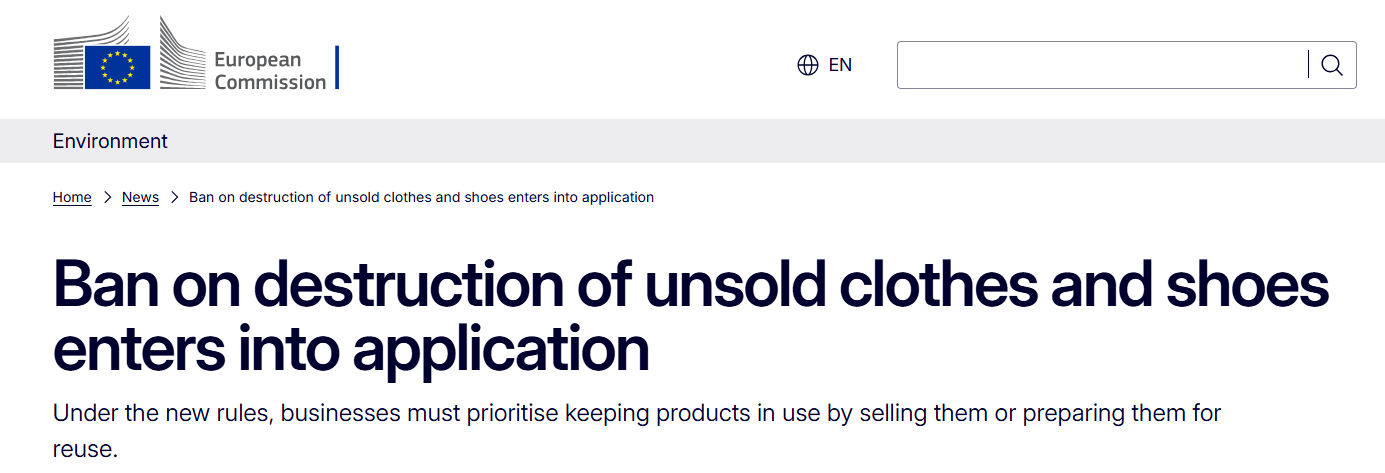
1) Proibição da UE sobre a destruição de roupas e acessórios não vendidos entra em vigor
Observação setorial publicada: 9 de fevereiro de 2026
Data de entrada em vigor: 19 de julho de 2026
Região: União Europeia
Fonte: Comissão Europeia — Regulamento Ecodesign para Produtos Sustentáveis
O que aconteceu
A partir de 19 de julho de 2026, é proibido às grandes empresas que operam na UE destruírem determinadas roupas, acessórios para vestuário e calçados não vendidos.
As empresas são incentivadas a recorrer a alternativas, tais como revenda, doação, recondicionamento, remanufatura, reutilização ou reciclagem. A destruição continua permitida apenas em circunstâncias definidas, incluindo questões de segurança, não conformidade legal, preocupações relativas à propriedade intelectual ou danos graves ao produto.
Impacto sobre os vendedores
As marcas e os varejistas precisarão exercer um controle mais rigoroso sobre quantidades de produção, devoluções, estoques não vendidos e registros de descarte de produtos.
Para saco personalizado fornecedores, isso aumenta a importância de oferecer:
- Pedidos experimentais controlados
- Materiais repetíveis
- Estruturas padronizadas de sacos
- Múltiplos logotipos utilizando um mesmo produto-base
- Tratamento claro de materiais excedentes
- Opções de QMP mais realistas
Produzir estoque em excesso apenas para obter um preço unitário menor pode criar riscos adicionais de conformidade e descarte.
Impacto nos Compradores
Os compradores devem avaliar o risco total de estoque, e não apenas o preço unitário.
Antes de fazer um pedido, eles devem considerar:
- Período esperado de vendas
- Número de cores e SKUs
- Possibilidade de alterações no design
- Prazo de entrega para reposição de estoque
- Capacidade de armazenamento
- Opções para reutilizar ou revender sacos não vendidos
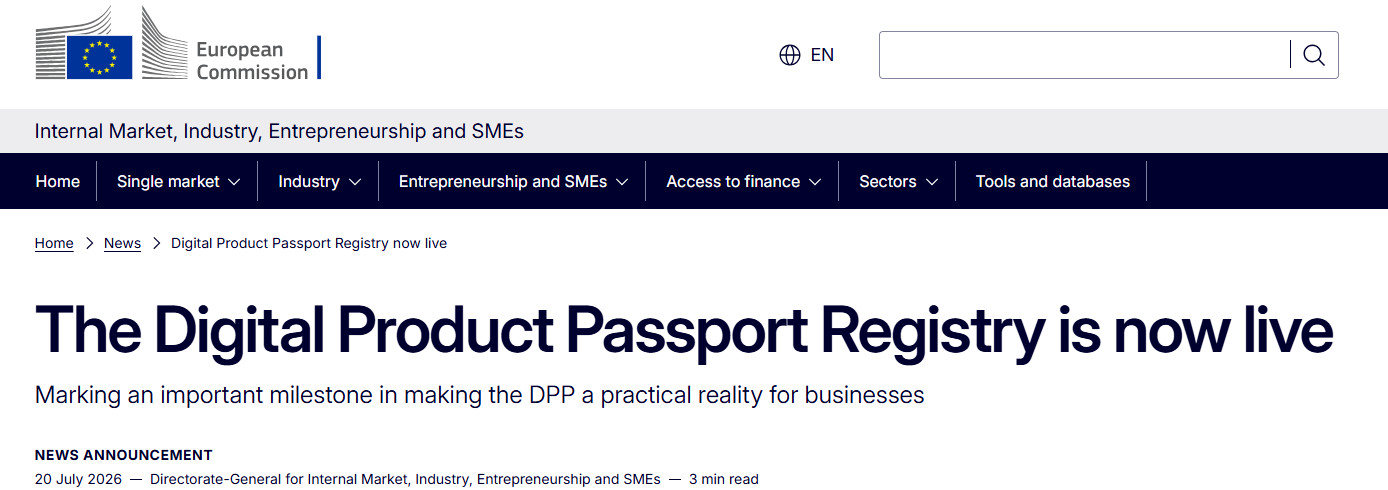
2) Digital da UE Produto Registro de Passaporte Digital Entrou em Vigor
Observação Setorial Publicada: 20 de julho de 2026
Data de Lançamento: 20 de julho de 2026
Região: União Europeia
Fonte: Comissão Europeia — Registro de Passaporte Digital de Produto
O que aconteceu
A Comissão Europeia lançou o Registro de Passaporte Digital de Produto juntamente com um ambiente de testes.
O registro apoia o registro de identificadores únicos de produto e metadados associados. As informações detalhadas sobre o produto continuam armazenadas em sistemas descentralizados geridos pelo operador económico responsável ou pelo prestador de serviços.
O lançamento não significa que toda bolsa têxtil exija imediatamente um Passaporte Digital de Produto. As obrigações específicas por produto serão introduzidas progressivamente.
Impacto sobre os vendedores
Fabricantes e exportadores de bolsas que atendem clientes europeus devem começar a melhorar a forma como registram:
- Composição principal do tecido
- Percentual de materiais reciclados
- Composição do forro
- Revestimento e Laminação
- Materiais de manuseio e acessórios
- Local de Fabricação
- Lote de produção
- Documentos de certificação
- Informações sobre reparação, reutilização e descarte
Declarações gerais, como "ecologicamente correto" ou "fabricado a partir de material reciclado", podem não fornecer informações suficientes para compradores com requisitos avançados de rastreabilidade.
Impacto nos Compradores
Os compradores devem começar a solicitar dados estruturados do produto já durante as etapas de amostragem e cotação, em vez de coletá-los após a produção.
Por exemplo, uma especificação de saco em RPET deve indicar se o conteúdo reciclado se aplica a:
- Apenas ao tecido principal
- Forro
- Alças
- Fio de costura
- Reforço
- Embalagem
Isso facilitará futuras conformidades, relatórios e gestão de dados do produto.
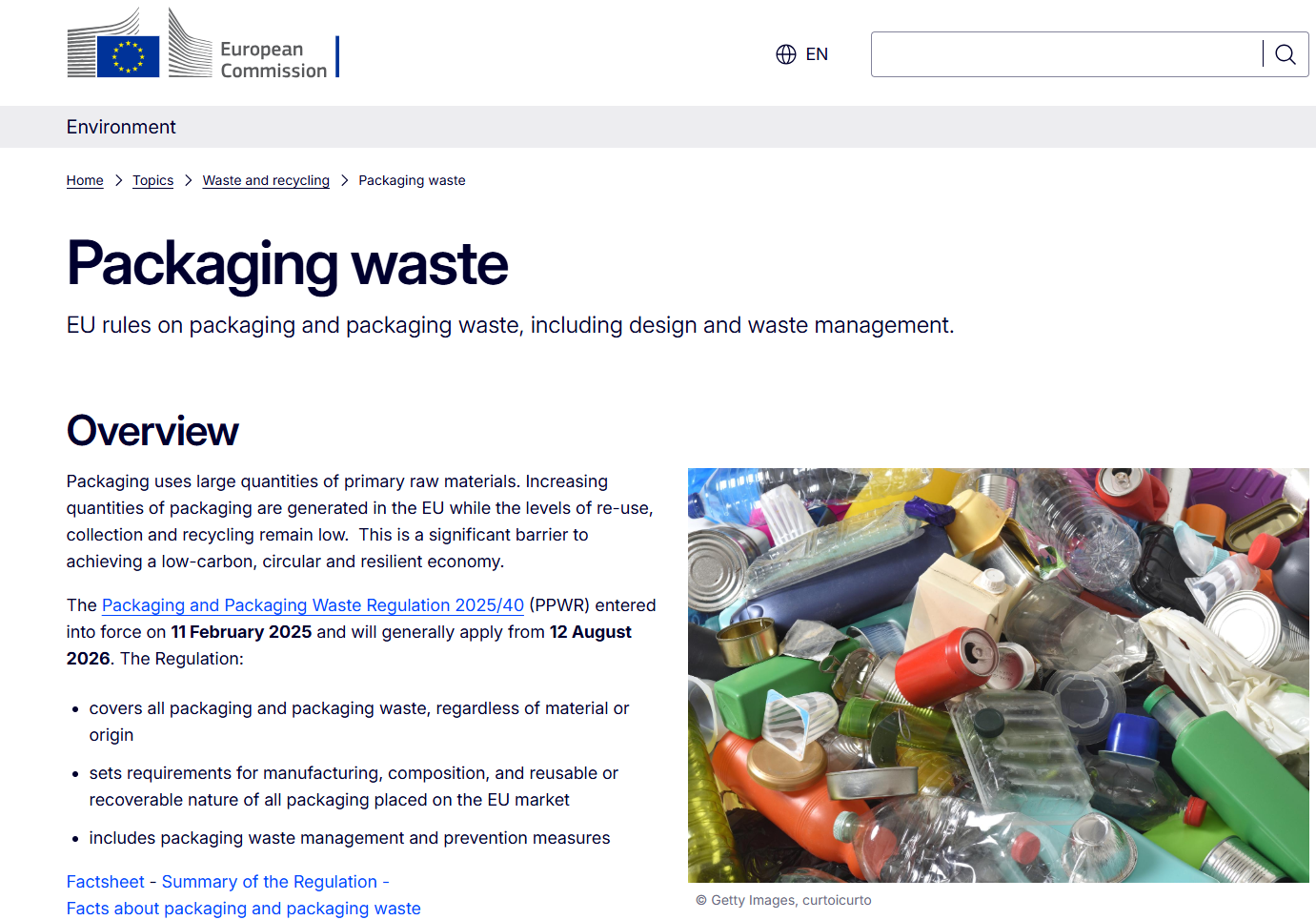
3) A Diretiva da UE sobre Embalagens e Resíduos de Embalagens (PPWR) entra em seu período final de preparação
Observação setorial publicada em: 21 de julho de 2026
Data geral de aplicação: 12 de agosto de 2026
Região: União Europeia
Fonte: Comissão Europeia — PPWR; Reuters Sustainability
O que aconteceu
O Regulamento da UE sobre Embalagens e Resíduos de Embalagens entrou em vigor em 11 de fevereiro de 2025 e será, em geral, aplicável a partir de 12 de agosto de 2026.
O regulamento abrange embalagens e resíduos de embalagens, independentemente do material ou da origem. Introduz requisitos relativos à composição das embalagens, prevenção de resíduos, reciclabilidade, reutilização e recuperabilidade.
O período final de preparação está aumentando a pressão sobre as empresas para revisarem as estruturas de suas embalagens antes de novos pedidos serem efetuados.
Impacto sobre os vendedores
Fornecedores de embalagens e sacos personalizados devem preparar informações mais claras sobre:
- Composição do material
- Revestimentos Plásticos
- Laminação
- Conteúdo reciclado
- Peso da embalagem
- Separabilidade dos componentes
- Potencial de Reutilização
- Opções de redução de embalagens
Os fornecedores devem evitar descrever embalagens de papel como automaticamente recicláveis quando contêm filmes plásticos, folhas metálicas, adesivos ou componentes difíceis de separar.
Impacto nos Compradores
Os compradores devem rever se suas embalagens incluem desnecessariamente:
- Janelas de plástico
- Superfícies laminadas
- Inserções Decorativas
- Caixas excessivamente grandes
- Embalagem plástica individual
- Acessórios de materiais mistos
A prioridade deve ser reduzir materiais desnecessários, mantendo ao mesmo tempo a proteção, a apresentação e o desempenho no transporte exigidos para o produto.

4) Syntetica capta US$ 30 milhões para ampliar a reciclagem de náilon
Observação setorial publicada em: 16 de julho de 2026
Data do anúncio de financiamento: 16 de julho de 2026
Região: França e Europa
Fonte: Syntetica; Michelin; TechCrunch
O que aconteceu
A empresa francesa de reciclagem Syntetica captou US$ 30 milhões em financiamento da Série A para ampliar sua tecnologia de reciclagem de náilon.
A empresa está desenvolvendo um processo projetado para recuperar Nylon 6 e Nylon 6,6 a partir de resíduos têxteis mistos. O financiamento apoiará a transição do desenvolvimento em laboratório para a produção industrial.
A Syntetica também está trabalhando com o Centro de Materiais Sustentáveis da Michelin para instalar seu processo em um ambiente industrial de demonstração na França.
Impacto sobre os vendedores
Fornecedores de sacos personalizados devem começar a monitorar nylon reciclado como um material potencial para:
No entanto, o nylon reciclado ainda não deve ser tratado como substituto direto do RPET em todos os projetos.
Disponibilidade, certificação, revestimento, MOQ de cor e preço podem continuar mais restritivos.
Impacto nos Compradores
Compradores que consideram nylon reciclado devem perguntar:
- O material é Nylon 6 ou Nylon 6,6?
- A origem é pré-consumo ou pós-consumo?
- Qual é a porcentagem de conteúdo reciclado?
- Existe certificação disponível?
- O tecido é revestido?
- Qual é a QMP por cor?
- É possível reencomendar o mesmo material?
- Como o custo se compara com o nylon virgem e o RPET?
O RPET pode continuar sendo mais prático para muitos projetos sensíveis ao preço, enquanto o nylon reciclado pode ser mais adequado para produtos voltados ao desempenho.
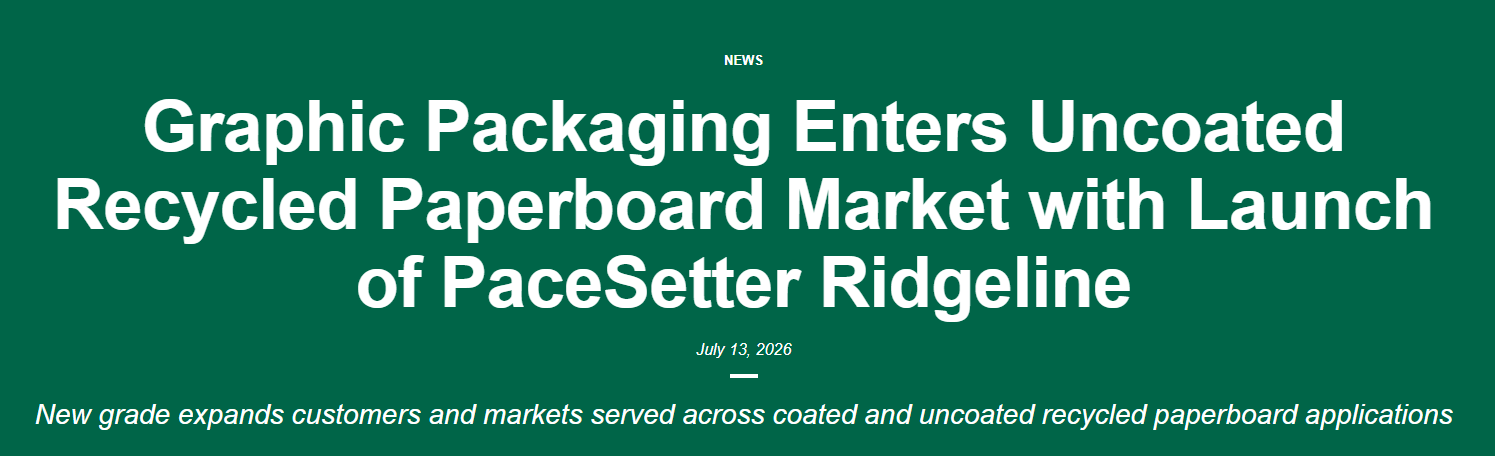
5) Oferta de Papelão Reciclado Amplia-se Enquanto Preços Aumentam
Observação Setorial Publicada: 13 de julho de 2026
Alterações de Preço Vigentes a Partir de: 6 e 13 de julho de 2026
Região: América do Norte
Fonte: Graphic Packaging; Greif
O que aconteceu
A Graphic Packaging lançou o PaceSetter Ridgeline, marcando sua entrada no mercado de papelão reciclado sem revestimento.
O material destina-se a aplicações como caixas de embalagem dobráveis, laminados, proteção de bordas, tubos, núcleos e outros produtos especializados.
Ao mesmo tempo, a Greif implementou um aumento de US$ 60 por tonelada curta para papelão reciclado sem revestimento e um aumento mínimo de 6,5% para determinados produtos de papelão convertido.
A empresa atribuiu os aumentos à maior demanda, aos custos mais elevados de materiais, de adesivos e de transporte.
Impacto sobre os vendedores
Os fornecedores de embalagens podem receber mais opções de papelão reciclado, mas o aumento da oferta não garante preços mais baixos.
Os vendedores devem:
- Evitar fixar preços de longo prazo sem confirmar a validade dos materiais
- Revisar a espessura e o rendimento do papelão
- Reduzir o uso desnecessário de papelão
- Otimizar as dimensões das caixas
- Considerar estruturas sem revestimento, quando adequado
- Explicar as alterações de preço de forma transparente
Impacto nos Compradores
Os compradores não devem presumir que o papelão reciclado é sempre menos caro do que o material virgem.
As comparações de cotações devem incluir:
- Percentual de conteúdo reciclado
- Espessura do painel
- Rigidez
- Qualidade da superfície
- Desempenho da impressão
- Desempenho protetor
- Eficiência da embalagem
- Validade dos preços dos materiais
Um painel de menor custo pode exigir material adicional ou reforço, reduzindo a economia esperada.
6) O crescimento da embalagem em papel enfrenta desafios relacionados ao revestimento e à reciclagem
Observação setorial publicada em: 21 de julho de 2026
Região: Europa e mercados globais
Fonte: Reuters Sustainability
O que aconteceu
As marcas estão cada vez mais substituindo embalagens plásticas por alternativas baseadas em papel, em resposta à demanda dos consumidores e à pressão regulatória.
No entanto, muitas embalagens em papel ainda exigem revestimentos, forros ou adesivos à base de plástico para garantir resistência à umidade, à gordura ou ao oxigênio. Essas adições podem tornar a embalagem final mais difícil de reciclar.
O uso de fibras virgens, em vez de fibras recicladas, também suscita questões sobre origem, impacto florestal e eficiência de materiais.
Impacto sobre os vendedores
Os fornecedores de embalagens devem evitar apresentar a "papelização" como uma simples substituição de material.
Eles devem fornecer aos compradores informações sobre:
- Composição do papel-base
- Percentual de fibras recicladas
- Revestimento de barreira
- Laminação
- Adesivos
- Separabilidade
- Desempenho de proteção do produto
- Limitações da Reciclagem
Sempre que possível, os fornecedores devem desenvolver embalagens com menos camadas e revestimentos.
Impacto nos Compradores
Os compradores devem avaliar toda a estrutura da embalagem, e não apenas a superfície visível de papel.
Perguntas importantes incluem:
- O revestimento de barreira é necessário?
- É possível reduzir o revestimento?
- O material é aceito pelos sistemas locais de reciclagem?
- O revestimento ou a janela podem ser removidos?
- O papel reciclado é adequado para o produto exigido?
- A redução do revestimento afetará a vida útil ou a proteção contra umidade?
Substituir plástico por papel só é benéfico quando a nova estrutura ainda desempenha corretamente sua função e pode ser processada pelo sistema de reciclagem pretendido.
Principais Conclusões para Compradores de Sacos e Embalagens Personalizados
O principal desenvolvimento entre 12 e 26 de julho de 2026 foi a transição de metas gerais de sustentabilidade para uma implementação mais mensurável.
Os fornecedores terão de fornecer, cada vez mais:
- Especificações de materiais mais completas
- Informações sobre conteúdo reciclado
- Detalhes de revestimento e laminação
- Escopo da Certificação
- Rastreabilidade da produção
- Dados sobre a composição da embalagem
Os compradores devem concentrar-se em:
- Quantidades de pedidos mais realistas
- Menos SKUs desnecessários
- Materiais reciclados melhor documentados
- Redução da complexidade da embalagem
- Declarações ambientais mais claras
- Materiais que correspondam ao desempenho real do produto
A prioridade não é adotar imediatamente todos os novos materiais. É melhorar os dados dos produtos, a comunicação com os fornecedores e a seleção de materiais antes que os regulamentos e os requisitos dos compradores se tornem mais rigorosos.
O que a INITI está preparando para compradores globais
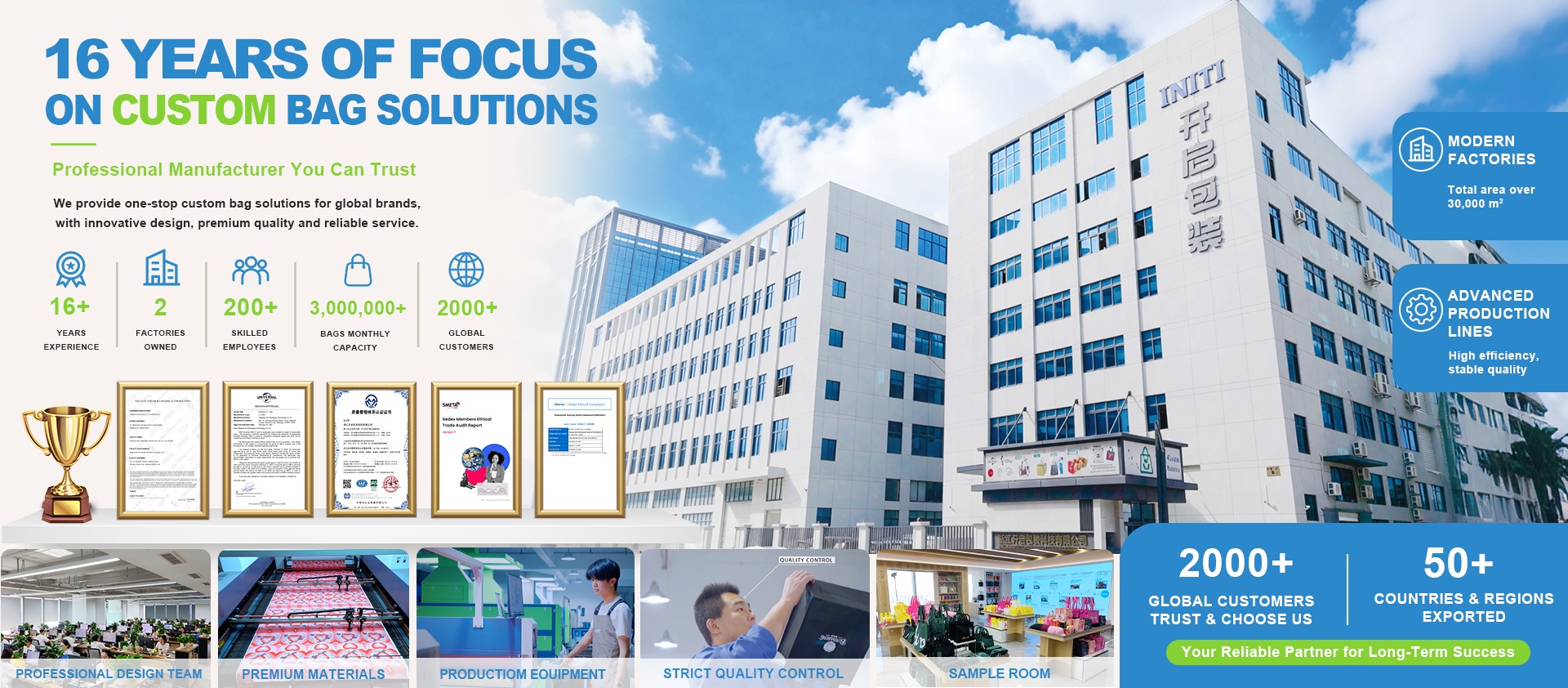
Hangzhou INITI Imp&Exp Co., Ltd. possui 16 anos de experiência em sacos e embalagens personalizados, apoiada por duas instalações de produção e por sistemas de gestão ou conformidade, incluindo SEDEX, DISNEY, GRS, HIGG e ISO9001.
Com base nos desenvolvimentos abordados nesta atualização, a INITI continua fortalecendo suas capacidades em:
- Aquisição de materiais reciclados e rastreáveis
- Avaliação de RPET e nylon reciclado
- Desenvolvimento de sacos em algodão, lona, juta e não tecido
- Sacolas de papel, caixas e embalagens com revestimento reduzido
- Documentação da composição dos materiais e do teor reciclado
- Amostragem personalizada, inspeção de produção e embalagem para exportação
- Desenvolvimento OEM e ODM para diferentes mercados de destino
A disponibilidade de materiais, o âmbito da certificação e a documentação devem ser confirmados conforme os requisitos específicos do produto, do lote de produção e do mercado de destino.
Planejando um projeto personalizado de saco ou embalagem?
Compradores que estejam preparando novos programas de varejo, promoção ou embalagem podem contactar a INITI para apoio em materiais e especificações.
Para receber uma recomendação e cotação mais precisas, forneça, por favor:
- Tipo de produto e aplicação pretendida
- Mercado-alvo
- Material preferido ou exigência de conteúdo reciclado
- Quantidade Estimada do Pedido
- Requisitos de logotipo e embalagem
- Certificação ou documentos de conformidade exigidos
A INITI pode comparar diferentes materiais, estruturas e opções de embalagem para ajudar os compradores a equilibrar desempenho, custo, personalização e requisitos de mercado.
Envie-nos os requisitos do seu projeto para discutir amostragem, MOQ, prazo de produção e opções de pedidos em grande volume.
Artigos de Blog Relacionados
Produto Relacionado


 Notícias Quentes