Системы контроля качества и надежность производства
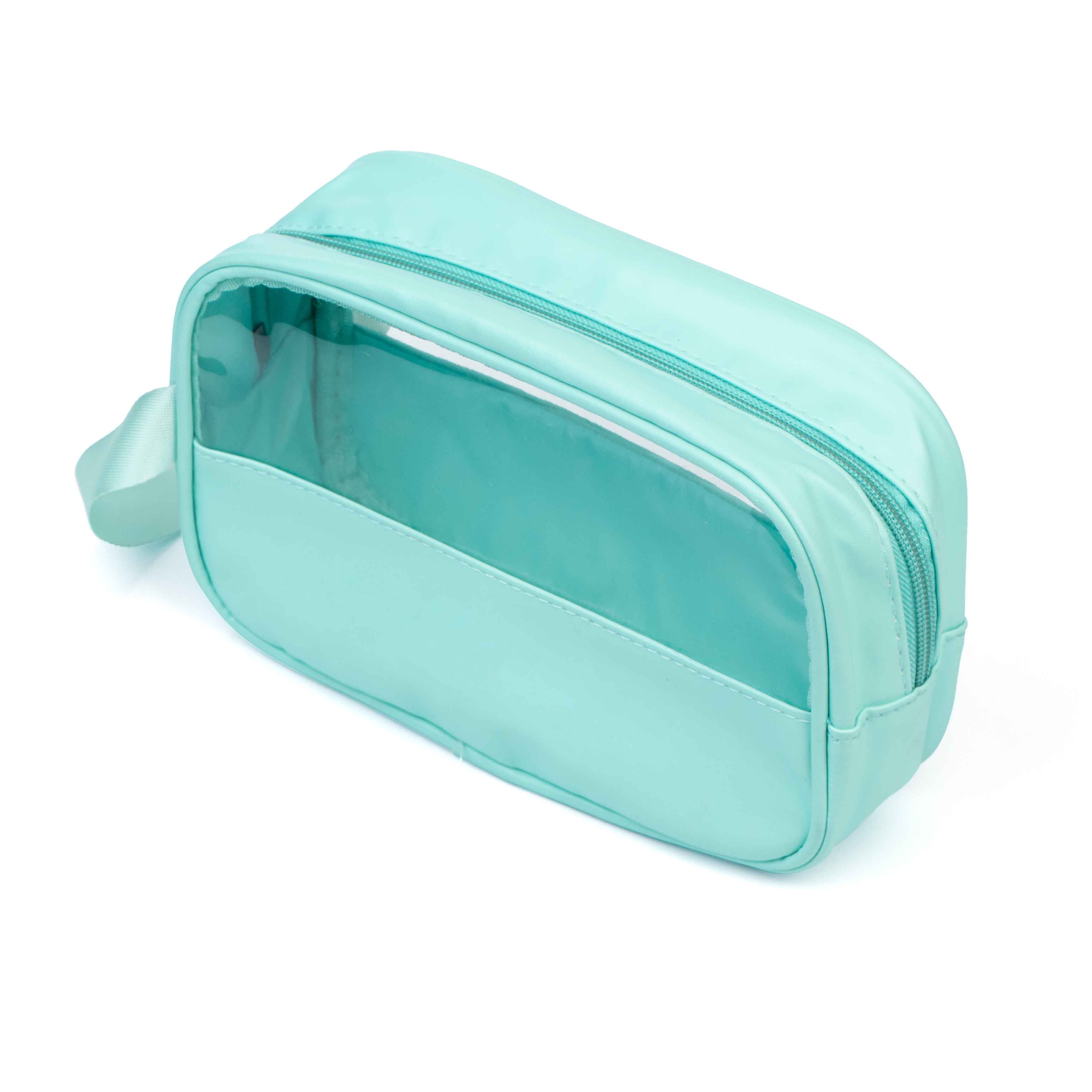
Надежные производители косметичек внедряют строгие системы контроля качества, обеспечивающие стабильное соответствие выпускаемой продукции точным техническим требованиям даже при больших объемах производства, что защищает репутацию вашего бренда и минимизирует затраты, связанные с дефектами. Процесс обеспечения качества начинается еще до запуска производства — на этапе входного контроля материалов, когда производители проверяют соответствие тканей, молний, ниток и фурнитуры заранее установленным стандартам. Такая первоначальная проверка предотвращает попадание некачественных материалов в производственный цикл и устраняет одну из основных причин брака готовой продукции. Для каждой характеристики материала производители разрабатывают детальные технические спецификации и проводят испытания образцов на светостойкость, прочность и точность геометрических размеров. В ходе производства контроль качества осуществляется на ключевых этапах, а не только по завершении изготовления, что позволяет своевременно выявлять отклонения. Точность раскроя проверяется для обеспечения соответствия выкроек лекалам в пределах допустимых отклонений. Качество строчки постоянно контролируется: руководители участков проверяют плотность строчки, её прямолинейность и натяжение нити, чтобы предотвратить слабые швы или сморщивание ткани. Точность сборки подтверждается на каждом этапе, гарантируя правильное взаимное расположение компонентов и их бесперебойную работу. Такой поэтапный подход к инспекции позволяет выявлять ошибки на ранних стадиях, когда затраты на их устранение минимальны, а не обнаруживать проблемы уже в готовой продукции на складе. Производители используют стандартизированные контрольные списки, которые инспекторы заполняют для каждой партии, формируя документальную следуемость, необходимую для прослеживаемости в случае возникновения проблем в будущем. Заключительный контроль представляет собой наиболее полный «качественный рубеж», на котором специально обученные инспекторы проверяют готовые косметички по детальным критериям внешнего вида, функциональности и долговечности. Инспекторы проверяют работоспособность молний путем многократного открытия и закрытия, оценивают целостность строчек путем приложения нагрузки к швам, подтверждают точность геометрических размеров с помощью измерительных инструментов и анализируют общий внешний вид на наличие дефектов — пятен, смещения принтов или цветовых отклонений. Как правило, производители применяют планы выборочного контроля по уровню AQL (Acceptable Quality Level), при которых из каждой производственной партии отбираются статистически значимые выборки для проверки, а решение о приемке или отклонении партии принимается на основе того, укладываются ли показатели брака в установленные пределы. Такой научно обоснованный подход обеспечивает баланс между тщательной проверкой качества и эффективностью производства. Ведущие производители также проводят разрушающие испытания на образцах изделий, подвергая их стресс-тестам, имитирующим длительную эксплуатацию. К таким испытаниям могут относиться многократное циклирование молний до отказа, тесты на истирание поверхности ткани, проверка водоустойчивости методом погружения или распыления воды, а также испытания на нагрузку для определения предельной грузоподъемности. Результаты таких испытаний служат основой для улучшения конструкции изделий и подтверждения заявленных характеристик долговечности. Производители ведут архивы данных о качестве, в которых фиксируются результаты инспекций, уровень брака и принятые корректирующие меры, обеспечивая прозрачность процессов и возможность реализации инициатив по непрерывному совершенствованию. При выявлении дефектов производители проводят анализ первопричин, чтобы определить, вызваны ли они проблемами с материалами, неисправностью оборудования, ошибками операторов или недостатками конструкции, после чего применяют корректирующие действия для предотвращения повторения. Такой системный подход к управлению качеством гарантирует, что вы получаете продукцию, стабильно соответствующую заданным спецификациям, что снижает количество жалоб со стороны клиентов, минимизирует возвраты и защищает репутацию бренда. Надежность распространяется и на соблюдение графиков поставок: надежные производители поддерживают резервные производственные мощности и резервные отношения с поставщиками, что позволяет избежать задержек даже при возникновении непредвиденных трудностей. Эта операционная надежность позволяет вам уверенно планировать маркетинговые кампании и торговые акции, зная, что товар поступит в срок.