Professional Cosmetic Bag Manufacturer - Custom Beauty Storage Solutions

Get a Free Quote

Our representative will contact you soon.
Email
Name
Company Name
Message
0/1000

cosmetic bag manufacturer

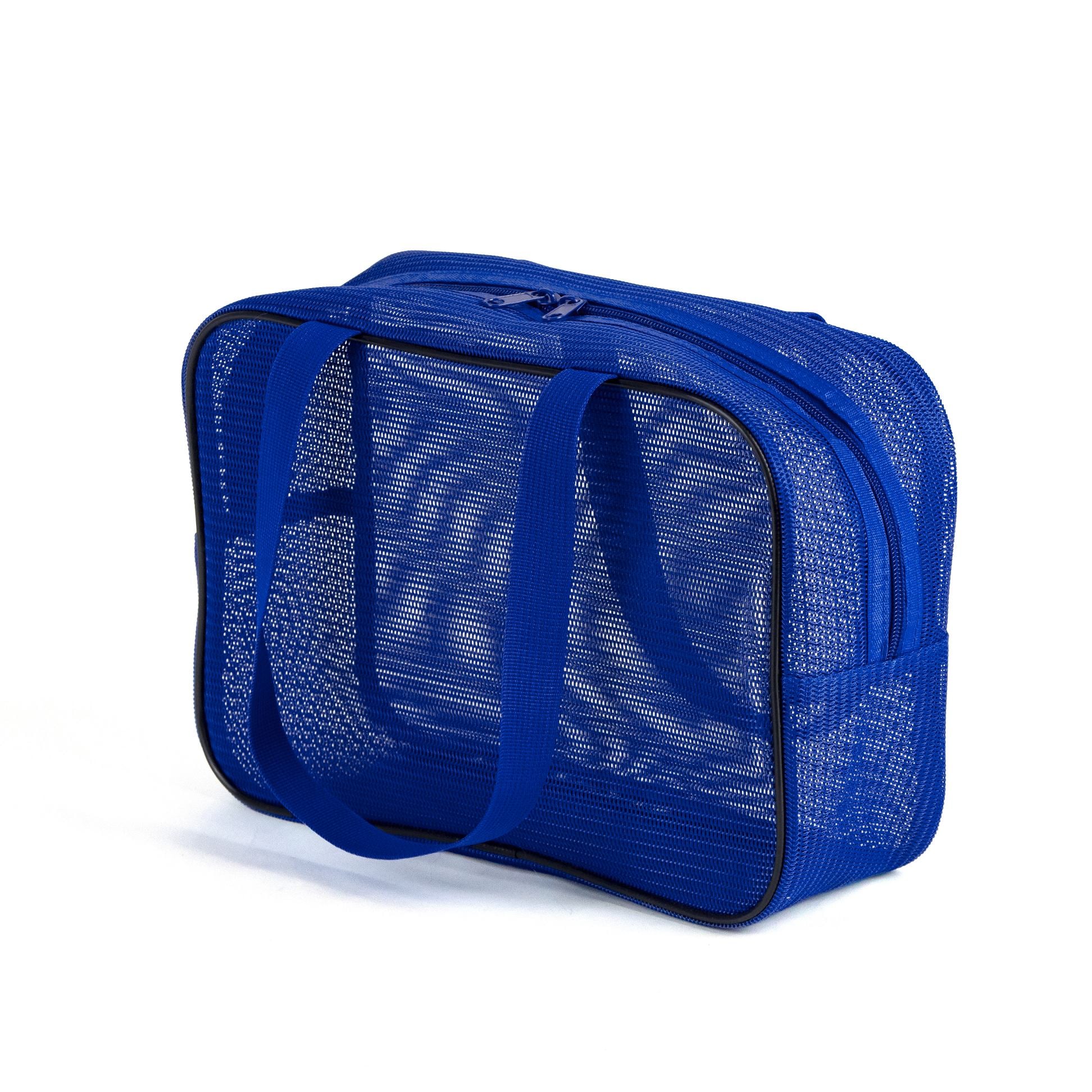
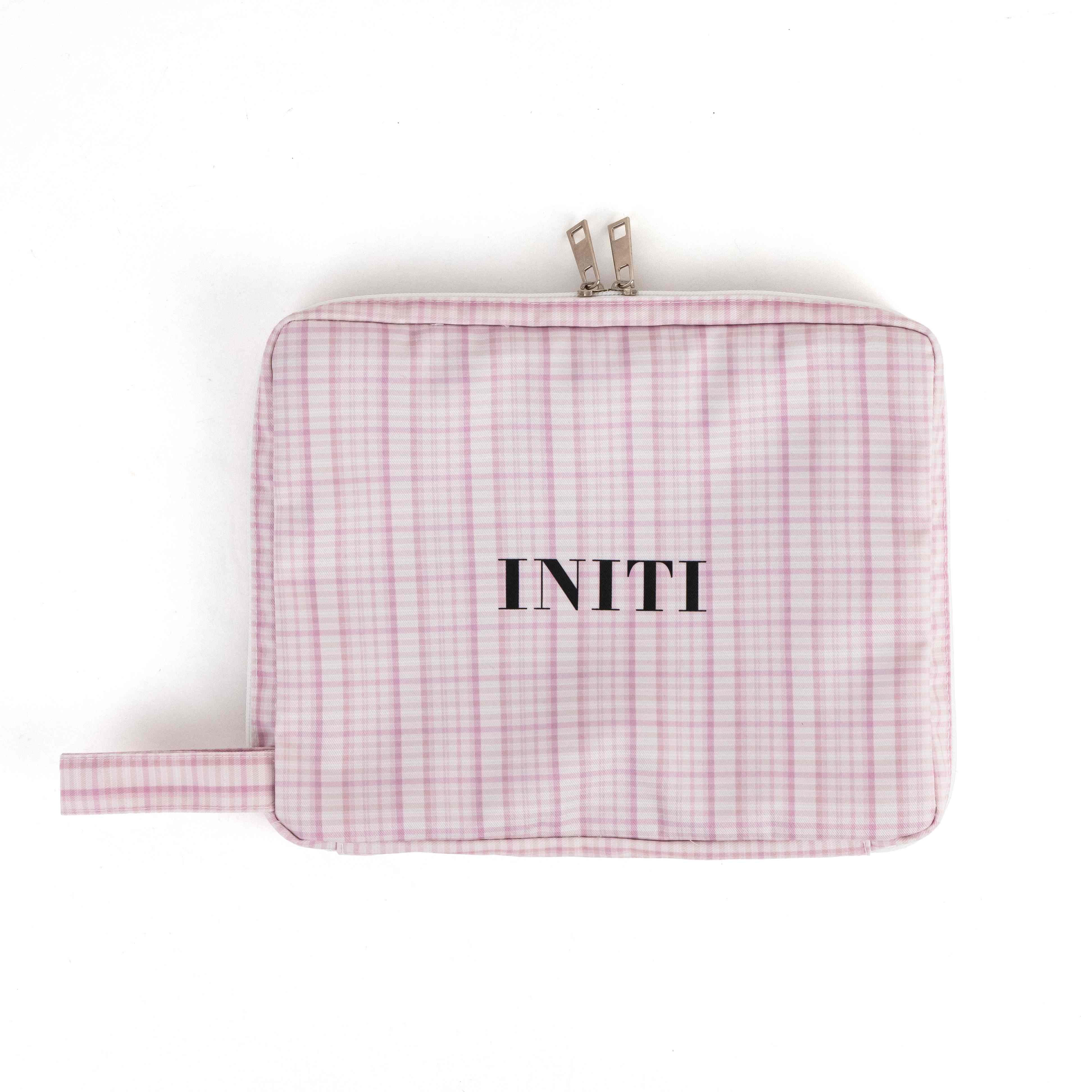
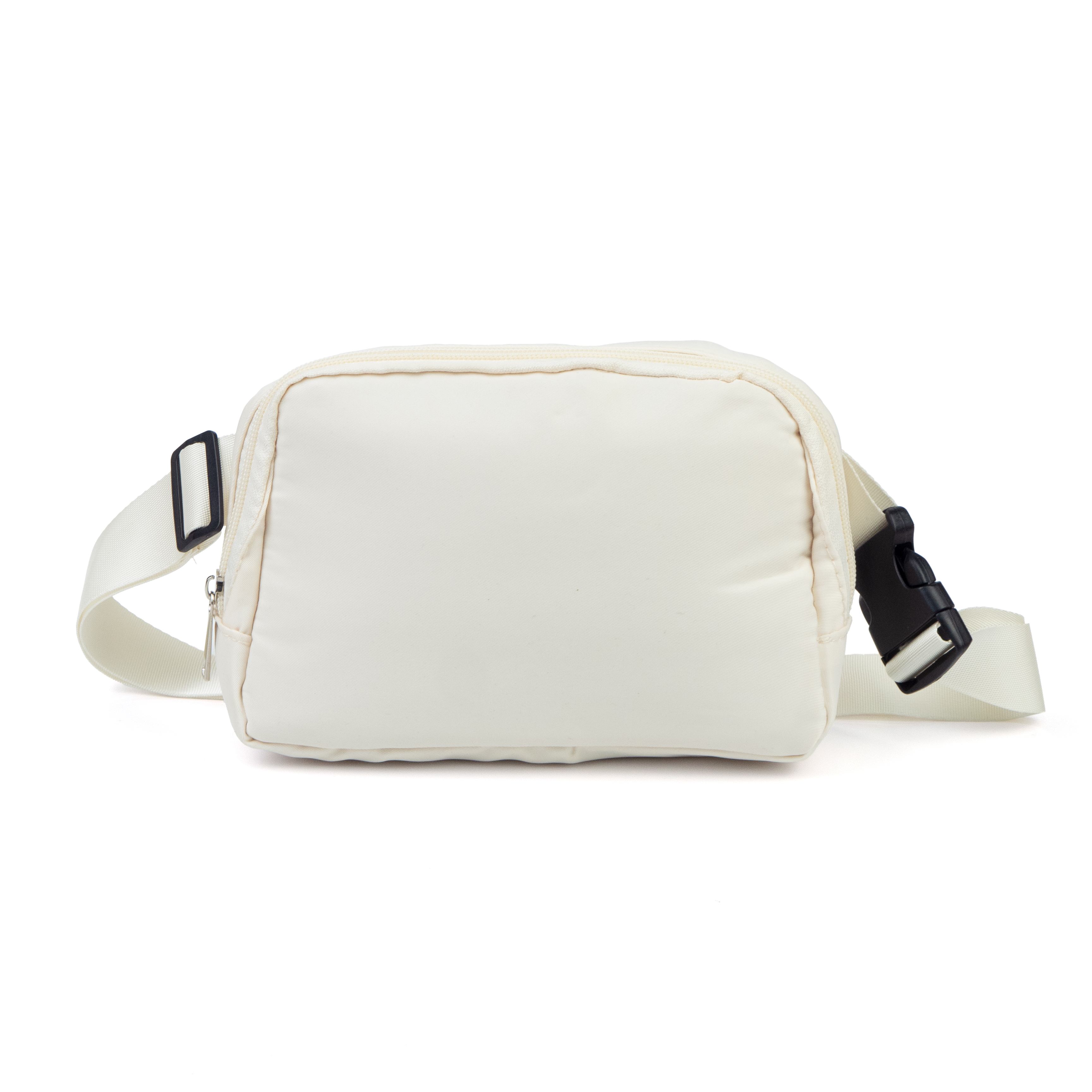
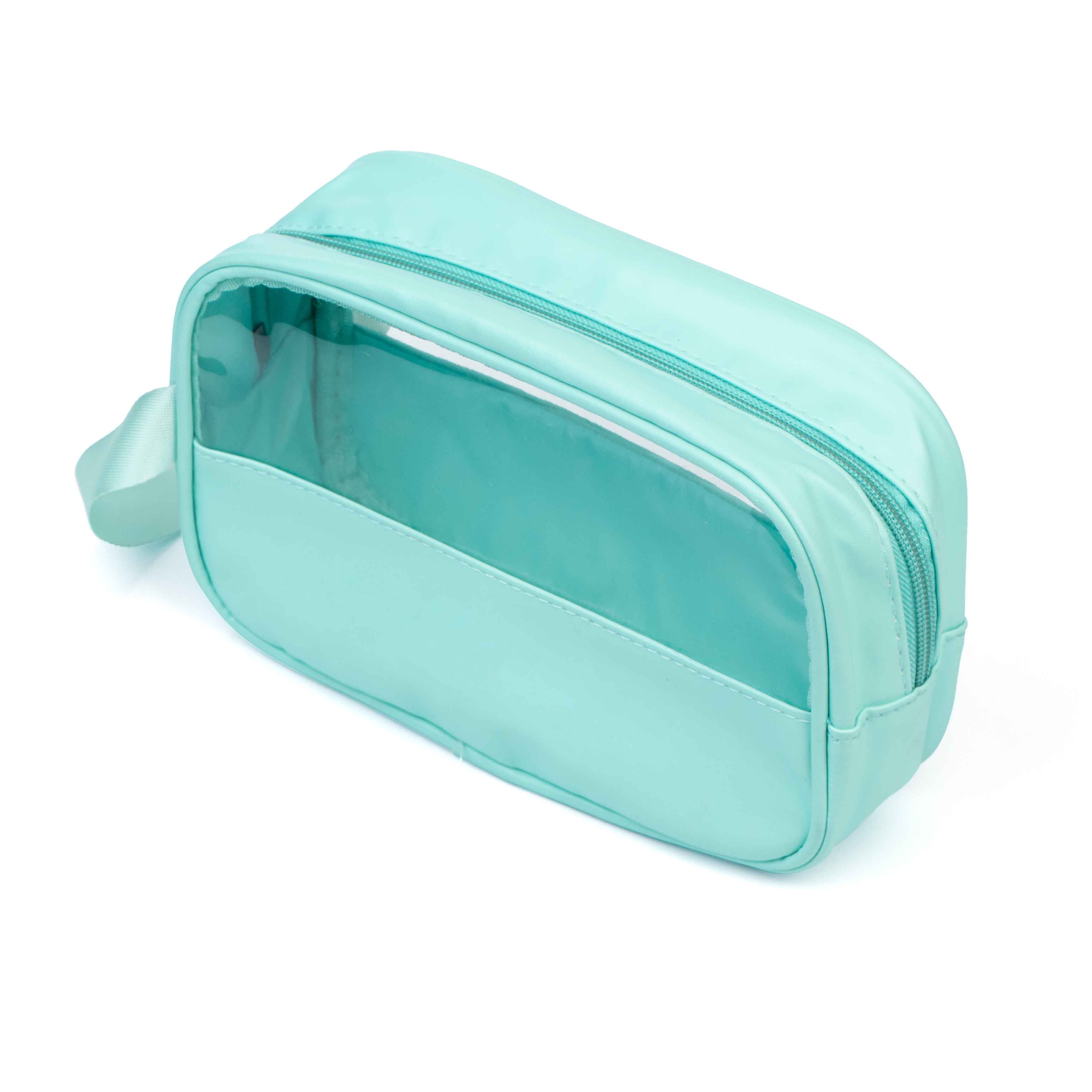
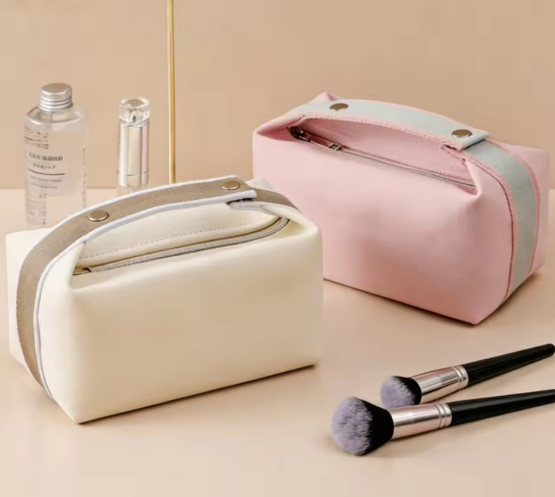
A cosmetic bag manufacturer specializes in designing and producing storage solutions that keep beauty products organized, protected, and easily accessible. These manufacturers create bags in various sizes, styles, and materials to meet diverse customer needs, from compact travel pouches to spacious vanity cases. The main function centers on providing secure compartments that prevent product damage during transportation while offering quick access to essentials. Modern cosmetic bag manufacturers employ advanced production techniques including precision stitching, waterproof lining installation, and custom compartment design to ensure durability and functionality. Technological features often include water-resistant fabrics that protect contents from spills and moisture, reinforced zippers that withstand frequent opening and closing, and structured frameworks that maintain shape even when partially filled. Many manufacturers now incorporate antimicrobial treatments into fabric linings to prevent bacterial growth and odor development. The application scope extends beyond personal use to professional settings where makeup artists, beauty therapists, and salon professionals require reliable storage systems. Cosmetic bag manufacturers serve retail brands seeking private label products, e-commerce businesses needing inventory, and corporate clients ordering promotional items. The manufacturing process typically involves material sourcing, pattern development, cutting, sewing, quality inspection, and packaging stages. Leading manufacturers maintain strict quality control protocols to ensure consistent output that meets international safety standards. They work with materials ranging from synthetic leather and nylon to canvas and eco-friendly alternatives, each selected for specific performance characteristics. The industry has evolved to address sustainability concerns, with many manufacturers now offering recyclable materials and reduced-waste production methods. Customization capabilities allow clients to specify dimensions, color schemes, logo placement, and interior configurations. This flexibility makes cosmetic bag manufacturers valuable partners for businesses building brand identity through functional accessories that customers use daily.

New Products

Working with a professional cosmetic bag manufacturer delivers multiple practical benefits that directly impact your business success and customer satisfaction. First, you gain access to specialized expertise accumulated through years of production experience, meaning your products benefit from refined techniques that amateur producers cannot replicate. Manufacturers understand which materials withstand daily wear, which zipper types resist jamming, and which construction methods prevent seam failure. This knowledge translates into products that last longer and perform better, reducing customer complaints and return rates. Second, established manufacturers operate with economies of scale that lower per-unit costs significantly compared to small-batch production. When you order larger quantities, the price advantage becomes substantial, improving your profit margins or allowing competitive retail pricing. Third, quality consistency remains a major advantage since manufacturers use standardized processes and equipment that produce uniform results across thousands of units. Your customers receive the same high-quality product whether they purchase the first item or the ten-thousandth, building trust in your brand. Fourth, manufacturers offer customization options that help your products stand out in crowded markets. You can specify unique color combinations, add branded elements, adjust pocket configurations, or incorporate special features that align with your target audience preferences. Fifth, production speed and reliability mean you can maintain inventory levels without long waiting periods. Experienced manufacturers schedule production runs efficiently and meet deadlines consistently, preventing stockouts that cost sales. Sixth, manufacturers handle complex logistics including material procurement, quality testing, and packaging, freeing your team to focus on marketing and sales activities. Seventh, many manufacturers provide design consultation services, helping you refine concepts into market-ready products that appeal to consumers. They can suggest improvements based on current trends and practical considerations you might overlook. Eighth, working with manufacturers who maintain certifications and follow safety regulations protects your business from liability issues and ensures products meet import requirements for international markets. Ninth, established manufacturers often have minimum order quantities that, while initially seeming restrictive, actually protect your investment by ensuring production runs are economically viable and quality remains high. Finally, building relationships with reliable manufacturers creates long-term partnerships where they understand your brand values and quality expectations, making future projects smoother and more successful.

Latest News

Why Is a Paper Bag Considered Eco-Friendly Packaging?

08

Jun

Why Is a Paper Bag Considered Eco-Friendly Packaging?

When businesses and consumers seek more responsible packaging choices, the paper bag consistently rises to the top of the conversation. Unlike plastic alternatives that persist in landfills and oceans for centuries, a paper bag is derived from a rene...
View More
How Does a Cooler Bag Maintain Temperature for Long Hours?

17

Jun

How Does a Cooler Bag Maintain Temperature for Long Hours?

Whether you are heading to a weekend picnic, managing a pharmaceutical delivery route, or packing food for a long outdoor excursion, a cooler bag is one of the most practical tools you can carry. But many users wonder how exactly this seemingly simpl...
View More
What Factors Affect How Long a Cooler Bag Stays Cold?

11

Jun

What Factors Affect How Long a Cooler Bag Stays Cold?

Whether you are packing lunch for a long workday, transporting perishable goods for a client delivery, or heading out on a weekend adventure, understanding how long your cooler bag stays cold is essential for both food safety and practical planning. ...
View More
What Is a Cooler Bag and How Does It Keep Food Cold?

11

Jun

What Is a Cooler Bag and How Does It Keep Food Cold?

A cooler bag is one of the most practical and widely used tools for maintaining food and beverage temperatures during transport, outdoor activities, and everyday commuting. Whether you are packing lunch for the office, heading to a beach picnic, or m...
View More

Get a Free Quote

Our representative will contact you soon.
Email
Name
Company Name
Message
0/1000

cosmetic bag manufacturer

Advanced Material Technology and Durability Engineering

Advanced Material Technology and Durability Engineering

Modern cosmetic bag manufacturers have revolutionized product longevity through sophisticated material science and engineering approaches that address real-world usage challenges. The foundation begins with fabric selection, where manufacturers evaluate dozens of material properties including tensile strength, abrasion resistance, colorfastness, and environmental stability. Premium manufacturers source technical fabrics originally developed for outdoor gear and luggage applications, adapting them for cosmetic storage needs. These materials resist tearing even when overstuffed, maintain appearance after repeated cleaning, and withstand temperature fluctuations during travel. Water resistance represents a critical feature since cosmetic products frequently leak or spill. Manufacturers apply multiple protection layers including water-repellent fabric treatments, waterproof interior linings made from materials like PEVA or nylon, and sealed seams that prevent moisture penetration. This multi-barrier approach means even if liquid escapes a product container, it remains contained within the bag rather than damaging other items or leaking into luggage. Zipper technology has advanced significantly, with manufacturers now specifying heavy-duty components rated for thousands of open-close cycles. Quality zippers feature self-repairing mechanisms where the slider realigns teeth if they separate, preventing the frustrating failures common in cheaper bags. Manufacturers also reinforce zipper stress points with bar-tack stitching and backing strips that distribute tension. Interior organization systems demonstrate engineering sophistication through elastic loops, mesh pockets, and removable dividers that accommodate products of varying sizes. Manufacturers calculate optimal pocket dimensions based on common product sizes, ensuring brushes, palettes, and bottles fit securely without wasted space. Structured bases and reinforced walls maintain bag shape, preventing collapse that makes items difficult to locate. Some manufacturers incorporate rigid frames or semi-flexible panels that protect contents from crushing while remaining lightweight. Thread selection and stitching patterns also contribute to durability, with manufacturers using bonded nylon or polyester threads that resist UV degradation and maintain strength in humid conditions. Double-stitching or reinforced seams at stress points prevent separation even under heavy loads. The combination of these technological elements results in products that function reliably for years rather than months, delivering exceptional value that justifies premium pricing and builds customer loyalty through consistent performance.
Customization Capabilities and Brand Identity Integration

Customization Capabilities and Brand Identity Integration

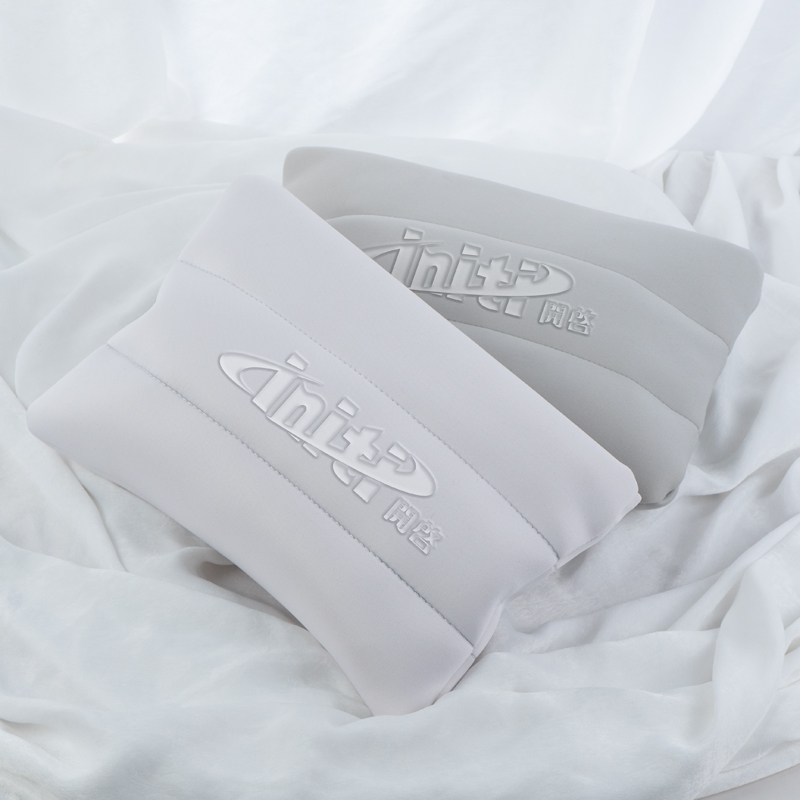
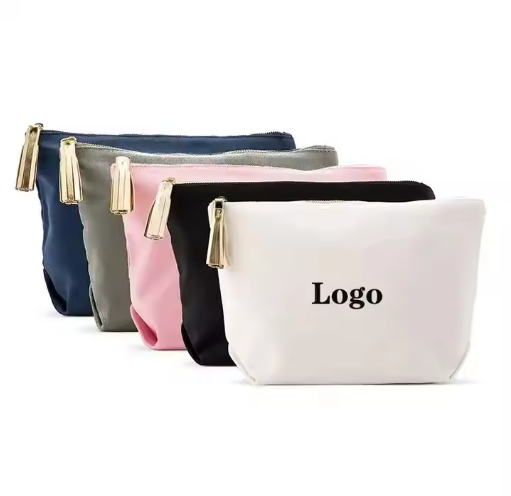
A professional cosmetic bag manufacturer provides extensive customization services that transform generic storage solutions into powerful brand ambassadors that reinforce your market position and customer relationships. The customization process begins with dimensional flexibility, where manufacturers adjust length, width, and depth specifications to match your product line requirements or target use cases. Whether you need compact bags for minimalist travelers or spacious cases for professional makeup artists, manufacturers engineer appropriate sizes while maintaining structural integrity and aesthetic appeal. Color customization extends beyond simple fabric selection to include Pantone matching services that ensure your brand colors appear accurately and consistently across production runs. Manufacturers maintain relationships with dye suppliers and conduct color testing under various lighting conditions to guarantee the final product matches your specifications precisely. This attention to color accuracy matters significantly for brand recognition and professional appearance. Logo application methods vary based on budget, quantity, and desired effect. Manufacturers offer screen printing for cost-effective large runs, embroidery for premium tactile appeal, heat transfer for photographic detail, debossing for subtle elegance, and metal badge attachment for luxury positioning. Each technique delivers different visual and textural results, and experienced manufacturers guide you toward options that align with your brand personality and price point. Interior customization allows you to design compartment layouts that specifically accommodate your product assortment or target customer needs. Manufacturers can add specialized pockets for brushes, create padded sections for fragile items, install mirror panels, or incorporate removable pouches for modular organization. This functional customization increases product utility and differentiates your offering from generic alternatives. Material selection provides another customization dimension, with manufacturers offering fabric options ranging from vegan leather and recycled polyester to organic cotton and luxury textiles. Your material choice communicates brand values, whether emphasizing sustainability, luxury, practicality, or innovation. Manufacturers source materials globally and can provide samples for evaluation before committing to production. Hardware customization includes zipper pull designs, buckle styles, snap finishes, and chain selections that contribute to overall aesthetic coherence. Coordinating these details creates polished products that appear thoughtfully designed rather than assembled from random components. Packaging customization extends brand identity beyond the product itself, with manufacturers offering custom boxes, dust bags, hang tags, and inserts that enhance unboxing experiences and perceived value. Some manufacturers provide design services where their teams develop concepts based on your brand guidelines and market research, essentially functioning as an extension of your product development department. This comprehensive customization capability means you can create distinctive products that perfectly represent your brand while meeting specific functional requirements that generic manufacturers cannot address.
Quality Control Systems and Production Reliability

Quality Control Systems and Production Reliability

Reputable cosmetic bag manufacturers implement rigorous quality control systems that ensure consistent output meeting exact specifications across large production volumes, protecting your brand reputation and minimizing costly defects. The quality assurance process begins before production starts, with incoming material inspection where manufacturers verify that fabrics, zippers, threads, and hardware components meet predetermined standards. This initial screening prevents defective materials from entering the production line, eliminating a major source of finished product failures. Manufacturers maintain detailed specifications for each material property, testing samples for colorfastness, strength, and dimensional accuracy. During production, manufacturers employ in-process quality checks at critical stages rather than waiting until completion to identify problems. Cutting accuracy gets verified to ensure pattern pieces match templates within acceptable tolerances. Stitching quality receives continuous monitoring, with supervisors checking stitch density, straightness, and tension to prevent weak seams or puckered fabric. Assembly accuracy gets confirmed at each stage, ensuring components align correctly and function smoothly. This staged inspection approach catches errors early when correction costs remain minimal rather than discovering problems in finished inventory. Manufacturers use standardized checklists that inspection personnel complete for each production batch, creating documentation trails that enable traceability if issues emerge later. Final inspection represents the most comprehensive quality gate, where trained inspectors examine completed bags against detailed criteria covering appearance, functionality, and durability. Inspectors verify zipper operation through multiple open-close cycles, check stitching integrity by applying tension to seams, confirm dimensional accuracy with measuring tools, and assess overall appearance for defects like stains, misaligned prints, or color variations. Manufacturers typically implement AQL sampling plans where statistically significant sample sizes get inspected from each production lot, with acceptance or rejection decisions based on defect rates falling within specified limits. This scientific approach balances thorough quality verification with production efficiency. Leading manufacturers also conduct destructive testing on sample units, subjecting them to stress tests that simulate extended use. These tests might include repeated zipper cycling until failure, abrasion testing on fabric surfaces, water resistance verification through submersion or spray tests, and load testing to determine weight capacity limits. Results inform design improvements and verify that products meet durability claims. Manufacturers maintain quality records that document inspection results, defect rates, and corrective actions, providing transparency and enabling continuous improvement initiatives. When defects occur, manufacturers implement root cause analysis to identify whether problems stem from material issues, equipment malfunctions, operator errors, or design flaws, then apply corrective measures to prevent recurrence. This systematic approach to quality management means you receive products that consistently meet specifications, reducing customer complaints, minimizing returns, and protecting brand reputation. The reliability extends to delivery schedules, with quality manufacturers maintaining production capacity buffers and backup supplier relationships that prevent delays even when unexpected challenges arise. This operational reliability allows you to plan marketing campaigns and sales promotions confidently, knowing inventory will arrive as promised.

Inquiry Inquiry Email Email Tel Tel WhatsApp WhatsApp

Get a Free Quote

Our representative will contact you soon.
Email
Name
Company Name
Message
0/1000