Полиестер је један од најраспрострањенијих синтетичких ткива у торбама, одећи, напољу и кућним текстилима. Лака је, издржљива, брзо се суши и доступна је у многим различитим конструкцијама.
Али да ли је полиестер водоотпоран?
Кратки одговор није увек тако. Стандардни полиестер је углавном водоотпоран, а не потпуно водоотпоран.
Коначна водна ефикасност полиестера зависи од неколико фактора, укључујући:
- Густина тканине и тканина
- Тежина и дебљина тканине
- Плошови за коцкање
- Izrada šavova
- Завршице и затварачи
- Тешкост воде и време излагања
- Општи дизајн готовог производа
Разумевање ових фактора је важно када се процењује полиестерна тканина за торбе за куповину, торбе за тетоважу, ратне вреће, хладничке вреће, козметичке вреће и друге производе за више пута коришћење.
Шта је полиестер?

Полиестер је синтетичко влакно које се најчешће производи из полимера на бази нафте. Најчешће коришћен тип је полиетилентерефталат, често скраћен као ПЕТ.
Током производње, полимер се топи и формира у дугачка влакана. Ове влакне се могу превити у гну и ткати или плетати у тканину. Произвођачи такође могу да модификују облик влакана, структуру преде, густину тканине и процес завршног обраде како би створили различите карактеристике перформанси.
Полиестер је популаран зато што нуди корисну равнотежу:
- Otpornost na habanje
- Димензионална стабилност
- Задржавање боје
- Отпорност на абразију
- Ниска апсорпција влаге
- Перформансе за брзо сушење
- Релативно ниска одржавање
- Флексибилни опције штампања и завршног деловања
Полиестерна тканина је доступна у различитим тежинама и конструкцијама. На пример, полиестер који се користи у торбама може укључивати 190Т, 210Д и 600Д тканине. Ове спецификације описују карактеристике тканине или пређе, али не би требало да се третирају као категорије водоотпорности.
Виша денира или тежа тканина може понудити већу чврстоћу и бољу отпорност на абразију, али то не значи да је тканина аутоматски водоотпорна. Отпорност на воду и даље зависи од ткања, премаза и завршене конструкције.
Полиестер се такође обично користи као основни материјал за рециклирани полиестер, обично назван рПЕТ. Рециклирани полиестер може да обезбеди сличне општене перформансе као конвенционални полиестер, али његова отпорност на воду зависи од истих фактора: структуре тканине, густине, премаза и завршне обраде.
Полиестер и најлон: примене и предности
Полиестер и најлон су широко коришћене синтетичке тканине, али имају различите комбинације чврстоће, отпорности на влагу и трајности.
Када је полиестер добар избор?
Полиестер се често бира када производ захтева комбинацију издржљивости, стабилности боје, мале апсорпције влаге и ефикасности трошкова.
Обично се користи за:
Полиестер обично добро задржава свој облик и доступан је у многим бојама и завршном обрису површине. Такође добро ради са различитим методама штампања, што га чини корисним за обичај торбе које захтевају логотипе, обрасце или графику са пуном површином.
Још једна предност је то што полиестер не апсорбује толико влаге као многи природни влакови. То омогућава да се релативно брзо осуши након лаге кише или случајних разливања.
Међутим, полиестер није потпуно непропустан води. Тканина може да издржи малу влагу, а истовремено да дозволи да вода прође кроз тканину под јачим или дужим излагањем.
Како се нилон може упоредити?
Најлон је такође синтетичко влакно које се користи у лаким и издржљивим торбама. Често се цени за:
- Висока чврстоћа на истезање
- Флексибилност
- Отпорност на абразију
- Meke osjećaje ruke
- Леског тежег конструкције
- Добра отпорност на распадање
Најлон може бити одличан избор за трчане торбе, производе за ванђери, ратне вреће и лаке торбе.
Међутим, није тачно рећи да је најлон увек водоотпорнији од полиестера. Водна перформанса оба материјала у великој мери зависи од процеса изградње тканине и завршног обраде.
Тврдо тканина полиестер са одговарајућим премазом може пружити бољу заштиту од воде од необрађеног најлонског тканина. Слично томе, наклоњена нилонска тканина може бити боља од ненаклоненог полиестерског тканина.
Полиестер и најлон: Кључне разлике
Особност |
Полиестер |
Нилон |
Апсорпција влаге |
Ниско |
Ниска, али генерално већа од полиестера |
Брзина сушења |
Обично брзо |
Обично брзо |
Флексибилност |
Умерено |
Често флексибилније |
Задржавање боје |
Уопштено, веома добро. |
Може бити осетљивији на ултравиолетову зрачност |
Отпорност на абразију |
Добро. |
Често одличан |
Одрживање облика |
Уопштено добро |
Може се више истезати под оптерећењем |
Отпорност на воду |
Зависи од ткања и премаза |
Зависи од ткања и премаза |
Уобичајене употребе врећа |
Зане, торбе за куповину, торбе за хлађење, промотивне торбе |
Занађице, путне торбе, тећице за ванђерију |
Најважнија тачка је да само врста влакана не одређује да ли је готова врећа водоотпорна.
Која је разлика између најлона и полиестера?
Рипстоп је конструкција од тканине дизајнирана да побољша отпорност на раскол. Обично се препознаје по свом карактеристичном цртежном обрасцу, који се ствара појачавањем нишаца уплетих у ткиво.
И најлон и полиестер се могу направити у тканине које се не могу издвојити, али имају различите карактеристике.
Нилонски репстоп
Најлонски рипстоп се често бира за апликације које захтевају високу чврстоћу и отпорност на абразију. Обично се користи у опреми за напољу, раним врећицама и другим производима изложеним захтевним условима.
Полиестер Рипстоп
Полиестерски рипстоп је вредна због своје трајности, задржавања боје и отпорности на истезање и смањење. Може бити погодан за производе за спољашњост и торбе где је важно одржавање облика и изгледа.
Šta je bolje?
Не постоји једна најбоља тканина за сваку употребу. Најлон се може користити када је снага приоритет, док полиестер може бити добар избор када су трајност, задржавање боје и стабилност облика важни.
Ни једна од ове тканина није аутоматски водоотпорна. Отпорност на воду и даље зависи од тканине, премаза и целокупне конструкције.
Водоотпорна против водоотпорне
Термини водоотпорни и водоотпорни се често користе замениво, али описују различите нивое заштите од воде.
| Срок |
Шта то значи |
Пример у врећицама |
| Водоотпорна |
Ублажава проникљење воде; не утиче на дожђе и прскање, али вода на крају пролази кроз под притиском или под дуготрајним излагањем |
Необрађена полиестерска торба за куповину |
| Водоотпорна |
Непрекидна бариера (покрив или ламинат) потпуно блокира воду при нормалној употреби; за потпуну заштиту мора бити и затварани шви и ципели |
Плуарне вреће, ламиниране плажне вреће |
Да ли је полиестер водоотпоран?
Полиестер није природно водоотпоран, али се може обрадити како би се осигурала јача заштита од воде.
Његова чврсто ткана влакна и мала апсорпција влаге помажу да вода успори улазак. Међутим, необрађени полиестер на крају може омогућити пролазак воде, посебно када се дуго излагате јаком киши или стајалој води.
Из тог разлога, важно је разликовати полиестер који је отпоран на воду и полиестер који је непропустан.
Наука која води полиестер до отпорности на воду
Полиестерска влакана природно апсорбују врло мало воде. То помаже тканини да одбаци влагу и да се релативно брзо осуши.
Такође, важна је улога ткања. Тврдо ткаени полиестерски ткив може бити боље отпоран на проникљење воде него лабав ткив. Међутим, чак и густа тканина може омогућити пролазак воде под довољним притиском или дуготрајном излагањем.
Због тога се полиестер често описује као водоотпорни, а не потпуно водоотпорни.
Како полиестер постаје непрометан: премази и ламинирани материјал
Произвођачи прерађују водоотпорни полиестер у водоотпорни полиестер на четири главна начина. Свака од њих има различите трошкове, осећај руке, издржљивост и еко профиле и свака одговара различитим типовима торби.
| Метода |
Како то функционише |
Водоотпорност |
Осећај руке |
Еко профил |
Типична употреба торбица |
| ПУ премаз (полиуретано) |
Тонки ПУ филм се наноси на ролер на ткиво назад |
Високи (са затварањем шваба) |
Мека, флексибилна |
Без ПВЦ-а; доступне су ПУ опције на водној бази |
Куповине, плажне торбе, козметичке торбе, хладнице |
| ПВЦ премаз |
На ткиво се наноси густи ПВЦ слој |
Веома високо, 100% |
Стровије, као пластична |
Садрже ПВЦ; теже се рециклира |
За тешке преграде, индустријске торбе, торбе за кућне љубимце |
| Ламинација ТПУ |
На ткиво се веже флексибилни ТПУ филм |
Веома висок, остаје флексибилан на хладноћи |
Мабле, премије |
Без ПВЦ-а, трајнији |
Путничке торбе, опрема за ванђери, изоловане торбе за ручак |
| ПУЛ (полиуретанови ламинат) |
Лаган ПУ филм ламиниран за мекоћу |
Висока за светлосно до умерено излагање |
Мека, заплетена |
Уновко употребљиве, без ПВЦ-а |
Већесточне вреће, чување за бебе, вреће за прање |
| Завршавање ДВР |
Химијска завршна боја која одбија воду (често без С0/ФФЦ) |
Само ниска репелентност |
Непроменјена |
Доступне Ц0 завршне боје без ПФЦ-а |
Мали продавници који требају "очишћење" стила, облоге јакне |
Кључне тачке за купце:
- Оксфордски полиестер са ПУ премазом (обично 210Д-600Д) је стандардна индустрија за промотивне и малопродајне водоотпорне тоте. Она уравнотежава заштиту, способност штампања и трошкове, и најлакше је направити без ПВЦ-а.
- ПВЦ пружа најјачу, најрегиднију баријеру, због чега доминира на пластинкама и тешка употреба.
- Tпу је премијум ажурирање: остаје флексибилан зими, отпорно је хидролизи боље од стандардног ПУ током година коришћења, и је идеал за путовања и колекције на отвореном.
- Покрив само затвара ткиво. Заправо водоотпорну торбу такође треба затварати или залепнути заши, затварати затвараче (или покрити затварачи) и покрити ивице.
Да ли су водоотпорни премази на полиестеру ефикасни и да ли трају дуго?
Уколико се полиестер наведје на одговарајући начин, то може значајно побољшати отпорност на воду. Међутим, његова ефикасност зависи од врсте премаза, дебелине, адхезије, припреме тканине и квалитета производње.
Увек је потребно да се опреми за давање ефикасности.
- Поновно преклапање
- Абразија
- Огребање
- Висока топлота
- Оштри детергенти
- Продолжена изложеност ултравиолетовим зрацима
- Често прање
- Скитање на истом месту
Покривена тканина такође може изгубити својство ако се премаза пукне, лупи или се одвоји од основне тканине.
Због тога, "водоотпорност" треба разумети као тврдњу о перформанси повезану са одређеном тканином и конструкцијом производа. Не би требало да се тумачи као трајна гаранција под свим условима.
Производ који је намењен за јаку кишу, складиштење воде или дуготрајно излагање на отвореном обично захтева више од премашене тканине. Такође ће можда бити потребно затварање заплетених шија, заштићени ципели, покривени отвор и одговарајући стандард за тестирање.
Апсорбција и карактеристике брзо сушења
Полиестер обично апсорбује мање влаге од многих природних тканина. Када вода стигне до тканине, већина ње може остати на површини или се кретати дуж структуре нитене уместо да буде дубоко апсорбована у влакна.
То помаже полиестеру да се релативно брзо осуши.
Учинци брзог сушења су корисни за:
- Спортске торбе
- Плажни врећићи
- Пеник-кешице
- Патничке торбе
- Sportski pribor
- Вишеразовне торбе за куповину
- Хладница и торбе за ручак
Учинки за отпајање влаге
Неке полиестерске тканине су направљене са посебним облицима жице или површинским обрадама како би се влага одвратила од коже. Ово се назива исцрпљење влаге.
Полиестер који се одвоји од влаге посебно је уобичајен у спортској одећи, али концепт се разликује од хидроизолације.
Тканина која се користи за провлачење влаге дизајнирана је тако да влагу проноси кроз тканину. Водоотпорна тканина је дизајнирана тако да ограничава проникљење воде.
То су различити циљеви за перформансе.
За вреће, релевантнија својства су обично:
- Отпорност на спољашњу влагу
- Лако чишћење
- Брзина сушења
- Otpornost na habanje
- Својства преклопа
- Заштита за швање и затварање
Екоугол: рециклирани полиестер (рПЕТ)
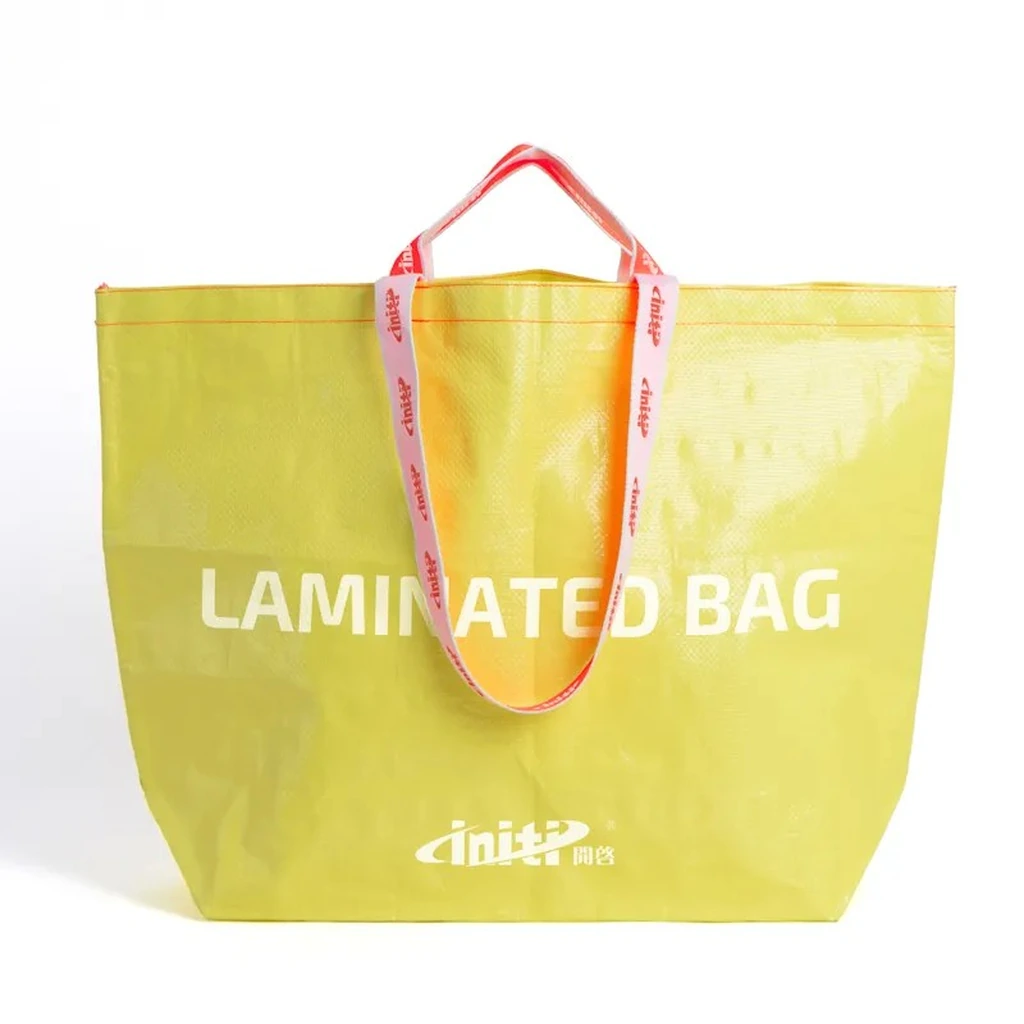
Рециклирани полиестер се производи од рециклираних ПЕТ материјала, као што су употребљене пластичне флаше. Може се произвести у тканине различитих тежина, ткања и завршних делова.Еко-свестан рециклирани полиестер спаја одрживе изворе са издржљивим обрадом који одбацује воду, што га чини свестраним материјалом идеалним за вишекратну употребу торбица и облога за ја
| Особност |
Детаљи |
| Одрживост |
Изграђени од рециклираних сировина |
| Примене |
За прерађивање, за прерађивање, за прерађивање, за прерађивање, за прерађивање, за прерађивање, за прерађивање, за прерађивање, за прерађивање, за прерађивање, за прерађивање, за прерађивање, за прерађивање, |
| Водоотпорност |
Учинци одбијања воде који се постижу специјалним обрадом површине |
| Утицај на животну средину |
Погодан; доприноси циркуларној економији материјала |
Рециклирани полиестер подржава принципе одрживе производње док пружа практичне предности у перформанси. То је добро прилагођен избор материјала за брендове и потрошаче који дају приоритет ниско-утицајућим, еколошки одговорним текстилима.
Савети за неодвојиву полиестерску врећу
Покривен полиестер је издржљив, али неколико навика одржава водоотпорни слој ефикасним током година малопродајне употребе:
- Чистите се са лаким сапуном и влажном крпом ; избегавајте прање машине премазаних тканина кад је то могуће.
- Препустите штетне детергенте, беливач и омекаваче тканина они скидају премазе и ослабљују ламинат.
- Воздух суши далеко од директне топлоте ; високе температуре сушилаца могу да напукују ПУ/ТПУ филмове.
- Поново примените ПДВ спреј периодично ако се врећа ослања на водоотступајућу (непокривену) завршну косу.
- Чувајте суво и нераспаљено да се са временом спрече пукотине у премази.
Које су друге опције за водоотпорност осим полиестера за торбе за вишекратну употребу?
Полиестер је само један од неколико материјала који се користе за вреће које се могу више пута користити. У зависности од сврхе производа, други материјали могу обезбедити различите комбинације отпорности на воду, структуру, флексибилност, изглед и одрживост.
Нилон
Покривен најлон може пружити снажну отпорност на воду, а истовремено остати релативно лаган и флексибилан. Обично се користи за ране вреће, путне торбе, спољне додатке и преклапане производе.
Прекривена оксфордска тканина
Покривена оксфордска тканина се често бира за производе којима је потребна структура и издржљива спољашња површина. То може пружити бољу заштиту од воде од необрађене тканине када су премаз и конструкција одговарајући.
Восковито платно
Восковано платно користи восковито завршетак како би побољшало отпорност на воду и влагу. Она пружа карактеристичан изглед и природнији осећај руке, али завршница може трајати и током времена.
Тивек
Тивек је лаган синтетички материјал са изгледом личи на папир. Може да се издрже воде и често се користе у лаким торбама, паковањима и промотивним производима. Његова текстура и понашање у односу на суз се разликују од тканог полиестера.
Природно платно са обрадом који је отпоран на воду
Памучно платно природно није водоотпорно, али се може обрадити водоотпорном завршном оцртањем или комбиновати са заштитном облогом. Без додатне обраде, памучно платно обично апсорбује више влаге од полиестера.
Најбољи материјал зависи од тога да ли производ даје приоритет:
- Лага тежина
- Отпорност на воду
- Отпорност на абразију
- Флексибилност
- Структура
- Квалитет штампе
- Рециклирани садржај
- Трошкови
- Лако чишћење
Закључак
Полиестер није само по себи водоотпоран али са правом премазом, шавима и затварањем, један је од најпрактичнијих и најефикаснијих водоотпорних материјала за тржиште торбица за више пута коришћење. Знање о тканини је једноставно када разумете слојеве: основно влакно одређује чврстоћу, отпорност на ултравиолетове зраке и брзину сушења; премаз одређује ниво водоотпорности; а шавови, ципели и облога одређују да ли готова врећа држи своје обећање у киши
Често постављене питања
Да ли је полиестер водоотпоран?
Не, не, не. Полиестер је природно водоотпоран, али не и водоотпор. Постаје водоотпорна када је премазана или ламинирана материјалима као што су ПУ, ПВЦ, ТПУ или ПУЛ.
Да ли је 100% полиестера водоотпорно?
100% полиестерна тканина без третмана је водоотпорна само она се носи са лаком кишом, али пушта воду кроз под притиском или дуготрајном излагањем. "100% полиестер" описује садржај влакана, а не водоотпорност. Проверите да ли је тканина покривена или ламинирана.
Да ли је полиестер или најлон водоотпорнији?
Ни једна није водоотпорна без третмана обоје требају премаз. Најлон нуди већу чврстоћу за тешке опреме; полиестер нуди бољу отпорност на ултравиолетове зраке, задржавање боје и вредност за свакодневне торбе и торбе за куповину. Са истим квалитетом премаза, оба имају сличан перформанс у киши.
Можете ли штампати лого на водоотпорне полиестерске вреће?
Да, ја сам. Скрипним штампањем, топлотним преносом и везом се све ради на полиестеру са премазом када су системи премаза и мастила правилно усавршени. Поделите своје уметничке радове тако да фабрика може да препоручи најтрајнију декорацију за вашу ткиву и премаз.
Сродне производе


 Топла вест