Шта је РПЕТ материјал и зашто је популаран?
РПЕТ је постао један од најраспрострањенијих рециклираних материјала у врећицама за више пута коришћење, одећи, паковању, путничким производима и промотивном производу.
Мали трговци, супермаркети, корпоративни купци, спортски брендови, промотивне компаније и продавачи приватних ознака све више користе РПЕТ производе како би комуницирали о извозу рециклираног материјала и смањили зависност од полиестера.
Међутим, многи купци још увек имају практична питања:
- Шта заправо значи РПЕТ?
- Да ли је свака врећа направљена од рециклираних пластичних боца РПЕТ врећа?
- Како се производи тканина од РПЕТ-а?
- Да ли је РПЕТ исти као и рециклирани полиестер?
- Да ли је РПЕТ водоотпоран?
- Да ли РПЕТ аутоматски значи да је еколошки прихватљив?
- Које сертификатне документе купци треба да траже?
- Које врсте врећа су погодне за РПЕТ материјал?
Овај водич објашњава РПЕТ из перспективе куповине Б2Б и пружа практичне препоруке за избор обичај РПЕТ вреће.
Шта значи РПЕТ?
РПЕТ је сакраћено од рециклирани полиетилентерефталат .
ПЕТ је врста полиестера која се обично користи у:
- Боце за пиће
- Ambalaža za hranu
- Poliesterskih vlakana
- Текстилне тканине
- Филмови за паковање
- Други обрађени пластични производи
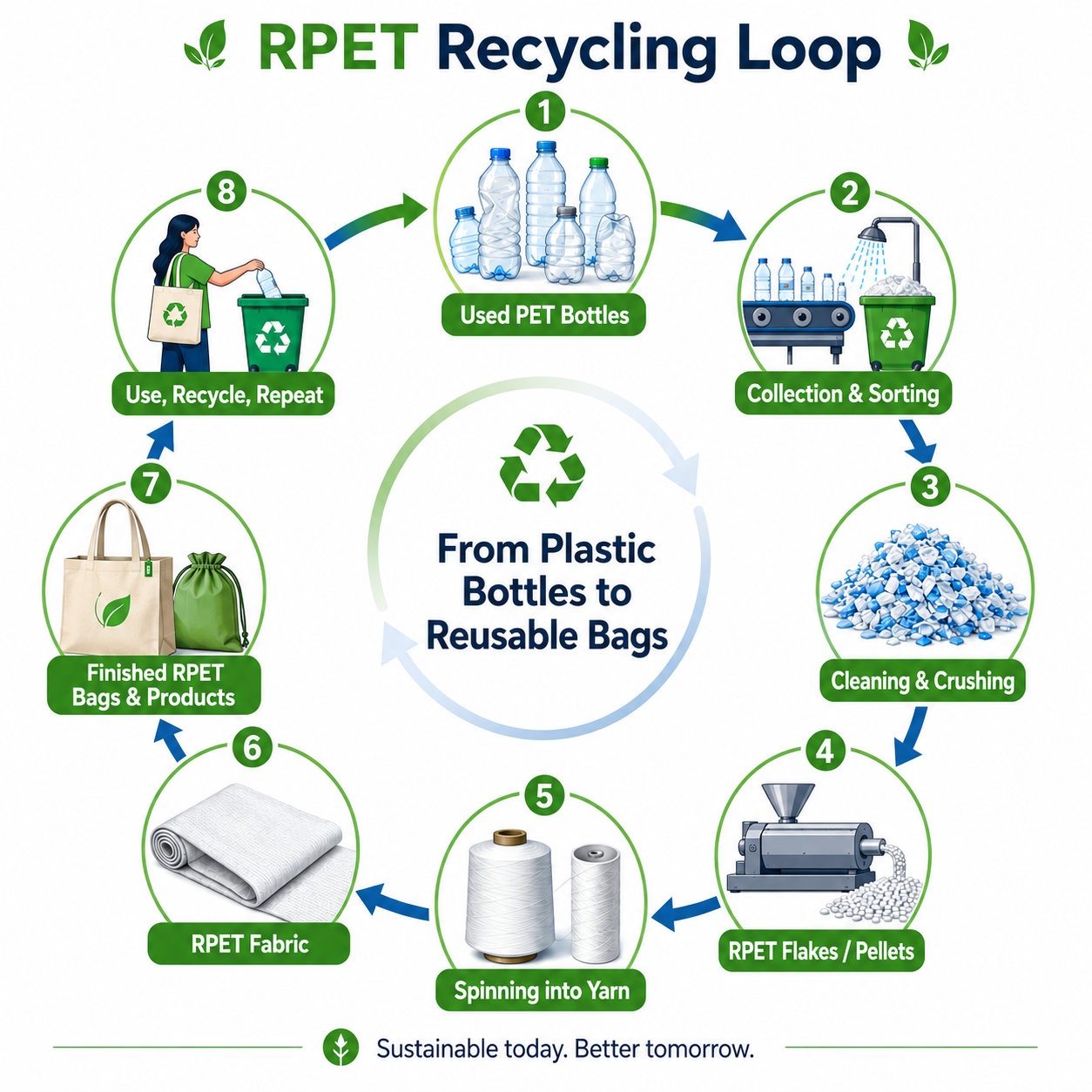
Када се опорављени ПЕТ сакупља, обрађује и претвара у користан рециклирани материјал, назива се РПЕТ или рециклирани ПЕТ.
У текстилном примењу, РПЕТ се обично претвара у рециклирана полиестерска влакана и пређе која се могу ткати или плетати у тканину.
Ове тканине се затим могу користити за производњу:
РПЕТ стога није једна јединствена спецификација тканине. То је категорија рециклираних сировина који се могу развити у многе различите текстиле, тежине, премазе и структуре производа.
Да ли је РПЕТ исти као и рециклирани полиестер?
У већини текстилних и торбичких апликација, РПЕТ и рециклирани полиестер се односе на блиско сродне материјале .
РПЕТ описује рециклирани ПЕТ као сировину. Рециклирани полиестер обично описује влакна или текстил произведен од рециклираног ПЕТ сировина.
На пример:
- Користите ПЕТ флаше се прикупљају.
- Боце су сортиране и чисте.
- ПЕТ се претвара у плочице или гранулице.
- Рециклирани материјал се обрађује у полиестерско влакно.
- Фибра се превара у жицу.
- Плетка је ткаена или плетена у тканину РПЕТ.
- Тканина се користи за производњу торбица или других текстилних производа.
Међутим, рециклирани полиестер не долази увек само из пластичних флашица. Рециклирана сировина може такође доћи од:
- Индустријски отпад од полиестера
- Производствени остаци
- Отпад од текстила
- Копче од полиестера
- Други ПЕТ производи
Уколико је потребно, продавац би могао да се повуче у другу страну.
Како се производи тканина од РПЕТ-а?
Тачан процес зависи од технологије рециклирања и извора материјала, али производња текстила од РПЕТ-а обично прати неколико фаза.
1. у вези са Збирка
ПЕТ материјал који се користи после потрошње или индустријске производње прикупља се из система рециклирања, фабрика или одобрених ланца снабдевања.
Уобичајени извори укључују:
- Користите флаше за пиће
- Опаковани отпад
- Одпад од производње полиестера
- Одпад од резања текстила
- Производи од полиестера који су на крају свог радног периода
2. Сортирање
Прикупљени материјал се сортира према:
- Тип пластике
- Боја
- Ниво контаминације
- Квалитет материјала
- Намерна рециклирана примена
Неисправни материјали, етикете, капаци, метали и контаминатори морају бити уклоњени.
3. Čišćenje
Изабран ПЕТ се пере да би се уклонило:
- Прљавштина
- Лепила
- Етикете
- Остатак
- Уља
- Остали контамини
Квалитет чишћења утиче на изглед, конзистенцију, мирис и перформансе рециклираног материјала.
4. Уколико је потребно. Производња плочица или пелета
Чишћена ПЕТ се обично раширује на плочице. Затим се може растопити, филтрирати и претворити у рециклиране пелете.
5. Појам Производња влакана и гвожђа
Рециклирани ПЕТ се топи и екструдира у влакна. Ове влакне се истежу, обрађују и преврте у рециклирану полиестерску низу.
6. Уколико је потребно. Производња тканина
Плоча од три или више врста
- Плетен полиестер
- Оксфордска тканина
- Тканина за репстоп
- Меша
- Плетеница
- Неткани материјал
- Линеринг
- Вебинг
- Плетени тканини
7. Завршница
У зависности од производа, тканина може имати:
- ОБРАЗАНИ
- Печат
- Ламинација
- Водоотпорни премаз
- ПУ премаз
- ПВЦ премаз
- Антистатичка обрада
- Опрема за отпоравање пламена
- Додатна подршка
То значи да два производа описана као РПЕТ могу имати веома различите тежине, осећај, трајност, изглед и профил животне средине.
Механичка рециклирање против хемијске рециклирања
РПЕТ се може произвести различитим методама рециклирања.
Механичка рециклирање
Механичко рециклирање обично укључује:
- Сортирање
- Прање
- Рубљење
- Топљење
- Филтрисање
- Реекструдирање ПЕТ-а
Ово је тренутно широко коришћен метод за производњу рециклираног полиестера.
Предности
- Установљени производни процес
- Прикладан за многе апликације у текстилу
- Обично доступни за торбе и промотивне производе
- Може користити извора за флашу за послеконзумерску употребу
Ограничења
Поновљена топлотна обрада може утицати на квалитет полимера. Контаминација и разлике у боји такође могу утицати на коначну нијансу.
Химијска рециклирање
Химијска рециклирање разбија полиестер на мање хемијске компоненте пре него што се материјал поново изгради.
Потенцијалне предности
- Може обрађивати неке материјале који се тешко механички рециклирају
- Може потенцијално произвести материјал ближи полиестеру из првих канала
- Може подржати будуће системе рециклирања текстила у текстил
Ограничења
- Комплекснија обрада
- Ограничена доступност на неким тржиштима
- Могуће је да се примењује већа цена пројекта
- Сертификација и тражимост још увек треба да се провере
За најконвенционалније позаједна торба у овом тренутку, механички рециклирани полиестер је најчешћа опција.
Зашто је РПЕТ популарна?
1. у вези са Смањује потражњу за сировим полиестерским материјалом
Виргински полиестер се углавном производи од фосилних сировина. Употреба рециклираног ПЕТ ствара потражњу за рециклираним полиестерским сировином уместо да се у потпуности ослања на новопроизведен полимер.
Ово је један од главних разлога због којих брендови укључују РПЕТ у програме одговорног снабдевања материјалима.
2. Уколико је потребно. Он даје постојећем ПЕТ материјалу другу употребу
Опорављени ПЕТ се може претворити у текстилна влакана и користити у производе као што су торбе, одећа, тепихе и додаци.
То помаже да се неки материјали који се поново искоришћују задржавају у продуктивној употреби, а не да се одмах третирају као отпад.
3. Уколико је потребно. Ради са многим структурама врећа
РПЕТ полиестер се може развити у лаке, средње или структурираније материјале.
Може се користити за:
Ова свестраност олакшава брендовима да примењују снабдевање рециклираним материјалима у неколико категорија производа.
4. Уколико је потребно. Подржава више метода штампања
У зависности од конструкције тканине и премаза, РПЕТ вреће могу подржавати:
- Скрин-принтинг
- Прелазак топлоте
- Сублимација
- Дигитална штампа
- Изгртање
- Плетене етикете
- Гумени пластири
- Пружање пуне површине
То купувачима даје флексибилност када прилагођавају производ бојима бренда, промотивним уметничким радовима и малопродајним колекцијама.
5. Појам Лака је и практична
Као и конвенционални полиестер, РПЕТ може пружити корисне карактеристике перформанси као што су:
- Мала тежина производа
- Добра флексибилност
- Брзо сушење
- Отпор на крев
- Разноврсност боја
- Лако савијање
- Компатибилност са премазима и ламинацијама
Ове карактеристике су посебно корисне за торбе за куповину, спортске производе, туристичке торбе и промотивну робу.
6. Уколико је потребно. Она пружа јасну причу о рециклираном материјалу
РПЕТ је релативно лако за купце и потрошаче да разумеју када је тврдња правилно подржана.
Бренд може комуницирати:
- Садржај рециклираног полиестера
- Рециклирана сировина након потрошње
- Набавка рециклираних флашица
- Сертификација траживих материјала
- Смањена употреба полиестера
Међутим, рекламације на тржишту морају тачно одговарати коначном саставу производа и документима за сертификацију.
Да ли је свака врећа направљена од рециклираних бочица РПЕТ врећа?
Запашка се може описати као РПЕТ када је њена полиестерска тканина произведена од рециклиране ПЕТ сировине.
Међутим, купци треба да провере више од имена производа.
Важна питања укључују:
- Колико је процената тканине рециклиран полиестер?
- Да ли је рециклирани садржај пост-конзумерски или пост-индустријски?
- Да ли се проценат односи на тканину или на комплетан производ?
- Да ли се и облога, трака, ципер, нит и етикете такође рециклирају?
- Да ли је сертификација доступна?
- Може ли добављач да пружи документе о трансакцији?
- Да ли је тврдња тражива кроз ланцу снабдевања?
На пример, врећа могу користити РПЕТ спољашњу ткиву, али и даље садржати:
- Плински линк од полиестера
- Стандардни најлонски ципер
- Плински пленци
- Плочане пена
- Пластична хардверска опрема
- Метални додаци
- Трка за шивање
Производ може и даље садржавати рециклирани материјал, али не би требало да се аутоматски описује као 100% рециклиран, осим ако комплетна композиција не подржава ту тврдњу.
Типови тканина из РПЕТ-а који се користе за вреће
Оксфордска тканина од РПЕТ
Оксфордска тканина од РПЕТ-а се обично користи за:
- Занапећице
- Патничке торбе
- Вреће за хлађење
- Торбе за лаптоп
- Sportske torbe
- Производи за складиштење
Може се производити у различитим густинама и може укључивати ПУ или друге премазе.
Неткани тканини од РПЕТ
РПЕТ неткани материјал се може користити за:
- Промоционалне торбе за куповину
- Зане за догађаје
- Паковање за поклоне
- Леки малопродајни торбе
Купци би требали да разликују РПЕТ неткани полиестер од конвенционалног ПП нетканог ткива јер користе различите основне полимере.
РПЕТ филт
РПЕТ филц је погодан за:
- Кошнице за складиштење
- Чехол за лаптоп
- Организатори
- Паковање за поклоне
- Унутрашњи преграђивачи
Његова дебљина, густина, крутост и квалитет површине могу се прилагодити.
РПЕТ маша
РПЕТ маша се може користити за:
- Плажни врећићи
- За вешање веша
- Sportske torbe
- ПЕТ ПРОДУКТИ
- Склањање опреме
Густина очје треба изабрати у складу са величином намењеног садржаја.
РПЕТ Рипстоп тканина
Конструкције за репстоп могу се користити за:
- Закупне торбе
- Покривена торба
- Лески раници
- Sportski pribor
- Организатори путовања
Конструкција појачане мреже може помоћи у ограничавању ширења малих рушења, иако коначна трајност и даље зависи од спецификације тканине и квалитета шивања.
Препоручени РПЕТ производи
РПЕТ торбе за куповину погодне су за:
- Мали продавнице
- Супермаркети
- Програми чланства
- Корпоративне промоције
- Трговински састави
- Кампаније за брендове
Препоручане карактеристике укључују:
- Зајачане ручке
- Дно гусета
- Велика површина логотипа
- Унутрашњи џеп
- Склапана конструкција
- Корисне Пантонске боје
Preporučeno Производ :
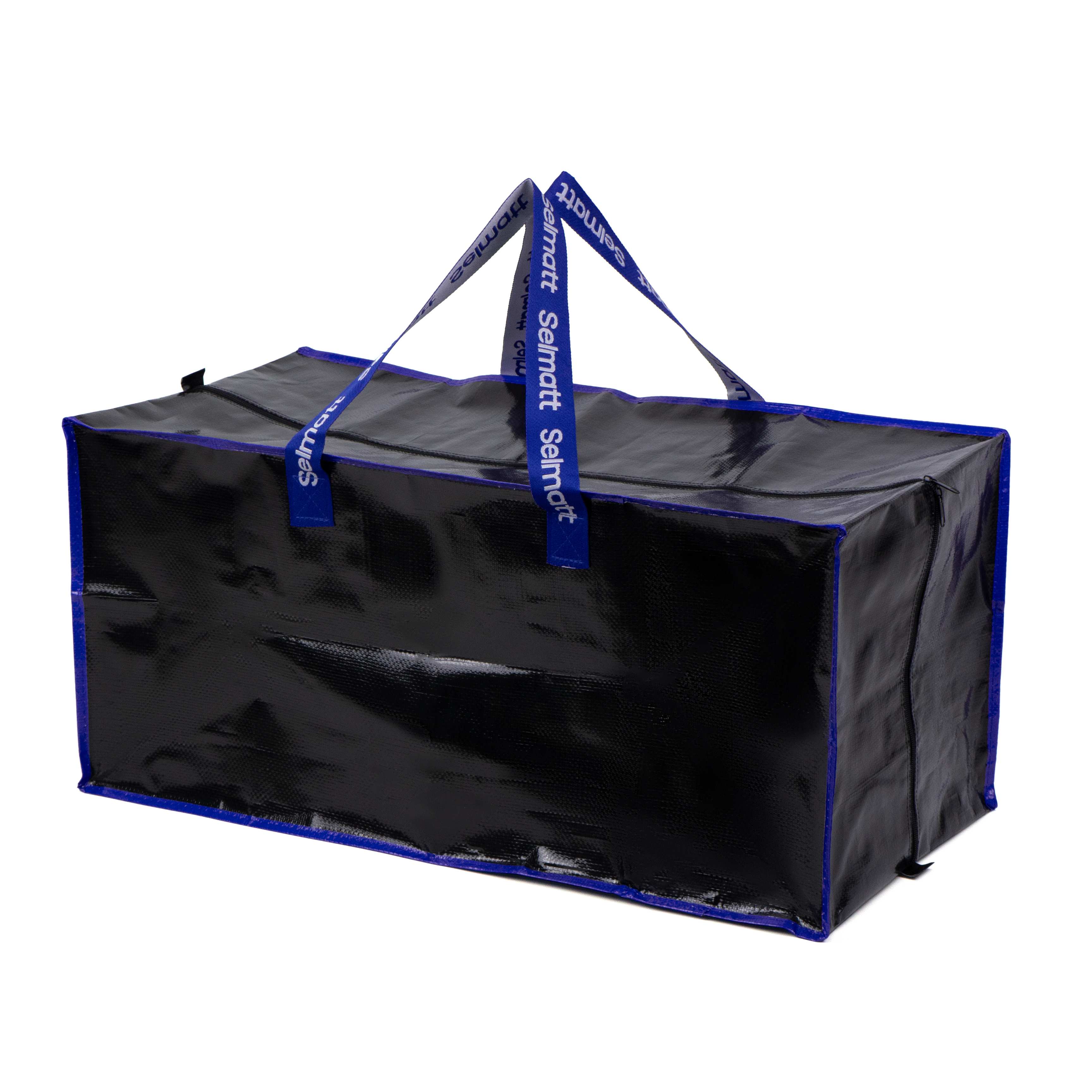
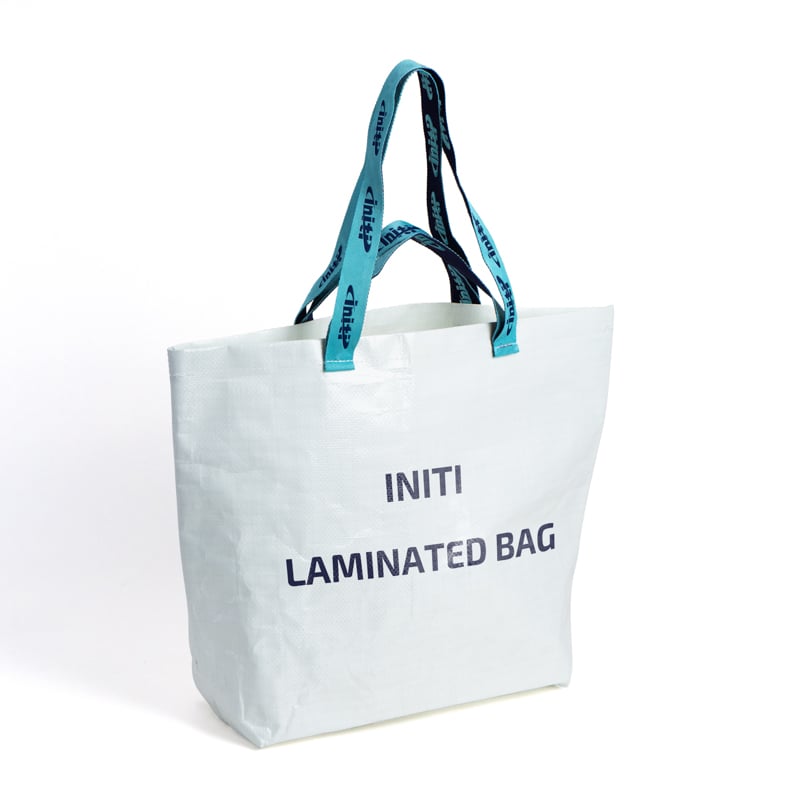
Наредна РПЕТ торба за куповину
Склапане РПЕТ вреће су погодне за кампање у којима су компактна складиштења и ефикасност дистрибуције важне.
Они добро раде за:
- Подаци у супермаркетима
- Путни додаци
- Лојалност
- Промотивни догађаји
- Ретаилска трговина електронском трговином
Препоручане карактеристике укључују:
- Интегрисани чувар за складиштење
- Лагана тканина рипстоп
- Ојачани шви
- Снап или еластични систем савијања
- Пунобојне штампе
Препоручен производ:
РПЕТ складни торбац за куповину
РПЕТ торбе за вучеве нуде решење контролисано трошковима за:
- Спортивни догађаји
- Школе
- Добротворне кампање
- Фитнес клубови
- Конференције
- Промоционална паковања
Препоручане карактеристике укључују:
- Предњи џеп за ципер
- Ојачани доњи углови
- Дебљи конци
- Отражавајуће лого
- Многе боје кампање
Препоручен производ:
Рекпац са линком за вучење
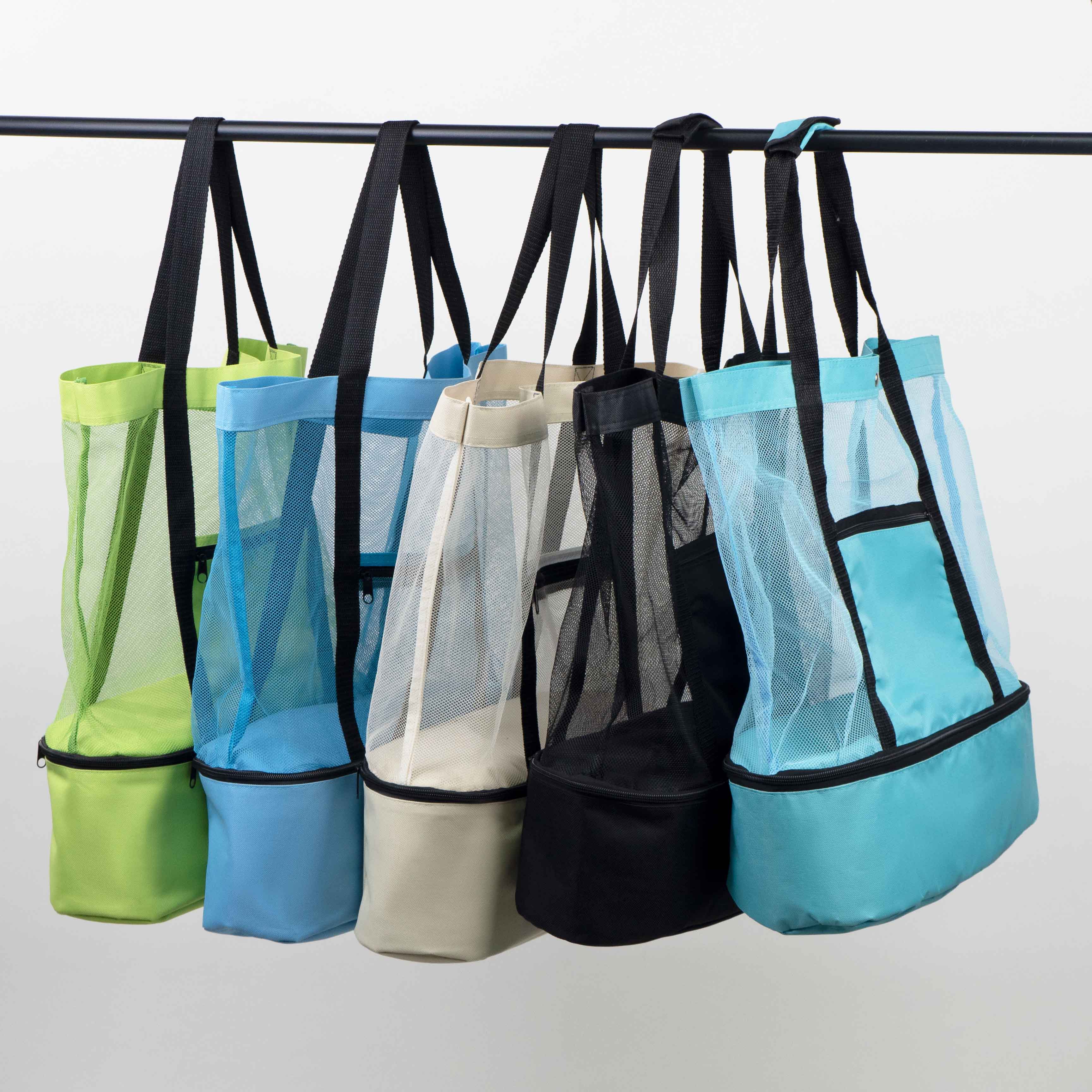
Изванска тканина из РПЕТ-а може се комбиновати са изолацијом и одговарајућим материјалима за обложу за производњу:
- Торбе за ручак
- Пеник-кешице
- Хладнице за продавнице намирница
- Промоционалне торбе за храну
- Корпоративни бољоштровни поклони
Купци треба да примете да РПЕТ спољашњост не значи да је комплетна куфер торба у потпуности направљена од рециклираног материјала.
Препоручен производ:
Изолирана кухиња за хлађење од РПЕТ-а
РПЕТ раници су погодни за:
- Школе
- Корпоративни поклони
- Путезнички брендови
- Спортивни програми
- Мали колекције
- Стручњаци су добродошли
Препоручане карактеристике укључују:
- Oprugljene ramenske vrpce
- Kompartman za laptop
- Страни џепови бочица
- Ојачана основа
- Опције рециклиране облоге и траке
Препоручен производ:
Рекпац за РПЕТ
РПЕТ тканина се може користити за лаге и структуриране торбе за личну негу.
Прикладе које су погодне укључују:
- Сет за поклоне лепоте
- Путничке колекције
- Hotel Sredstva
- Промоционални комплети
- Подесе за претплату
- Производи лепоте приватне марке
Препоручен производ:
РПЕТ козметичка врећа са прилагођеним логотипом
РПЕТ торбе за одећу могу се развити за:
- Модни брендови
- Продавници одећа
- Свадбени одећа
- Једноставни добављачи
- Хотели
- Услуге сувог чишћења
Препоручане карактеристике укључују:
- Потпуно затварање ципера
- Ојачано отварање вешача
- Чисти џеб за идентификацију
- Носите ручке
- Склапана структура костимске вреће
Препоручен производ:
Поједине РПЕТ торбе за одећу
РПЕТ против полиестера
| Фактор |
Рпе |
Виргински полиестер |
| Исходна материја |
Рециклирани извори ПЕТ-а |
Новопроизведен полимер на фосилима |
| Изглед |
Може много личити на конвенционални полиестер |
Постојан и широко доступан |
| Performanse |
Зависи од преге, тканине, премаза и конструкције |
Зависи од истих фактора |
| Опције боје |
Широк, али сировина може утицати на одређене спецификације |
Веома широка |
| Сертификација |
Може се тражити верификација рециклираног садржаја |
Рециклирана сертификација није примјењива |
| Цена |
Може бити већа у зависности од сертификације и снабдевања |
Често је трошковно ефикасан |
| Главна позиција |
Извора рециклираног материјала |
Уобичајене перформансе и трошкови |
РПЕТ није аутоматски јачи или слабији од полиестера. Перформансе зависе од:
- Квалитет пређе
- Густина тканине
- Ткање
- Премаз
- Ламинација
- Ковање
- Појачање
- Приклади
- Дизајн производа
Купци би требали упоређивати комплетне спецификације производа, а не само имена материјала.
РПЕТ против памука
| Фактор |
Рпе |
Памук |
| Извор |
Рециклирани полиестер |
Природна влакна на биљној основи |
| Тежина |
Често лагано |
Разликује се од лагг памука до тешке платна |
| Сушење |
Углавном брже |
Обично је спорије |
| Отпорност на воду |
Може да прихвата премазе |
Необрађено памук апсорбује влагу |
| Печат |
Погодан за неколико метода |
Силна површина за шрифт штампу |
| Изглед |
Технички и модерни |
Природни и текстилни оријентисани |
| Примене |
Спорт, путовања, куповина, напољу |
Мали продавнице, поклони, начин живота, промоције |
Ни један материјал није најбољи за сваки пројекат. Избор треба да зависи од намењене употребе, брендирања, буџета, очекиваног трајања живота и тврдње о материјалу.
РПЕТ против ПП нетканог материјала
РПЕТ и ПП неткани се често мешају, али су различити материјали.
Рпе
- На основу рециклираног полиетилентерефталата
- Обично обрађени у рециклирани полиестер
- Може бити ткаени, плетени, филтови или неткани
- Прикладан за широк спектар тканиних структура
- На бази полипропилена
- Обично се користи у јефтинијим куповинским и промотивним торбама
- Обично направљени путем производње нетканих материјала од спинбонда
- Може користити необрађени или рециклирани ПП у зависности од спецификације
Стандардна торба од ПП неткане материје не би требало да се описује као РПЕТ само зато што се може више пута користити.
Да ли је РПЕТ водоотпоран?
Сами по себи РПЕТ не значи аутоматски водоотпорни.
Водна перформанса РПЕТ вреће зависи од:
- Tkaninska konstrukcija
- Густина ткања
- Премаз
- Ламинација
- Структура шва
- Тип ципера
- Дизајн отварања
- Водоотпорна трака
- Опште тестирање производа
Могући описи укључују:
- Водоотпадајући
- Водоотпорна
- Опорна на влагу
- Плочишта
- Водоотпорна конструкција
Ови термини не би требало да се користе као заменици.
Платна са слојем од РПЕТ-а може да издржи лагу кишу, али вода и даље може да уђе кроз швове или ципеле. Производ треба описати као водоотпорни само када потпуна конструкција и резултати испитивања подржавају ту тврдњу.
Да ли је РПЕТ биодеградибилан?
РПЕТ је рециклирани полиестер, а полиестер је синтетички материјал на бази пластике. Не би требало да се опише као биоразградљиво осим ако специфична технологија материјала и одговарајући докази не подржавају тврдњу.
Рециклирани садржај и биодеградибилност су различити концепти:
- Рециклирани садржај описује где је материјал дошао.
- Биодеградибилност опишу како се материјал разлага под специфичним условима животне средине.
Употреба рециклираног материјала не чини производ аутоматски биоразградљивим.
Да ли се РПЕТ може поново рециклирати?
У принципу, полиестер се може поново рециклирати, али практична рециклибилност зависи од комплетног производа.
Површене циклике се отежавају када се комбинују:
- Више врста тканина
- ПВЦ или ПУ премази
- Пенова
- Метална опрема
- Заврзаци од мешане пластике
- Лепила
- Печатени филмови
- Неодваљиве облоге
- Комплексна опрема
За бољи дизајн крајева живота, купци могу размотрити:
- Конструкција од моно материјала
- Мање додатака са мешаним материјалима
- Сменљиве опреме
- Скидање уставних материјала
- Ограничени премази
- Јасне етикете материјала
- Издржљиве и поправљиве конструкције
Издржљив производ који се дуже користи може такође пружити више практичне вредности од лоше израђеног производа са тврдњом о рециклираном садржају.
Шта је сертификација ГРС?
ГРС значи Глобални рециклирани стандард .
Користи се за верификацију садржаја рециклиране материје и за постављање захтева везаних за ланац чувања и додатне критеријуме обраде.
За купце торби од Б2Б, ГРС може бити релевантан када:
- Купац тражи сертификовану рециклирану садржај
- Производ ће носити тврдњу везану за ГРС
- Купац захтева тражимост ланца снабдевања
- Наредба је за велики малопродајник или бренд
- Потребна је документација о трансакцији
Међутим, купци треба да схвате да само заводски сертификат не може доказати да је сваки производ или испорука сертификована.
Важни документи могу укључивати:
- Сертификат о опсегу
- Свијеће о трансакцији
- Сертификати о материјалу
- Написи о продаји
- Производња
- Состав производа
- Одобрана формулација тврдње
Потребна документација треба да буде потврђена пре цитирања, узорка и производње.
Шта је РЦС сертификација?
РЦС је за Рециклирани стандард за захтеве .
РЦС се фокусира на верификацију рециклираног материјала и ланца чувања. То може бити релевантно за производе где купци требају независну верификацију рециклираног садржаја.
Избор између ГРС-а и РЦС-а зависи од:
- Потребе купца
- Состав производа
- Ланци за снабдевање
- Доступност сертификата
- Намерна рекламација
- Рат одредишта
Добавитељи не би требали обећавати сертификацију док се не потврде извор материјала, опсег фабрике, јединице за обраду и захтеви у документима о трансакцијама.
Питања која купци треба да поставе пре наручења РПЕТ торбица
Материјална питања
- Који је тачан проценат рециклираног полиестера?
- Да ли је сировина пост-конзумерска или пост-индустријска?
- Да ли је садржај рециклиране материје израчунат за тканину или за комплетну врећу?
- Да ли се и облога, ручке, ципели и нитка такође рециклирају?
- Која је тежина тканине или негатор?
- Да ли тканина укључује премаз или ламинацију?
Питања о сертификацији
Да ли је ГРС или РЦС сертификација доступна?
Да ли је фабрика укључена у опсег сертификације?
Може ли се издати сертификат о трансакцији?
Који се текст тврдње може користити?
Да ли су трошкови сертификације укључени у понуду?
Питања о перформанси
Колико тежине је торба дизајнирана да носи?
Како су ручке појачане?
Да ли је тканина водоотпорна?
Који метод штампања се препоручује?
Може ли се организовати тестирање чврстоће боје и швака?
Може ли се одобрити узор препродукције?
Питања о производњи
Који је МОК по боји и дизајну?
Koju je dužinu roka za uzorak?
Колико је времена за масовно производњу?
Како ће се вреће савити и паковати?
Која је количина паковања и количина испоруке?
Уобичајене грешке при куповини РПЕТ-а
Претпостављајући да РПЕТ значи 100% рециклирана
Производ може да садржи само проценат рециклираног материјала или може да комбинује рециклиране тканине са конвенционалним додацима.
Коришћење неоснованих тврдњи о боци
Не наведите да је торба направљена од одређеног броја флаши, осим ако се не документују метода израчунавања и претпоставке за флашу.
Игнорисање захтева за сертификацију до производње
Ако је потребно потврду о трансакцији, то треба да се разговара пре него што се почне куповина материјала и производња.
Избор тканине само по изгледу
Купци такође треба да провере:
- Тежина
- Čvrstoća
- Премаз
- Цветопостојанство
- Отпорност на абразију
- Прилепљивост штампе
- Намерна оптерећења
Опис водоотпорне тканине као водоотпорне
Треба узети у обзир конструкцију целе вреће, укључујући зашије, ципеле и отворе.
Фокусирање само на рециклираном садржају
Слаба торба која се брзо разбија можда не може да испуни практичне циљеве производа који се може поново користити. Квалитет конструкције и трајање производа и даље су важни.
Контрола квалитета за РПЕТ вреће
Препоручују се следеће контролне тачке:
- Состав материјала
- Тежина тканине
- Документација о рециклираном садржају
- Цветна конзистенција
- Дефекти површине
- Адхезија премаза
- Чистота штампе
- Ручни причвршћеник
- Густина зашивања
- Перформансе ципера
- Завршене димензије
- Перформансе за оптерећење
- Прецизност паковања
- Ознака и формулација тврдње
Могуће испитивање укључује:
- Испитивање повука ручке
- Испитивање чврстоће запкова
- Поновно тестирање оптерећења
- Испитивање абразије
- Испитивање чврстоће боје
- Испитивање адхезије штампе
- Испитивање отпорности на воду
- Испитивање цикла ципера
- Испитивање ограничених супстанци
- Проверка завршених димензија
Потреба за тестирање треба да се бира у зависности од врсте производа, одредишног тржишта, стандарда купца и намењене употребе.
Како изабрати праву РПЕТ торбу
Изаберите производ у складу са сценаријем куповине.
За супермаркете
Preporučeni proizvodi:
- РПЕТ куповни пакет
- Склапана торба за куповину
- Зајачана торба за више пута коришћење
- Изолирани хладник за храну
Фокусирајте се на:
- Капацитет
- Jačina držača
- Доњи појачање
- Ефикасност савијања
- Видимост логотипа
За промотивне кампање
Preporučeni proizvodi:
- Rpet kesa sa koncem
- Лака торба
- Слагана врећа
- Ракер за догађаје
Фокусирајте се на:
- Укупна цена
- Печат
- Efikasnost distribucije
- Многе боје
- Опакована количина
За корпоративне поклоне
Preporučeni proizvodi:
- Рекпац РПЕТ
- Торба за хладњак и ручак
- Организатор путовања
- Летоп торба
- Фитнес поклон сет
Фокусирајте се на:
- Малопродајна презентација
- Квалитет логотипа
- Паковање за поклоне
- Funkcionalni detalji
- Материјална документација
За модну и животни стил малопродаје
Preporučeni proizvodi:
- РПЕТ торба за тоте
- Плетени RPET торбице
- Торба за прелаз
- Kozmetička vrećica
- Путничка врећа
Фокусирајте се на:
- Тканина за руку
- Успоређивање боја
- Хардвер
- Линеринг
- Детаљи о приватној етикети
ИНИТИ пружа ОЕМ и ОДМ развој за прилагођене РПЕТ торбе које се користе у малопродаји, супермаркетима, промоцији, путовањима, спорту, лепоти и корпоративним поклонима.
Наше услуге на задатке укључују:
- Избор тканине РПЕТ
- Извора рециклираног садржаја
- Подршка пројекта везаних за ГРС
- Развој прилагођене величине и структуре
- Печат логотипа
- Изгртање
- Услуга за приватне ознаке
- Развој узорка
- Инспекција квалитета
- Упаковање за малопродају
- Производња на меху
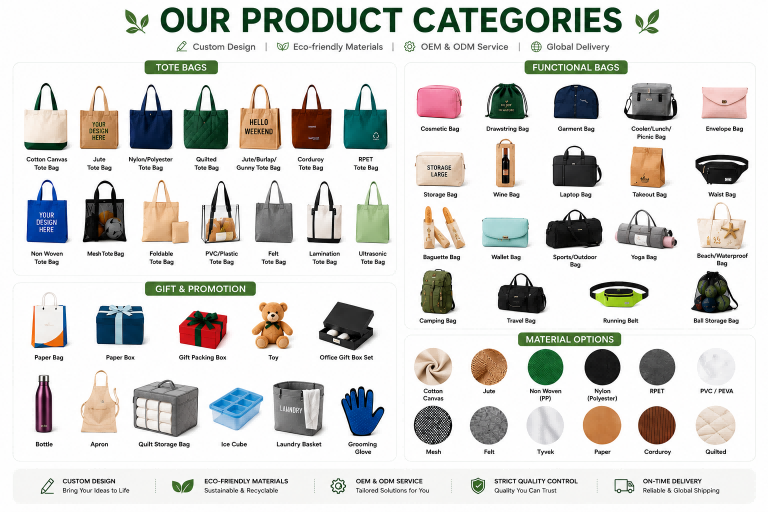
Доступне категорије производа РПЕТ укључују:
- RPET torbe
- РПЕТ торбе за куповину
- Склапане вреће од РПЕТ-а
- РПЕТ торбе за вуке
- Рекпац РПЕТ
- РПЕТ хладничке вреће
- Козметичке вреће од РПЕТ-а
- РПЕТ торбе за одећу
- Путничке торбе од РПЕТ
- Производи за складиштење РПЕТ-а
Пре производње, можемо помоћи купцима да упореде тежину материјала, структуру тканине, методу логотипа, захтеве сертификације, перформансе оптерећења, паковање и циљни буџет.
Често постављене питања
1. у вези са Шта значи РПЕТ?
RPET је сакраћено од рециклираног полиетилен-терефталата.
2. Уколико је потребно. Да ли је РПЕТ исти као и рециклирани полиестер?
У текстилном примењу, РПЕТ се обично обрађује у рециклирано полиестерно влакно и тканину.
3. Уколико је потребно. Да ли је РПЕТ увек направљен од пластичних боца?
Не, не, не. РПЕТ може доћи из флашица, индустријског ПЕТ отпада, текстилног отпада или других рециклираних извора полиестера.
4. Уколико је потребно. Да ли је РПЕТ водоотпоран?
Не аутоматски. Перформансе воде зависе од премаза, ламинације, швова, ципела и потпуне структуре производа.
5. Појам Да ли је РПЕТ биодеградибилан?
Стандартни РПЕТ је рециклирани полиестер и не би требало да се описује као биоразградљив.
6. Уколико је потребно. Да ли се РПЕТ вреће могу прилагодити?
Да, ја сам. Величина, тежина тканине, боја, премаз, штампање, ручке, џепови, облога и паковање могу се прилагодити.
7. Да ли се РПЕТ тканина може штампати?
Да, ја сам. У зависности од тканине може се користити шриновање, топлотни трансфер, сублимација, дигитално штампање, вешање и етикете.
8. Уколико је потребно Шта је сертификација ГРС-а?
ГРС је стандард треће стране који се користи за верификацију садржаја рециклиране материје и захтјева ланца за чување, заједно са додатним критеријумима обраде.
9. Да ли фабрика сертификована ГРС-ом значи да је сваки производ сертификован?
Не, не, не. Производ, материјал, јединице за прераду и документација о трансакцијама морају да испуњавају релевантне захтеве.
десет. Да ли се цела торба може направити од рециклираних материјала?
Многе компоненте могу користити рециклиране опције, али комплетни састав мора бити потврђен компонента за компонентом.
11. Да ли је РПЕТ јачи од нормалног полиестера?
Не мора бити. Тврдост зависи од ниње, густине тканине, премазања, шивања, појачања и дизајна производа.
12. Да ли пружате узорке РПЕТ-а?
Да, ја сам. Узори се могу развити како би се потврдили материјал, боја, структура, штампање, перформансе, захтеви сертификације и паковање.
Доње унутрашње везе
Сродне производе:
РПЕТ торбе управо је тако. Торбе за терет управо је тако. Пакете за прилагођавање управо је тако. Зане за вуке управо је тако. Спортивна наружна врећа управо је тако. Вреће за хлађење управо је тако. Козметичке торбе управо је тако. За одећу
Апликације:
Supermarket Programs | Retail Promotions | Corporate Gifts | Sports Events | Travel Brands | Beauty Promotions | E-commerce Sellers | Importers & Distributors
Службе за кориснике:
OEM/ODM Manufacturing | RPET Material Selection | GRS Project Support | Custom Logo Printing | Sample Development | Private Label Service | Quality Inspection | Bulk Order Support


 Топла вест