

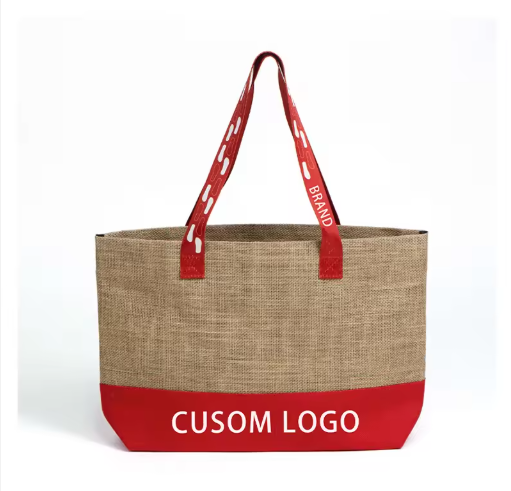
A material sourcing map for bag fabrics starts well before a finished bag reaches a warehouse. For a jute bag, the route begins with a cultivated plant, then passes through fiber extraction, yarn making, weaving, and finishing. Knowing those stages helps buyers ask suppliers specific questions about origin, consistency, and documentation instead of relying on a material name alone.
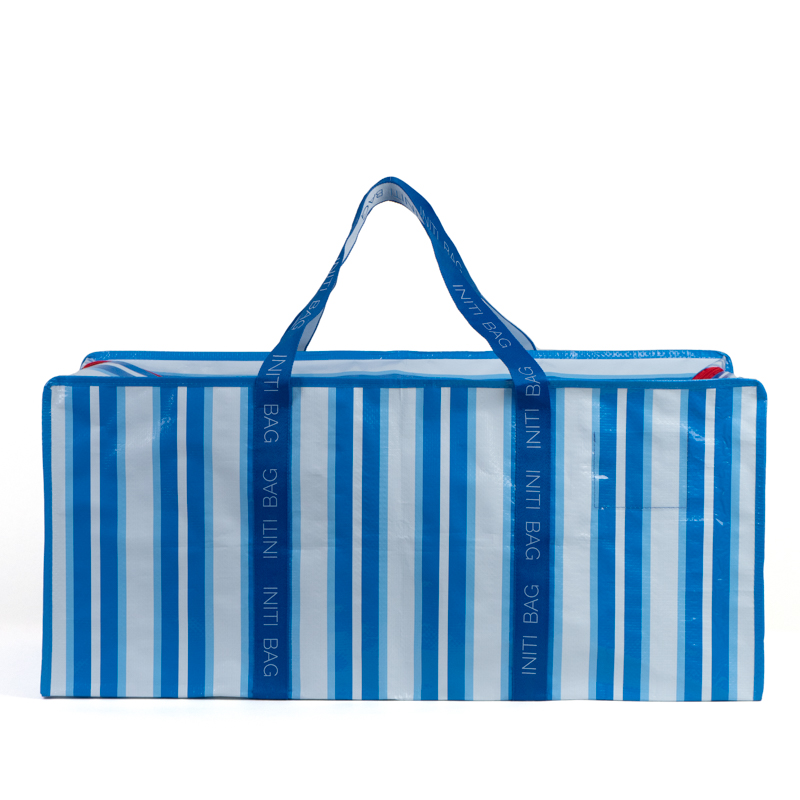
The sourcing route depends on what the bag needs to do. A jute bag uses natural bast fiber, while cotton, canvas, and polypropylene woven bags follow different agricultural or industrial pathways. For procurement teams, mapping each stage clarifies which questions belong to the farm, fiber processor, spinner, weaver, or converter, and where material choices affect handling and supply planning.
From raw material to usable fiber
Jute begins as an agricultural crop
A jute bag starts with jute plants grown for their long stalk fibers. The crop is harvested when mature, and the stalks are soaked in water so natural processes loosen the usable fibers from surrounding woody material. This retting stage influences the condition of fiber later used in a jute bag, making water availability, processing practice, and harvest timing relevant sourcing questions.
After retting, workers separate, wash, and dry the fibers before they move to preparation and spinning. A buyer assessing a jute bag should ask how raw fiber is graded and whether incoming lots are checked for moisture, color, and visible contamination. Such controls do not make every batch identical, but they help explain variation and support more predictable fabric specifications.
Geography matters because growing conditions, local processing capacity, and transport routes shape the path from field to mill. The origin of a jute bag can therefore refer to several places: where plants were grown, where fibers were processed, and where yarn or fabric was made. Buyers should distinguish these stages in records rather than treating a single country-of-origin statement as a complete supply map.
Other bag fabrics follow different source routes
Cotton begins as a field crop, but its route includes ginning to separate fibers from seed, followed by cleaning, spinning, and weaving. A cotton jute bag comparison should consider fiber length, yarn construction, and intended use, not just the plant-based label. These distinctions matter when selecting a fabric for repeated handling, printing, or a defined carrying load.
Polypropylene woven fabric has a different origin: polypropylene resin is produced from petrochemical feedstocks, then melted and formed into tapes that are stretched and woven. This process is not the same as making a jute bag, even when both materials become flexible woven packaging. Buyers comparing the routes should identify whether they prioritize natural fiber, moisture response, reuse patterns, or other documented requirements.
How fiber becomes bag fabric
Preparation, spinning, and weaving shape the material
For jute, cleaned fibers are prepared and spun into yarn suitable for weaving or other fabric construction. Yarn thickness, twist, and consistency affect the resulting jute bag fabric, so a sourcing specification should describe the required construction rather than stopping at the word jute. Procurement teams can request a swatch and compare it with approved samples before confirming a production lot.
Weaving interlaces yarns into a stable sheet, while the chosen weave and yarn density influence texture, flexibility, and openness. A jute bag intended for dry goods may use a different fabric construction from one designed for a retail presentation. Ask the converter to identify the fabric weight or construction method used for the jute bag and to explain how those details are checked during production.
Some bags combine materials, coatings, linings, or handles, so the visible outer fabric may not represent the entire bill of materials. A jute bag can include stitching thread, printed finishes, or reinforcement panels sourced through separate channels. Mapping these components makes it easier to assess recyclability, care needs, and compatibility with the actual end use, while avoiding assumptions based on the main fabric alone.
Finishing and conversion add further sourcing steps
After weaving, fabric may be cut, printed, coated, dyed, or otherwise finished before it is sewn into a bag. Each operation introduces another process location and another point for quality checks. For a jute bag, buyers should establish which finishes are required, where they are applied, and whether the finished material meets relevant customer or market specifications.
Conversion turns fabric into a finished item through cutting, sewing, handle attachment, and inspection. The fabric origin and bag assembly location can differ, so a sourcing map should record both. When approving a jute bag, teams can check dimensions, seam construction, handle attachment, and print placement against a sample, then agree how deviations will be reported before shipment.
Building a practical sourcing map
Trace the stages that affect purchasing decisions
A useful map names the material and records each transformation: crop or resin source, fiber or tape preparation, yarn production, weaving, finishing, and bag conversion. For a jute bag, this chain shows where natural fiber handling can influence the final fabric. Ask for available facility details and transaction documents, while recognizing that the level of traceability depends on the supplier's records and the product's supply chain.
Define the evidence needed before requesting it. A buyer may need a material specification, sample approval, production location, or documentation for a customer requirement. A jute bag sourcing file can connect those records to a purchase order and approved sample, helping receiving teams identify the intended construction. Clear criteria also make it easier to investigate a mismatch without confusing fabric variation with a change in origin.
The linked jute bag reference actually shows a polypropylene woven storage format, not a jute product. That distinction is useful when mapping materials: similar woven appearances can come from different feedstocks and manufacturing routes. Compare the stated construction with the required jute bag specification, and do not infer fiber content from appearance alone.
Match sourcing questions to the intended use
Use conditions determine which sourcing details deserve priority. A jute bag for dry retail goods may require a different finish and construction from a promotional bag expected to be folded and reused. Confirm expected contents, handling, storage conditions, dimensions, and printing needs with the purchasing team. Then translate those needs into material and inspection criteria that fabric and conversion partners can understand.
A sound sourcing map is not a claim that every input is fully traceable or uniform. It is a working record of known origins, processing steps, responsible parties, and open questions. Updating it when the specification or production route changes helps keep a jute bag aligned with approved requirements. That practical discipline supports clearer procurement decisions and more reliable communication across the supply chain.
FAQ
Where does jute fiber for a bag come from?
Jute fiber comes from the stalks of jute plants. After harvest, retting helps separate the long fibers, which are washed, dried, prepared, and spun before weaving. The complete route for a jute bag may involve different locations for cultivation, fiber processing, fabric production, and assembly.
Is every woven bag made from jute?
No. Woven bags can use jute yarn, cotton yarn, or polypropylene tapes, among other constructions. A jute bag and a polypropylene woven bag may look similar from a distance, but their feedstocks and manufacturing processes differ. Confirm composition from the specification or supplier documentation.
What should a buyer verify when sourcing jute fabric?
Confirm the material composition, fabric construction, approved sample, relevant finish, and production locations. For a jute bag order, clarify how fiber or fabric lots are checked and how changes are communicated. Keep those details with the purchase specification so receiving and quality teams can verify the delivered product.