

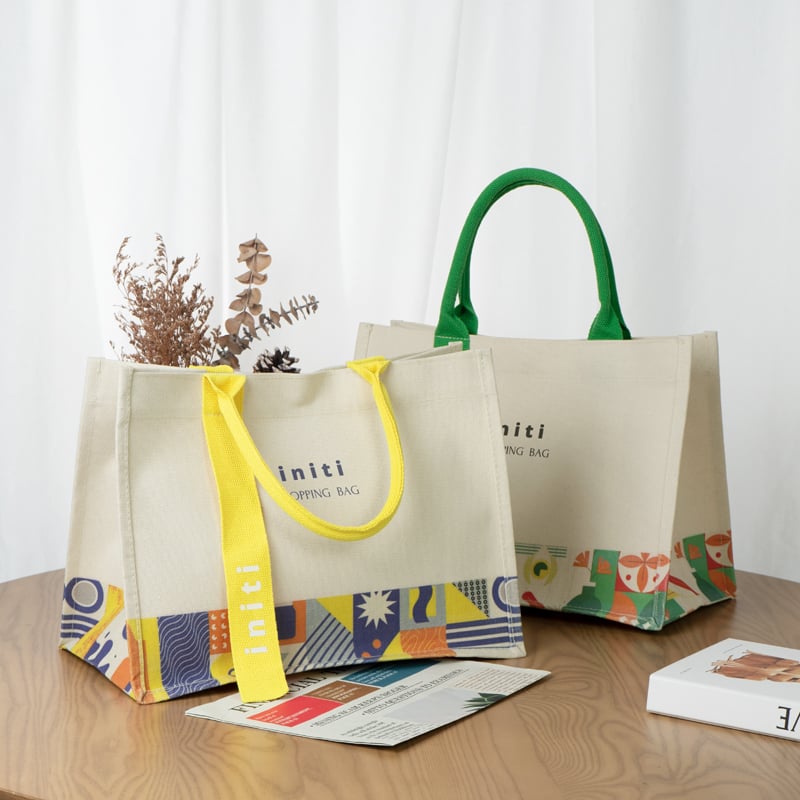
Selecting the right supplier for your cotton bag production is one of the most critical decisions in retail, corporate gifting, and promotional merchandise. The choice between China, India, and Vietnam has profound implications for cost structure, lead time, quality consistency, and supply chain resilience. Each country brings distinct manufacturing capabilities, labor economics, and export infrastructure that directly shape your sourcing outcome. Understanding these regional differences allows procurement teams to align supplier selection with business priorities rather than defaulting to price alone.
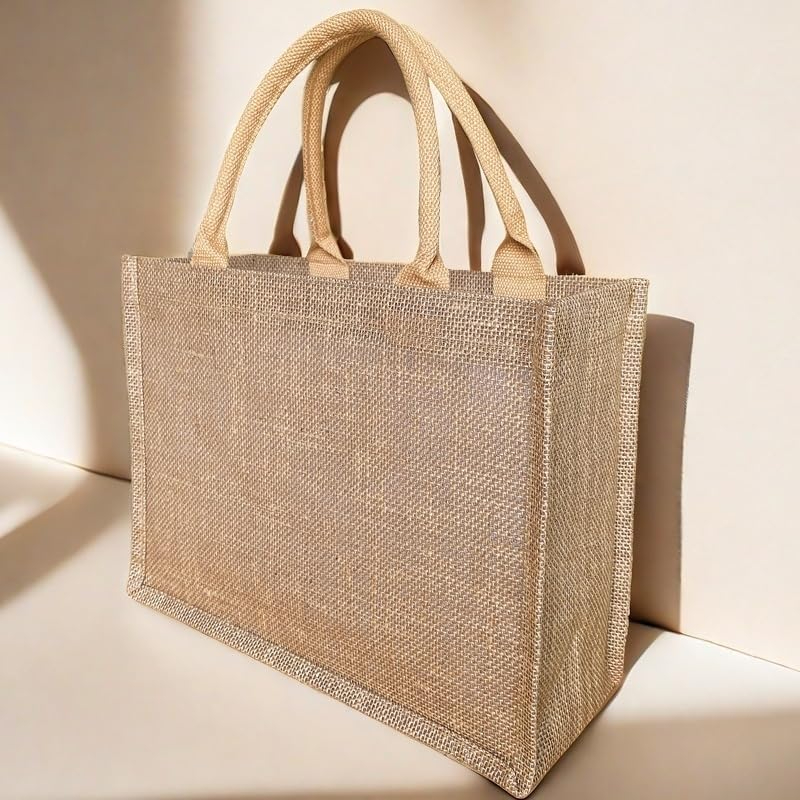
The global cotton bag market has matured significantly over the past decade, creating distinct competitive advantages for each sourcing region. China dominates through automation and scale, India offers specialized textile expertise and ethical sourcing credentials, while Vietnam combines agility with competitive labor costs. This comparison examines production capacity, price positioning, quality assurance frameworks, minimum order quantities, and lead time dynamics to help you make an informed sourcing decision for your cotton bag needs.
China's Cotton Bag Manufacturing Landscape
Scale, Automation, and Production Efficiency
China's cotton bag industry operates at industrial scale with vertically integrated supply chains stretching from raw fiber procurement through final packaging. Major manufacturing hubs in Jiangsu, Zhejiang, and Guangdong provinces feature state-of-the-art weaving mills, cutting equipment, and automated sewing facilities that produce millions of cotton bag units annually. This infrastructure allows Chinese manufacturers to offer extremely competitive per-unit pricing, often 15–25% lower than Indian or Vietnamese alternatives for large orders. The advantage intensifies for custom-printed cotton bag designs, where screen printing and digital embellishment equipment is widely accessible and operational costs remain controlled through workforce scaling.
Lead Times and Logistics Infrastructure
Chinese cotton bag suppliers typically require 4–6 week lead times for standard orders, with expedited options available at modest premiums. The export logistics network is exceptionally mature, with established partnerships between manufacturers and freight forwarders, meaning cotton bag shipments clear ports efficiently and tracking visibility is standard. Container volumes from Chinese ports to North American and European destinations are stable, supporting predictable ocean freight rates. Minimum order quantities for a standard cotton bag typically start at 5,000–10,000 units, though some larger mills accept 1,000-unit orders with pricing adjustments.
India's Cotton Bag Production and Supply Chain Strengths
Textile Heritage and Quality Positioning
India's textile industry heritage spans centuries, and this foundation translates directly into nuanced expertise for cotton bag production. Indian manufacturers excel at fiber selection, weave tightness control, and dyeing consistency—factors that directly impact durability and color retention in premium cotton bag applications. The nation's supply of high-quality raw cotton aligns naturally with cotton bag manufacturing, reducing material procurement friction. Many Indian cotton bag producers hold certifications for organic, GOTS, or Fairtrade standards, positioning them advantageously for brands emphasizing sustainability credentials. This differentiation commands pricing premiums of 10–20% versus conventional Chinese cotton bag competitors, justified by verifiable supply chain transparency.
Customization Flexibility and Order Minimums
Indian cotton bag suppliers demonstrate greater flexibility on order minimums and custom specifications compared to Chinese mass-production models. A custom cotton bag design with unique handle reinforcement, lining, or embroidered branding often becomes feasible at 2,000–3,000 units through Indian manufacturers, versus 5,000+ requirements elsewhere. Lead times typically range from 6–8 weeks, accounting for custom dye matching and hand-finishing steps that distinguish premium cotton bag offerings. The responsiveness to design revisions and tolerance for mid-production adjustments reflects labor intensity and buyer-supplier partnership orientation embedded in Indian textile business culture. Export compliance frameworks and documentation for GOTS or organic cotton bag certifications are standardized and transparent.
Vietnam's Emerging Position in Cotton Bag Manufacturing
Cost Competitiveness and Production Agility
Vietnam represents the emerging frontier in competitive cotton bag sourcing, combining labor cost advantages with rapidly improving manufacturing infrastructure. Vietnamese cotton bag producers operate factories in Ho Chi Minh City and Hanoi regions with modern equipment and workforce training standards that rival established competitors. Per-unit pricing for a standard cotton bag often matches China's rates while offering shorter lead times of 3–5 weeks, creating a compelling value proposition for time-sensitive orders. The nation's participation in trade agreements such as CPTPP and RCEP provides tariff advantages, allowing Vietnamese cotton bag exporters to offer delivered prices competitive with Chinese suppliers while improving margins. Labor productivity continues accelerating as manufacturing expertise consolidates around key industrial parks.
Supply Chain Reliability and Growing Capacity
While Vietnam's cotton bag industry is younger than China's or India's, supply chain consistency has improved markedly since 2018. Quality control processes for cotton bag production are increasingly formalized, with many suppliers adopting ISO 9001 and ethical workplace standards. However, minimum order quantities for Vietnamese cotton bag manufacturers typically remain at 5,000–8,000 units, reflecting economies of scale requirements. The logistics ecosystem for cotton bag exports is robust, with established shipping routes and competitive freight rates to major markets. For organizations seeking to diversify sourcing risk away from China, a Vietnamese cotton bag partner provides geographic flexibility without sacrificing cost efficiency.
Comparative Decision Framework for Cotton Bag Sourcing
Cost, Volume, and Timeline Considerations
For large-volume orders exceeding 50,000 units where unit cost dominates decision-making, China remains the default choice for a standard cotton bag. When customization, branding complexity, or sustainability certification is required, Indian cotton bag manufacturers often deliver superior cost-of-ownership despite higher per-unit pricing, because their expertise reduces quality issues and rework. Vietnam becomes strategically valuable when lead time pressure exists or when supply chain diversification is a corporate objective—a Vietnamese cotton bag order can satisfy urgent demand while maintaining competitive pricing. For mid-sized orders of 10,000–30,000 units where flexibility matters more than absolute volume discount, India and Vietnam both outperform China's minimum order thresholds and responsiveness.
Quality, Compliance, and Brand Risk Management
Brands requiring verifiable ethical sourcing or organic certification for a cotton bag product should prioritize India, where audit frameworks and third-party verification are mature and cost-effective. Chinese cotton bag manufacturers can accommodate compliance requirements but often pass documentation costs to the buyer. Vietnamese cotton bag suppliers are rapidly developing compliance infrastructure but may face documentation delays for unfamiliar certification requests. Quality consistency in a cotton bag depends heavily on supplier relationship depth—all three countries produce excellent textiles when clear specifications and quality metrics are established upfront. The differentiation emerges in how quickly each region responds to quality concerns and how readily they accommodate mid-production corrections.
FAQ
What is the typical cost difference for a cotton bag across these three sourcing regions?
A standard 12x14-inch natural cotton bag costs approximately $0.80–$1.20 from China, $1.10–$1.60 from India, and $0.90–$1.40 from Vietnam at volumes of 20,000+ units. Indian pricing premiums reflect quality, certification, and customization flexibility. Vietnam's competitive positioning has narrowed the cost gap with China significantly since 2020, particularly for shorter lead times.
Which sourcing region is best for a custom-printed cotton bag with tight delivery requirements?
Vietnam offers the strongest combination of fast lead times and reasonable pricing for a custom-printed cotton bag, typically delivering in 3–5 weeks. China remains viable for large orders where the 4–6 week timeline is acceptable. India's 6–8 week lead time suits less time-sensitive projects where customization depth and sustainability are priorities in the cotton bag specification.
Are there supply chain risks specific to sourcing cotton bags from any of these regions?
China's cotton bag suppliers can experience bottlenecks during peak seasons or shipping container shortages affecting port clearance. India's cotton bag industry faces periodic fabric availability fluctuations due to monsoon impacts on cotton harvesting. Vietnam's cotton bag sector remains exposed to geopolitical trade dynamics affecting tariff rates. Diversifying cotton bag sourcing across at least two regions mitigates concentration risk effectively.