

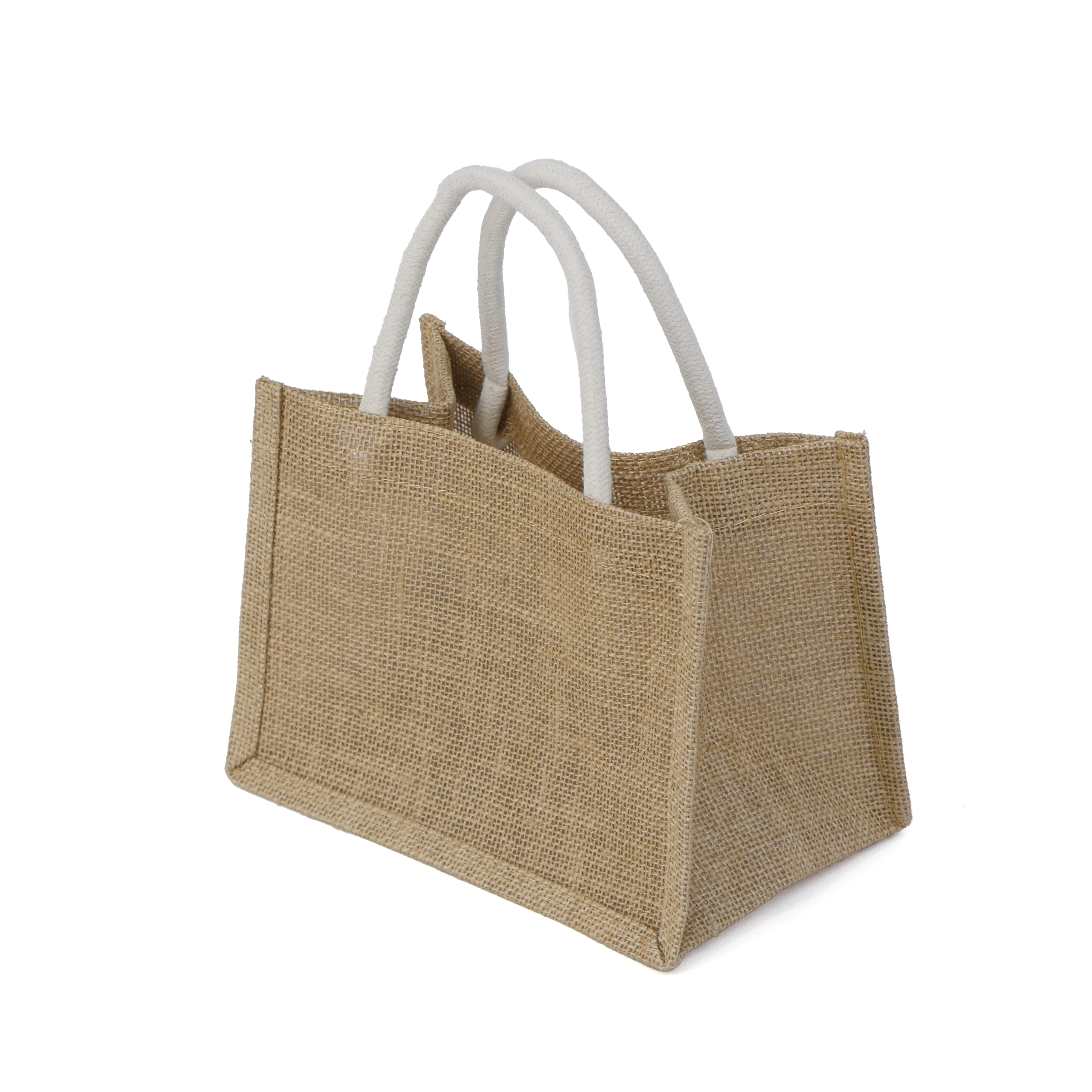
Ordering custom packaging represents a significant investment for businesses of all sizes, yet many companies make preventable mistakes during the procurement process. Whether you are selecting a jute bag for retail products, choosing materials for gift packaging, or designing sustainable solutions, the decisions you make now directly affect your brand perception, shipping costs, and customer satisfaction. Understanding the most common errors during jute bag procurement helps you avoid expensive corrections, rushed orders, and material waste. The stakes are higher than you might think—a poorly executed jute bag order can result in inventory that does not meet specifications, delivery delays, or products that arrive damaged.
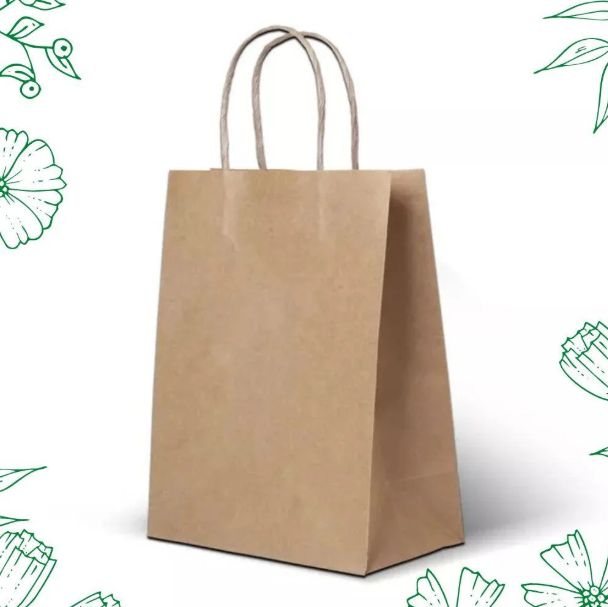
This guide walks you through the most common mistakes when ordering custom packaging, with practical solutions to protect your investment. By learning from these pitfalls, you will confidently order a jute bag or other custom packaging solutions that align with your business needs, budget, and timeline. The insights here apply whether you are a first-time buyer or an experienced procurement professional looking to refine your jute bag ordering process.
Underestimating Lead Times and Rush Fees
Why Timeline Planning Matters for Jute Bag Orders
One of the most frequent mistakes companies make when ordering a jute bag is failing to account for realistic lead times. Many businesses assume they can place an order and receive their custom jute bag shipment within days, but standard production cycles typically range from 3 to 8 weeks depending on quantity, customization complexity, and supplier location. When you rush a jute bag order to meet an unexpected deadline, you trigger premium rush fees that can increase your costs by 15 to 40 percent. Beyond cost, expedited timelines for a jute bag order often compromise quality control, as manufacturers must prioritize speed over precision. Seasonal demand peaks, particularly during holiday packaging seasons, further stretch lead times, meaning your jute bag order placed in October might miss your November shipment window entirely.
Planning Your Jute Bag Order Timeline
To avoid this mistake, establish a jute bag order calendar at least 12 weeks before your peak sales period. Work backward from your required delivery date, then add 2 to 3 weeks as a safety buffer. When you order a jute bag early, you also gain negotiation leverage with suppliers and can secure better pricing. Document your jute bag order requirements in writing as soon as they crystallize—do not wait until the last moment to finalize specifications. Communicate proactively with your supplier if you anticipate a jute bag order delay; most manufacturers appreciate early notification far more than sudden urgent requests. A well-planned jute bag order timeline protects both your budget and your business continuity.
Neglecting Detailed Specifications and Quality Standards
How Vague Jute Bag Specifications Lead to Costly Revisions
Another critical mistake occurs when businesses place a jute bag order with incomplete or ambiguous specifications. Phrases like 'standard quality' or 'regular brown jute bag' leave too much room for interpretation by the manufacturer, resulting in deliverables that do not match your expectations. The jute bag you envisioned might have thinner fabric, misaligned handles, inadequate reinforcement, or colors that differ significantly from your samples. When your jute bag order arrives and fails to meet unstated expectations, you face a difficult choice: accept substandard packaging, pay for reprints or remakes, or absorb the loss entirely. Rework costs for a jute bag order can easily exceed 50 percent of the original purchase price, draining margins and delaying your sales timeline.
Creating Clear Specifications for Your Jute Bag Order
Protect yourself by creating detailed written specifications before placing your jute bag order. Include exact fabric weight in ounces per square yard, stitch count per inch, handle construction method, dye standards, and acceptable color tolerance ranges. Request samples of the proposed jute bag material and compare them physically to your brand standards. For your jute bag order, specify whether you need water-resistant coatings, UV protection, or special reinforcement for heavy items. Include high-resolution artwork files, pantone color references, and mockup approvals in your jute bag order documentation. Require that the supplier acknowledge all specifications in writing before production begins on your jute bag order. This transparent approach prevents the costly assumption gaps that plague many jute bag orders.
Miscalculating Quantity and Inventory Planning
The Hidden Costs of Overordering or Underordering a Jute Bag
Many businesses make the mistake of ordering far too much or too little when they place a jute bag order. Overestimating demand means your jute bag sits in storage, occupying valuable warehouse space and potentially degrading from environmental exposure. Underordering leaves you scrambling to place an emergency reorder jute bag order mid-season, triggering rush fees and disrupting your supply chain. Some companies order excessive quantities of a jute bag to chase bulk discounts, only to find market shifts make that inventory obsolete before they use it. The per-unit savings from ordering a large jute bag quantity evaporates when you account for storage costs, handling labor, and potential waste. Conversely, companies that underorder a jute bag miss sales opportunities and create customer frustration when products are not available in proper packaging.
Data-Driven Ordering for Your Jute Bag Strategy
Before placing your jute bag order, analyze historical sales data, seasonal trends, and growth projections for the next 12 months. Build in a 10 to 15 percent buffer to your jute bag order quantity to account for unexpected demand spikes, without overcommitting. If this is your first jute bag order, start conservative with smaller quantities to validate your design choices and supplier performance before committing to large volumes. Consider ordering a jute bag in staggered shipments rather than one massive jute bag order—this spreads your financial risk and allows you to adjust based on real performance data. Most suppliers offer modest discounts for repeat orders of a jute bag, so consistent smaller purchases often prove more cost-effective than one oversized jute bag order. Track inventory turnover rates for your jute bag stock to refine future ordering decisions and maintain optimal stock levels.
Overlooking Supplier Vetting and Quality Assurance
Choosing the Right Supplier for Your Jute Bag Order
Selecting a supplier based solely on price represents a fundamental mistake in the jute bag ordering process. Low-cost jute bag suppliers sometimes cut corners on materials, labor practices, or quality control, leaving you with substandard packaging that damages your brand reputation. When you order a jute bag from an unvetted supplier, you lack recourse if the product fails to meet standards or if delivery timelines slip. Reputable suppliers with established jute bag production infrastructure invest in quality equipment, skilled labor, and rigorous testing protocols. They maintain consistent jute bag quality across multiple production runs and honor commitments to timelines and specifications. Rushing to order a jute bag from the cheapest option often costs far more in rework, replacement orders, and lost customer trust than choosing a slightly more expensive but reliable jute bag supplier initially.
Building a Reliable Jute Bag Ordering Relationship
Before committing to a jute bag order, request references from existing customers and review independent feedback on supplier platforms. Request that your jute bag supplier provide pre-production samples and progress photos during manufacturing. Establish clear communication channels and define escalation procedures if quality issues emerge during your jute bag order production. Include third-party quality inspection in your jute bag order agreement—an independent auditor verifies specifications before shipment, catching errors before they reach you. For ongoing relationships, place small trial jute bag orders to evaluate supplier reliability before scaling to full-volume commitments. Document all communication regarding your jute bag order in writing and maintain detailed records of specifications, approvals, and amendments. A trustworthy jute bag supplier becomes a strategic partner who proactively communicates delays, offers solutions, and takes pride in every order they fulfill.
FAQ
What are the most common material mistakes when ordering a jute bag?
The most frequent material error occurs when businesses order a jute bag without specifying fabric weight, resulting in bags that feel flimsy or fail to support product weight. Another mistake involves neglecting to verify whether your jute bag meets food safety standards if you intend to package consumables. Many businesses also fail to order a jute bag with adequate moisture resistance, discovering too late that contents become damp during shipping. Requesting material samples and conducting durability tests before committing to a jute bag order prevents these costly oversights.
How can I ensure my jute bag order arrives on schedule?
Start by ordering your jute bag at least 12 weeks before your deadline, then establish regular communication checkpoints with your supplier. Request a detailed production timeline for your jute bag order, including start dates, quality check milestones, and shipping dates. Build in a 2 to 3 week buffer beyond your actual requirement when you place a jute bag order. Confirm your jute bag order in writing and request that the supplier acknowledge each key date and specification. If possible, arrange for partial shipments of your jute bag order to spread delivery risk across multiple tranches.
Should I reorder the same jute bag design or modify it next time?
If your first jute bag order performed well—meeting quality standards, arriving on schedule, and serving your needs effectively—reordering the same design minimizes risk and maintains brand consistency. However, if you identified areas for improvement, incorporate those refinements into your next jute bag order before placing it, based on customer feedback and performance data. When you modify your jute bag design, conduct design validation with your supplier and request updated samples before committing to full production. Balance the desire for improvement against the additional costs and lead time an updated jute bag order may require.