


Understanding GSM weight is essential for anyone purchasing a quality sports bag. GSM, which stands for grams per square meter, is the standard measurement used to determine fabric density and durability in textiles. When evaluating a sports bag, knowing the GSM weight helps you make informed decisions about longevity, comfort, and performance. A sports bag with the right GSM weight will balance durability with portability, ensuring it withstands regular use while remaining practical for daily activities. This cheat sheet provides comprehensive guidance on GSM standards specifically tailored for sports bag buyers.
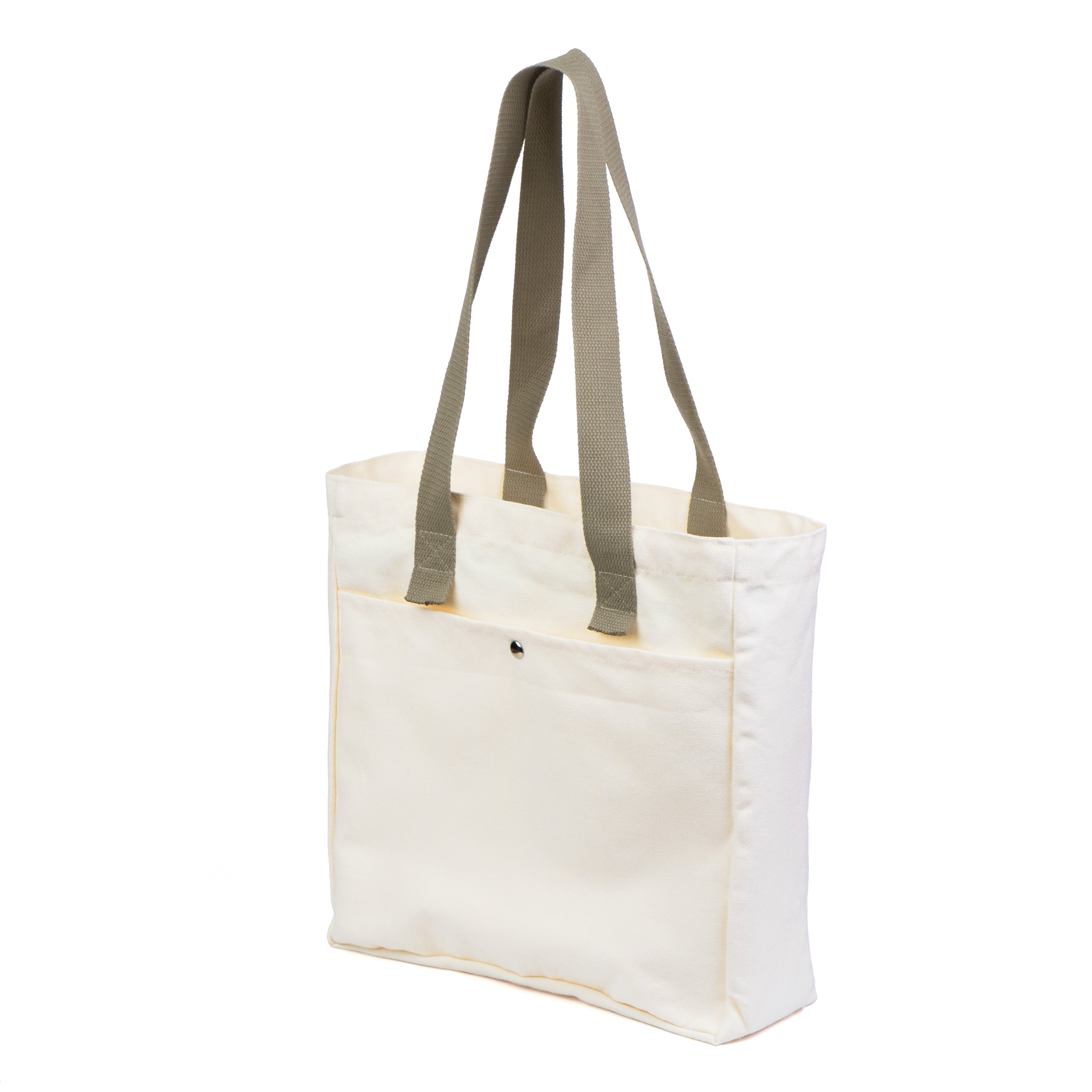
The sports bag industry relies on GSM weight as a critical specification because it directly correlates with fabric strength and material quality. Different sports bag applications require different GSM weights to perform optimally. Understanding these distinctions helps you select a sports bag that matches your specific use case, whether for gym workouts, travel, professional settings, or athletic training. This guide breaks down GSM weight ranges, their implications for sports bag performance, and practical considerations for making the best purchasing decision.
GSM Weight Ranges for Sports Bag Materials
Lightweight Sports Bag Fabrics
Lightweight sports bag materials typically fall between 150 and 250 GSM. These fabrics are ideal for casual gym bags and everyday carry sports bags where weight savings matter. A sports bag in this range feels comfortable to carry and is perfect for short trips and light-duty use. The lightweight nature makes a sports bag with this GSM ideal for athletes who prioritize portability over maximum durability. However, a sports bag at the lower end of this range may require careful handling to avoid tearing during extended use. Many budget-conscious consumers prefer a sports bag at 200–250 GSM because it provides adequate durability while keeping the bag itself light.
Mid-Weight Sports Bag Fabrics
Mid-weight sports bag fabrics range from 250 to 400 GSM and represent the sweet spot for most buyers. A sports bag constructed with 300–350 GSM fabric offers excellent balance between durability and usability. This sports bag weight category provides strong resistance to tears, punctures, and general wear while maintaining reasonable portability. Professional athletes and frequent travelers typically choose a sports bag in this range because the durability justifies the minimal weight penalty. A sports bag at 350 GSM can withstand years of regular gym sessions, weekend trips, and demanding conditions. The sports bag material at this density feels substantial without becoming burdensome, making it practical for varied applications.
Heavy-Duty and Professional Sports Bag Standards
Heavy-Duty Sports Bag Construction
Heavy-duty sports bags feature fabric weights between 400 and 600 GSM. A sports bag in this category is engineered for extreme durability and extended lifespan. Construction workers, outdoor enthusiasts, and serious athletes often prefer a sports bag with this GSM weight because it withstands harsh conditions and heavy loads. The sports bag material at 450–500 GSM feels rugged and reliable, providing peace of mind for valuable equipment. While heavier than casual sports bags, this sports bag weight is justified by superior tear resistance and abrasion performance. A sports bag constructed at 550 GSM represents the upper practical limit for hand-carried bags while maintaining reasonable usability throughout a workday or training session.
Ultra-Heavy Sports Bag Materials
Sports bag fabrics exceeding 600 GSM are rarely used for hand-carried applications due to excessive weight. A sports bag at these densities is typically reserved for specialized equipment bags or stationary storage. The sports bag material at this GSM level prioritizes maximum durability over portability. Industrial contexts and extreme-weather applications occasionally employ a sports bag with 700+ GSM fabric, but most consumers find this impractical. Understanding when a sports bag becomes too heavy helps buyers avoid overspecified purchases that sacrifice usability unnecessarily.
Practical Selection Guide for Sports Bag Buyers
Matching GSM Weight to Use Cases
Selecting the right sports bag depends on anticipated usage patterns and environmental conditions. For casual gym-goers using a sports bag 2–3 times weekly, 200–250 GSM provides sufficient durability at an economical price point. A sports bag for daily commuting benefits from 300–350 GSM fabric, which withstands repetitive stress and varying loads. Travelers who pack a sports bag heavily and frequently should target 350–400 GSM to ensure the bag survives constant handling. A sports bag for beach or outdoor adventure activities benefits from higher GSM because sand, saltwater, and rough terrain accelerate wear. Professional athletes using a sports bag for equipment transport often select 400–500 GSM fabric to guarantee the bag's reliability during competition season.
Additional Factors Beyond GSM Weight
While GSM weight is crucial, a sports bag's overall quality depends on multiple factors working together. Stitching quality, reinforced stress points, and seam construction significantly impact how long a sports bag lasts. A sports bag with proper reinforcement at handles, corners, and seams outperforms a higher-GSM bag with weak stitching. Material composition matters too; a sports bag made from quality sports bag cotton canvas may perform better than inferior synthetic blends at similar GSM weights. Weather resistance, lining durability, and zipper quality all contribute to a sports bag's practical lifespan. When evaluating a sports bag, examine the complete construction rather than relying solely on GSM specifications.
FAQ
What does GSM mean for sports bag quality?
GSM indicates the weight of fabric per square meter, directly reflecting material density and durability. A higher-GSM sports bag contains denser fibers, which resist tearing and puncturing better than lower-GSM options. A sports bag's GSM weight serves as a practical predictor of how well it will withstand regular use and environmental stress.
How do I know if a sports bag's GSM weight is sufficient?
Consider your specific use case and choose a sports bag accordingly. For casual use, 200–250 GSM is adequate; for frequent travel or professional use, select a sports bag at 350+ GSM. A sports bag's intended lifespan should guide your decision, with longer-lasting bags justifying higher GSM investments.
Can a lighter sports bag be as durable as a heavier one?
Material quality matters significantly alongside a sports bag's GSM weight. A sports bag made from premium fibers at lower GSM may outperform inferior fabrics at higher weights. However, generally speaking, a sports bag constructed at higher GSM weights provides better durability and longevity than lighter options with comparable construction quality.