

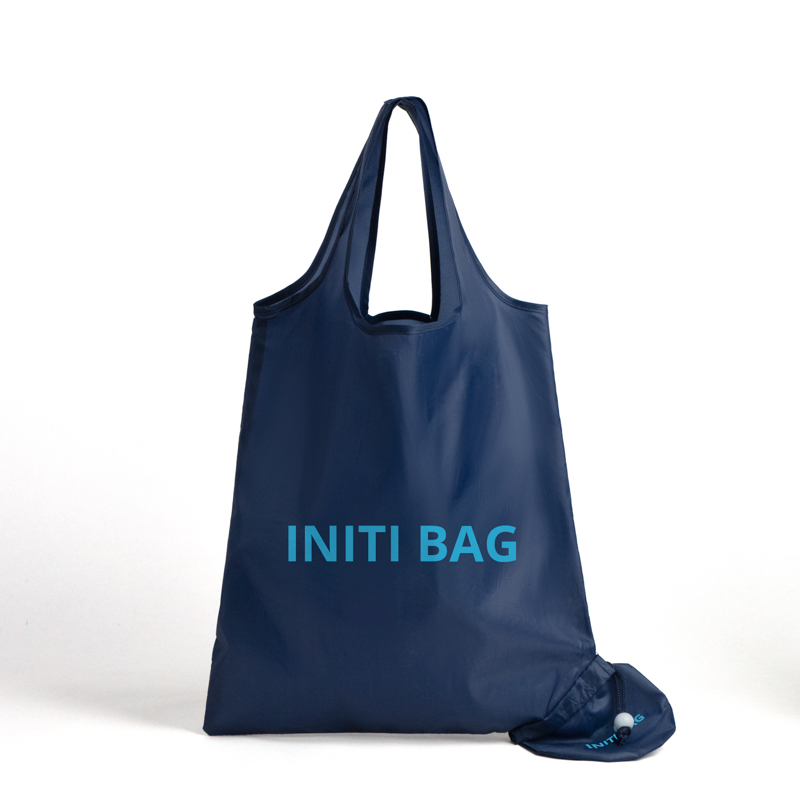
The structure of a shopping bag directly impacts its functionality, durability, and user experience. When selecting or designing a shopping bag, understanding gusset design becomes essential for optimizing both aesthetics and practical performance. Gussets are the expandable panels that allow a shopping bag to hold more volume and maintain its shape when filled with items. The choice between flat, side, and bottom gussets fundamentally changes how a shopping bag performs, from its carrying capacity to its stability on shelves and surfaces.
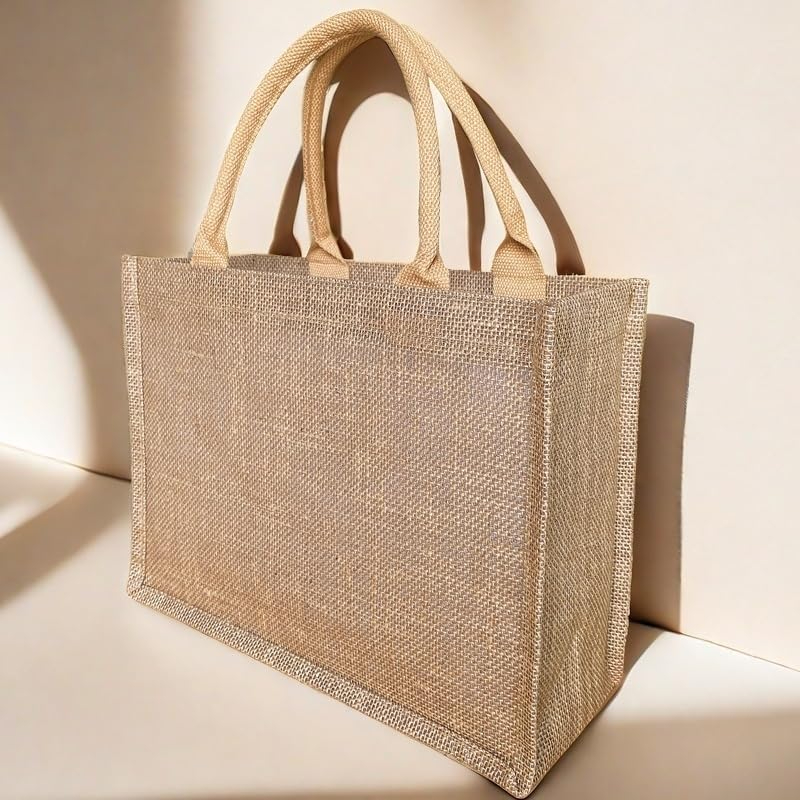
Whether you are a retailer, brand manager, or consumer, knowing the differences between these gusset configurations helps you make informed decisions about what shopping bag best suits your needs. Each design type offers distinct advantages and trade-offs, and the optimal choice depends on your specific use case, budget, and desired functionality. This comprehensive guide explores each gusset style in detail to help you understand how they affect your shopping bag performance.
Understanding Flat Gusset Design
What Defines a Flat Gusset Shopping Bag
A flat gusset shopping bag features no expandable panels, presenting a completely flat profile when empty. This design is the simplest and most economical to manufacture. The shopping bag maintains its flat appearance even when partially filled, making it ideal for storing in tight spaces. Flat gusset shopping bags are commonly used for takeout packaging, retail merchandise, and lightweight items that do not require significant volume expansion. The straightforward construction of a flat gusset shopping bag also means lower production costs, making it an attractive option for budget-conscious retailers.
Advantages and Limitations of Flat Gussets
The primary advantage of a flat gusset shopping bag is its minimal footprint and efficient storage. These shopping bags stack neatly, occupy minimal warehouse space, and present a sleek, minimalist appearance. They are also quick to produce and highly suitable for branding applications where a smooth surface maximizes visual impact. However, the flat gusset shopping bag has notable limitations in capacity. When filled beyond a certain point, the shopping bag bulges awkwardly, and contents may stress the seams. A flat gusset shopping bag is not ideal for shoppers who need to carry bulky or numerous items, limiting its appeal in markets that demand higher carrying capacity.
Exploring Side Gusset Construction
How Side Gussets Enhance Shopping Bag Functionality
A side gusset shopping bag incorporates expandable panels on both left and right sides of the bag, allowing the shopping bag to expand widthwise when filled. These fold-down panels remain tucked flat when the shopping bag is empty but unfold as contents push outward. The side gusset shopping bag offers a balanced solution between the simplicity of flat designs and the capacity of bottom gussets. This configuration is particularly popular in the grocery, retail, and promotional merchandise sectors because a side gusset shopping bag can accommodate moderate volume increases without major structural changes. The shopping bag maintains visual consistency from the front and back while providing practical expansion.
Performance Characteristics of Side Gusset Bags
A side gusset shopping bag performs exceptionally well for everyday retail and grocery applications. When properly constructed, a side gusset shopping bag resists tearing better than flat alternatives because stress distributes across the expanded panels rather than concentrating on one seam. The shopping bag stands upright with modest contents and presents a professional appearance on retail shelves. However, a side gusset shopping bag does not provide the same volume expansion as bottom gussets, and the visible seams along the sides may be less aesthetically appealing to some consumers. A side gusset shopping bag is the middle ground, offering flexibility without the visual dominance of structural side seams.
Understanding Bottom Gusset Design
Structure and Volume Expansion
A bottom gusset shopping bag features an expandable panel across the base of the bag, allowing maximum volume expansion while maintaining a structured profile. Unlike flat or side gusset alternatives, a bottom gusset shopping bag creates a reinforced base that can support significant weight and bulk. When filled, a bottom gusset shopping bag develops a distinctive box-like appearance with clean, rectangular proportions. This design is prevalent in premium retail environments, high-end gift packaging, and applications requiring substantial carrying capacity. A bottom gusset shopping bag combines structural integrity with elegant aesthetics, as the expansion happens underneath rather than on visible sides, preserving the bag's front branding surface.
Durability and Premium Positioning
The bottom gusset shopping bag represents the premium option in gusset design due to its superior durability and load capacity. A bottom gusset shopping bag can hold significantly more merchandise without stress failures, making it ideal for luxury goods, heavy items, or multi-purchase retail scenarios. The reinforced base of a bottom gusset shopping bag provides stable, level placement on surfaces, preventing tipping or contents shifting. However, a bottom gusset shopping bag requires more sophisticated manufacturing, resulting in higher production costs. A bottom gusset shopping bag is not the most economical choice for single-use or low-value applications, but when durability and presentation matter, a bottom gusset shopping bag delivers measurable value that justifies the investment.
Comparative Analysis: Selecting the Right Design
Cost Versus Capacity Considerations
Choosing between gusset types requires balancing manufacturing costs against functional requirements. A flat gusset shopping bag minimizes expenses, making it suitable for promotional giveaways, takeout packaging, and cost-sensitive markets. A side gusset shopping bag offers moderate capacity expansion at a moderate price point, serving general retail and grocery needs effectively. A bottom gusset shopping bag commands premium pricing but delivers superior strength and presentation, justifying higher costs in luxury and specialty retail contexts. Your budget constraints and expected bag lifespan should directly inform which shopping bag style makes sense for your business model.
Brand Presentation and Consumer Perception
The visual presentation of a shopping bag significantly influences brand perception. A flat gusset shopping bag showcases uninterrupted branding space, ideal for bold graphics and logos. A side gusset shopping bag balances branding area with practical expansion, popular in mainstream retail. A bottom gusset shopping bag conveys premium quality and sophistication, reinforcing luxury brand positioning. Consumer expectations also matter: luxury shoppers expect a bottom gusset shopping bag, while budget-conscious buyers may prefer the simplicity of flat designs. Understanding your target market's expectations helps you select the most appropriate shopping bag design that aligns with brand values and customer satisfaction.
FAQ
Which gusset design is best for a shopping bag carrying groceries?
For grocery shopping, a bottom gusset shopping bag or side gusset shopping bag works best. A shopping bag with bottom gussets provides maximum stability and load capacity for heavy items like canned goods and produce, while side gusset designs offer adequate expansion for typical grocery volumes at lower cost. A flat gusset shopping bag may struggle with grocery weights unless items are carefully arranged.
How does gusset design affect the environmental impact of a shopping bag?
A flat gusset shopping bag uses less material overall, reducing its environmental footprint. However, a bottom or side gusset shopping bag's greater durability means it lasts longer and may be reused multiple times, ultimately offsetting higher initial material consumption. A reusable shopping bag with bottom gussets that lasts years has less environmental impact than multiple disposable flat gusset bags. The choice depends on intended use and material recyclability.
Can a shopping bag gusset design be changed after production?
No, gusset design is a fundamental structural choice made during manufacturing and cannot be altered afterward. The shopping bag's entire pattern layout, cutting, and seaming are determined by gusset type, so modification after production is not practical. If you need a shopping bag with different gusset characteristics, you must order new bags or renegotiate with your manufacturer for future production runs.