

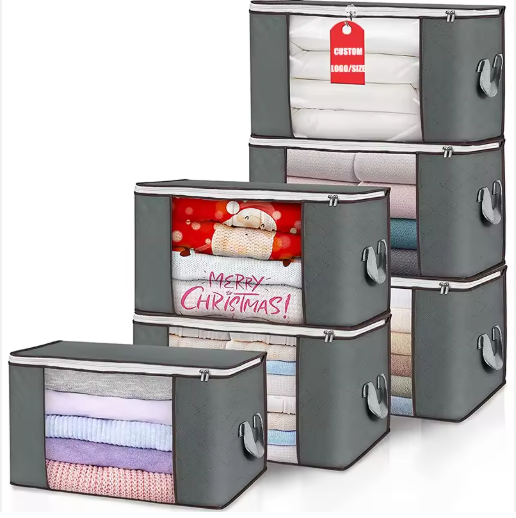
When selecting a storage bag, durability is often the deciding factor between a product that lasts years and one that fails after months of use. The reinforcement stitching method used in construction directly impacts how well a storage bag withstands repeated opening, closing, and loading cycles. Two dominant reinforcement techniques exist in the industry: X-box stitching and bar tack stitching, each offering distinct advantages for storage bag manufacturers and consumers alike. Understanding the differences between these methods helps you choose a storage bag engineered for your specific needs and usage patterns.
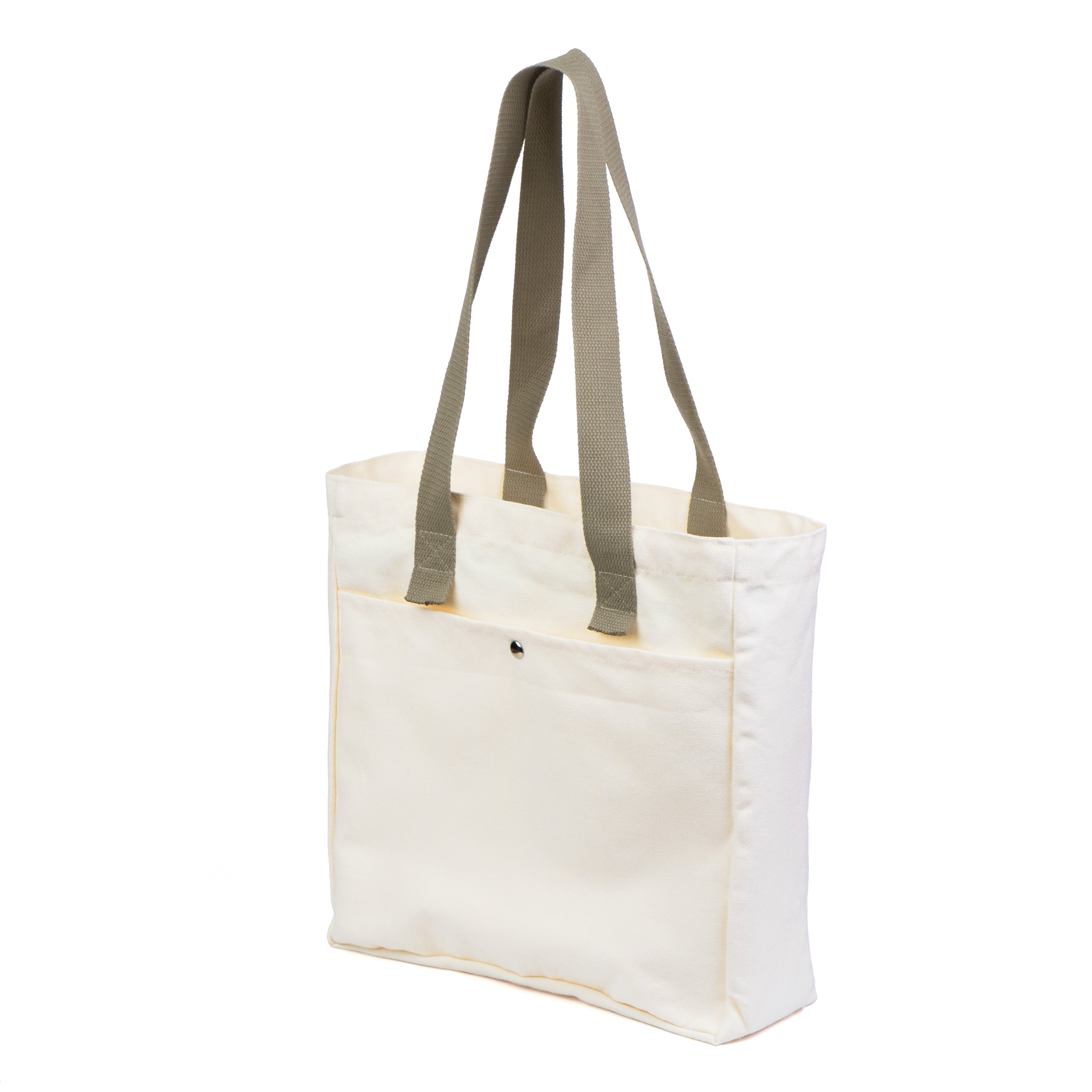
Every storage bag experiences stress at weak points—typically where handles attach, where zippers connect, or where seams meet corners. Professional manufacturers recognize that a standard stitch cannot reliably survive the concentrated tension these zones endure. By deploying reinforced stitching patterns, manufacturers create multiple thread pathways that distribute force across a wider area, preventing catastrophic failure at pressure points. The choice between X-box and bar tack reinforcement depends on cost considerations, production speed, aesthetic preferences, and the specific application demands of your storage bag solution.
X-Box Stitching: Geometric Strength and Design Appeal
How X-Box Pattern Reinforces Your Storage Bag
X-box stitching creates a distinctive box shape with an X pattern sewn through the center, forming eight distinct triangular regions within the reinforcement zone. This geometric approach transforms a storage bag handle or attachment point into a structure capable of distributing force in multiple directions simultaneously. When you pick up a storage bag reinforced with X-box stitching, the load transfers through each triangular segment rather than concentrating on a single thread line. The X pattern itself creates mechanical redundancy—if one thread section experiences micro-tears, the remaining seven triangular segments continue supporting the storage bag's weight.
Visual and Aesthetic Benefits
X-box stitching serves a dual purpose: functional reinforcement and visual design element. A well-executed X-box pattern on a storage bag immediately signals to consumers that the product underwent professional construction and quality consideration. The symmetrical X design appeals to buyers who value both performance and appearance, making your storage bag stand out on retail shelves or in corporate gifting presentations. Many premium storage bag manufacturers choose X-box stitching specifically because it demonstrates craftsmanship while simultaneously solving the durability challenge inherent in any storage bag carrying capacity.
Bar Tack Stitching: Concentrated Reinforcement and Production Efficiency
Understanding Bar Tack Reinforcement for Storage Bag Applications
Bar tack stitching concentrates multiple parallel stitch lines within a compact rectangular zone, typically 0.5 to 1 inch in length, creating an extremely dense thread matrix at the point of highest stress on a storage bag. Unlike the X-box approach, bar tack focuses reinforcement directly at the most vulnerable area rather than spreading across a broader pattern. When a storage bag experiences maximum tension—such as when fully loaded handles support weight—the bar tack's concentrated thread density becomes the primary load-bearing element. This targeted approach makes bar tack ideal for storage bag applications where stress concentrates at specific, predictable failure points.
Production Speed and Cost Efficiency
Manufacturers favor bar tack stitching for high-volume storage bag production because the technique requires less machine time and thread per reinforced unit. A bar tack operation completes in seconds, while X-box stitching demands more complex machine programming and longer sewing time. For companies producing thousands of storage bag units monthly, this efficiency translates into meaningful cost reductions without compromising structural integrity. Budget-conscious storage bag buyers benefit from bar tack pricing advantages, while manufacturers maintain healthy production margins and competitive market positioning.
Comparing Durability, Application Fit, and Long-Term Performance
Stress Distribution and Longevity Characteristics
X-box stitching excels when stress directions remain unpredictable or come from multiple angles, making it superior for storage bag applications involving irregular shapes, shifting contents, or dynamic loading patterns. The eight triangular segments absorb and redirect forces comprehensively, prolonging storage bag lifespan even under non-ideal handling conditions. Bar tack stitching performs optimally when stress arrives primarily from a single direction or zone, such as vertical weight on storage bag handles or horizontal pull on closure attachment points. Testing shows that a well-constructed bar tack can match or exceed X-box durability specifically for storage bag applications where use patterns remain consistent and predictable.
Real-World Storage Bag Scenarios and Selection Criteria
Consider your intended storage bag use case carefully when evaluating reinforcement options. Industrial or warehouse storage bag applications, where contents shift and pressure comes from multiple directions, typically benefit from X-box reinforcement ensuring maximum reliability. Consumer-oriented storage bag designs for personal organization or household storage often perform excellently with bar tack reinforcement, offering durability at lower cost without unnecessary complexity. Outdoor or travel-focused storage bag products frequently employ X-box stitching because environmental elements and handling unpredictability create multi-directional stress conditions. Each storage bag manufacturer must balance expected usage patterns, target price point, aesthetic requirements, and performance guarantees when selecting their reinforcement strategy.
FAQ
What is the primary difference between X-box and bar tack reinforcement in storage bag construction?
X-box stitching creates a geometric box pattern with a center X across the entire reinforcement zone, distributing force across eight triangular segments. Bar tack stitching concentrates multiple parallel threads in a small rectangular area, creating intense localized reinforcement. For a storage bag, X-box offers broader stress distribution while bar tack delivers concentrated strength where stress is predictable and directional.
Which reinforcement method is more cost-effective for production of storage bag units?
Bar tack stitching requires less machine time and thread material, making it more cost-efficient for high-volume storage bag manufacturing. X-box stitching demands longer sewing time and more complex programming, increasing production costs per storage bag unit. Manufacturers can reduce storage bag prices significantly by choosing bar tack, though both methods deliver excellent durability when properly executed.
How do I choose between X-box and bar tack reinforcement when purchasing a storage bag?
Evaluate your storage bag usage conditions: if contents shift frequently or stress comes from multiple directions, X-box provides superior protection. For predictable, organized storage, bar tack offers excellent durability at lower cost. Consider the storage bag's intended environment, load consistency, and how frequently you'll handle or transport it when making your selection decision.