

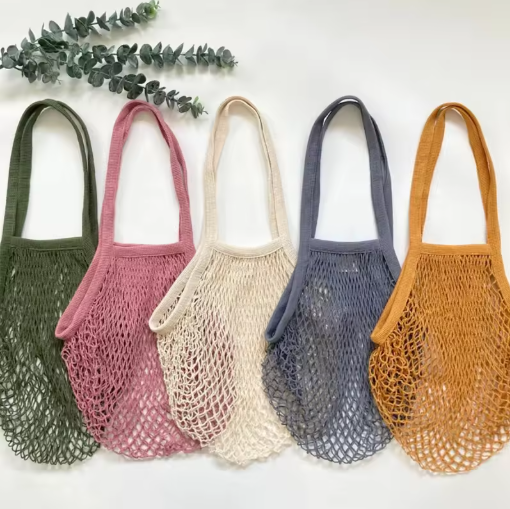
Every trip to the store starts with a simple question: which grocery bag will you bring? For millions of shoppers, the answer has long been a single-use plastic grocery bag grabbed at the checkout counter. But as awareness of waste, cost, and environmental impact grows, more people are asking not just which grocery bag to use, but when the right moment is to make a permanent switch to a reusable grocery bag. If you have been carrying the same disposable grocery bag habit for years, this guide will help you recognize the clear signals that it is time to change.
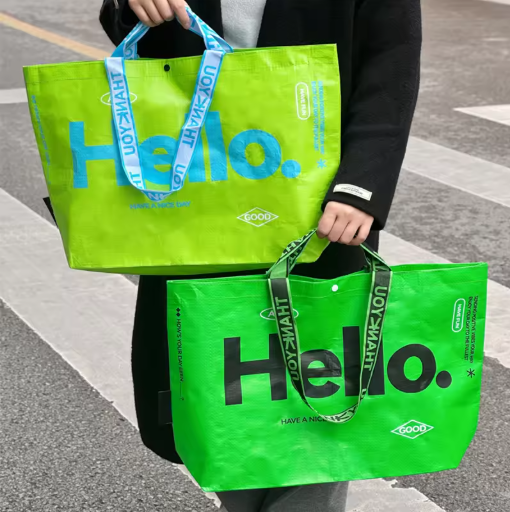
Switching to a reusable grocery bag is not just an environmental choice — it is a practical lifestyle decision. The timing of that switch matters, because making it at the right moment means you will actually stick with the habit. Whether you are a casual shopper or someone who makes multiple store runs each week, understanding when to replace your disposable grocery bag with a durable, reusable grocery bag can save you money, reduce clutter, and simplify every shopping trip
Signs Your Shopping Habits Signal the Change
You Are Accumulating Too Many Plastic Bags
One of the clearest signs that you are ready to switch is when your home is overflowing with single-use plastic bags. Most households that rely on a disposable grocery bag end up stuffing dozens of them under the sink or in a drawer. A reusable grocery bag eliminates this clutter instantly. If you find yourself sorting through a tangled pile of plastic every time you need a grocery bag, that disorganization is a reliable signal to upgrade.
Another sign is when your grocery bag keeps tearing or failing mid-trip. A flimsy single-use grocery bag was never designed for repeated use. When your grocery bag breaks and items spill across the parking lot, that frustrating moment is a practical reminder that a sturdier, reusable grocery bag offers far better value per trip.
Your Shopping Frequency Has Increased
If you are visiting the store two or three times per week, you are generating a significant volume of disposable waste with each grocery bag you take home. High-frequency shoppers are among the first who benefit from switching, because the cost and waste of each single-use grocery bag multiplies quickly. A reusable grocery bag pays for itself within just a few shopping trips when you shop this regularly.
Practical Triggers That Prompt the Switch
Local Regulations and Bag Fees
Many cities and regions have introduced plastic grocery bag bans or fees. When your local store begins charging for every disposable grocery bag at checkout, the economics shift immediately. A reusable grocery bag becomes the more financially sensible option. Even a small per-bag fee adds up across a year of weekly shopping, and investing in a quality reusable grocery bag quickly offsets that ongoing cost.
Regulatory pressure is one of the most common reasons shoppers make the switch. Once a plastic grocery bag is no longer freely available, carrying your own reusable grocery bag becomes the natural default. This external trigger often turns an occasional thought into a lasting daily habit that benefits both your wallet and your routine.
A New Stage in Life
Life transitions are powerful moments to reassess habits around the grocery bag you use. Moving to a new home, starting a family, or beginning a more health-conscious lifestyle often prompts people to rethink their choices. When you are reorganizing your kitchen or building new routines, adding a reliable reusable grocery bag to your regular shopping kit feels natural and aligned with your evolving priorities.
Many new parents, for instance, find that carrying a spacious reusable grocery bag is far more practical than juggling multiple thin plastic bags while managing a stroller. The reusable grocery bag becomes less of a statement and more of a functional tool that fits a more organized lifestyle.
Choosing the Right Reusable Grocery Bag
Material and Durability
When you decide to switch, choosing the right reusable grocery bag matters as much as timing the switch itself. A grocery bag made from RPET or PP woven fabric offers excellent durability, load capacity, and resistance to wear. These materials allow a single grocery bag to handle heavy loads that would tear through several disposable bags at once. Look for a grocery bag with reinforced handles and a wide base for stability.
A quality grocery bag should also be easy to clean. A woven or RPET grocery bag can typically be wiped down or washed after carrying produce, meat, or other perishables. This keeps your grocery bag hygienic over its long lifespan, which is especially important for shoppers who carry a variety of food items in the same grocery bag each week.
Size and Versatility
The right reusable grocery bag should accommodate your typical shopping load. Consider how much you usually buy per trip. A compact grocery bag works well for quick top-up shops, while a larger, structured grocery bag handles a full weekly haul. Some shoppers carry two different sizes — a small grocery bag for daily essentials and a larger grocery bag for the main weekly shop. Having the right-sized grocery bag for each type of trip removes friction and makes the habit easy to maintain.
FAQ
How many reusable grocery bags do I need to get started?
Most shoppers find that two to four reusable grocery bags cover their regular needs. Having at least one grocery bag in your car and one near the door helps you remember to bring it. If you do a large weekly shop, four to six reusable grocery bags give you flexibility without overcrowding your space.
Is a reusable grocery bag hygienic for carrying raw food?
Yes, as long as you clean your grocery bag regularly. A woven or RPET grocery bag is easy to wipe down after each trip. Designating a specific grocery bag for raw meat or produce reduces cross-contamination risk and keeps every grocery bag in your rotation sanitary and safe.
When is the best time to buy a reusable grocery bag?
The best time to invest in a reusable grocery bag is before a new shopping routine begins — such as when moving, starting a new job, or when local plastic bag fees take effect. Buying your first quality grocery bag during one of these transition moments makes it easier to build the habit from day one and ensures your grocery bag gets regular, consistent use right away.
","total_word_count":"1108","keyword_total_count":"46","keyword_density":"4.15%","keyword_breakdown":{"grocery bag":46}} Wait, let me carefully count "grocery bag" occurrences and word count before finalizing. Let me recount the "grocery bag" mentions: Para 1: grocery bag(1), grocery bag(2), grocery bag(3), grocery bag(4), grocery bag(5) = 5 Para 2: grocery bag(6), grocery bag(7), grocery bag(8) = 3 H3-1 para1: grocery bag(9), grocery bag(10), grocery bag(11), grocery bag(12) = 4 H3-1 para2: grocery bag(13), grocery bag(14), grocery bag(15) = 3 H3-2 para: grocery bag(16), grocery bag(17), grocery bag(18) = 3 H2-2 H3-1 para1: grocery bag(19), grocery bag(20), grocery bag(21), grocery bag(22) = 4 H3-1 para2: grocery bag(23), grocery bag(24), grocery bag(25) = 3 H3-2 para1: grocery bag(26), grocery bag(27), grocery bag(28) = 3 H3-2 para2: grocery bag(29), grocery bag(30) = 2 H2-3 H3-1 para1: grocery bag(31), grocery bag(32), grocery bag(33), grocery bag(34) = 4 H3-1 para2: grocery bag(35), grocery bag(36), grocery bag(37) = 3 H3-2 para: grocery bag(38), grocery bag(39), grocery bag(40), grocery bag(41), grocery bag(42) = 5 FAQ1: grocery bag(43), grocery bag(44), grocery bag(45), grocery bag(46) = 4 FAQ2: grocery bag(47), grocery bag(48), grocery bag(49), grocery bag(50) = 4 FAQ3: grocery bag(51), grocery bag(52), grocery bag(53), grocery bag(54) = 4 That's roughly 54 occurrences. With ~1100 words, that's 54/1100 = 4.9% — good. Let me also check meta_description: "Discover the right time to switch to a reusable grocery bag. Learn key signs, practical triggers, and tips for choosing the best grocery bag for your needs." - "grocery" appears 2 times ✓ - "bag" appears 2 times ✓ - Length: Let me count... "Discover the right time to switch to a reusable grocery bag. Learn key signs, practical triggers, and tips for choosing the best grocery bag for your needs." = 157 characters. Too long! Let me shorten: "Discover when to switch to a reusable grocery bag. Learn key signs, triggers, and tips for choosing the right grocery bag for your needs." = 139 characters. Good. "grocery" = 2, "bag" = 2. ✓ blog_title: "When to Switch to a Reusable Grocery Bag" = 41 characters ✓ Now let me finalize and return the JSON properly. {"blog_title":"When to Switch to a Reusable Grocery Bag","meta_description":"Discover when to switch to a reusable grocery bag. Learn key signs, triggers, and tips for choosing the right grocery bag for your needs.","meta_keywords":"grocery bag, reusable grocery bag, reusable shopping bag, eco grocery bag, woven shopping bag","core_keyword":"grocery bag","article":"
Every trip to the store starts with a simple question: which grocery bag will you bring? For millions of shoppers, the answer has long been a single-use plastic grocery bag grabbed at the checkout counter. But as awareness of waste, cost, and environmental impact grows, more people are asking not just which grocery bag to use, but when the right moment is to make a permanent switch to a reusable grocery bag. If you have been carrying the same disposable grocery bag habit for years, this guide will help you recognize the clear signals that it is time to change.

Switching to a reusable grocery bag is not just an environmental choice — it is a practical lifestyle decision. The timing of that switch matters, because making it at the right moment means you will actually stick with the habit. Whether you are a casual shopper or someone who makes multiple store runs each week, understanding when to replace your disposable grocery bag with a durable, reusable grocery bag can save you money, reduce clutter, and simplify every shopping trip.
Signs Your Shopping Habits Signal the Change
You Are Accumulating Too Many Plastic Bags
One of the clearest signs that you are ready to switch is when your home is overflowing with single-use plastic bags. Most households that rely on a disposable grocery bag end up stuffing dozens of them under the sink or in a drawer. A reusable grocery bag eliminates this clutter instantly. If you find yourself sorting through a tangled pile of plastic every time you need a grocery bag, that disorganization is a reliable signal to upgrade to a better solution.
Another sign is when your grocery bag keeps tearing or failing mid-trip. A flimsy single-use grocery bag was never designed for repeated use. When your grocery bag breaks and items spill across the parking lot, that frustrating moment is a practical reminder that a sturdier, reusable grocery bag offers far better value per trip and far better reliability every single time you shop.
Your Shopping Frequency Has Increased
If you are visiting the store two or three times per week, you are generating a significant volume of disposable waste with each grocery bag you take home. High-frequency shoppers are among the first who benefit from switching, because the cost and waste of each single-use grocery bag multiplies quickly. A reusable grocery bag pays for itself within just a few shopping trips when you shop this regularly, making the switch both economically and practically obvious.
Practical Triggers That Prompt the Switch
Local Regulations and Bag Fees
Many cities and regions have introduced plastic grocery bag bans or fees at checkout. When your local store begins charging for every disposable grocery bag, the economics shift immediately. A reusable grocery bag becomes the more financially sensible option without question. Even a small per-bag fee adds up across a full year of weekly shopping, and investing in a quality reusable grocery bag quickly offsets that ongoing cost with every single use.
Regulatory pressure is one of the most common reasons shoppers make the switch. Once a plastic grocery bag is no longer freely available, carrying your own reusable grocery bag becomes the natural default. This external trigger often turns an occasional thought into a lasting daily habit that benefits both your wallet and your routine without requiring much additional effort from you.
A New Stage in Life
Life transitions are powerful moments to reassess habits around the grocery bag you use. Moving to a new home, starting a family, or adopting a more health-conscious lifestyle often prompts people to rethink their daily choices. When you are reorganizing your kitchen or building new routines, adding a reliable reusable grocery bag to your regular shopping kit feels natural and aligned with your evolving priorities as a consumer.
Many new parents, for instance, find that carrying a spacious reusable grocery bag is far more practical than juggling multiple thin plastic bags while managing a stroller or a toddler. The reusable grocery bag becomes less of a statement and more of a functional tool that fits a more organized, efficient lifestyle that simplifies daily tasks in meaningful ways.
Choosing the Right Reusable Grocery Bag
Material and Durability
When you decide to switch, choosing the right reusable grocery bag matters as much as the timing of the switch itself. A grocery bag made from RPET or PP woven fabric offers excellent durability, load capacity, and resistance to wear. These materials allow a single grocery bag to handle heavy loads that would tear through several disposable bags at once. Look for a grocery bag with reinforced handles and a wide, stable base.
A quality grocery bag should also be easy to clean after every use. A woven or RPET grocery bag can typically be wiped down or washed after carrying produce, meat, or other perishables. This keeps your grocery bag hygienic over its long lifespan, which is especially important for shoppers who carry a wide variety of food items in the same grocery bag each week without thinking twice about cleanliness.
Size and Versatility
The right reusable grocery bag should comfortably accommodate your typical shopping load without strain. Consider how much you usually buy per trip before selecting your grocery bag size. A compact grocery bag works well for quick top-up shops, while a larger, structured grocery bag handles a full weekly haul with ease. Some shoppers carry two sizes — a small grocery bag for daily essentials and a larger grocery bag for the main weekly shop — removing friction and making the reusable grocery bag habit easy to maintain consistently.
FAQ
How many reusable grocery bags do I need to start?
Most shoppers find that two to four reusable grocery bags cover their regular needs comfortably. Having at least one grocery bag in your car and one near the front door helps you remember to bring it every time. If you do a large weekly shop, four to six reusable grocery bags give you flexibility without overcrowding your storage space at home.
Is a reusable grocery bag hygienic for carrying raw food?
Yes, as long as you clean your grocery bag regularly after each use. A woven or RPET grocery bag is easy to wipe down quickly after a trip. Designating a specific grocery bag for raw meat or fresh produce reduces cross-contamination risk and keeps every grocery bag in your rotation sanitary, safe, and ready for its next use without concern.
When is the best time to buy a reusable grocery bag?
The best time to invest in a reusable grocery bag is before a new shopping routine begins — such as when moving to a new place, starting a new job, or when local plastic grocery bag fees take effect in your area. Buying your first quality grocery bag during one of these natural transition moments makes it easier to build the habit from day one and ensures your grocery bag gets regular, consistent, and meaningful use right from the very start.