

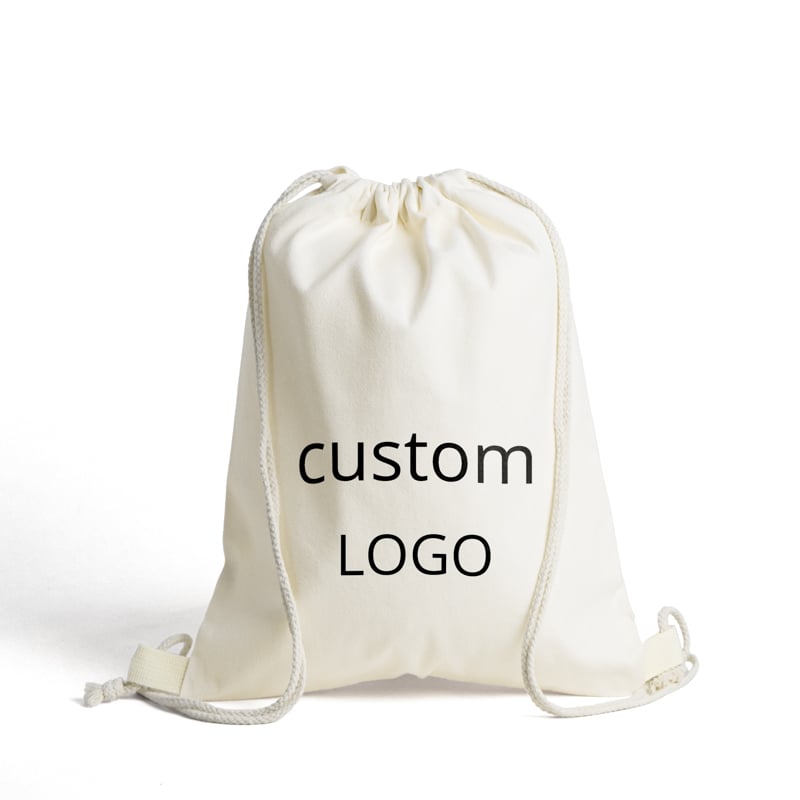
Choosing cotton or polyester webbing handles changes how a drawstring bag feels, performs, and fits its intended use. Cotton offers a softer, natural hand, while polyester is typically selected when resistance to moisture and frequent handling matters. The right choice depends on load, environment, user comfort, and the product’s expected service life.
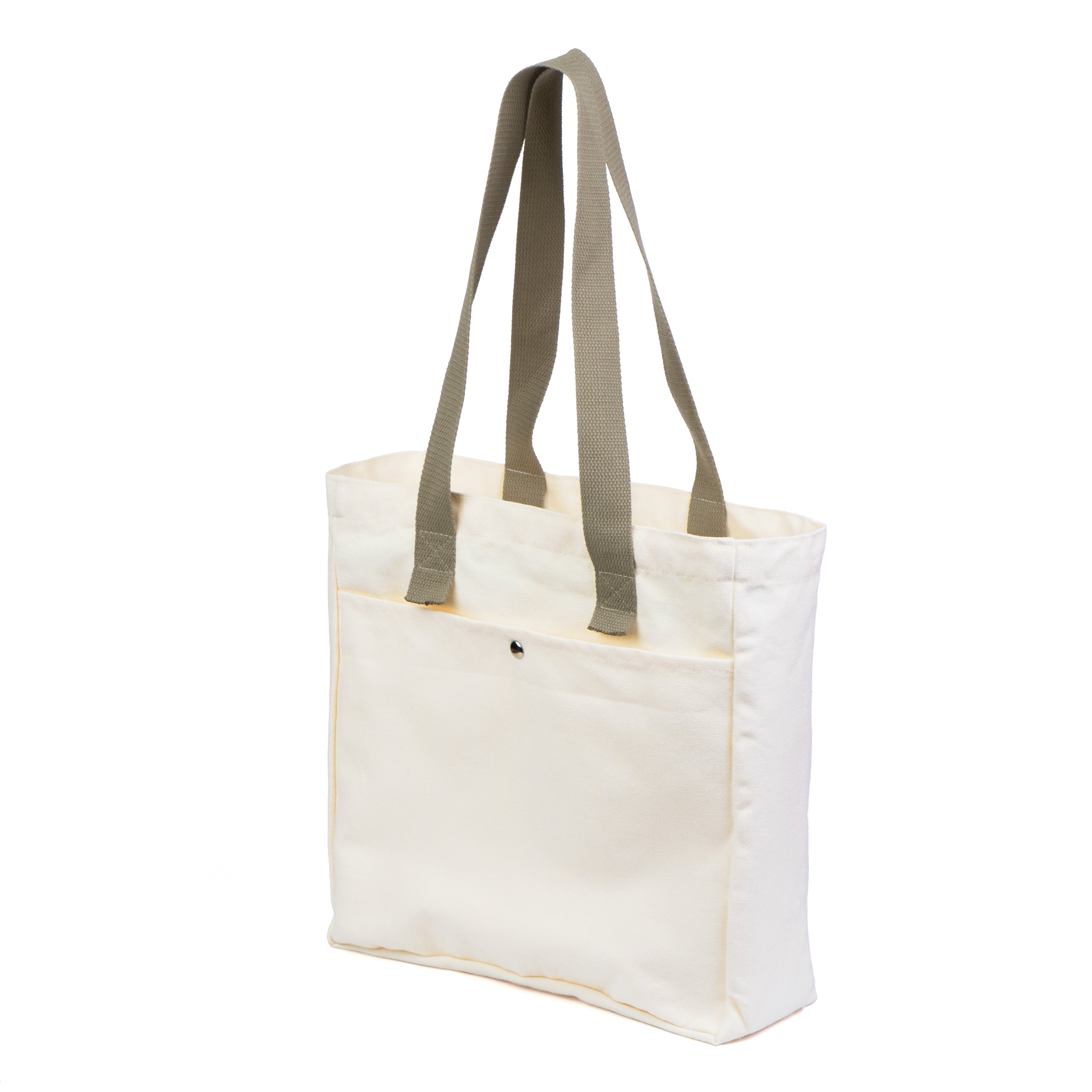
For a drawstring bag, the handle is not merely a finishing detail: it can affect carrying comfort, appearance, and production decisions. Comparing webbing materials helps designers specify a handle that suits the bag’s contents and conditions, rather than choosing by appearance alone. This guide explains the practical trade-offs for common commercial applications.
Material differences that matter in use
Cotton webbing feel and appearance
Cotton webbing has a soft, familiar texture that can complement canvas and other natural-looking fabrics. On a drawstring bag, that tactile quality can make the handle feel more comfortable against the hand during short trips or event use. Cotton also has a matte, understated appearance that suits brands seeking a relaxed or traditional presentation.
The feel and look are useful advantages, but they should be assessed alongside the intended load. A drawstring bag carrying light apparel, printed materials, or small personal items may benefit from cotton’s softer touch. For heavier contents or repeated daily carrying, specify suitable webbing width, thickness, stitching, and attachment reinforcement rather than assuming the fiber alone determines strength.
Polyester webbing performance characteristics
Polyester webbing is often chosen for a drawstring bag expected to encounter damp conditions, frequent handling, or regular cleaning. It tends to retain its shape well in ordinary use and is available in consistent colors and constructions. Those qualities can help product teams maintain a uniform appearance across production runs and support practical care requirements.
A synthetic surface can feel firmer or less natural than cotton, so samples should be tested by the people who will carry the finished item. For a drawstring bag used at outdoor events, in active settings, or as a reusable utility item, polyester may suit the operating conditions. Check edge feel, flexibility, color matching, and attachment points before approving the specification.
Matching handle material to the application
Comfort, load, and carrying frequency
Start by defining what the drawstring bag will carry and how users will hold it. Light contents and occasional carrying put more emphasis on hand feel and visual character, which can favor cotton. A heavier load or repeated use calls for attention to webbing construction, handle width, seam strength, and how force transfers into the bag body.
Where comfort is central, test the drawstring bag with realistic contents instead of judging a loose webbing sample. A wider handle can spread pressure over a larger area, while a softer surface may feel better during brief use. If people carry the bag for longer periods, verify comfort with representative users and confirm the complete handle assembly withstands expected handling.
Use conditions can point the decision in a different direction. A drawstring bag handed out at an indoor conference may prioritize a natural look and pleasant touch, making cotton a fitting option. A bag used around wet equipment or outdoors may call for polyester, depending on the care plan. Neither choice removes the need to test the finished construction.
Appearance, care, and production requirements
Consider how the handle material works with the main fabric, print, and intended brand presentation. Cotton webbing can create a coordinated natural appearance on a drawstring bag made from canvas, while polyester can offer a clean, even look in many colors. Request samples to compare texture and color under the lighting in which the product will be displayed.
Care expectations should also be clear before a drawstring bag goes into production. Ask how the selected webbing responds to the cleaning methods users are likely to apply, and check whether color transfer, shrinkage, or surface changes could affect the product. A realistic care instruction helps protect appearance, but it cannot compensate for a material that conflicts with the use environment.
Production consistency depends on more than fiber choice. For each drawstring bag design, document webbing width, color, thickness, attachment method, and acceptable sample standards. Confirm that the webbing can be sewn cleanly to the selected body fabric and that seams are reinforced for expected loads. Clear specifications reduce interpretation differences during sampling and repeat orders.
A practical selection and validation process
Set priorities before approving a sample
Create a short specification around the actual purpose of the drawstring bag. Record expected contents, carrying frequency, exposure to moisture, desired appearance, and care expectations. Rank the priorities so teams can resolve trade-offs: an especially soft feel may matter more for promotional use, while predictable handling in damp settings may carry more weight for an outdoor application.
Next, compare cotton and polyester webbing in the complete product, not in isolation. Review the drawstring bag when empty and loaded, inspect seams, and ask users to carry it in a realistic way. This reveals whether the handle feels comfortable and whether attachment points pull or distort the body. Keep notes so the final decision reflects observed use rather than assumptions.
For a project requiring a natural fabric look, cotton is a sensible starting point; for more exposure to moisture or routine handling, polyester deserves close evaluation. A drawstring bag concept can also inform broader choices about fabric, pocket details, and carrying style. Treat the linked example as a design reference, then validate webbing against your own product requirements.
Confirm the finished construction
Before approving production, inspect a representative drawstring bag with the intended webbing, stitching, and contents. Check for loose threads, uneven attachment, uncomfortable edges, and visible changes after the planned care process. If the product will see repeated use, include repeat handling in the review. These checks help establish whether the chosen material and construction work together.
The final decision should balance user experience, appearance, environmental conditions, and manufacturing needs. Cotton and polyester can both serve a drawstring bag well when the material is matched to the job and the handle is properly constructed. Record the approved sample and specifications, then revisit them if the contents, usage pattern, or cleaning requirements change.
FAQ
Which webbing feels softer on a drawstring bag?
Cotton webbing usually has a softer, more natural hand, though the weave and finish affect the feel. Compare samples on the finished drawstring bag, since width, seams, and handle shape also influence comfort.
Is polyester webbing suitable for outdoor use?
It can be a practical option when a drawstring bag may encounter moisture or frequent handling. Confirm the exact webbing, color, care expectations, and sewn construction with a sample suited to the intended conditions.
How should a buyer choose between cotton and polyester?
Match the material to the load, environment, desired appearance, and carrying frequency. Test a loaded drawstring bag with representative users, then approve the webbing and attachment details together rather than selecting on fiber name alone.