

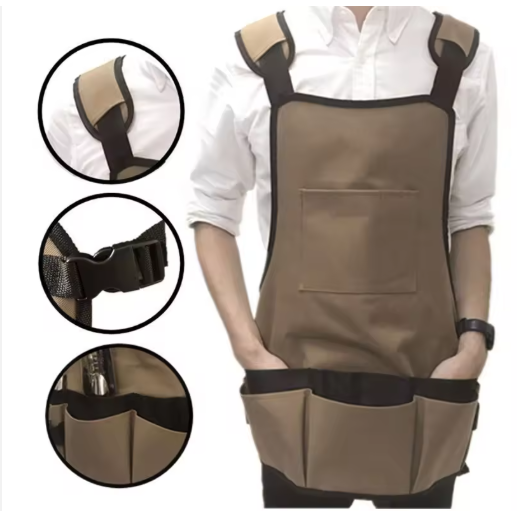
Hemp bags can be an underrated sustainable choice for businesses seeking practical reusable packaging, event merchandise, or everyday carry products. Their appeal is not limited to the material: a well-designed bag can support repeated use, communicate thoughtful sourcing, and work alongside a textile program that includes an apron for staff or customers. Evaluating both items helps buyers consider function, care, and purchasing needs together.
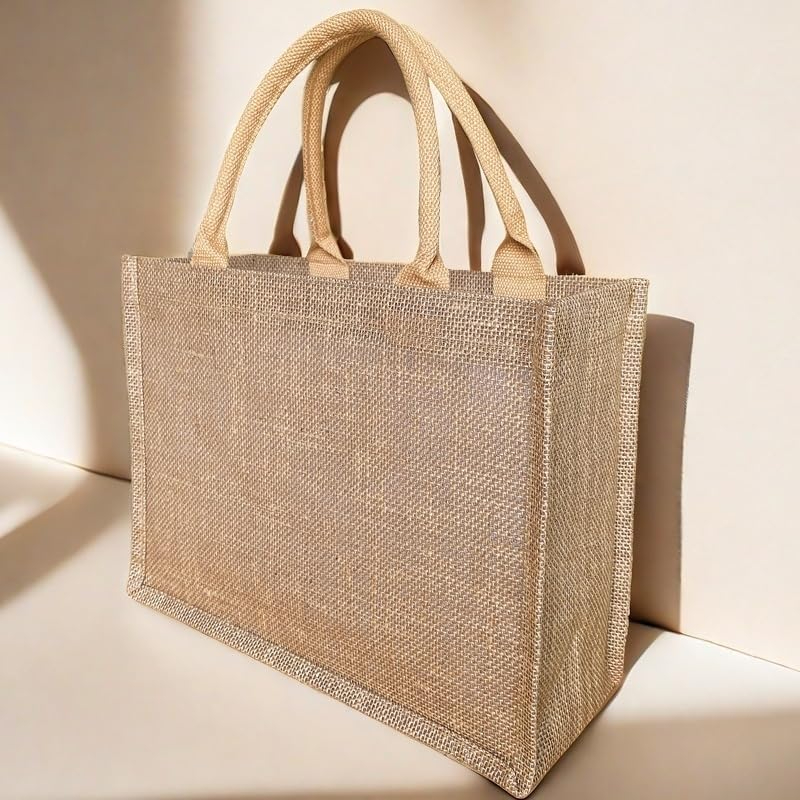
The best case for hemp bags is a useful one: they are worth considering when their design suits the load, the audience, and the expected reuse cycle. An apron program offers a helpful comparison because both products are textile goods whose value depends on fit and care, not just a sustainability label. When teams plan a bag and an apron together, they can make more consistent choices about materials, branding, and replacement.
Why hemp bags deserve a closer look
Material story and practical value
Hemp is a plant-based fiber used in textiles, and hemp bags give buyers another option beyond conventional synthetic promotional products. The precise feel, strength, and appearance depend on the fabric construction and finishing, so procurement teams should assess a sample rather than assume every item behaves alike. That same evaluation applies to an apron: check seams, touch, and intended use before making a decision.
A reusable bag can be useful in retail, hospitality, conferences, and employee welcome programs because recipients have ordinary reasons to carry it again. That repeated utility matters more than a broad environmental claim. For a coordinated textile offer, a business might pair a carry bag with an apron used for demonstrations or service work, while confirming each item suits its own task and audience.
Usefulness over a product lifetime
Sustainability depends on use as well as material. A bag that remains in circulation may replace some disposable carry options, but the actual outcome depends on how often people reuse it and what it replaces. Buyers should set realistic expectations, just as they would when ordering an apron: define the job, ask about care, and avoid promises that the product specification cannot support.
Hemp bags can also create a distinctive natural-textile look that fits brands emphasizing craft, food, agriculture, or responsible retail. The visual style should still match the organization, not become the sole reason to buy. If an apron is part of the same campaign, compare its color and decoration area with the bag so the set feels coherent without requiring identical fabric or construction.
How to assess hemp bags for business use
Match the bag to its real task
Start with what the recipient needs to carry, how the bag will be distributed, and where it is likely to be used. Capacity, handle length, closure, and access affect daily usefulness more than a generic description. A retailer may prioritize shopping convenience, while a conference organizer may need a bag that carries printed materials. An apron serves a different purpose, so evaluate its coverage and movement separately.
Ask for dimensions and construction details, then consider whether the planned contents fit without stressing seams or handles. A sample can reveal stiffness, weight, and finishing details that are hard to judge from a product listing. This is equally sensible when checking an apron: try the intended items or work movements, and confirm that the product is appropriate before ordering for a whole team.
Review sourcing, decoration, and care
Request clear material information and avoid treating the word hemp as a complete account of a product’s environmental impact. Blended fibers, dyes, finishes, packaging, and shipping all influence the broader picture. Buyers can compare available documentation and ask focused questions. For an apron or bag, care instructions also matter because difficult maintenance may discourage the repeat use that makes a reusable textile useful.
Decoration should reinforce usability rather than dominate it. Placement, print method, and artwork size affect appearance and may influence care requirements, so review a proof and confirm how the finished item should be cleaned. A discreet mark can keep a hemp bag useful beyond a single event. On an apron, branding should remain visible during work without interfering with pockets, ties, or movement.
Making a responsible purchasing decision
Plan quantity and distribution carefully
Order planning is part of responsible sourcing. Estimate who will receive the product, when it will be used, and whether the quantity reflects likely demand rather than a promotional target alone. A well-matched hemp bag has little value if excess stock goes unused. The same applies to an apron issued to staff: consider role, size range, replacement needs, and storage before setting the order volume.
Coordinate delivery timing with the actual campaign or operational need, and confirm artwork approval, packaging, and product specifications before production. These steps reduce avoidable rework and make it easier to distribute bags when people can use them. If the program includes an apron, align its delivery and instructions with the intended activity, rather than assuming both textile products need identical quantities or schedules.
Set realistic measures of success
Measure success through practical signals: whether recipients use the bag, whether it holds up under expected conditions, and whether the item meets the intended brief. Feedback after distribution can inform later specifications and quantities. An apron program can be reviewed in similar terms, including comfort during the relevant task and whether care requirements are manageable for the people who wear it.
No single fiber makes a purchase automatically sustainable. Hemp bags are most compelling when material choice, useful design, responsible quantity, and ongoing use support one another. Buyers should compare evidence and specifications, then communicate claims carefully. Treat an apron with the same discipline: choose it for a defined purpose, check its construction, and make practical use—not a label—the basis for the decision.
FAQ
Are hemp bags suitable for business promotions?
They can suit promotions when recipients have a reason to reuse them and the size, construction, and branding fit the campaign. Pairing a bag with an apron may make sense for a food or craft activity, provided each item serves a clear purpose.
What should buyers check before ordering hemp bags?
Review material details, dimensions, construction, decoration options, care instructions, and a physical sample where possible. For an apron included in the same order, separately check fit and task suitability rather than relying on the bag’s specification.
Does hemp automatically make a bag sustainable?
No. The material is only one factor; product lifespan, reuse, processing, decoration, and purchasing quantity also matter. An apron or bag is a more responsible choice when its real use and care align with the claims made about it.