

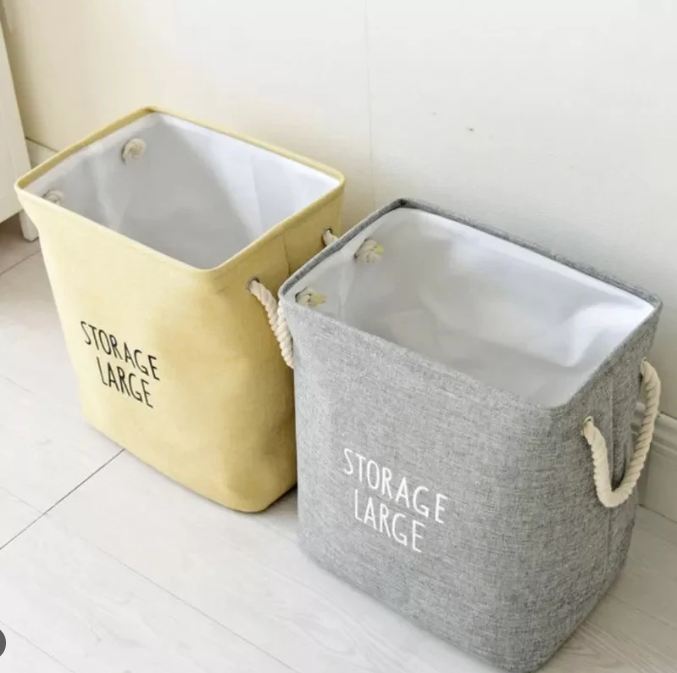
When comparing laminated and coated non-woven fabric for a laundry bag, the key difference is how each surface layer is made and how it manages moisture. Lamination bonds a film to the fabric, while coating applies a protective material over it. Neither construction makes every laundry bag completely waterproof by default. The result depends on the film or coating, fabric weight, seams, and closure. For a laundry bag that will face damp clothes, splashes, or humid storage, understanding those details helps set realistic expectations before choosing a material.

The practical question is not simply which laundry bag is waterproof, but what kind of exposure it must handle. A bag used to carry dry garments has different needs from one holding wet towels or traveling through rain. Laminated non-woven often provides a more continuous barrier, whereas coated fabric performance can vary with application and coverage. For either laundry bag, stitching, corners, and the top opening may let moisture pass even when the broad fabric panels resist it. The sections below explain how to assess that trade-off.
How the Two Surface Treatments Work
Film lamination creates a bonded barrier
A laminated non-woven material combines a base fabric with a thin film bonded across its surface. For a laundry bag, that film can reduce water transfer through the main panels because it covers the non-woven structure rather than leaving its pores exposed. The barrier’s usefulness depends on film continuity and how firmly it stays attached during ordinary handling. A laundry bag with laminated panels may therefore suit splash-prone storage, but lamination alone does not seal seams, handles, or openings. Buyers should confirm which side is laminated and whether both panels receive the treatment.
Coating forms a surface layer
Coating applies a protective compound to the non-woven surface, and the resulting layer may be light, flexible, or more substantial depending on its formulation and application. For a laundry bag, a well-applied coating can limit wetting and make the surface easier to wipe. However, coverage and thickness matter: thin or uneven areas may allow moisture through sooner than a continuous film. Ask whether the coating is applied to one or both sides, and inspect a laundry bag sample for pinholes, peeling, or inconsistent texture. The word coated alone does not define a tested waterproof rating.
Waterproof Performance in Real Use
Panel resistance is only one part of protection
A fabric panel can resist water while a completed laundry bag still leaks at its construction points. Needle holes from stitching create small paths, and stress at handle attachments or folded corners can affect durability. A zipper or drawstring opening also cannot be assumed watertight. When evaluating a laundry bag, match the test method to its intended job: light splashes, brief outdoor carrying, and containment of dripping items are different exposure conditions. Request evidence for the assembled product, not just a fabric claim, and clarify whether results concern water resistance or full waterproof performance.
Use conditions set the right expectation
For damp garments, a laminated laundry bag may help protect surrounding items from incidental moisture, provided the opening stays above the wet contents and the seams are suitable. A coated laundry bag may be adequate for occasional splashes or wipe-clean handling when immersion is not expected. Neither construction should be treated as a substitute for a sealed wet bag unless the complete design is intended and tested for that purpose. Heat, abrasion, repeated folding, and prolonged contact with detergent or moisture can also change how a laundry bag performs over time. Consider the whole service environment, not only a fresh fabric swatch.
Choosing the Construction for the Application
Match material to handling and care
Start by describing what the laundry bag will carry, how wet the contents may be, and how staff will handle it. A hospitality operation moving mostly dry linens may value light weight and simple storage, while a gym or travel program may need better splash protection around damp clothing. In the latter case, compare laminated and coated samples under the same practical conditions. Check whether a laundry bag can be wiped clean, how it folds, and whether surface layers crack or lift after repeated flexing. Avoid assuming that a stronger moisture barrier automatically makes the bag washable or suitable for machine laundering.
Verify finished-bag details before ordering
Before specifying a laundry bag, review material construction, panel coverage, seam type, handle reinforcement, closure, and care guidance together. Ask for a representative sample and evaluate it with the exposure expected in use; a controlled splash check can reveal obvious weak points, though it is not a substitute for a formal test. If moisture containment is critical, request a defined performance standard for the finished laundry bag and confirm how samples were conditioned and tested. For everyday damp storage, a laminated surface may be a sensible starting point, while a coated option can suit lighter exposure when its finish meets the need.
FAQ
Is a laminated laundry bag always waterproof?
No. Lamination can create a barrier across fabric panels, but water may still enter through seams, handles, or the opening. A laundry bag should be called waterproof only when its complete construction has been designed and tested for that level of protection. Otherwise, describe it as water-resistant according to the evidence available.
Can a coated laundry bag hold wet clothes?
It may handle lightly damp items if the coating is continuous and the bag is not exposed to standing water or pressure. For a laundry bag used with dripping garments, assess seams and closure as well as the coated panels. Confirm care instructions because cleaning methods can affect the finish.
Which construction is better for splash protection?
A continuous laminated film often offers a clearer panel barrier, while a suitable coating may work for lighter splash exposure. The best choice for a laundry bag depends on actual use, construction quality, and testing of the finished item. Compare samples under the same conditions and set expectations around seams and openings.