How to Clean Canvas Bag
For most ordinary canvas bags, the safest cleaning method is simple:
Use cool or lukewarm water, a small amount of mild detergent, wash gently, reshape the bag and let it air dry.
A plain cotton canvas tote can usually handle more water than a structured, coated or waxed canvas bag. Printed bags need gentler cleaning around the artwork, while bags with leather handles or rigid inserts should usually be spot cleaned rather than completely soaked.
The easiest way to clean a canvas bag correctly is therefore to first identify which type you have.
Quick Answer: How Should Different Canvas Bags Be Cleaned?
| Canvas Bag Type |
Recommended Cleaning Method |
Avoid |
| Plain cotton canvas |
Hand wash with mild detergent; cold gentle machine wash is possible for simple unstructured bags |
Hot water, high heat |
| Printed canvas |
Spot clean or gentle hand wash |
Hard scrubbing, bleach, hot water |
| Dark or colored canvas |
Cold hand wash or spot clean |
Long soaking, bleach, strong sun |
| Waxed canvas |
Dry brush and damp wipe |
Detergent, machine washing, hot water |
| Coated canvas |
Damp wipe or spot clean |
Long soaking, abrasive brushes |
| Canvas with leather or PU trim |
Spot clean the canvas sections |
Full immersion |
| Structured canvas bag |
Spot clean |
Machine washing, soaking |
| Canvas with rigid bottom board |
Spot clean |
Full immersion |
| Simple washable canvas tote |
Cold gentle wash and air dry |
Hot dryer |
Canvas bags are often reused for:
- Shopping
- Work
- Travel
- Books
- Food
- Daily errands
Over time, they pick up:
- Dust
- Mud
- Food stains
- Coffee
- Sweat
- Body oils
- Marks around the handles
- Dirt on the bottom corners
Regular cleaning keeps the fabric looking better and prevents stains from becoming harder to remove.
The goal is not to wash the bag as aggressively as possible.
It is to remove the dirt without causing shrinkage, fading, print damage or loss of shape.

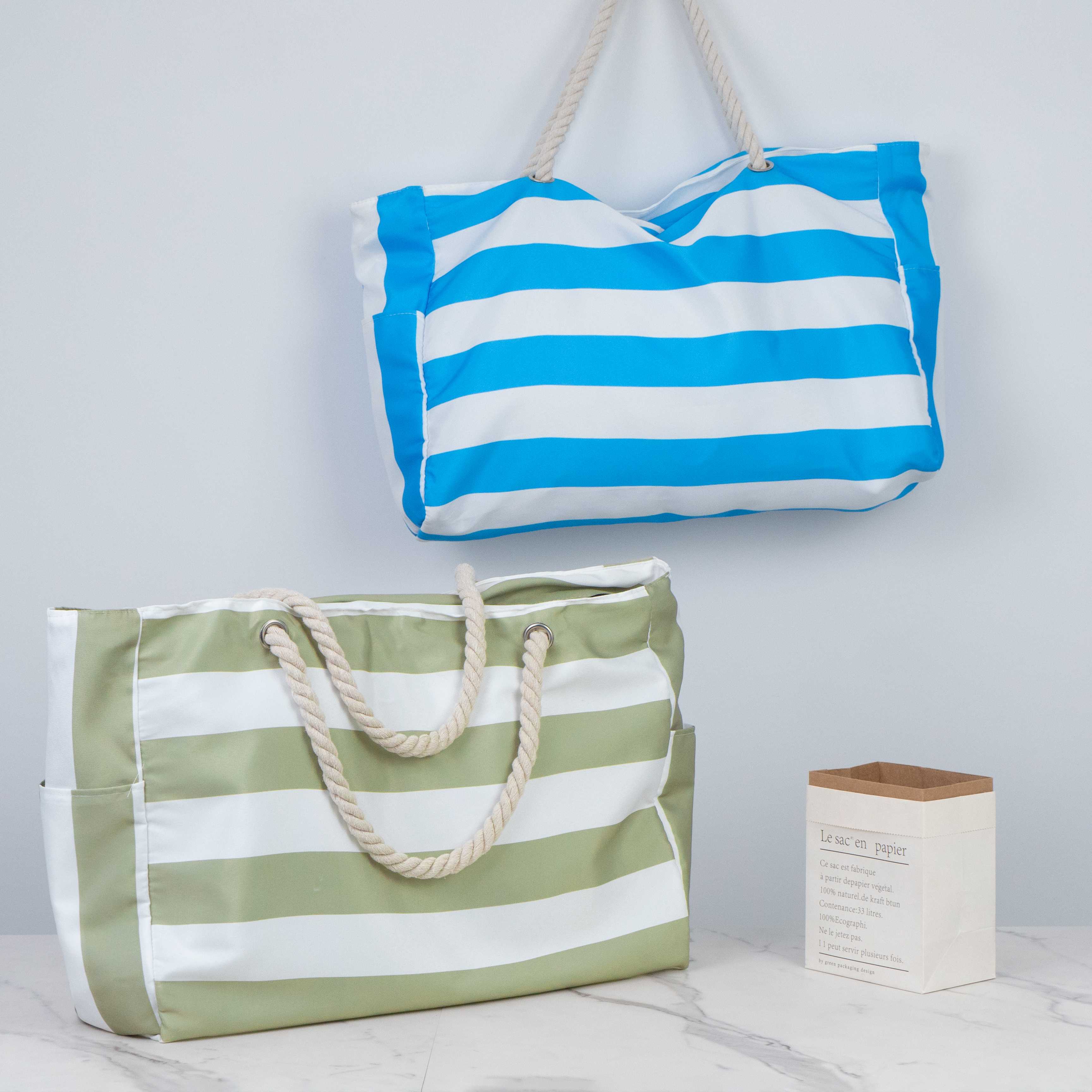
A simple cotton canvas tote is usually the easiest type to clean.
This includes many:
If the bag has no leather trim, rigid base, wax coating or complicated structure, hand washing is usually the safest method.
Step 1: Empty the Bag
Remove everything from the main compartment and pockets.
Shake out:
- Dust
- Sand
- Crumbs
- Loose dirt
A dry soft brush can remove surface dirt before the fabric gets wet.
Step 2: Prepare Cool or Lukewarm Water
Use cool or mildly warm water.
Avoid hot water because cotton canvas can shrink or change shape under high temperatures.
Step 3: Add Mild Detergent
A small amount is enough.
Strong detergent is rarely necessary for normal everyday dirt.
Step 4: Wash Gently
Use your hands or a soft brush.
Pay attention to areas that usually become dirty first:
- Handles
- Bottom
- Corners
- Opening edge
Do not twist or aggressively wring the bag.
Step 5: Rinse
Use clean water to remove detergent.
Soap left in the fabric can create visible marks after drying.
Step 6: Reshape and Air Dry
Straighten:
- Handles
- Gussets
- Bottom
- Opening
Then leave the bag open in a ventilated place until it is completely dry.
For a simple cotton canvas tote, this is usually all that is needed.

2. Can You Machine Wash a Canvas Tote Bag?
Yes, some simple cotton canvas totes can be machine washed.
Machine washing is most suitable for a bag that is:
- Plain cotton canvas
- Uncoated
- Soft and unstructured
- Without leather or PU parts
- Without a rigid bottom
- Without sensitive decoration
Use:
- Cold water
- Gentle cycle
- Mild detergent
Then reshape the bag and air dry it.
Hand washing is still the safer option when you want to reduce the risk of:
- Shrinkage
- Creasing
- Handle deformation
- Print wear
Do Not Machine Wash These Canvas Bags
Avoid machine washing:
- Waxed canvas
- Coated canvas
- Leather-trimmed canvas
- Structured canvas totes
- Bags with rigid inserts
- Bags with glued internal reinforcement
- Bags with delicate or large surface prints
The canvas itself may survive the machine, but another part of the finished bag may not.
Printed canvas bags need gentler treatment because the artwork can wear before the fabric does.
This includes bags with:
- Screen printing
- Heat-transfer graphics
- Digital printing
- Promotional logos
For light dirt, use spot cleaning.
How to Clean It
- Mix a small amount of mild detergent with cool water.
- Dampen a soft cloth.
- Gently wipe the stained area.
- Use another damp cloth to remove detergent.
- Let the bag air dry.
Around printed areas:
- Use light pressure
- Avoid repeated hard rubbing
- Avoid bleach
- Avoid hot water
- Avoid stiff brushes
If the whole bag needs cleaning, gentle hand washing is generally safer than an aggressive machine cycle.

Dark and brightly colored canvas can lose color if cleaned too aggressively.
Use:
- Cold water
- Mild detergent
- Short washing time
Do not leave the bag soaking for hours.
After washing, let it dry in a ventilated area away from prolonged strong sunlight.
This helps reduce the risk of:
- Fading
- Uneven color
- Dye transfer
If you are dealing with one small stain, spot cleaning is better than washing the entire bag.
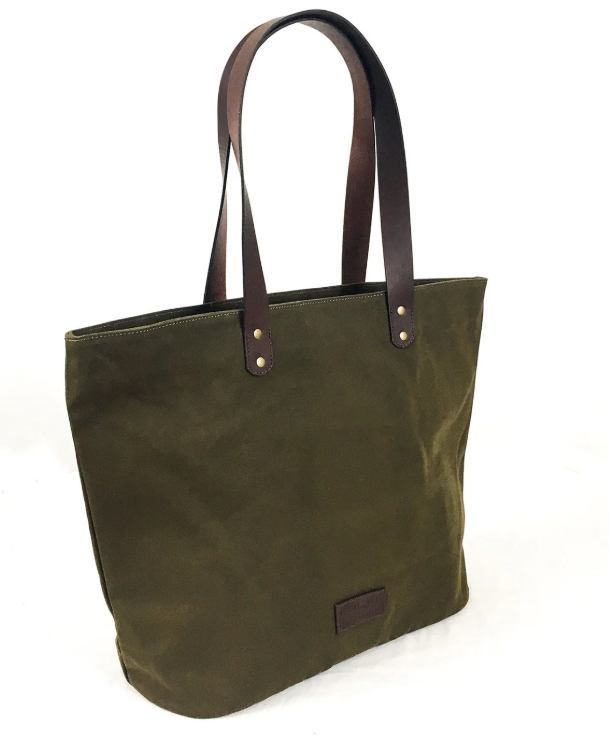
5. How to Clean Waxed Canvas
Waxed canvas needs a completely different approach.
Do not treat it like ordinary cotton canvas.
The wax layer is part of the fabric's finish and contributes to its:
- Water resistance
- Surface appearance
- Texture
Normal detergent can strip away that wax.
How to Clean Waxed Canvas
- Allow mud to dry.
- Brush away loose dirt.
- Wipe remaining marks with a damp cloth.
- Let the bag air dry.
That is usually enough.
Avoid
- Laundry detergent
- Bleach
- Machine washing
- Full soaking
- Hot water
- Tumble drying
If the wax finish becomes worn over time, the bag can be rewaxed with a suitable wax product.
6. How to Clean Coated Canvas
Coated canvas has a surface treatment that makes it behave differently from plain fabric.
For most everyday dirt, use:
- Damp cloth
- Mild soap if necessary
- Gentle wiping
You usually do not need to soak the bag.
Avoid:
- Abrasive brushes
- Strong solvents
- Bleach
- Aggressive scrubbing
- Long soaking
These can damage the coating or leave the surface uneven.
For coated bags, cleaning the surface is usually more important than washing the entire fabric.
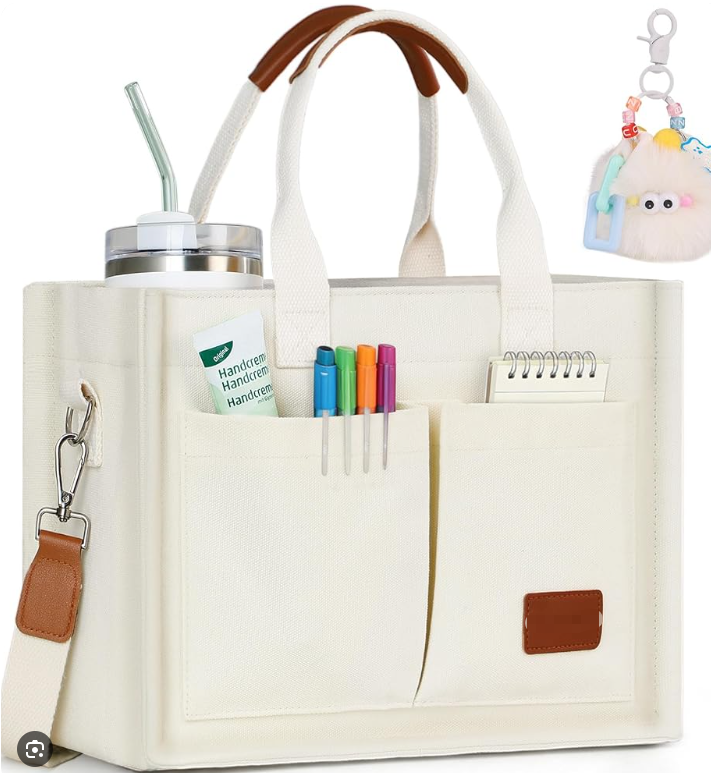
7. How to Clean a Canvas Bag with Leather or PU Handles
Do not immerse the whole bag in water.
Instead, clean the materials separately.
Canvas Section
Use:
- Damp cloth
- Mild detergent
- Gentle spot cleaning
Leather or PU Section
Keep it as dry as possible while cleaning the canvas.
A genuine leather handle should be cleaned with a method suitable for leather rather than ordinary laundry detergent.
The important point is simple:
Do not wash the whole bag according to the canvas if another material cannot tolerate the same treatment.
A structured canvas bag may contain:
- Bottom board
- Foam
- PP sheet
- Interlining
- Stiffener
- Glued reinforcement
These parts help the bag keep its shape.
If the entire bag is soaked, the internal structure may:
- Warp
- Soften
- Shift
- Lose shape
For structured canvas bags, spot cleaning is usually the better choice.
Cleaning Method
- Brush away loose dirt.
- Use mild detergent and a damp cloth on stained areas.
- Wipe away detergent with clean water.
- Reshape the bag.
- Air dry with the compartments open.
If necessary, loosely fill the bag with clean towels while drying to help maintain its shape.
How to Remove Common Stains from Canvas
Dirt and Dust
Start dry.
Use a soft brush to remove loose dirt.
There is no need to wet the entire bag for surface dust.
Mud
Let wet mud dry first.
Then brush off as much as possible.
Clean the remaining stain with mild detergent and water.
Scrubbing wet mud immediately can push it further into the canvas weave.
Coffee and Drinks
Blot fresh liquid as soon as possible.
Do not rub it outward.
Then:
- Apply diluted mild detergent.
- Gently work on the stain.
- Wipe with clean water.
- Air dry.
Fresh spills are easier to remove than dried ones.
Food Stains
Remove any solid food first.
Use mild detergent and a damp cloth on the remaining mark.
For ordinary food residue, repeated gentle cleaning is better than using a very strong cleaner immediately.
Oil and Grease
Blot away excess oil first.
Do not spread it over a larger area.
A small amount of mild dishwashing liquid can help break down greasy residue on ordinary cotton canvas.
Use only a small amount and rinse it out afterward.
For printed or dark-colored bags, treat the area carefully rather than scrubbing hard.
Ink
Ink is one of the more difficult stains.
Strong solvents can remove ink but may also damage:
- Canvas dye
- Printing
- Coating
If the bag is valuable, heavily printed or coated, aggressive DIY solvent treatment can create a larger permanent mark than the original ink stain.
For difficult ink stains, professional cleaning may be the safer option.
Can You Use Bleach on a Canvas Bag?
Usually no.
Bleach can:
- Fade dyed canvas
- Damage printed logos
- Create uneven discoloration
- Affect colored thread or handles
For most reusable canvas bags, mild detergent is enough.
Bleach should only be considered for a plain, suitable fabric where discoloration is not a concern.
For colored or printed canvas bags, avoid it.
Can You Soak a Canvas Bag?
For a plain cotton canvas bag, a short soak is usually not a problem if the bag is otherwise washable.
But long soaking is unnecessary and can increase the risk of:
- Shrinkage
- Dye bleeding
- Handle distortion
- Loss of shape
Do not soak:
- Waxed canvas
- Coated canvas
- Structured canvas
- Leather-trimmed canvas
- Bags with rigid inserts
For these products, local cleaning is safer.
Can You Put a Canvas Bag in the Dryer?
For most canvas bags, air drying is safer.
A hot tumble dryer can cause:
- Cotton shrinkage
- Wrinkling
- Shape distortion
- Print damage
- Coating damage
After washing, reshape the bag while damp and let it dry naturally.
How to Dry a Canvas Bag Without Losing Its Shape
After cleaning:
- Open the bag completely.
- Straighten the handles.
- Restore the gussets and corners.
- Place clean towels inside if the bag needs support.
- Leave all pockets open.
- Air dry in a ventilated place.
Do not store the bag until the fabric, seams and interior are completely dry.
A damp bag stored in a cupboard can develop:
Cleaning Methods That Can Damage a Canvas Bag
Most damage comes from a small number of avoidable mistakes.
Hot Water
Can increase:
- Shrinkage
- Dye loss
- Shape changes
Use cool or lukewarm water.
Strong Bleach
Can permanently fade:
Hard Scrubbing
Can wear down:
- Printed artwork
- Coatings
- Surface fibers
Use a soft cloth or soft brush.
Long Soaking
Can increase:
- Dye bleeding
- Shrinkage
- Structural distortion
Wringing
Twisting a wet bag can deform:
Press out excess water gently instead.
High-Heat Drying
Can shrink cotton and damage:
- Prints
- Coatings
- Internal structure
Air drying is usually safer.
Machine Washing the Wrong Type of Canvas Bag
This is one of the easiest ways to damage:
- Waxed canvas
- Leather-trimmed bags
- Structured totes
- Coated canvas
- Bags with rigid bases
The more complicated the bag construction becomes, the less useful aggressive full washing becomes.
How Often Should You Clean a Canvas Bag?
There is no reason to wash the entire bag on a fixed schedule.
For most everyday canvas bags, simple maintenance is enough:
- Shake out crumbs
- Brush away dust
- Wipe handles
- Remove fresh stains quickly
- Dry the bag after rain
A full wash is useful when the bag is genuinely dirty.
Frequent unnecessary washing can gradually increase:
- Fading
- Shrinkage
- Print wear
So clean the bag when it needs it rather than after every use.
A Simple Rule for Canvas Bag Cleaning
If you only remember one thing, use this:
Plain, Soft Cotton Canvas
Wash gently.
Printed or Colored Canvas
Wash gently and avoid rubbing the surface.
Waxed or Coated Canvas
Wipe rather than wash.
Leather-Trimmed or Structured Canvas
Spot clean rather than soak.
That covers most canvas bags on the market.
FAQ
Can you wash a canvas bag?
Yes. Plain cotton canvas bags can usually be hand washed with cool water and mild detergent. Waxed, coated, structured and leather-trimmed canvas bags are better cleaned by wiping or spot cleaning.
Can you put a canvas tote bag in the washing machine?
Yes, if it is a simple, uncoated and unstructured cotton canvas tote. Use cold water and a gentle cycle. Do not machine wash waxed, coated, leather-trimmed or rigid structured bags.
What is the safest way to wash a canvas tote?
Hand washing with cool water and mild detergent is the safest general method for plain cotton canvas. It gives more control than machine washing and reduces the risk of shrinking or losing shape.
Will a canvas bag shrink?
Cotton canvas can shrink, especially with hot water or high-temperature drying. Use cool water and air dry the bag to reduce the risk.
Can you use bleach on canvas bags?
Avoid bleach on colored or printed canvas bags. It can cause fading and damage graphics. Mild detergent is safer for normal cleaning.
How do you clean a printed canvas bag?
Spot clean or gently hand wash it with cool water and mild detergent. Avoid hard scrubbing directly over the print, bleach and high heat.
How do you clean waxed canvas?
Brush away dry dirt and wipe the surface with a damp cloth. Do not use ordinary detergent or machine wash it, because that can remove the wax finish.
How do you clean a canvas bag with leather handles?
Spot clean the canvas and keep the leather sections as dry as possible. Do not soak the entire bag.
Conclusion
Cleaning a canvas bag does not need to be complicated.
The method mainly depends on the type of canvas bag.
For a plain cotton canvas tote, use cool water, mild detergent and gentle hand washing.
For a printed or colored canvas bag, clean more carefully to protect the artwork and color.
For waxed or coated canvas, wipe the surface rather than washing the whole bag.
For structured bags or canvas bags with leather trim, spot cleaning is safer than soaking.
The main things to avoid are equally straightforward:
hot water, bleach, aggressive scrubbing, long soaking and high-heat drying.
Clean the dirt without attacking the bag itself, and most canvas bags can remain usable for a long time.
Related Products





 Hot News