

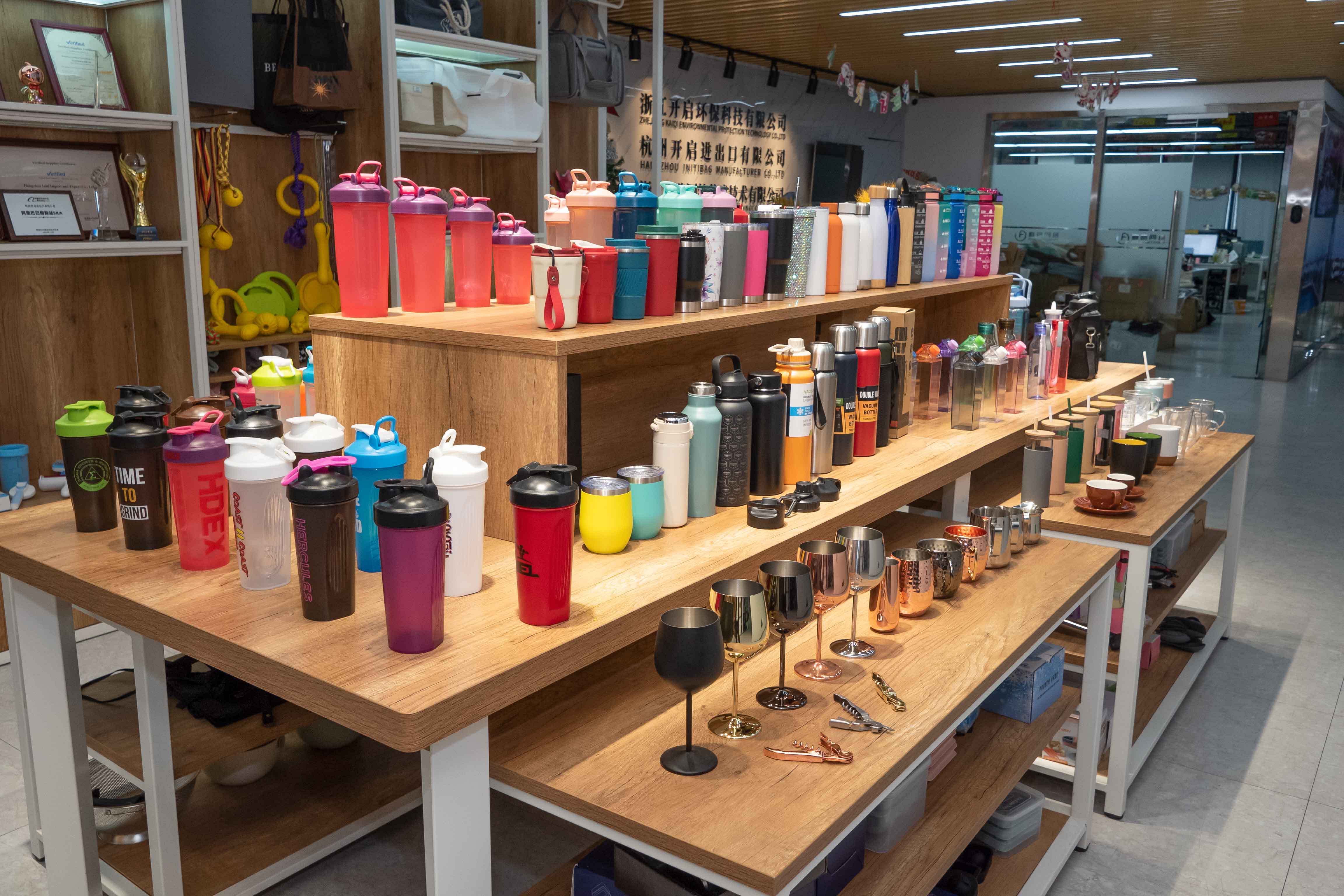
Bamboo fiber bags can sound like an easy sustainability win, but the label alone does not prove what a bag is made from or how it performs. The honest answer is conditional: some bags use bamboo-derived fiber, while others use different materials or blends, and processing choices matter. If a campaign pairs a bag with a shaker bottle, the same scrutiny should apply to both items: check composition, use, and sourcing rather than relying on a green-sounding name.
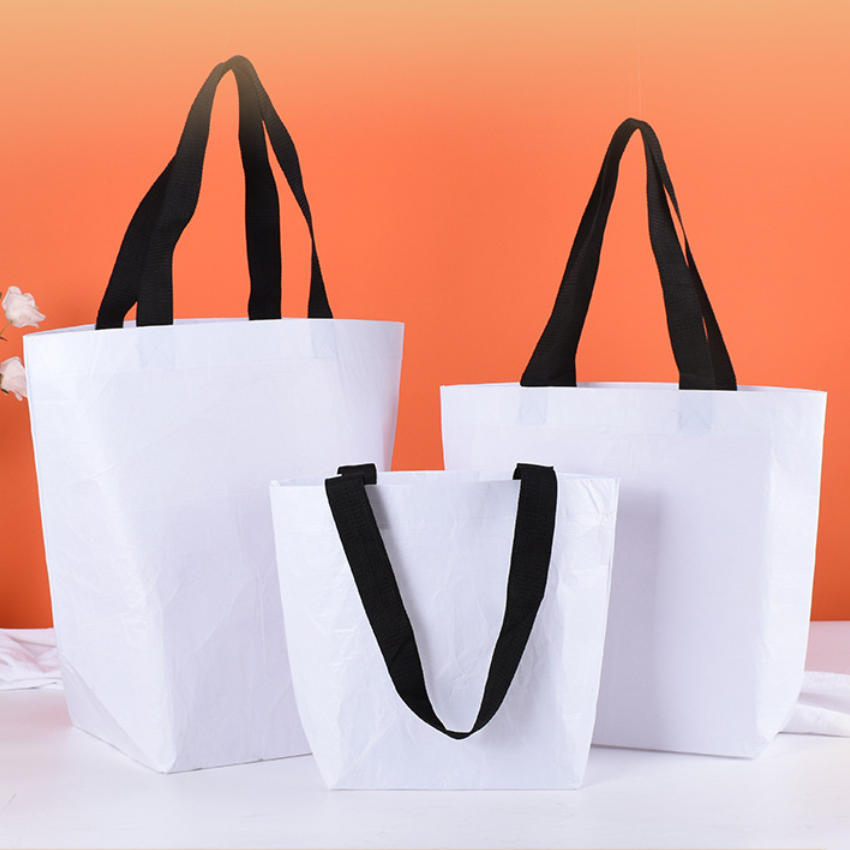
For procurement teams, the useful question is not whether bamboo is automatically better than a shaker bottle, but whether the specific bag has clear material information and suits its intended life. A shaker bottle and a tote serve different functions, yet both can become disposable giveaways if recipients do not use them. This guide separates material facts from marketing shorthand and shows how to judge the claims before adding bamboo fiber bags to a branded merchandise program.
What Bamboo Fiber Bags Actually Contain
Fiber names do not tell the full story
The phrase bamboo fiber may refer to material produced through different processes. Some textiles are made by mechanically processing bamboo into fibers; other bamboo-derived fabrics use regenerated cellulose, with chemical processing involved. A product description that says only bamboo may not establish which route was used, what percentage of the bag is bamboo-derived, or whether other fibers and coatings are present. Ask for the composition rather than assuming every bamboo fiber bag has identical origins.
This distinction matters when a buyer evaluates a shaker bottle campaign alongside bags. A shaker bottle may be made from a separate material, so it cannot substantiate a tote’s environmental claim. Request a specification that identifies the fiber content, lining, handles, and any surface treatment. Clear details make it easier to compare the bag with a shaker bottle or another giveaway on function and materials, without treating a plant-based word as proof of lower impact.
Processing and finishing shape the claim
Bamboo grows as a plant, but that fact alone does not describe the finished textile’s footprint. Turning raw material into a fabric can involve energy, water, chemicals, dyes, and finishing steps. A responsible assessment of bamboo fiber bags therefore looks beyond the source plant. Buyers should ask what information is available about processing and whether the supplier can support specific statements made in a product description or campaign brief.
This is the same evidence-first approach used when selecting a shaker bottle for a workplace program. Confirm the actual material and care requirements instead of inferring them from a product name. For a bag, check whether the handles and body share the stated composition, and whether printed branding changes care or disposal options. When a shaker bottle is presented as a companion item, assess its own specifications independently, then communicate each product’s attributes accurately.
How to Judge the Real-World Value
Match construction to the intended job
A bag’s value depends on whether it can handle the expected contents and frequency of use. Review dimensions, seam construction, handle attachment, fabric weight, and any stated load guidance. A light event tote may be appropriate for brochures, while repeated transport of heavier items calls for stronger construction. For bamboo fiber bags, ask for a sample or documented specifications if the bag’s role is important to the program.
Consider the complete use case, not just the launch event. A recipient might carry a shaker bottle, lunch, or work materials in a tote, but that possibility does not establish a bag’s capacity. Check fit and comfort with representative items before ordering. If the campaign includes a shaker bottle, confirm that the bag accommodates it without stressing the handles or seams. Practical testing can reveal mismatches that a material claim or attractive mock-up cannot.
Measure usefulness, care, and end of life
Reusable products deliver value when people keep using them. Ask whether the bag is easy to clean, comfortable to carry, and durable enough for its expected setting. Clear care guidance helps prevent avoidable damage, while realistic messaging can encourage continued use. A shaker bottle may be reused regularly, but pairing it with an unwanted bag does not make the whole package useful; assess each item against recipient needs.
End-of-life claims also deserve careful wording. A bamboo-derived fiber does not automatically mean a finished bag is compostable or readily recyclable, especially if it includes blends, coatings, stitching, or printed decoration. Request disposal guidance that reflects the actual construction and local facilities, rather than making broad promises. Apply comparable caution to a shaker bottle: its material and local collection options determine what happens after use, not the campaign’s sustainability theme.
When Bamboo Fiber Bags Make Sense
Choose them when evidence and purpose align
Bamboo fiber bags can be a reasonable option when their verified composition, construction, and intended use fit the brief. They may suit a campaign seeking a particular textile feel or design, provided claims are specific and supported. Compare the bag with alternatives using the same criteria: useful life, material disclosure, production information, and recipient relevance. A shaker bottle can be part of the same program, but it should have a separate evaluation rather than borrowing the bag’s claims.
Before approving an order, turn broad sustainability language into questions the supplier can answer. What percentage of the bag is bamboo-derived? How is the fiber produced? What are the remaining components, and what care or disposal advice applies? If the response is limited to a slogan, describe the product more cautiously or seek better documentation. This approach protects trust whether the order includes bamboo fiber bags, a shaker bottle, or both.
Use careful language in procurement and promotion
Internal product records should preserve the verified details that support public copy. Avoid calling a bag eco-friendly, biodegradable, or compostable unless the claim is substantiated for the complete item and relevant conditions. More precise language, such as a stated fiber blend, tells buyers and recipients what they are receiving. Apply the same discipline to a shaker bottle, separating confirmed material details from assumptions about reuse or environmental benefit.
A balanced decision also considers quantity and distribution. Ordering fewer, better-matched items can be more sensible than distributing products that recipients will not keep. Estimate audience needs, select a useful format, and check production specifications before committing. A shaker bottle may be appropriate for some audiences, while a tote may fit others; the presence of bamboo fiber should not override the practical fit. Credible value comes from transparent claims and products people can actually use.
FAQ
Are bamboo fiber bags always made from natural bamboo fiber?
No. The wording can describe different processes or blends, so request the full composition and production details. A shaker bottle included in the same order has separate material information and should not be treated as evidence about the bag.
Does bamboo content make a bag biodegradable?
Not by itself. Blends, coatings, dyes, stitching, and local disposal conditions affect what happens at end of life. Ask for item-specific evidence before making a disposal claim, just as you would for a shaker bottle.
How should buyers compare a bamboo tote with other giveaways?
Compare verified materials, construction, likely frequency of use, care needs, and fit for recipients. A shaker bottle may serve a different purpose, so judge it separately. Choose bamboo fiber bags only when the documented product and intended use support the claims you plan to make.