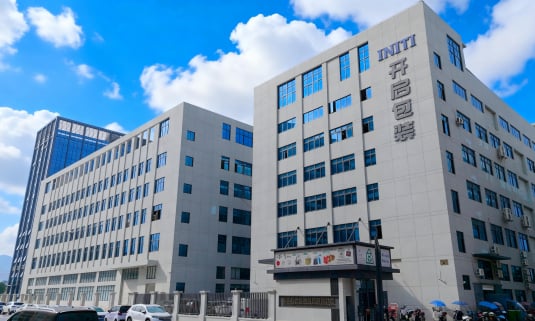
Kad biraju torbu, većina ljudi odmah se usredotoči na vidljive osobine: vanjsku tkaninu, boju, oblik, logotip i cjelokupni dizajn. Za brendove u razvoju običaj u slučaju vrećica, ovi elementi su svakako važni jer definišu prvi dojam proizvoda.
Međutim, jedna skrivena komponenta često određuje stvarnu kvalitetu vrećice obloga .
Uložak za vrećice je unutarnji sloj tkanine ili materijala koji se koristi unutar vrećice. Iako ga kupci možda ne vide uvijek kad kupuju neki proizvod, oni s njim komuniciraju svaki put kad otvore vrećicu, organiziraju svoje stvari ili očiste unutrašnjost. Dobro odabrana obloga može poboljšati trajnost, poboljšati upotrebljivost i učiniti torbu premiumnom.
Za tvrtke koje naručuju torbe po narudžbi, odabir pravog materijala za obloge nije samo proizvodni detalj. To je važna odluka o proizvodu koja utječe na zadovoljstvo kupaca, percepciju brenda i dugoročnu učinkovitost proizvoda.
Na primjer, platno torba za tortu bez obloge može biti lagan i pristupačan, ali dodavanje odgovarajućeg poliestra ili pamuka može poboljšati njegovu strukturu i stvoriti bolji osjećaj kvalitete. Isto tako, kozmetika s glatkom, lako čistim oblogom pruža mnogo bolje korisničko iskustvo od one napravljene od niskog kvaliteta unutarnjeg tkanine.
Bilo da razvijate prilagođene torbe za torbe, kozmetike, torbe za ručak, ranac ili promocijske torbe, razumijevanje različitih materijala za obloge za torbe može vam pomoći da kreirate proizvode koji bolje odgovaraju vašem ciljnom tržištu.
U ovom vodiču objašnjavamo:
- Što je vrećica obloga
- Zašto je obloga za vreće važna?
- Česti tipovi materijala za obloge za vrećice
- Kako odabrati pravu obloge za različite vrste vrećica
- Što bi brendovi trebali uzeti u obzir prilikom prilagođavanja obloga za vreće
Što je to?

Uložak za vrećice odnosi se na unutarnji sloj tkanine ili materijala koji prekriva unutarnju stranu vrećice.
Uobičajeno se veže za unutarnje zidove vrećice i može također pokriti:
- Sljedeći članci:
- S druge strane
- Složeni
- S druge vrste
Glavna svrha obloge je stvaranje čistije, jače i funkcionalnije unutarnje strukture.
Vreća je obično napravljena od nekoliko slojeva:
Spoljni materijal
U skladu s člankom 3. stavkom 1. točkom (a) ovog Pravilnika, "specifična oznaka" znači oznaka ili oznaka ili oznaka koja se koristi za označavanje proizvoda ili proizvoda.
U slučaju da je to potrebno, za svaki proizvod koji je pod uvjetom da se upotrijebi, mora se upotrijebiti sljedeći sustav:
Podržavajući sloj koji se koristi za zaštitu, izolaciju ili strukturu.
Materijal za obložbu
Unutrašnja tkanina koja stvara gotovu unutarnju površinu.
Svaki sloj ima različitu ulogu. Vanjski materijal određuje izgled i osnovnu zaštitu, dok obloga poboljšava unutarnje iskustvo i cjelokupnu kvalitetu konstrukcije.
Primjerice:
U zakupu za prtljagu od platna može se koristiti:
- Vanjski dio platna za izdržljivost i izgled
- Uređaj za proizvodnju električnih goriva
- Poliesterska obloga za glatko i čisto unutrašnje
U naručjeni torbici za ručak može se koristiti:
- Poliester ili najlon
- Sloj izolacije
- U skladu s člankom 3. stavkom 1.
Stoga, obloga nije samo dodatni ukrasni sloj. To je bitan dio konstrukcije vrećice.
Ulozi za vrećice i unutarnja tkanina: Postoji li razlika?
Mnogi ljudi koriste izraze "zakonska obloga" i "nutra tkanina" kao zamjenljive, ali postoji mala razlika.
Sljedeći članci: označava svaki materijal koji se koristi unutar vrećice.
Materijal za oblogu torbe "Sredstvo za obradu" znači sustav za obradu sustava za obradu sustava za obradu sustava za obradu sustava za obradu sustava za obradu sustava za obradu sustava za obradu sustava za obradu sustava za obradu sustava za obradu sustava za obradu sustava za obradu sustava za obradu sustava za obradu sustava za obradu sustava za obradu sustava
- Svaka vrsta proizvoda
- Poboljšajte izgled
- Zaštititi strukturu vrećice
- Pružati bolju upotrebljivost
Jednostavna torba od tkanine može imati samo unutarnji sloj, dok strukturirana torba ili premium personalizirana torba obično zahtijeva pravilno dizajniran sustav obloge.
Zašto proizvođači dodaju obloge vrećama?

1. za Za pokrivanje unutarnjih šavova
Tijekom proizvodnje tkanine se režu i sašiju. Bez obloge, kupci mogu vidjeti:
- Odvojeni šavovi
- S druge tkanine
- S druge vrste
- Nejednakost unutarnje konstrukcije
Obloga stvara čistiji izgled i daje proizvodu završeniji izgled.
To je posebno važno za brendove koji prodaju premium ili prilagođene proizvode jer kupci često ocjenjuju kvalitetu na temelju malih detalja.
2. - Što? Za zaštitu vanjskog materijala
Unutra vrećice se stalno trlja.
Iznosovi kao što su:
- Ključevi
- Elektrotehnologija
- Kozmetički proizvodi
- Boce
- Dokumenti
može se više puta trljati na unutrašnju površinu.
U slučaju da se ne koristi odgovarajuća obloga, vanjski materijal može:
- Brže se nosi.
- Gubite oblik
- Razvoj ogrebotina
- S vremenom postaje slabiji.
Trajna obloga stvara dodatnu zaštitnu barijeru između pohranjenih predmeta i vanjske tkanine.
3. Slijedi sljedeće: Kako poboljšati strukturu vrećice
Neki materijali prirodno nemaju krutost.
Primjerice:
Lak torba od platna bez obloge može se srušiti kad je prazna.
Dodavanje obloge može pomoći:
- Održava oblik
- Povećati stabilnost
- Podržajte teže predmete
- Stvori bolji osjećaj ruke
Za brendove koji proizvode torbe po narudžbi, pri odabiru obloge treba uzeti u obzir ne samo izgled, nego i kako se gotov proizvod ponaša tijekom svakodnevne uporabe.
Zašto je obloga za vrećice važna za kvalitetu vrećica?
Mnogi kupci procjenjuju torbu samo na temelju njezina vanjskog izgleda. Međutim, profesionalni kupci znaju da i unutarnja konstrukcija igra jednako važnu ulogu.
Kvalitetan oblog može utjecati na:
- Trajnost
- Funkcionalnost
- Iskustvo kupca
- Percepcija vrijednosti proizvoda
Pogledajmo glavne razloge zašto je obloga za vreće važna.
Uložak u vrećice poboljšava trajnost
Jedna od najvažnijih funkcija obloge je povećanje trajanja vrećice.
Tijekom normalne upotrebe unutrašnjost vrećice podnosi značajan stres. Kupac često stavlja i uklanja predmete, što stvara ponavljajuće trenje na unutarnjoj površini.
Odgovarajući oblog može pomoći:
Smanjite unutarnju iscrpljenost
Glatka obloga smanjuje direktno trenje između pohranjenih predmeta i vanjske tkanine.
Primjerice:
Kozmetiku s poliesterskom oblogom lakše je održavati jer se proizvodi za šminku i dodatci ne dodiruju izravno s vanjskom tkaninom.
Jačanje gradnje
Ulozi koji se koriste za podržavanje područja gdje su više tkanina spojena zajedno, uključujući:
- Sljedeći:
- Donji uglovi
- S druge opreme
- Zupčanici
To su obično točke visokog stresa gdje loša konstrukcija može dovesti do oštećenja.
Održava oblik tijekom vremena
Neke vrećice nakon višekratne upotrebe gube svoj izvorni izgled.
Odgovarajuća obloga pomaže u sprečavanju:
- Spuštanje tkanine
- Prekomjerna bore
- Kolapsa strukture
To je posebno važno za:
- Torbe za nošenje
- Složke za prenosne računare
- Ručne torbe
- Sljedeći članci:
Uređaj za zaštitu od štetnih materijala
Iskustvo kupca ne završava vanjskim izgledom proizvoda.
Svaki put kada otvore vreću, oni komuniciraju s oblogom.
Kvalitetna obloga može osigurati:
Čistiji unutrašnji prostor
Glatki obloge omogućavaju:
- Uklanjanje prašine
- Čisti izlivi
- Organizirajte proizvode
To je posebno važno za:
- Kosmetičke torbe
- Za ručak
- Organizatori putovanja
Bolja organizacija
Mnoge poluge na zamjenu uključuju:
- Sljedeći članci:
- S druge strane, od:
- Odjeljak za skladištenje
Pravo obloženje omogućuje tim strukturama bolje funkcioniranje i stvara organiziranije korisničko iskustvo.
Osjećaj više prestiže
Unutrašnji materijal utječe na to kako kupci doživljavaju kvalitetu proizvoda.
Primjerice:
Torba s grubo neiskrpanim šavovima možda izgleda jeftino čak i ako je vanjsko platno dobre kvalitete.
Sljedeći proizvodi:
- Čisto šivanje
- Glatka obloga
- Dobro dizajnirani odjeljci
obično će se osjećati profesionalnije i vrijednije.
Za brendove, ta razlika može izravno utjecati na recenzije kupaca i ponavljaju kupnje.
Uređivanje torbe povećava vrijednost brenda
Za tvrtke koje prodaju prilagođene proizvode, sama torba predstavlja brend.
Mali detalji mogu utjecati na to kako kupac vidi proizvod.
Pažljivo odabrana obloga može pomoći u komunikaciji:
Premium pozicioniranje
Luksuzni ili visokokvalitetni brendovi često biraju:
- Slastice od štapova
- S druge vrste
- S druge vrste
jer unutarnje iskustvo odgovara sliku brenda.
Praktično pozicioniranje
Za svakodnevne proizvode, brendovi mogu dati prioritet:
- Lagano čišćenje
- Trajnost
- Troškovna učinkovitost
Često se preferiraju materijali kao što su poliester i najlon.
U skladu s člankom 3. stavkom 1.
Brendovi koji se usmjeravaju na potrošače koji su svjesni zaštite okoliša mogu uzeti u obzir:
- S druge plastike
- Uređaji za proizvodnju proizvoda od organskog pamuka
- Ostali održivi materijali
Izbor obloge trebao bi biti u skladu s cjelokupnom strategijom proizvoda.
Objasnjeno što je zajedničko za obloge za vreće
Odabir pravog materijala za obloge za vreće je jedna od najvažnijih odluka kada se prilagođavaju vrećice. Različite tkanine za obloge pružaju različite razine izdržljivosti, mekkosti, otpornosti na vodu, izgleda i troškovne učinkovitosti.
Ne postoji jedan najbolji oblog za svaku vreću. Idealan izbor ovisi o:
- Svrha vrećice
- Prihvaćeni učestalost upotrebe
- Ciljna kupac
- Sljedeći članak
- Proizvodni proračun
Primjerice:
Prodajna torba za prtljagu može dati prednost pristupačnosti i izdržljivosti, što čini poliestersku obloge praktičnim izborom.
Za vrhunsku kozmetiku možda je potrebno mekši i luksuzniji unutarnji dio, što čini mikrovitkom ili štampanom oblogom pogodnijom.
Za vreću za ručak potrebno je potpuno drugačije rješenje jer je vodotvornost i jednostavna čišćenja važnija od mekotosti.
Ispod su najčešći materijali za obloge za vrećice koji se koriste u proizvodnji prilagođenih vrećica.
Poliesterska obloga: Najpopularniji izbor za torbe na zamjenu
Poliester je jedan od najčešće korištenih materijala za obloge u industriji vrećica.
Zbog ravnoteže između troškova, izdržljivosti i svestranosti, poliesterska obloga se obično nalazi u:
- Torbe za nošenje
- Kosmetičke torbe
- Ručne torbe
- Promotivne torbice
- S druge vrste
- Trgovačke torbe
U slučaju marki za prilagođene vrećice, poliesterska obloga često je prva opcija koja se razmatra jer dobro funkcionira za mnoge kategorije proizvoda.
Prednosti poliesterske obloge
1. Ekonomska isplata
Jedna od najvećih prednosti poliesterske obloge je pristupačna cijena.
Za robne marke koje proizvode:
- Većim količinama
- Proizvodi za promociju
- Masovne vrećice
poliester pruža dobru ravnotežu između kvalitete i troškova proizvodnje.
To omogućuje proizvođačima da stvore više gotovog proizvoda bez značajnog povećanja krajnje cijene.
Dobra izdržljivost
Iako je poliester lagan, dobar je otporan na:
- Dnevno trenje
- Rastezanje
- Opća nošenje
Zbog toga je pogodan za vreće koje se često koriste.
Primjerice:
Posebnu torbu za prtljagu može se otvoriti i zatvoriti desetine puta tjedno. Poliesterska obloga pomaže da se unutrašnjost zaštiti i održava čistiji izgled.
Jednostavno održavanje
Poliesterska obloga je popularna jer se relativno lako čisti.
U usporedbi s prirodnim tkaninama, poliester:
- Upiše manje vlage
- Osušava brzo
- Dobro zadržava boju.
To ga čini pogodnim za:
- Kosmetičke torbe
- Sljedeći članak
- Organizatori putovanja
Širok raspon opcija prilagođavanja
Za brendove, prilagodba je važna.
Poliesterska obloga može se prilagoditi:
- Različite boje
- Raznovrsne teksture
- Istisnuti uzorci
- Dizajni loga
Brend može birati:
- Odgovarajući boja obloge za jednostavan izgled
- Kontrastna obloga za jači vizualni učinak
- S druge strane, neovisno o tome jesu li oni u skladu s člankom 73. stavkom 1.
Nedostatak poliesterske obloge
Iako je poliester vrlo praktičan, ima i ograničenja.
Manje premium dodir ruke
U usporedbi s mikrovlaknom ili pamukom, obični poliester možda ne izgleda prirodno.
U slučaju proizvoda visoke klase, brendovi mogu odabrati nadograđene poliesterske tkanine kao što su:
- Poliester pleteni materijal
- Od poliestera
- S druge plastike
Ograničena percepcija održivosti
Tradicionalni poliester je na bazi nafte, što možda ne odgovara brendovima koji su se jako usmjerili na održivost.
Međutim, obloga od recikliranog poliestra (rPET) postaje sve popularnija za proizvode koji su ekološki osviješćeni.
Najlonska obloga: Kada je važno da je jaka i izdržljiva
Nailon je još jedan popularan sintetički oblog, posebno za proizvode koji zahtijevaju jače performanse.
U usporedbi s poliesterom, najlon općenito pruža:
- Izvršavanje zahtjeva za zaštitu od otpada
- Jača otpornost na suze
- Glatka površina
Najlonska obloga se obično koristi u:
Prednosti najlonove obloge
1. za Odlična snaga
Najlon ima jake mehaničke performanse.
Dobro radi kad vrećice doživljavaju:
- Nosivost teških tereta
- Često kretanje
- Za vanjsku uporabu
Primjerice:
Ručak koji svakodnevno koriste studenti ili putnici mora imati obloge koje će izdržati ponavljajući se pritisak.
Glatka tekstura
Mnogi kupci više vole najlon jer se glatko osjeća na ruci.
Površina omogućuje da se predmeti lako klize unutar vrećice, što je čini pogodnim za:
- Elektrotehnologija
- Dokumenti
- Odjeljak za proizvodnju
Laka performansa
Iako je jak, najlon ostaje lagan.
To je važno za proizvode za koje korisnici ne žele dodatnu težinu.
Česti primjeri:
- Futeri za laptopove
- Organizatori putovanja
- Sljedeći članci
Nedostatak najlonove obloge
Viši troškovi
Najlon je obično skuplji od standardnog poliestra.
Za velike reklamne vrećice poliester može biti ekonomičniji.
Manje prirodan izgled
Kao i poliester, najlon ima sintetički izgled, što možda ne odgovara brendovima koji žele prirodni ili ručno izrađeni izgled.
Pamuk: prirodna i ekološka opcija
Plinčanu oblogu često biraju proizvođači koji žele da izgleda prirodno i da im je ugodan dodir.
Posebno je popularan za:
- Torbe od platna
- Lifestyle vrećice
- Proizvodi prijateljski prema okolišu
- S druge vrste
Prednosti pamučne obloge
1. za Prirodni izgled
Pamuk stvara topli i prirodni osjećaj.
Dobro radi s brendovima koji se fokusiraju na:
- Održivost
- Remesljenstvo
- Prirodni materijali
Primjerice:
Pločeva torba u kombinaciji s pamučnom oblogom stvara dosljednu prirodnu sliku proizvoda.
Mekan dodir ruke
Pamuk je udoban i ugodan za dodir.
To može poboljšati ukupno iskustvo korisnika, posebno za proizvode za životni stil.
U skladu s člankom 3. stavkom 1.
Mnogi brendovi koriste pamučnu obloge za podupiranje ekološke marketinške poruke.
U skladu s člankom 3. stavkom 1.
- Izvor pamuka
- Proizvodni postupak
- Proizvodni vijek trajanja
Nedostatak pamučne obloge
Smanjena otpornost na vodu
Pamuk lakše apsorbira vlagu nego sintetički materijali.
Stoga možda nije idealna za:
- Za ručak
- S druge vrste
- Vanjski proizvodi
Potrebno je još održavanja
Od pamučnog materijala:
- Lakše se bore.
- Zahtijevaju pažljivije čišćenje
U slučaju proizvoda za visokofrekventnu uporabu, sintetička obloga može pružiti bolju praktičnost.
Mikrofiber / suedni oblog: vrhunski izbor za unutrašnjost
Mikrofibrska podloga od sueda obično se koristi kada brendovi žele stvoriti vrhunsko iskustvo proizvoda.
Često se nalazi u:
- Lukozne torbice
- Torbice za nakit
- Kozmetika
- Aksesoari Visoke Klase
Prednosti obloge od mikrofibra
1. za Mekan i vrhunski osjećaj
Najveća prednost je tekstura.
Mikrofiberni sued pruža:
- Meki dodir
- Luksuzni izgled
- Ugodno iskustvo unutar kuće
To pomaže povećati percipiranu vrijednost proizvoda.
Zaštita osjetljivih predmeta
Meka površina pomaže zaštititi proizvode od ogrebotina.
Odgovara za:
- Savjetnica
- Sklene
- Kozmetika vrhunske klase
- Elektronički dodaci
3. Slijedi sljedeće: Povećava razlikovanje brenda
Mnogi proizvodi izgledaju slično izvana.
Prilagođena premijska obloga može postati skrivena kvaliteta koja razlikuje brend od konkurencije.
Nedostatak obloge od mikrofibra
Viši troškovi
U usporedbi s poliesterom ili najlonom, mikrovlakno je skuplje.
Stoga se obično bira za:
- Premijske kolekcije
- Ograničene izdanje
- Proizvodi veće vrijednosti
U skladu s člankom 4. stavkom 2.
U skladu s člankom 3. stavkom 2.
- Čist izgled
- Dosljedna Kvaliteta
- Praćeno montiranje
Uređaji za obloge za vrećice

Za neke proizvode najvažnija osobina obloge nije mekakost ili izgled, već vodotvornost.
U skladu s člankom 3. stavkom 1.
- Za ručak
- Hladne torbe
- S druge plastike
- Outdoor Bags
Uobičajene opcije uključuju:
- Sljedeći članak
- Od tkanine od tekstilnih vlakana
- S druge vrste
- Izlačne slojeve od aluminijumske folije
Uređaji za proizvodnju plastike
U izolacijskim vrećama se PEVA široko koristi jer pruža:
- Vodootporna zaštita
- Lagano čišćenje
- Praktičnost u vezi s hranom
Za vreće za ručak unutarnja obloga izuzetno je važna jer korisnici mogu susresti:
- Pića koja su prolila
- Izljevanje hrane
- Kondenzacije
Dobra PEVA obloga omogućuje korisnicima jednostavno obrisati površinu.
Obloga od aluminijumske folije

Uložak aluminijumske folije često se kombinira s izolacijskim materijalima.
Pomaže:
- Odraz topline
- Održavanje temperature
- Zaštititi kvalitetu hrane
Uobičajene primjene:
- Za ručak
- Hladne torbe
- Slastice
Međutim, obloga od aluminijumske folije obično djeluje zajedno s drugim izolacijskim slojevima, a ne samostalno.
Upoređivanje materijala za obloge za torbe: Kako odabrati pravi?

U slučaju da se ne koristi nošenje, ne smije se koristiti nošenje.
- Trajnost
- Troškovi
- Izgled
- Održavanje
- Primjena proizvoda
| Materijal za obložbu |
Trajnost |
Troškovi |
Najbolje primjene |
| Poliester |
Dobro |
Nisko |
S druge vrijednosti, osim onih iz tarifnih brojeva 8402 i 8404 |
| S druge plastike |
Odlično. |
Srednji |
S druge vrste, osim onih iz tarifne kategorije 8403 |
| Sljedeći članci: |
Srednji |
Srednji |
U skladu s člankom 3. stavkom 1. |
| Od: |
Dobro |
Visoko |
S druge vrste |
| Sljedeći članak |
Dobro |
Srednji |
Vrećice za ručak, vrećice za hlađenje |
Odabir prave obloge za različite vrste vrećica
Različite kategorije vrećica imaju različite funkcionalne zahtjeve.
Obloga koja je dobra za torbu za ručak možda nije pogodna za torbu za ručak.
Preporučena obloga:
- Poliester
- Sljedeći članci:
- Poliester pleteni materijal
Važne napomene:
- Dugotrajnost
- Nosivost
- Slika brenda
Za promotivne torbe, poliester je obično najpraktičniji izbor.
Za vrhunske torbe od platna, pamuk ili štampana obloga mogu poboljšati percipiranu vrijednost.
Preporučena obloga:
- Poliester
- S druge plastike
- S druge strane, neovisno o tome jesu li oni u skladu s člankom 73. stavkom 1.
Važni zahtjevi:
- Lagano čišćenje
- Otpornost na mrlje
- Glatka površina
Budući da kozmetika može curiti, čista obloga za brisanje daje korisniku bolje iskustvo.
Preporučena obloga:
- Sljedeći članak
- Obloga od aluminijumske folije
- Vodootporne materijale
Važni zahtjevi:
- Otpornost na curenje
- Lagano čišćenje
- Zaštita od temperature
Za izolirane vrećice za ručak obloga je jedna od najvažnijih funkcionalnih komponenti.
Preporučena obloga:
- S druge plastike
- Poliester
Važni zahtjevi:
- Odolnost na abraziju
- Laka performansa
- Dugotrajno trajanje
Za školske, putničke i poslovne ruksake obično se preferiraju jače sintetičke obloge.
Što bi brendovi trebali uzeti u obzir prilikom prilagođavanja obloga za torbe?
Za brendove prilagođene vrećice, obloga bi trebala biti razmatrana tijekom rane faze dizajna, a ne dodana kao naknadna misao.
Profesionalna torba je kombinacija:
- Vanjski materijal
- Materijal za obložbu
- Hardver
- Šivenje
- Struktura
- Funkcionalnost
Izbor prave obloge pomaže osigurati da konačni proizvod ispunjava očekivanja kupaca i zahtjeve tržišta.
Izbor materijala za obloge na temelju namjene proizvoda
Prvo pitanje ne bi trebalo biti:
koja je najjeftinija obloga?
Umjesto toga, pitajte se:
kakvo iskustvo bi ova torba trebala pružiti?
Različiti proizvodi zahtijevaju različita rješenja.
Primjerice:
Promotivne torbe za torbe
Glavni ciljevi:
- Dostupna proizvodnja
- Dobar izgled
- S druge strane, neovisno o tome jesu li oni u skladu s člankom 73. stavkom 1.
Preporučuje se:
Razmislite o težini i debljini tkanine za obloge
Mnogi kupci se fokusiraju samo na ime materijala za obloge, ali važna je i težina tkanine.
Primjerice:
Dvije vrećice mogu imati poliesternu obloge, ali mogu se osjećati potpuno drugačije ovisno o:
- Debljinu tkanine
- Metoda tkanja
- Površinska obrada
U promidžnim vrećama može se koristiti lagan poliester.
Teža poliesterska obloga može stvoriti više premium osjećaja.
Za brendove, odabir prave specifikacije tkanine pomaže u ravnoteži:
- Kvaliteta proizvoda
- Kontrola troškova
- Postupak pozicioniranja na ciljnom tržištu
Razmislite o boji i identitetu brenda
Obloga je skrivena prilika za brendiranje.
Mnogi brendovi prilagođavaju samo vanjštinu vrećice, ali prilagođena obloga može stvoriti jače iskustvo proizvoda.
Opcije za prilagođavanje obloge uključuju:
Odgovarajući obloge boja
Obloga je iste boje kao i vanjski materijal.
Prednosti:
- Čist izgled
- Profesionalno osjećanje
- Jednostavan stil brenda
Kontrastna obloga boja
Unutrašnjost koristi drugu boju.
Prednosti:
- Stvara vizualni utjecaj
- Dajući proizvod jedinstveniji osjećaj
- Pomaže korisnicima da lakše vide unutar vrećice
S druge vrste
Brendovi mogu dodati:
- Logotipni uzorci
- Grafika brenda
- Ponavljeni dizajn
To se često koristi za:
- Modni pribor
- Prirodni promotivni proizvodi
- Slastice i pribor za njih
Prilagođena obloga može standardnu torbu pretvoriti u prepoznatljiviji brendirani proizvod.
Razmislite o funkcionalnim zahtjevima
Različita tržišta imaju različita očekivanja.
Prije potvrđivanja materijala za obloge, marke bi trebale definirati potrebne funkcije.
Pitanja o kojima treba razmišljati:
Treba li torba vodotopnu zaštitu?
Za:
- Za ručak
- Hladne torbe
- Vanjski proizvodi
voda otporna obloga je važna.
Treba li torba lako čišćenje?
Za:
- Kosmetičke torbe
- S druge vrste
obično se preferira glatka sintetička obloga.
Treba li torba premium osjećaj?
Za:
- Proizvodi luksuzne klase
- Boutique kolekcije
u slučaju da je proizvodna vrijednost u skladu s člankom 3. stavkom 1. točkom (a) ili (b) ovog članka, u skladu s člankom 3. stavkom 2. točkom (a) ovog članka, vrijednost je određena u skladu s člankom 3. točkom (a) ovog članka.
Treba li torba dodatnu izdržljivost?
Za:
- Ručne torbe
- Poslovnim torbama
- Sljedeći članci:
preporučuje se čvršća obloga od najlona ili poliestra.
Kako proizvođači osiguravaju kvalitetu obloge za vreće
Izabrati pravi materijal samo je prvi korak.
Kvalitet konačne vrećice također ovisi o proizvodnim postupcima.
Iskusan proizvođač trebao bi kontrolirati kvalitetu obloge tijekom cijele proizvodnje.
Inspekcija materijala prije proizvodnje
Prije rezanja i šivanja proizvođači trebaju provjeriti:
Kvaliteta tkanine
Uključujući:
- Konzistencija boje
- Debljina
- Stanje površine
- Snaga
Usklađivanje boja
Za narudžbe na zamjenu boja obloge mora biti ista kao i za odobreni uzorak.
To je posebno važno za:
- Proizvodi brenda
- Korporativni darovi
- Kolekcije privatnih marka
Prikaz kvalitete tkanine
U skladu s zahtjevima, proizvođači mogu procijeniti:
- Otpornost na vodu
- Odolnost na abraziju
- Snaga otpora traganju
Precizno sečenje i šivanje
Uložka mora ispravno pristajati na strukturu vrećice.
Neispravno postavljanje obloge može uzrokovati:
- Bore
- Slobodna područja
- Nejednak oblik
- Teško upravljanje zipom
Profesionalna proizvodnja zahtijeva precizno rezanje i pažljivo šivanje.
Važna područja uključuju:
- Sljedeći članak
- Donji uglovi
- S druge konstrukcije
- Stresne točke
Kontrola kvalitete tijekom proizvodnje
U slučaju da je proizvodnja vozila u skladu s člankom 4. stavkom 2. točkom (a) ovog članka, proizvođač mora provjeriti:
Kvalitet šavova
Uložak mora imati:
- Čisti šavovi
- Ne smije biti prekomjerno labavih niti
- Odgovarajuće pojačanje
Opća konstrukcija
Za završetak pakiranja:
- Održava svoj oblik.
- Otvori i zatvori glatko.
- Imajte čist unutarnji izgled
Završna inspekcija
Prije isporuke, provjere kvalitete obično uključuju:
- Inspekcija izgleda
- Testiranje funkcija
- Provjera mjerenja
- Inspekcija ambalaže
Za brendove koji naručuju prilagođene vreće, rad s proizvođačem koji razumije konstrukciju obloge može smanjiti rizike kvalitete.
Opcije održivog obloga vrećica
Održivost je postala sve važnija za mnoge brendove.
Kako kupci više obraćaju pažnju na utjecaj na okoliš, tvrtke traže odgovorniji izbor materijala.
Opcije održivog obloga uključuju:
Uređaji za proizvodnju plastičnih materijala
rPET je napravljen od recikliranih plastičnih materijala.
Prednosti:
- Smanjuje ovisnost o poliesteru
- Podržava ciljeve održivosti
- Održava performanse poliestra
Odgovara za:
- Torbe za nošenje
- Promotivne torbice
- Proizvodi za životni stil
Uređaji za proizvodnju proizvoda od organskog pamuka
Organski pamuk mogu koristiti brendovi koji se fokusiraju na prirodne materijale.
Prednosti:
- Prirodno vlakno
- Meki dodir
- U skladu s člankom 3. stavkom 1.
Uobičajene primjene:
- S druge vrste
- Održive zbirke
Izbor održivosti bez žrtvovanja performansi
U skladu s člankom 3. stavkom 1.
Primjerice:
Vreća za ručak treba vodotvornu učinkovitost.
Putnička torba treba izdržljivost.
Kozmeticna vreca mora biti lako čista.
Najbolji izbor materijala balansira:
- Ciljevi zaštite okoliša
- Funkcija proizvoda
- Očekivanja kupca
Često se javljaju pitanja
Je li obloga vrećice potrebna?
Za torbe koje su prilagođene, dodavanje odgovarajuće obloge pomaže zaštititi vanjski materijal, pokriti unutarnje šavove i stvoriti bolje poliran gotov proizvod. Neophodnost obloge ovisi o vrsti vrećice, ciljnom tržištu i očekivanoj upotrebi.
Koji je najbolji materijal za obloge za vrećice?
Ne postoji najbolji materijal za obloge za sve vrećice. Pravi izbor ovisi o zahtjevima proizvoda.
Koji je materijal za obloge najbolji za kozmetiku?
Za kozmetiku, obloga treba biti jednostavna za čišćenje, otporna na mrlje i zaštita od vlage.
Koja obloga je najbolja za vreće za ručak?
Za vreće za ručak obično su potrebni vodootporni i lako čisti materijali za obloge.
Može li se obloga vrećice prilagoditi?
-Da, to je dobro. Kad naručuju torbe po narudžbi, brendovi mogu prilagoditi materijal obloge, boju, debljinu, teksturu, pa čak i štampane uzorke.
Odluka Komisije
Iako je obloga vrećice skrivena unutar proizvoda, ona igra važnu ulogu u ukupnoj kvaliteti vrećice.
Pažljivo odabrana obloga može poboljšati:
- Trajnost
- Funkcionalnost
- Iskustvo korisnika
- Izgled proizvoda
- Vrijednost brenda
Za tvrtke koje proizvode torbe po narudžbi, obloga treba smatrati bitnim elementom dizajna, a ne jednostavnim detaljem proizvodnje.
Bilo da kreirate osobne torbe za torbe, kozmetike, torbe za ručak, ruksake ili promotivne proizvode, odabir pravog materijala za obloge pomaže u stvaranju boljeg proizvoda koji ispunjava očekivanja kupaca.
Rad s iskusnim proizvođačem torbi za prilagođavanje može pomoći brendovima da odaberu najprikladnije rješenje obloge na temelju zahtjeva proizvoda, ciljnog tržišta i proračuna. Od izbora materijala i prilagođavanja do konačne proizvodnje, INITI radi s kupcima kako bi stvorili torbe koje uravnote
Ako tražite pouzdanog partnera za prilagođene vrećice, kontaktirajte Uvod da razgovaramo o vašim idejama proizvoda i pronađemo pravo rješenje za vašu sljedeću kolekciju.



 Vruće vijesti