

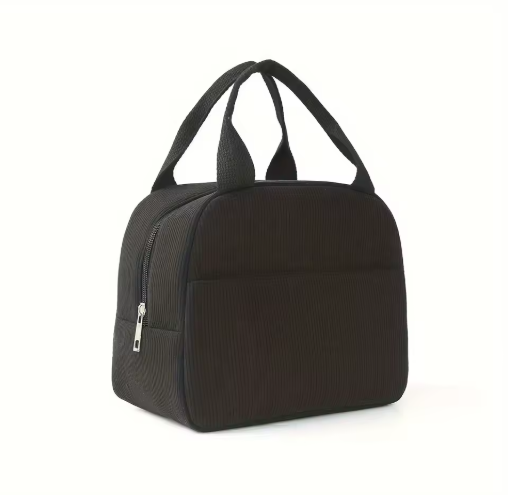
When sourcing a lunch bag for corporate gifts, employee programs, or retail distribution, most procurement teams focus narrowly on unit price and overlook the hidden expenses that accumulate throughout the entire sourcing lifecycle. A lunch bag that appears to cost $5 per unit can easily double in total cost when shipping, compliance testing, customization fees, quality assurance, and supply chain inefficiencies are factored in. Understanding these seven hidden costs transforms how you evaluate lunch bag sourcing decisions and protects your budget from unexpected overruns.
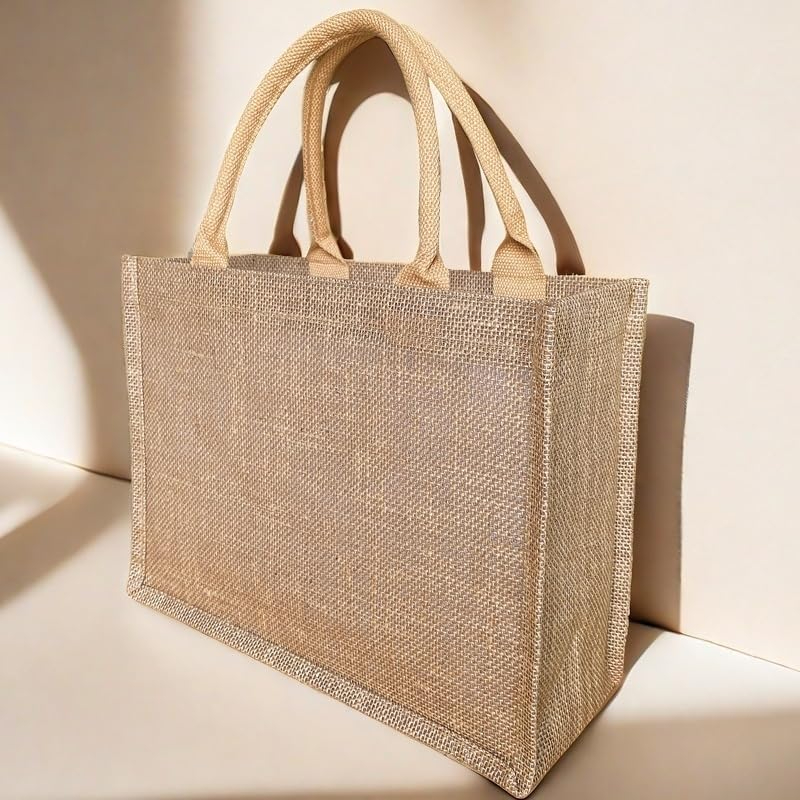
Effective lunch bag sourcing requires visibility into every cost layer beyond the invoice price. Many organizations discover these hidden expenses only after committing to an order, resulting in budget adjustments, project delays, or compromised product quality. This guide walks you through each significant hidden cost category so you can negotiate confidently with suppliers and plan your lunch bag procurement strategy with accuracy.
The True Cost of Minimum Order Quantities and Pricing Tiers
Understanding MOQ Penalties in Lunch Bag Purchasing
Minimum order quantities (MOQs) represent a foundational hidden cost in lunch bag sourcing. A supplier may quote $4 per lunch bag at 5,000 units but demand a 10,000-unit MOQ to access that price. If your actual need is 6,000 units, you face a choice: exceed your requirement significantly or accept a higher per-unit rate such as $5.50 for smaller volumes. The lunch bag supplier uses MOQs to optimize their manufacturing efficiency, but this burden shifts to you through either excess inventory carrying costs or premium pricing penalties.
Beyond the initial MOQ, many suppliers implement tiered pricing structures that penalize smaller order sizes within acceptable ranges. For instance, a lunch bag supplier may offer $4 per unit for orders of 10,000 to 25,000 units, but charge $4.80 per unit for 5,000 to 9,999 units. This 20 percent price differential on every lunch bag can add $8,000 to $16,000 to a mid-sized order. Budget planners must always confirm tiered pricing during negotiations and calculate the total landed cost at your specific volume, not at generic volume points.
Inventory Carrying Costs and Obsolescence Risk
Pushing your order volume above actual demand to satisfy a lunch bag supplier's MOQ creates carrying costs you may not anticipate. Excess lunch bag inventory requires warehouse space, climate control, security, and insurance. For a 5,000-unit order of lunch bags that you only need 3,000 of immediately, the storage footprint becomes a monthly expense. Additionally, if your brand launches a new lunch bag design within 12 months, the surplus inventory risks obsolescence and potential write-off.
Customization, Branding, and Design Modification Fees
Logo Application and Print Setup Costs
A standard lunch bag costs one amount, but a lunch bag with your company logo, custom color matching, or embroidered text costs substantially more. Most suppliers charge separate design setup fees, artwork preparation fees, and tooling costs before the first personalized lunch bag unit rolls off the production line. A lunch bag logo setup may cost $200 to $800 depending on the embroidery complexity, print method, and the supplier's capabilities. This fee is fixed and applies regardless of whether you order 1,000 or 10,000 personalized lunch bags.
Beyond the setup, the lunch bag customization method itself carries variable costs. Screen printing typically adds $0.40 to $1.20 per lunch bag, while embroidery can add $1.50 to $3 per lunch bag depending on stitch count and design intricacy. A lunch bag with both a front logo print and a back embroidered tagline multiplies the per-unit customization cost. Request itemized quotes that separate base lunch bag price from all branding and design charges so you can evaluate the true cost of personalization.
Color Matching and Prototype Approval Cycles
If you require a lunch bag in a specific brand color or material not in the supplier's standard catalog, expect color-matching charges and sample approval rounds. A lunch bag supplier may charge $150 to $400 to match your Pantone color specification and produce a sample lunch bag for your review. If the first lunch bag sample does not match your expectation, a second revision incurs another fee. Multiple approval cycles on a lunch bag design can accumulate $500 to $1,500 in hidden charges before production begins.
Quality Assurance, Testing, and Compliance Certification
Material Testing and Safety Compliance for Lunch Bags
A lunch bag destined for the North American market must meet specific regulatory requirements for materials, dyes, and chemical safety. Third-party testing labs charge $300 to $1,200 to certify that a lunch bag meets FDA food contact standards, California Proposition 65 requirements, and CPSIA lead and phthalate limits. If your lunch bag contains imported components, each material layer may require separate testing. The lunch bag supplier typically passes these testing costs to you, and they are non-recoverable whether the batch passes or fails.
Additionally, some retailers or corporate programs require your lunch bag to carry specific certifications such as Global Organic Textile Standard (GOTS) or Fair Trade compliance. A lunch bag with GOTS certification commands higher material costs from suppliers and requires audited supply chain documentation. A lunch bag that does not meet these certifications becomes unsaleable for your intended channel, representing a complete sunk loss if discovered after production.
Incoming Inspection, Defect Auditing, and Rework
Professional procurement processes include incoming quality inspections where a sample of your lunch bag shipment is tested for defects, stitching integrity, zipper function, and finish quality. If a lunch bag fails inspection, you face two costly paths: return the defective batch to the supplier for rework or replacement (adding logistics delays and costs), or authorize a third-party rework facility to correct the lunch bag defects locally. Rework costs on a lunch bag typically range from $0.50 to $2 per unit depending on the defect severity. A 2 percent defect rate on a 10,000-unit lunch bag order means 200 units requiring rework at an unexpected cost.
Logistics, Shipping, and Supply Chain Management Overhead
International Shipping and Duty Costs for Imported Lunch Bags
Most competitively priced lunch bags are manufactured overseas, and international ocean freight is a major hidden cost in sourcing. A 40-foot container holding 8,000 to 10,000 lunch bags may cost $2,500 to $5,000 to ship from Asia to North America depending on port congestion, fuel surcharges, and seasonal demand. Divided across the units, this adds $0.25 to $0.65 per lunch bag. Add import duties, which typically range from 12 to 18 percent of the declared product value for textile lunch bags, and your total freight-plus-duty cost climbs to $0.40 to $1.20 per unit.
Expedited shipping compounds these costs dramatically. If a lunch bag order falls behind schedule and you need air freight instead of ocean freight, costs multiply five to ten times. A lunch bag that cost $0.50 to ship by sea costs $2.50 to $5 to expedite by air. The longer your supply chain lead time, the greater the risk of schedule pressure and the likelihood of absorbing expensive expedite charges.
Landed Cost Calculations and Tariff Complexity
Hidden in lunch bag sourcing is the complexity of tariff classification and duty calculations. A lunch bag manufactured in Vietnam may enter the United States under different tariff codes depending on its material composition and size. If a lunch bag is misclassified at import, Customs may assess back duties or hold your shipment pending reclassification. This disrupts production schedules and creates administrative costs. Additionally, trade agreements and preferential tariff programs (such as USMCA for certain lunch bags made in Mexico) can lower or eliminate duties, but only if proper documentation and supplier certifications are in place beforehand.
Supplier Relationship and Contract Flexibility Costs
Payment Terms and Working Capital Impact
A lunch bag supplier may quote attractive unit pricing but demand payment 30 days before shipment or upon shipment rather than net 30 days after. This working capital requirement ties up cash that you could use elsewhere in your business. If you source lunch bags for a seasonal promotion with sales revenue arriving months later, financing the inventory gap creates opportunity costs equivalent to your internal cost of capital. A $50,000 lunch bag purchase on 30-day advance payment versus net 60 can represent $1,000 to $3,000 in financial carrying costs depending on your financing options.
Some lunch bag suppliers offer volume discounts but require prepayment or deposit structures that penalize order cancellations or modifications. If your business priorities shift and you need to adjust a lunch bag order mid-production, the supplier may retain 30 to 50 percent of the deposit as a cancellation penalty. Clarifying supplier terms on changes and deposits prevents these hidden financial penalties.
Supply Chain Disruption and Risk Mitigation Premiums
Sourcing a lunch bag from a single supplier concentrates risk. If that supplier experiences production delays, quality failures, or business closure, your lunch bag order is at risk. Diversifying lunch bag sourcing across two or more suppliers reduces this concentration risk but increases total administrative costs, per-unit pricing (because second suppliers offer less favorable terms), and the complexity of coordinating design consistency. Managing multiple lunch bag suppliers typically adds 5 to 10 percent to total procurement overhead.
FAQ
What is the most common hidden cost when sourcing a lunch bag?
The most common hidden cost in lunch bag sourcing is the cumulative impact of minimum order quantities paired with tiered pricing structures. Buyers often focus on the base unit price but fail to account for the volume penalty or the carrying cost of excess lunch bag inventory. A lunch bag that appears to cost $4 per unit at the target volume can effectively cost $5.50 or more when MOQ penalties and holding costs are included, representing a 37 percent cost overrun that is discovered too late to adjust procurement strategy.
How can I reduce customization costs on a lunch bag order?
To reduce customization costs on your lunch bag, standardize design specifications early and minimize approval revision cycles. Request that your lunch bag supplier provide a single production sample for approval rather than multiple rounds, and confirm all design specifications in writing before approving that sample. Additionally, choose simpler customization methods when possible; for example, a single-color front logo print on a lunch bag costs less than embroidery or multi-color designs. Consolidating all lunch bag design changes into one approval window rather than spreading them across multiple supplier interactions also reduces administrative fees.
Why do lunch bag suppliers charge different prices for different order volumes?
Lunch bag suppliers use tiered pricing based on their manufacturing economics and setup efficiency. A lunch bag produced in small quantities requires the supplier to amortize tooling, setup, and labor costs across fewer units, raising the per-unit cost. Larger lunch bag orders allow the supplier to spread these fixed costs across more units and operate at higher production throughput, lowering the per-unit cost. This is a legitimate economic reality, but understanding it helps you negotiate more effectively, explore volume consolidation with other business units, or consider alternative lunch bag designs that simplify supplier setup and reduce your tiered pricing penalty.