


In industrial bag manufacturing, quality control is not optional—it is fundamental to customer satisfaction and regulatory compliance. The AQL 2.5 standard represents a widely accepted acceptance quality level that manufacturers use to ensure that every cooler bag meets minimum performance and durability criteria before shipment. Understanding how AQL 2.5 applies to cooler bag production helps buyers make informed procurement decisions and ensures they receive products that perform reliably in real-world applications.
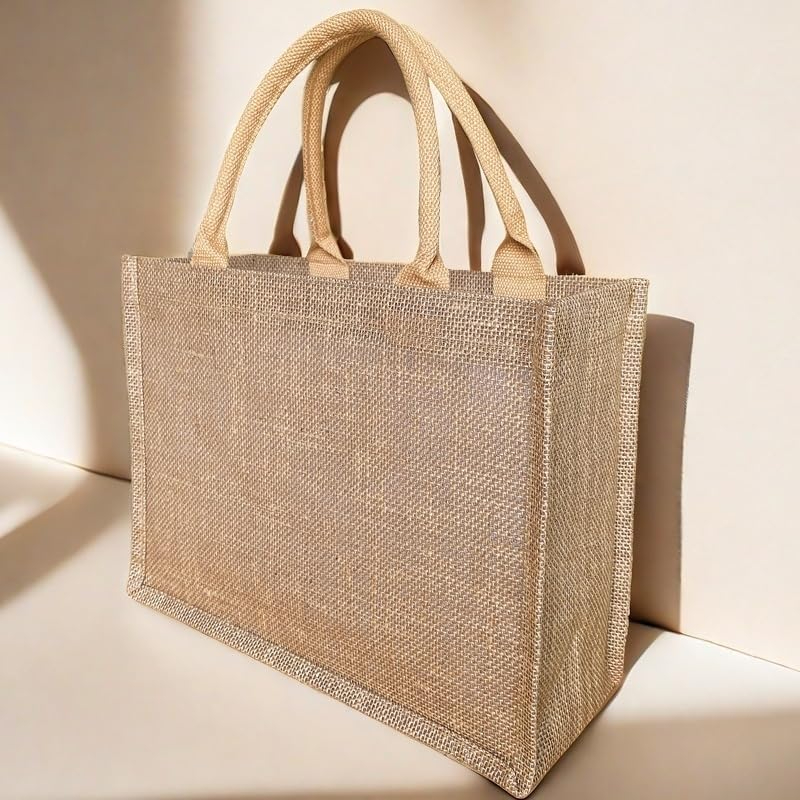
AQL, or Acceptance Quality Level, is a statistical sampling method used to determine whether a batch of products meets predetermined quality standards. For a cooler bag manufacturer, AQL 2.5 means that in every sample of bags tested, no more than 2.5% of items are allowed to show defects. This standard strikes a balance between practical production realities and customer expectations, ensuring quality without creating impossible manufacturing demands.
What AQL 2.5 Means for Cooler Bag Production
Understanding the Statistical Foundation
AQL 2.5 is rooted in statistical quality control and sampling theory. Rather than inspecting every single cooler bag in a production run—which would be economically impractical for large batches—manufacturers test a representative sample. If the defect rate in that sample falls within acceptable limits, the entire batch is approved for shipment. This approach reduces inspection costs while maintaining consistent cooler bag quality across all units produced.
The 2.5% threshold for a cooler bag at AQL level means that if a manufacturer produces 1,000 units, inspectors accept the batch if the sample shows no more than 25 defective cooler bag items. This calibration reflects industry consensus on what constitutes acceptable risk for most commercial applications. Different industries and product categories may use different AQL levels, but AQL 2.5 remains common for consumer and industrial cooler bag categories where moderate defect tolerance is appropriate.
Sample Size and Testing Protocols
The actual sample size used to evaluate a cooler bag batch depends on the total batch size and the severity level selected for inspection. For standard inspection of a cooler bag production run, a manufacturer might test 50 to 200 units from a batch of 5,000 to 50,000 cooler bag items. Inspectors examine each sampled cooler bag for visible defects, structural integrity, stitching quality, material consistency, and functional performance according to predefined specifications.
Testing a cooler bag under AQL 2.5 protocols includes checking zipper function, seam strength, insulation thickness where applicable, handle attachment durability, and material surface quality. The cooler bag inspection checklist ensures that defects are categorized as critical, major, or minor. Critical defects make a cooler bag unsuitable for use; major defects significantly reduce utility or longevity; minor defects are visible but do not substantially impact performance. The AQL 2.5 threshold applies primarily to combined major and critical defects in each cooler bag sample.
Why AQL 2.5 Benefits Cooler Bag Buyers and Manufacturers
Cost-Effectiveness Without Compromising Quality
Implementing AQL 2.5 for cooler bag production reduces inspection labor and testing time compared to 100% inspection protocols. This efficiency allows manufacturers to maintain competitive pricing on cooler bag products while still delivering consistently acceptable quality. Buyers benefit because they receive cooler bag shipments that have been systematically validated without absorbing the full cost of exhaustive item-by-item inspection.
The cooler bag producer gains predictability and scalability through AQL 2.5 standards. Once processes are calibrated to meet the 2.5% defect threshold, quality assurance becomes routine and data-driven rather than subjective. Manufacturers can scale cooler bag production without exponentially increasing inspection overhead, making the cooler bag product line more profitable while maintaining acceptable customer satisfaction levels.
Risk Mitigation and Liability Protection
For buyers purchasing bulk cooler bag inventory, AQL 2.5 provides documented assurance that the shipment meets recognizable industry standards. This protection reduces the risk of receiving a large order of cooler bag items with unacceptable defect rates. When disputes arise regarding cooler bag quality, the AQL 2.5 certificate serves as objective evidence that the manufacturer followed established protocols and met contractual obligations.
Manufacturers who consistently apply AQL 2.5 to cooler bag batches build reputation and customer loyalty. Buyers know that every cooler bag batch arrives with tested quality behind it. This transparency supports long-term business relationships and reduces returns, complaints, and warranty claims related to cooler bag defects. For industrial procurement teams, AQL 2.5 certification on cooler bag orders becomes a standard contractual requirement that simplifies supplier evaluation.
Implementing AQL 2.5 Standards in Cooler Bag Facilities
Setting Up Quality Infrastructure
A cooler bag manufacturer implementing AQL 2.5 must first establish clear specification documents that define what constitutes a defect for each cooler bag model. These specifications include dimensional tolerances, material grade requirements, color consistency limits, and functional thresholds. Training quality control personnel to consistently apply these specifications across all cooler bag inspection batches is essential to reliable AQL 2.5 implementation.
Calibrated measuring tools, lighting systems, and inspection workstations ensure that cooler bag quality assessments are accurate and reproducible. Personnel must understand how to conduct pull tests on cooler bag handles, check zipper alignment, assess insulation padding density where applicable, and verify that stitching patterns meet strength standards. Regular calibration audits confirm that cooler bag testing equipment remains within acceptable tolerance ranges and that inspection results remain valid and defensible.
Documentation and Continuous Improvement
Every cooler bag batch that passes AQL 2.5 inspection should be documented with the date, sample size, defects found, pass or fail decision, and inspector identity. This documentation creates an audit trail that demonstrates consistent application of standards and allows manufacturers to track whether cooler bag quality is improving, stable, or degrading over time. Trend analysis of cooler bag defect data helps production teams identify process bottlenecks and implement targeted improvements.
Manufacturers that treat AQL 2.5 as a continuous improvement tool rather than a mere compliance box gain competitive advantage in the cooler bag market. By analyzing which defect types appear most frequently in cooler bag samples, production teams can adjust processes, retrain workers, or upgrade equipment to reduce those specific defects. Over time, cooler bag batches may begin passing inspection with zero defects, exceeding the 2.5% threshold and signaling operational excellence to buyers.
FAQ
What is the difference between AQL 2.5 and other AQL levels for cooler bag quality?
AQL levels range from 0.65 to 10 percent, with lower numbers indicating stricter quality requirements. AQL 2.5 falls in the moderate range and is appropriate for most consumer cooler bag applications. Aerospace or medical cooler bag components might require AQL 0.65 or 1.0, while non-critical items might tolerate AQL 4.0 or higher. The chosen AQL for cooler bag production should reflect the product's criticality, price point, and customer expectations.
Does AQL 2.5 guarantee that no defective cooler bags will ship?
No. AQL 2.5 is a statistical standard that allows up to 2.5% of sampled cooler bag units to have defects. This means some defective cooler bags may still reach customers, though the probability is minimized. The standard reduces but does not eliminate defect risk. Buyers seeking zero-defect cooler bag inventory must request 100% inspection, which increases cost and lead time.
How is AQL 2.5 verified when purchasing cooler bags internationally?
Reputable cooler bag manufacturers provide AQL 2.5 inspection certificates issued by third-party quality auditors or their own certified quality departments. Buyers can request these certificates as part of purchase order terms. Third-party inspection agencies in manufacturing regions conduct independent cooler bag sampling and testing, then issue certificates that are recognized internationally. Inclusion of 'AQL 2.5 inspection required' in cooler bag purchase agreements ensures compliance and provides legal protection for both parties.