


Direct-to-consumer (DTC) meal-kit delivery has changed how consumers access fresh ingredients, pre-portioned recipes, and ready-to-cook meals. However, maintaining product quality between the fulfillment center and the customer's doorstep remains a major operational challenge. Temperature fluctuations, transportation delays, and improper packaging can compromise freshness, increase food waste, and damage customer trust. For meal-kit businesses, choosing the right cooler bags is therefore essential to protecting perishable products and delivering a consistent customer experience.
Packaging decisions also influence how customers perceive a DTC brand. A well-insulated cooler bag protects ingredients during transit, while thoughtful details such as organized compartments, reusable materials, and custom printing create a more professional unboxing experience. Some meal-kit companies also include branded accessories, such as a shaker bottle, to complement their food and beverage offerings. When designed as part of a coordinated packaging strategy, cooler bags and shaker bottles can help businesses create a consistent brand identity while providing customers with practical products they can continue using after delivery.
For meal-kit manufacturers, distributors, and DTC operators, the objective is to balance thermal performance, shipping costs, sustainability, and brand presentation. Understanding these factors helps businesses select cooler bags that support food safety requirements while strengthening customer relationships.
Core Design Features of Cooler Bags for Meal-Kit Delivery
Insulation Materials and Thermal Performance
Insulation is the foundation of an effective meal-kit cooler bag. Unlike ordinary shopping bags, insulated delivery bags must limit heat transfer and help maintain suitable temperatures throughout transportation. Their performance depends on insulation thickness, material conductivity, seam construction, zipper quality, and the effectiveness of the closure system.
Common insulation materials include polyethylene foam, closed-cell foam, expanded polystyrene (EPS) used in suitable packaging formats, and reflective barrier materials. Some premium solutions also incorporate specialized high-performance insulation. Each option offers a different balance of thermal resistance, weight, flexibility, durability, and cost. Reflective layers can help reduce radiant heat transfer when incorporated into an appropriately designed insulation system, while well-sealed closures reduce the movement of warm air into the bag.
For DTC meal-kit businesses, material selection should reflect the actual delivery environment rather than insulation specifications alone. A bag used for short urban deliveries may require a different construction from one designed for overnight shipping or distribution across regions with extreme summer temperatures. Testing should evaluate the complete packaging system, including the cooler bag, food containers, refrigerants, and expected transit conditions.
A shaker bottle may also be included in meal-kit packages that feature smoothies, protein drinks, or other beverage-related products. Although it does not replace insulated packaging, a reusable shaker bottle can complement the meal-kit experience and provide additional everyday value. Businesses should consider its size, leak-resistant construction, and placement when designing the overall package so that it does not interfere with insulation performance or damage food containers during transit.
Compartmentalization and Product Organization
The internal layout of a cooler bag affects both thermal efficiency and product protection. Meal kits often contain ingredients with different storage requirements, including meat, seafood, dairy products, vegetables, sauces, and prepared components. A practical design keeps items organized, limits movement during transportation, and allows cold packs to be positioned where they can work effectively.
Removable dividers, reinforced pockets, and separate storage sections can help prevent containers from shifting or leaking. However, compartmentalization should not be treated as a substitute for appropriate temperature control. Raw proteins and other temperature-sensitive ingredients must remain within their required storage conditions, and separation should support safe handling rather than create the impression that different foods can automatically be stored at different temperatures inside one bag.
DTC operators should also consider the dimensions of their most common meal-kit formats. Oversized bags may increase unused air space and shipping costs, while undersized bags can place pressure on containers and reduce the space available for refrigerants. A well-fitted design improves packing efficiency and makes fulfillment operations easier to standardize.
If a branded shaker bottle is part of the order, the packaging layout should provide a secure position for it without compromising the cold storage area. A dedicated accessory pocket or separate protective sleeve can help prevent movement, especially when the bottle contains a mixing mechanism or other detachable components. This approach allows businesses to combine food delivery and branded merchandise without sacrificing the practical requirements of either product.
Temperature Control and Cold Chain Maintenance
Ice Pack Integration and Cooling Duration
Even a high-quality cooler bag cannot maintain safe temperatures indefinitely without an appropriate cooling strategy. Ice packs, gel packs, and phase-change materials help absorb heat entering the package and maintain the required conditions for perishable ingredients. Their effectiveness depends on pack quantity, temperature, placement, product mass, insulation performance, and external conditions.
Meal-kit businesses should calculate cooling requirements based on the full shipping configuration. This includes the initial temperature of the ingredients, the expected duration of transit, seasonal weather, possible delivery delays, and the temperature range required for each food category. Placing refrigerants near temperature-sensitive products can improve cooling distribution, but the final arrangement must be validated through testing.
Gel-based refrigerants are often useful because they can be sealed to reduce leakage and selected for different operating temperature ranges. Reusable phase-change materials may provide more controlled thermal performance when their transition temperatures are appropriate for the application. Nevertheless, no refrigerant automatically guarantees a particular holding time. Claims such as 24- or 48-hour temperature retention should be supported by tests using the actual packaging configuration and representative shipping conditions.
Packaging design also affects the delivery cost. Additional ice packs may improve thermal protection but increase parcel weight and shipping expenses. The most effective solution balances cooling capacity with insulation performance and the delivery service level. Businesses should validate the system under challenging conditions rather than relying exclusively on laboratory ratings or supplier estimates.
For DTC brands that bundle food products with a shaker bottle or other promotional merchandise, cooling calculations should account for the complete package. The bottle should not displace essential refrigerants or create gaps that reduce packing efficiency. Separating ambient-temperature accessories from refrigerated ingredients can help maintain a more predictable packing process.
Temperature Monitoring and Quality Control
Temperature monitoring gives meal-kit operators greater visibility into cold-chain performance. Data loggers can record temperature changes during transportation, helping businesses identify recurring problems such as excessive exposure to heat, delayed deliveries, and inconsistent packing procedures. These records can support supplier evaluation, packaging improvements, and investigations into customer complaints.
Passive indicators, including temperature-sensitive labels, provide a relatively simple way to identify certain temperature excursions. Electronic loggers offer more detailed records, while connected sensors may transmit alerts when conditions move outside configured limits. The appropriate choice depends on shipment value, delivery distance, food safety requirements, and the level of monitoring needed.
For many DTC businesses, monitoring should be introduced through a risk-based approach. High-value shipments, longer delivery routes, and products with tighter temperature requirements may justify more extensive tracking. Routine shipments may rely on validated packaging designs, standardized packing instructions, and periodic temperature testing.
A shaker bottle included in a meal-kit package can also reinforce the brand's emphasis on practical product design, but it should remain separate from food safety claims unless its specific materials and intended use support those claims. The most credible customer experience comes from combining reliable packaging with transparent handling procedures and clear product information.
Sustainable and Brand-Aligned Cooler Bag Solutions
Reusable Materials and Environmental Considerations
Sustainability is becoming an important purchasing consideration for meal-kit businesses and their customers. Single-use insulated packaging can generate substantial waste, particularly for subscription services that ship meals repeatedly. Reusable cooler bags offer an alternative when their construction, return logistics, cleaning procedures, and reuse rates make environmental and financial sense.
Potential materials include recycled polyester fabrics, durable woven textiles, reusable insulation layers, and recyclable components where suitable collection systems exist. Some packaging manufacturers also explore bio-based or alternative insulation materials. However, a material's environmental profile should be assessed alongside its durability, moisture resistance, thermal performance, end-of-life options, and manufacturing requirements. A product described as recyclable or biodegradable may not deliver the intended benefit if suitable disposal facilities are unavailable.
Reusable programs require careful planning. Businesses must consider reverse logistics, cleaning costs, inspection procedures, and the percentage of bags returned in reusable condition. In some delivery models, a durable bag used repeatedly can reduce packaging costs over time. In others, the transport and cleaning required to recover the bag may offset some of the benefits. A life-cycle assessment and realistic reuse assumptions provide a stronger basis for purchasing decisions than sustainability claims alone.
Branded shaker bottles can complement a reusable packaging strategy because customers may continue using them for smoothies, protein drinks, or everyday hydration. When both items are designed for repeated use, a meal-kit business can create a coordinated set of practical branded products. Still, their environmental benefits depend on actual use, product lifespan, material composition, and disposal practices rather than reusability claims alone.
Custom Branding and the Customer Unboxing Experience
For DTC meal-kit companies, packaging is more than a protective layer. It is often the first physical interaction customers have with the brand after placing an online order. A clean, well-organized cooler bag can communicate quality before the customer even begins preparing a meal.
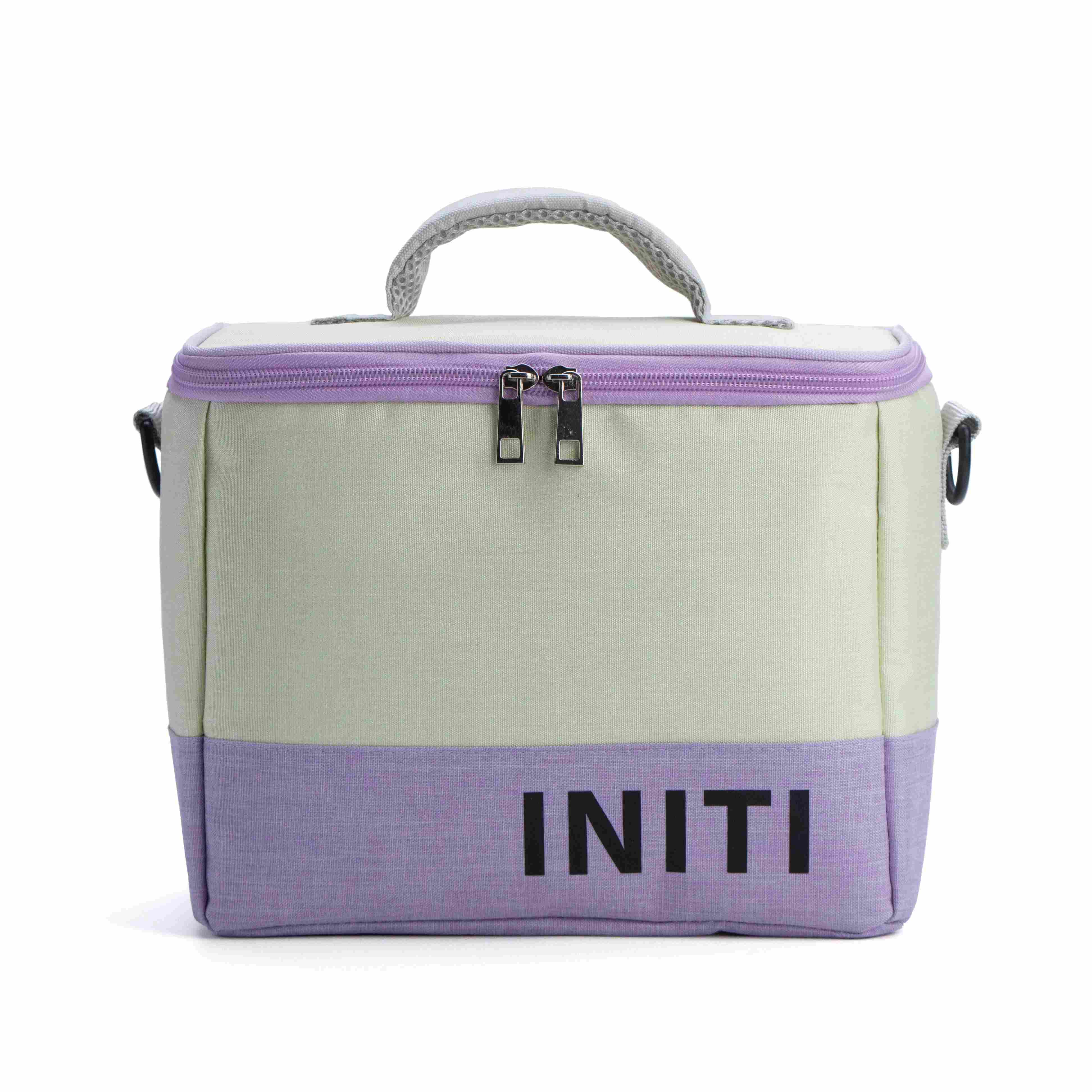
Custom printing, brand colors, woven labels, and carefully selected materials allow businesses to create a consistent visual identity. Exterior branding can improve recognition, while clear handling instructions help customers understand how to unpack and store their ingredients. Interior pockets, comfortable handles, and easy-to-clean surfaces can further improve usability.
A coordinated packaging strategy can extend beyond the cooler bag itself. For example, meal-kit businesses targeting fitness enthusiasts or health-conscious consumers may include a custom shaker bottle alongside recipes, smoothie ingredients, or nutritional products. Matching colors, logos, and packaging details can make the products feel like part of one collection rather than unrelated promotional items.
The decision to invest in custom products should be based on the target audience and expected return. Premium finishes and personalized designs can increase production costs, particularly for small orders. Businesses should compare minimum order quantities, sample quality, printing durability, lead times, and customization options before committing to large-scale production.
Reusable cooler bags and shaker bottles can also extend brand exposure beyond the initial delivery. Customers may use the bag for grocery shopping or the bottle for beverages, creating additional opportunities for brand recognition. This benefit is most likely when products offer genuine practical value rather than relying on appearance alone.
Purchasing Considerations for DTC Meal-Kit Businesses
Selecting a cooler bag supplier requires more than comparing unit prices. Procurement teams should evaluate thermal performance, construction quality, customization capabilities, production consistency, and the supplier's ability to meet delivery schedules. Sample testing is particularly important because two bags with similar dimensions and materials may perform differently due to variations in seams, closures, insulation placement, and manufacturing tolerances.
Cost analysis should include the complete packaging system. In addition to the bag itself, businesses need to account for refrigerants, food containers, protective inserts, shipping weight, labor, returns, and replacement rates. Reusable products require additional calculations covering collection, cleaning, and expected service life. A lower purchase price may not result in a lower cost per successful delivery if the product provides inadequate insulation or fails prematurely.
Customization should be evaluated against operational needs. A brand may benefit from printed logos and coordinated colors, but functional requirements must remain the priority. For businesses bundling a shaker bottle with meal kits, supplier discussions should cover bottle capacity, lid design, leak resistance, food-contact suitability, and packaging compatibility. If the bottle is intended for repeated use, durability and cleaning instructions also matter.
Before placing a bulk order, procurement teams should confirm product specifications, sample approval procedures, quality-control standards, packaging dimensions, production lead times, and applicable compliance documentation. For temperature-sensitive shipments, performance claims should be supported by appropriate testing rather than general marketing descriptions. These steps help reduce uncertainty and create a more reliable packaging program as order volumes grow.
FAQ
How long can cooler bags maintain safe temperatures for DTC meal-kit delivery?
The holding time depends on insulation construction, refrigerant quantity, product temperature, ambient conditions, and transit duration. Some validated systems may maintain appropriate conditions for 24–48 hours, but this should never be assumed for every cooler bag. Businesses should test the complete shipping configuration and verify that each food category remains within its required temperature range throughout delivery.
What insulation materials are commonly used in meal-kit cooler bags?
Common options include polyethylene foam, closed-cell foam, reflective barrier materials, and EPS in suitable packaging formats. Specialized insulation may be used for applications requiring higher thermal performance. The right choice depends on temperature requirements, shipping duration, bag flexibility, weight, cost, and environmental considerations. Testing the finished bag is essential because material specifications alone do not establish actual thermal performance.
Can a shaker bottle be included in a meal-kit delivery package?
Yes. A shaker bottle can be included as a branded accessory, particularly in meal kits targeting fitness, nutrition, smoothies, or active lifestyles. The packaging should secure the bottle and keep it from interfering with refrigerated ingredients or taking up space needed for refrigerants. Businesses should also evaluate bottle capacity, leak resistance, material safety, customization options, and shipping costs before including it in a standard package.
Are reusable cooler bags more cost-effective than disposable packaging?
Reusable cooler bags can become more economical when they survive multiple delivery cycles and the cost of collection, cleaning, inspection, and redistribution remains manageable. The break-even point varies by product price, return rate, service life, and logistics model. Businesses should compare the total cost per successful use rather than relying on a fixed number of reuse cycles.
How can DTC brands combine cooler bags and shaker bottles in a branded packaging strategy?
Brands can coordinate logos, colors, packaging inserts, and product designs to create a consistent customer experience. A cooler bag protects temperature-sensitive ingredients, while a shaker bottle provides a reusable accessory for beverages and nutrition-related products. The strongest approach prioritizes each product's intended function and uses coordinated design to improve customer experience without compromising food safety, packaging efficiency, or cost control.
Table of Contents
- Core Design Features of Cooler Bags for Meal-Kit Delivery
- Temperature Control and Cold Chain Maintenance
- Sustainable and Brand-Aligned Cooler Bag Solutions
- Purchasing Considerations for DTC Meal-Kit Businesses
-
FAQ
- How long can cooler bags maintain safe temperatures for DTC meal-kit delivery?
- What insulation materials are commonly used in meal-kit cooler bags?
- Can a shaker bottle be included in a meal-kit delivery package?
- Are reusable cooler bags more cost-effective than disposable packaging?
- How can DTC brands combine cooler bags and shaker bottles in a branded packaging strategy?