

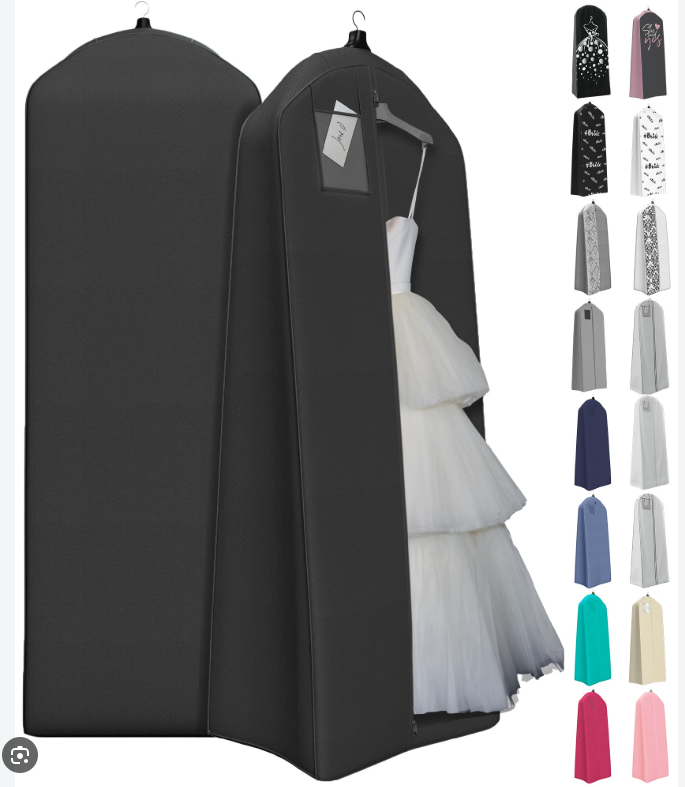
Fashion e-commerce businesses face a critical challenge: protecting garments from damage during storage and shipping while maintaining their pristine appearance for customer delivery. Garment bags for fashion e-commerce have become an essential tool for brands looking to preserve fabric quality, prevent wrinkles, and elevate the unboxing experience. Whether you operate a boutique online store or a large-scale fashion retailer, understanding how garment bags for fashion e-commerce can streamline your operations and protect your inventory is crucial for maintaining customer satisfaction and reducing product returns.

The right garment bags for fashion e-commerce do more than store clothing. They serve as a protective barrier against dust, moisture, and environmental contaminants that can compromise fabric integrity over time. For fashion e-commerce operations managing multiple product categories from delicate silks to structured tailoring, selecting appropriate garment bags for fashion e-commerce ensures that inventory remains in selling condition throughout the storage and fulfillment cycle. This guide explores how garment bags for fashion e-commerce function as a backbone of professional inventory management.
Understanding Garment Bag Types for Fashion E-commerce
Breathable Versus Non-Breathable Options
Garment bags for fashion e-commerce come in two primary constructions, each suited to different storage needs. Breathable garment bags for fashion e-commerce allow air circulation, preventing moisture accumulation and mildew formation, making them ideal for long-term warehouse storage. Non-breathable garment bags for fashion e-commerce provide superior dust protection and are better suited for items requiring maximum contamination resistance during transport. Fashion e-commerce operators often maintain an inventory of both types, deploying garment bags for fashion e-commerce based on fabric type, storage duration, and climate conditions in their warehouses.
Material Considerations for Garment Bags
Garment bags for fashion e-commerce are manufactured from various materials including polypropylene, cotton, and canvas blends. Premium garment bags for fashion e-commerce featuring reinforced materials offer enhanced durability for high-volume operations where bags are reused across multiple fulfillment cycles. For brands emphasizing sustainability, biodegradable garment bags for fashion e-commerce provide environmental alignment while maintaining protective standards. The choice of material directly impacts both the cost structure and the brand perception conveyed during customer delivery, making material selection a strategic decision for fashion e-commerce businesses.
Storage Benefits of Using Garment Bags in Fashion E-commerce
Fabric Preservation and Quality Protection
Garment bags for fashion e-commerce create a microenvironment that shields delicate fabrics from air pollution, dust particles, and UV exposure that cause fading and degradation. Items stored in garment bags for fashion e-commerce experience significantly reduced wrinkle formation compared to hanging garments exposed to ambient conditions. Fashion e-commerce warehouses utilizing garment bags for fashion e-commerce report lower rates of quality-related returns since customers receive garments in pristine condition. This protection is particularly valuable for high-price-point items where even minor damage affects customer satisfaction and return rates.
Space Optimization in Warehouse Operations
Garment bags for fashion e-commerce enable efficient use of vertical storage space through stackable design and compact folding options. By consolidating multiple items within organized garment bags for fashion e-commerce, warehouse teams reduce the footprint required for inventory organization and retrieval. This density advantage becomes increasingly important as fashion e-commerce businesses scale operations within fixed warehouse locations. Strategic deployment of garment bags for fashion e-commerce transforms storage from a space-consuming operation into an optimized system supporting rapid inventory turnover.
Implementing Garment Bags in Your Fashion E-commerce Workflow
Integration Points in Fulfillment Processes
Garment bags for fashion e-commerce should be integrated at multiple workflow stages: incoming inventory receiving, intermediate storage periods, and final order fulfillment. When garment bags for fashion e-commerce are deployed at receiving, inspectors can verify item condition against purchase orders before items enter warehouse systems. Using garment bags for fashion e-commerce during storage ensures that holding periods, which often extend several weeks, do not diminish product quality. At final fulfillment, garment bags for fashion e-commerce provide a garment bags for fashion e-commerce solution that demonstrates professional handling to customers receiving their orders.
Selection Criteria for Your Business Model
Evaluate garment bags for fashion e-commerce based on your inventory composition, storage climate, and customer expectations. High-volume, fast-turnover operations benefit from lightweight, economical garment bags for fashion e-commerce that balance protection with cost efficiency. Luxury or premium fashion e-commerce brands may prioritize garment bags for fashion e-commerce with visual appeal and branded customization options that enhance unboxing experiences. Climate considerations also influence garment bag selection, as humid environments necessitate breathable garment bags for fashion e-commerce while dry climates allow more flexible options.
FAQ
How long can garments remain protected in garment bags for fashion e-commerce?
Garment bags for fashion e-commerce provide effective protection for storage periods ranging from weeks to several months, depending on material type and environmental conditions. Breathable garment bags for fashion e-commerce maintain protection longer in stable climates, while non-breathable options perform better in high-humidity environments where moisture control is critical. For optimal results, fashion e-commerce businesses should rotate inventory regularly and inspect stored items periodically to ensure garment bags for fashion e-commerce continue functioning effectively.
Can garment bags for fashion e-commerce be reused across multiple fulfillment cycles?
Yes, quality garment bags for fashion e-commerce constructed from durable materials withstand numerous use cycles, making them economically advantageous for high-volume operations. Reusable garment bags for fashion e-commerce reduce packaging waste and align with sustainability initiatives that modern consumers increasingly value. Fashion e-commerce businesses should establish cleaning and inspection protocols to ensure reused garment bags for fashion e-commerce maintain protective standards and visual presentation.
Are garment bags for fashion e-commerce suitable for shipping directly to customers?
Absolutely, garment bags for fashion e-commerce provide an excellent presentation option for final-mile delivery, transforming standard packaging into a premium unboxing experience. Many luxury fashion e-commerce brands use branded garment bags for fashion e-commerce as part of their value proposition, improving customer satisfaction and encouraging repeat purchases. When selecting garment bags for fashion e-commerce for shipping, prioritize materials and closures that provide security during transit while allowing customers to reuse them for personal storage.