


Selecting the correct webbing and handle length for a paper bag is far more than an aesthetic choice—it directly impacts functionality, customer experience, and brand perception. When businesses invest in custom paper bag solutions, they often overlook the technical specifications that make the difference between a practical carry solution and a frustrating customer experience. Understanding how webbing materials, handle width, and length proportions work together ensures that your paper bag meets real-world usage demands while reinforcing brand identity.
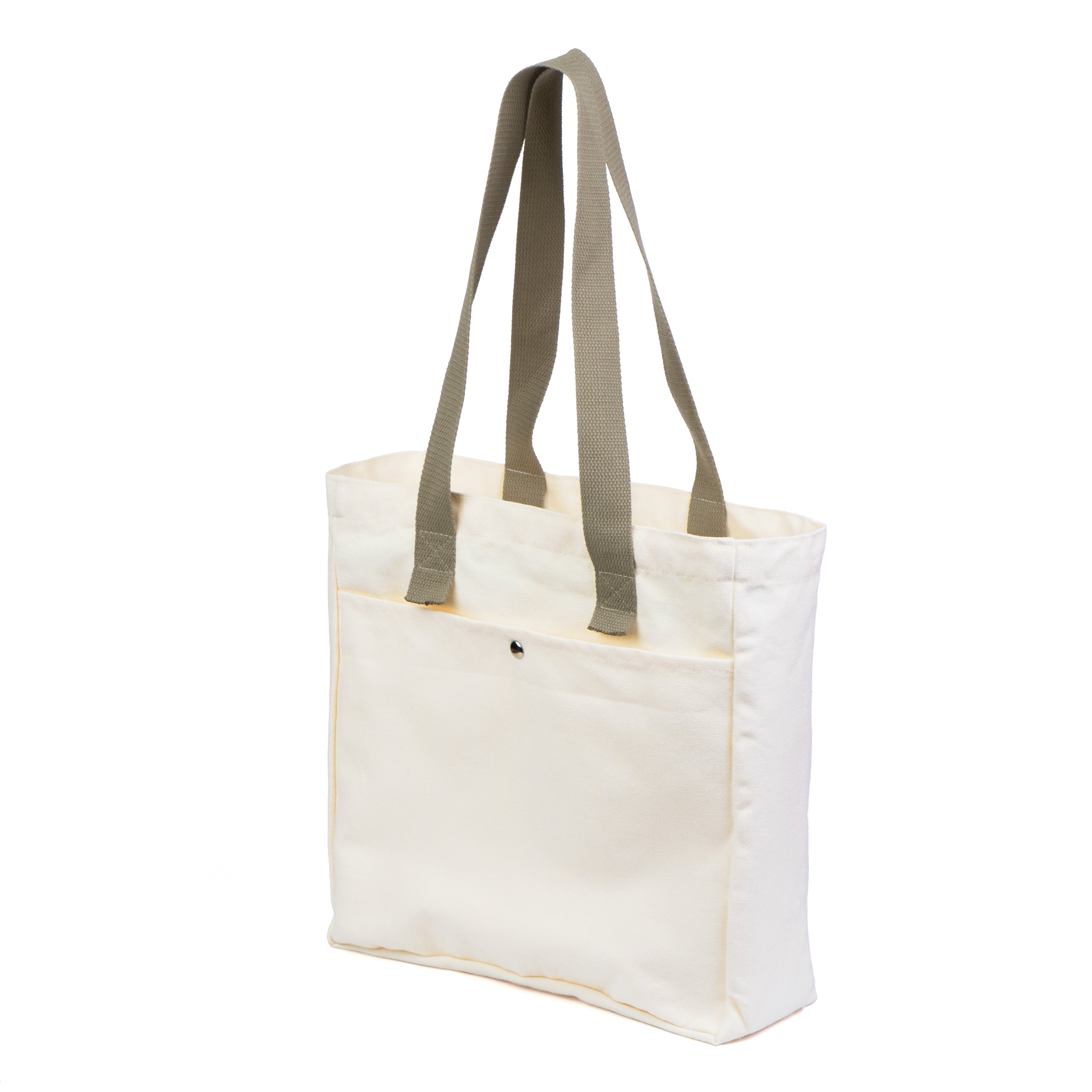
A well-designed paper bag combines structural integrity with user comfort, and this balance depends heavily on how you specify the handles and webbing. The right paper bag configuration can transform a simple carrier into a durable, branded touchpoint that customers actually want to reuse. This guide walks you through the decisions that matter when customizing your paper bag webbing and handles.
Understanding Paper Bag Webbing Materials and Their Impact
Natural Fiber Webbing for Paper Bag Design
Natural fiber webbing—typically cotton or jute—represents the most popular choice for premium paper bag applications. When you design a paper bag with natural webbing, you're selecting a material that communicates durability and environmental responsibility. Cotton webbing offers a smooth surface that resists fraying, accepts custom printing or branding well, and provides a tactile premium feel that enhances the perceived value of your paper bag. Jute webbing, by contrast, delivers a rustic aesthetic that appeals to eco-conscious consumers and aligns naturally with the sustainable positioning of kraft paper bags.
The thickness of webbing used in a paper bag handle directly correlates with load-bearing capacity. A paper bag designed for retail apparel can often accommodate thinner webbing, whereas a paper bag intended for grocery or food service needs substantially more robust webbing. Choosing the right webbing weight ensures your paper bag performs reliably under actual customer use and prevents the embarrassment of handle failure at the checkout counter.
Synthetic and Blended Options for Paper Bag Handles
Some applications call for synthetic webbing in your paper bag design, particularly when moisture resistance or extreme durability is required. Polypropylene or polyester-blend webbing increases the functional lifespan of a paper bag and provides superior tension retention even after repeated use. For retail paper bag applications in humid environments or outdoor settings, synthetic or blended webbing prevents stretching and sagging that would compromise the paper bag's appearance and user experience. Understanding when a paper bag benefits from synthetic components versus natural fiber is essential to matching material choice with real-world conditions.
Determining Optimal Handle Length for Your Paper Bag
Ergonomic Considerations in Paper Bag Handle Length
Handle length is perhaps the most overlooked specification when ordering a custom paper bag, yet it profoundly affects usability. An ideal paper bag handle length must accommodate the range of hand sizes and carrying preferences your customers will actually employ. If your paper bag features handles that are too short, they become uncomfortable or impossible to carry, especially when the bag is full. Conversely, excessively long handles on a paper bag create awkward proportions and increase the risk of snagging or catching on clothing and obstacles.
Industry standards suggest that a paper bag handle length of eight to ten inches works for most retail applications, allowing users to comfortably grasp the handle with palm-facing options or wrist carry. However, your specific paper bag application may demand adjustment. A paper bag designed for heavy or bulky contents—such as wine bottles or hardware items—often requires longer handles to provide better weight distribution and clearance from the user's legs during transport.
Brand Positioning and Visual Proportions
Beyond ergonomics, the handle length you choose for your paper bag contributes significantly to its visual identity and brand messaging. A paper bag with shorter, more proportionate handles projects a boutique or premium aesthetic, often favored in fashion, cosmetics, and jewelry retail. A paper bag with longer handles suggests practicality and utility, communicating to customers that the bag is built to perform under real-world carrying demands. Your choice of handle length should align with your brand positioning and the expectations your customers bring to the purchase experience.
When designing your paper bag, consider also the total depth and width of the bag body in relation to handle length. A disproportionately long handle on a small paper bag looks awkward and reduces perceived quality. A paper bag with compact handles on a large, heavy-duty structure appears insufficiently functional. The visual balance between bag dimensions and handle length reinforces either premium craftsmanship or rugged utility, depending on your brand strategy.
Practical Implementation and Custom Paper Bag Specifications
Matching Webbing and Handle Configuration to Content and Use Cases
Your custom paper bag specifications must reflect what you're actually asking customers to carry. A paper bag used for light retail items—greeting cards, cosmetics, or small apparel pieces—can succeed with standard-weight cotton webbing and eight-inch handles. A paper bag designed for grocery, food service, or promotional giveaways containing heavier merchandise demands reinforced webbing, increased handle length for weight distribution, and possibly doubled or reinforced attachment points where the handle meets the paper bag structure.
Consider also the environmental context where your paper bag will be used. Will it travel from store to car to home, or will it be carried through crowded retail environments? Will your paper bag face outdoor weather conditions, or will it primarily serve as an in-store or gift-giving vehicle? A paper bag for luxury gift presentation may prioritize visual elegance and softer webbing, while a paper bag for takeout or grocery purposes must prioritize durability and reinforced construction to prevent failure in real-world scenarios.
Testing and Refinement in Paper Bag Design
Before finalizing your paper bag design specifications, prototype samples with actual users in your target market. Load a paper bag with typical merchandise at expected weight capacities and have team members and potential customers test comfort, aesthetic impression, and overall satisfaction. This hands-on validation prevents costly revisions after full production and ensures your paper bag investment delivers expected performance and brand impact.
Pay particular attention to handle attachment quality during prototyping. The structural integrity of your paper bag ultimately depends on how effectively the webbing is affixed to the bag body. Reinforced gluing, stitching, or combination attachment methods prevent handle separation and ensure that your paper bag maintains its integrity throughout its intended use lifespan. This attention to construction detail separates professional, reusable paper bag solutions from disposable alternatives that fail quickly and damage brand reputation.
FAQ
What webbing width works best for a standard paper bag?
Most retail paper bag applications use webbing between one and two inches in width. A paper bag with one-inch webbing suits lightweight retail items and gift applications, while a paper bag carrying heavier merchandise benefits from wider webbing that distributes load more effectively across the user's palm or arm.
Can I adjust handle length for different paper bag sizes?
Absolutely. Your paper bag handle length should scale proportionally with bag dimensions. Smaller paper bag designs typically feature seven to nine-inch handles, while larger paper bag formats can accommodate ten to twelve-inch handles without appearing disproportionate. Custom manufacturing allows this flexibility to optimize your paper bag across multiple product lines.
How does webbing material choice affect paper bag cost and sustainability?
Natural fiber webbing typically costs more than synthetic alternatives but enhances the sustainability positioning of your paper bag and appeals to eco-conscious consumers. A paper bag with cotton or jute webbing reinforces environmental responsibility, while synthetic options reduce cost and may improve durability in specific conditions. Choose based on your brand values and the use case your paper bag must serve.