

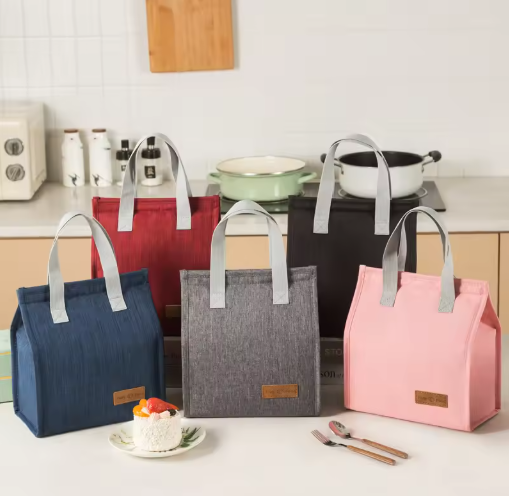
A lunch bag is far more than a simple container for carrying your midday meal. It is a purpose-engineered piece of everyday gear designed to maintain food quality, temperature, and safety from the moment you pack it at home to the moment you sit down to eat. Whether you are a student heading to class, a professional commuting to the office, or an outdoor worker spending hours away from a kitchen, a well-chosen lunch bag plays a critical role in how your food tastes, how safe it is to consume, and how conveniently it travels with you throughout the day.
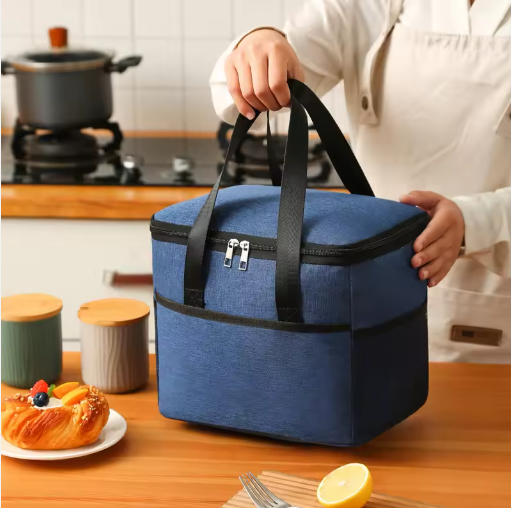
Understanding what a lunch bag actually is and how its internal mechanisms work to keep food fresh helps buyers make smarter purchasing decisions and helps businesses source or manufacture the right product for their target market. This article breaks down the definition, core components, insulation science, and practical usage considerations that define a high-quality lunch bag — giving you a clear, complete picture of this widely used but often underestimated everyday item.
Defining the Lunch Bag: Purpose, Form, and Function
What Sets a Lunch Bag Apart from Generic Bags
A lunch bag is specifically constructed to serve food-carrying and temperature-management functions that standard bags simply cannot provide. Unlike a tote bag or a backpack compartment, a lunch bag is built with food-grade interior materials, insulating layers, and secure closures that work together to create a thermally controlled environment. This dedicated construction is what distinguishes it from other bag categories.
The exterior of a lunch bag is typically made from durable, easy-to-clean synthetic materials such as polyester, nylon, or coated Oxford fabric. These materials resist moisture, abrasion, and everyday wear, making them suitable for repeated use across diverse environments. The outer shell also contributes to the bag's overall structural integrity, allowing it to hold its shape even when loaded with containers, bottles, and ice packs.
On the functional side, a lunch bag is designed to be compact and portable. It usually features a zippered main compartment, a carry handle, and sometimes an adjustable shoulder strap. These ergonomic features ensure the bag is easy to transport without adding unnecessary bulk to a daily carry load — making it practical for both children and adults across different lifestyles.
Key Structural Components of a Modern Lunch Bag
The anatomy of a modern lunch bag includes several distinct components, each contributing to its overall performance. The outer fabric layer provides protection from the external environment. Beneath it lies the insulation layer — typically PEVA foam, EPE foam, or aluminum foil lining — which acts as a thermal barrier between the food inside and the ambient temperature outside. This layered construction is the foundation of the bag's food-preservation capability.
Many designs also incorporate an inner liner made from food-safe materials. This liner prevents food odors from permeating the bag walls, resists staining from spills, and is easy to wipe clean. Some high-quality versions of the lunch bag use antimicrobial linings to further reduce bacterial growth inside the compartment, which is especially important for products intended for children's use or extended carry times.
Additional components such as mesh side pockets, front zipper pockets, and reinforced base panels enhance the bag's usability. These features allow users to organize utensils, napkins, and smaller snacks separately from the main food containers, reducing the risk of crushing or spilling during transit. A well-designed lunch bag balances internal organization with thermal efficiency without becoming overly bulky.
The Science Behind Food Freshness in a Lunch Bag
How Insulation Slows Temperature Change
The primary mechanism by which a lunch bag keeps food fresh is thermal insulation. Insulation works by slowing down the transfer of heat energy between the interior of the bag and the surrounding environment. When you place cold food inside a well-insulated lunch bag, the insulating layer resists the flow of ambient heat into the bag, keeping the internal temperature lower for a longer period. Conversely, hot food placed inside retains its warmth because heat cannot easily escape through the insulating walls.
The most common insulating material used in a consumer or commercial lunch bag is PEVA-coated foam. PEVA (polyethylene vinyl acetate) is a non-toxic, flexible material that reflects radiant heat while the foam layer beneath it traps air to reduce conductive heat transfer. Aluminum foil linings work similarly, with the reflective metallic surface bouncing infrared radiation back toward the food rather than allowing it to pass through. The thicker and denser the insulation layer, the longer the lunch bag maintains its target temperature range.
It is important to understand that insulation alone does not refrigerate food — it only slows the rate of temperature change. This is why using an ice pack or a frozen gel pack inside the lunch bag is standard practice when carrying perishable food over several hours. The ice pack acts as a cold reservoir, and the insulation surrounding it slows down the melting process, extending the bag's effective cold-holding window significantly.
Food Safety Considerations and the Role of Temperature Control
Food safety experts generally advise that perishable foods should not remain in the 'danger zone' — temperatures between 4°C and 60°C (40°F and 140°F) — for more than two hours. A properly insulated lunch bag used with appropriate ice packs can keep cold food below 4°C for four to six hours depending on ambient conditions, making it a practical tool for maintaining food safety outside of a refrigerator.
The sealing design of the lunch bag also plays an important role in food freshness. A zipper closure that creates a tight seal prevents warm external air from entering the bag, reducing the rate at which cold air dissipates. Some advanced models include magnetic closures or double-zipper systems that further minimize air exchange. Minimizing air exchange is especially important on hot days or in warm workplaces where ambient temperature can cause rapid internal temperature rise.
For hot food, the same insulation principles apply in reverse. A lunch bag with a high-quality thermal lining and tight closure can keep soups, stews, and cooked meals above safe serving temperatures for two to three hours. When paired with a thermally insulated food container, the combination creates a reliable hot-meal carrying system — a common need for workers in industries where access to microwaves or canteens is limited.
Types of Lunch Bags and Their Suitability for Different Needs
Everyday Consumer Lunch Bags
Consumer-grade lunch bags are the most widely available category and are designed for general daily use by students, office workers, and families. These typically feature a compact rectangular or bento-box-style form factor, a single insulated main compartment, and a top-carry handle. Designs range from minimalist solid-color styles to branded prints targeting children. The insulation in consumer models is functional but usually thinner than professional-grade alternatives.
For the everyday user, a standard lunch bag with PEVA foam lining and a quality zipper closure is more than sufficient for a four-to-six-hour carry window, provided it is used with an ice pack. The key buying considerations at this level include interior volume, ease of cleaning, durability of the zipper and handle, and whether the bag fits inside a backpack or briefcase for combined carry convenience.
Customization at the consumer level has grown significantly, with many buyers now seeking lunch bags in specific color palettes, with monogrammed designs, or featuring character prints for children. This demand has pushed manufacturers to develop modular printing and embroidery options, making the lunch bag a common item for promotional gifting and branded merchandise campaigns as well.
Professional and Customizable Lunch Bags for Business Use
At the B2B level, the lunch bag takes on a different set of requirements. Corporate gift programs, hospitality kits, employee wellness initiatives, and promotional merchandise campaigns frequently source customized lunch bags in bulk. In this context, factors such as branding surface area, logo visibility, material quality, and minimum order quantities become the primary decision drivers rather than individual user preference.
A lunch bag designed for B2B customization typically features a larger printable exterior surface, reinforced stitching for extended use, and a more neutral design language that accommodates brand color systems. The insulation standards in professional-grade models are also higher, often incorporating multi-layer foam with thicker aluminum lining to demonstrate product quality to end recipients.
For businesses sourcing lunch bags in volume, material certifications, food-safety compliance of the interior liner, and supply chain reliability are critical checkpoints. Buyers should verify that the product uses non-toxic, BPA-free interior materials and that the manufacturer can provide quality-control documentation. These factors are especially important for companies distributing lunch bags as part of health or wellness programs where product safety directly reflects on brand reputation.
Practical Usage Tips to Maximize Freshness
Packing Strategies That Enhance Insulation Performance
Even the best-engineered lunch bag performs only as well as the user packs it. One of the most effective practices is pre-chilling the bag before packing. Placing the empty lunch bag in a cool environment or leaving an ice pack inside it for fifteen to twenty minutes before loading food lowers the internal ambient temperature, giving food a head start in maintaining its target temperature. This simple habit can extend cold-holding time by an additional thirty to sixty minutes.
Placing the ice pack on top of the food rather than beneath it is another evidence-based strategy. Cold air sinks naturally, so positioning the ice pack at the top of the lunch bag allows the cold to circulate downward over the food containers. This ensures more uniform cooling throughout the interior rather than concentrating coldness at one point.
It is also advisable to avoid overpacking the lunch bag. When the bag is stuffed to capacity, the insulation walls are stretched, reducing their effective thickness and creating stress points at the seams and zipper. Maintaining adequate interior space also allows the cool air from ice packs to circulate more freely around food containers, enhancing the uniformity of temperature distribution inside the lunch bag.
Maintenance Practices That Extend Bag Life and Hygiene
Regular cleaning is essential to maintaining both the performance and safety of a lunch bag. Food residue, moisture, and spillage create environments where bacteria can multiply rapidly if left unaddressed. Most consumer-grade lunch bags can be wiped down with a damp cloth and mild soap after each use. Some models are designed to be hand-washable, allowing for more thorough cleaning of the interior lining.
Allowing the lunch bag to air-dry fully before storing or reusing it is equally important. Damp interior environments, even without visible food residue, can promote mold growth on the foam insulation layer over time. Leaving the zipper open after cleaning and letting the bag dry in a well-ventilated area prevents this issue and extends the operational life of the insulation materials.
Periodic inspection of the zipper, handle stitching, and interior lining is also recommended. Early identification of wear points — such as a fraying zipper pull or a small tear in the inner lining — allows for simple repairs before they escalate into functional failures. A well-maintained lunch bag can provide reliable service for one to three years under daily use conditions, representing excellent value relative to its initial cost.
FAQ
How long can a lunch bag keep food cold?
A properly insulated lunch bag used with a standard gel ice pack can typically keep food cold — below 4°C (40°F) — for approximately four to six hours under normal ambient conditions. This range varies based on insulation thickness, seal quality, ambient temperature, and how full the bag is. In very hot conditions, additional ice packs or pre-chilling the bag beforehand can help extend this window.
Can a lunch bag keep hot food warm as well as cold food fresh?
Yes. A quality lunch bag works bidirectionally — it slows both heat loss from warm food and heat gain into cold food. Hot items such as soups, rice, or cooked meals can stay above serving temperature for two to three hours when the bag is paired with a well-sealed thermally insulated food container. The key factor is minimizing air exchange by keeping the lunch bag securely closed until mealtime.
What materials should the interior of a lunch bag be made from?
The interior lining of a food-safe lunch bag should be made from non-toxic, BPA-free materials. PEVA (polyethylene vinyl acetate) is the most commonly used food-safe lining material, valued for its flexibility, moisture resistance, and ease of cleaning. Some premium models use aluminum foil composite linings or antimicrobial-treated fabrics. Always check that the manufacturer provides material safety certifications before purchasing or distributing a lunch bag at scale.
Is a lunch bag suitable for business promotional gifting?
Absolutely. The lunch bag is one of the most practical and well-received items in corporate gifting programs because it delivers genuine daily utility to recipients. It offers a large branding surface, frequent exposure during everyday use, and positive associations with health and work-life balance. Businesses sourcing customized lunch bags should look for suppliers who offer full-color printing, food-safe material certifications, and reliable minimum order flexibility to align with campaign budget requirements.