

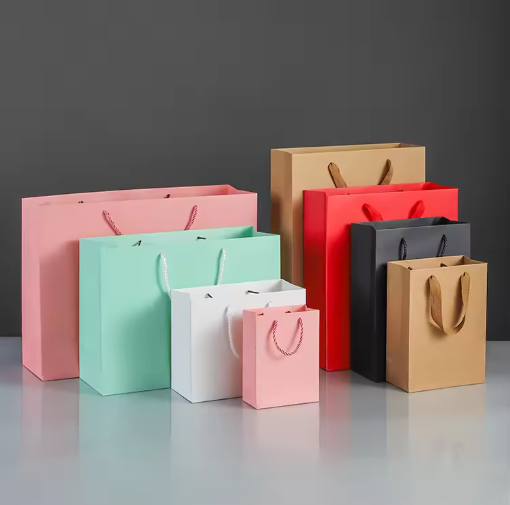
When businesses and consumers seek more responsible packaging choices, the paper bag consistently rises to the top of the conversation. Unlike plastic alternatives that persist in landfills and oceans for centuries, a paper bag is derived from a renewable resource, breaks down naturally, and can be recycled through widely available programs. This combination of properties has earned it a strong reputation in sustainable packaging circles, and for good reason. Understanding exactly why the paper bag carries this eco-friendly label requires a closer look at its material origins, lifecycle, and broader environmental impact.
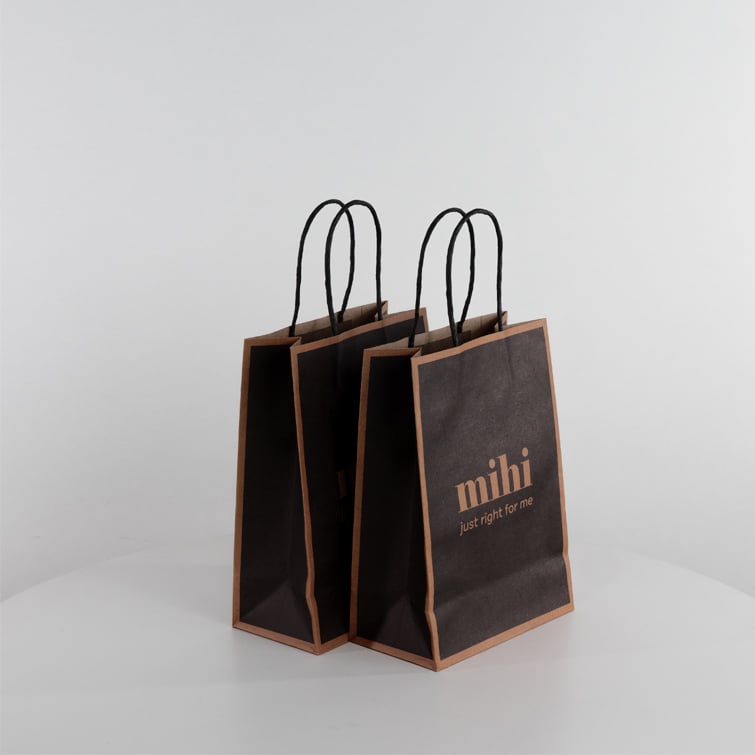
The global shift toward sustainable commerce has placed packaging under intense scrutiny. Retailers, brands, and supply chain managers are under growing pressure to demonstrate environmental responsibility, and selecting the right packaging is one of the most visible decisions a business can make. A paper bag is not simply a trend or a marketing gesture — it represents a packaging solution backed by measurable environmental credentials. From raw material sourcing to end-of-life disposal, each stage of the paper bag lifecycle tells a story of reduced environmental burden compared to synthetic alternatives.
The Renewable Material Foundation of a Paper Bag
Wood Fiber as a Sustainable Raw Material
At the heart of every paper bag is wood fiber, sourced from trees that can be replanted and harvested in a managed cycle. Unlike fossil fuels or synthetic polymers, wood is a renewable resource that sequesters carbon during its growing phase. When responsibly managed forests supply the pulp for paper production, the raw material footprint of a paper bag remains relatively low compared to petroleum-based packaging.
Certified forestry programs ensure that the trees used to produce paper pulp are harvested in a way that maintains forest health, biodiversity, and soil quality. This means that the paper bag, when sourced from certified suppliers, directly supports sustainable land management practices. The renewable cycle of planting, growing, and harvesting creates a continuous loop that does not permanently deplete natural resources.
This renewable foundation gives the paper bag a fundamental ecological advantage. When packaging is made from materials that regenerate within decades rather than millions of years, its environmental profile improves substantially. Businesses choosing a paper bag are, in effect, choosing packaging that is rooted in a regenerative supply chain.
Kraft Paper and the Role of Processing Methods
Kraft paper, the most common material used in a paper bag for retail and shopping applications, is produced through a chemical pulping process that retains much of the wood fiber's natural strength. This process allows manufacturers to create a paper bag that is durable enough to carry heavy items while still remaining biodegradable. The kraft process also recovers and reuses many of its chemical inputs, reducing waste in the production stage.
Modern paper mills have invested heavily in reducing water consumption, energy use, and emissions during kraft paper production. Advances in closed-loop water systems and biomass energy recovery have lowered the environmental footprint of producing the raw material for a paper bag significantly over the past two decades. This industrial progress means that the eco-friendly claims associated with a paper bag are increasingly supported by cleaner manufacturing processes.
Biodegradability and Compostability Advantages
How a Paper Bag Breaks Down in the Environment
One of the most compelling environmental arguments for the paper bag is its biodegradability. When a paper bag ends up in a natural environment, it begins to decompose through microbial activity within weeks to months, depending on moisture and temperature conditions. This is in stark contrast to plastic bags, which fragment into microplastics that contaminate soil and water systems for hundreds of years.
The organic nature of a paper bag means it integrates back into the earth's nutrient cycle rather than accumulating as persistent waste. In landfill conditions, even without ideal composting environments, a paper bag decomposes far faster than any plastic alternative. This rapid breakdown significantly reduces the long-term waste burden associated with packaging disposal.
For businesses operating in regions with strong littering or waste management challenges, the biodegradable nature of a paper bag provides an additional layer of environmental insurance. Even in suboptimal disposal scenarios, the paper bag causes substantially less lasting harm than synthetic packaging options.
Compostability in Commercial and Home Settings
Beyond basic biodegradability, many paper bag products are suitable for composting in both industrial composting facilities and home compost systems. An uncoated paper bag made from natural kraft fibers can be torn apart and added to compost piles, where it contributes carbon to the composting process and helps balance nitrogen-rich organic materials. This makes the paper bag a genuinely circular product in households that practice composting.
Commercial composting operations that process food waste and organic materials often accept paper bag products as part of their input streams. This integration into organic waste management systems means the paper bag can complete its lifecycle without requiring separate collection infrastructure, simplifying end-of-life logistics for businesses and consumers alike.
Recyclability and the Circular Economy Role of a Paper Bag
Integration into Established Recycling Streams
The paper bag benefits from one of the most mature and widely accessible recycling infrastructures in the world. Paper recycling systems exist in virtually every developed market and in a growing number of emerging economies. A used paper bag can be placed in standard paper recycling bins, collected through municipal programs, and processed into recycled fiber for new paper products.
This accessibility is a critical part of why the paper bag is considered eco-friendly packaging. Recyclability is only meaningful if the infrastructure to recycle actually exists and is available to consumers. Unlike some specialty compostable plastics that require industrial composting facilities unavailable to most households, the paper bag can typically be recycled through channels that most consumers already use in their daily lives.
Recycling a paper bag reduces the demand for virgin wood fiber, lowers energy consumption in paper production, and decreases greenhouse gas emissions associated with manufacturing. A single paper bag that is recycled effectively becomes part of a circular material loop, extending the usefulness of the original wood fiber and delaying its journey to end-of-life disposal.
Recycled Content and Closed-Loop Production
Many paper bag manufacturers now incorporate recycled fiber content into their products, further enhancing the circular economy credentials of the paper bag. Using post-consumer recycled fiber reduces the need for freshly harvested wood pulp, conserves forest resources, and lowers the energy intensity of production. A paper bag made with high recycled content represents a genuinely closed-loop packaging solution.
For brands committed to sustainability reporting and environmental certifications, choosing a paper bag with certified recycled content provides tangible metrics that can be communicated to customers and stakeholders. This traceability and measurability is another reason why the paper bag has become a preferred packaging choice for environmentally conscious businesses across retail, food service, and hospitality sectors.
Comparing the Paper Bag to Plastic Alternatives
Lifecycle Environmental Differences
When comparing a paper bag to a conventional plastic bag across its full lifecycle, several key environmental differences emerge. Plastic bags are manufactured from non-renewable petrochemical resources, require industrial processes that release greenhouse gases, and create persistent waste that accumulates in ecosystems. The paper bag, by contrast, uses renewable inputs, decomposes naturally, and can be recycled through accessible systems.
It is important to acknowledge that producing a paper bag does require more energy and water per unit than producing a thin plastic bag. However, this single-point comparison misses the critical long-term impact of material persistence. A plastic bag's environmental cost extends far beyond its production phase, as decades of ecological contamination must be factored into any honest assessment. The paper bag's higher production footprint is offset by its dramatically lower end-of-life impact.
When a paper bag is reused multiple times before recycling or composting, its lifecycle environmental advantage over plastic becomes even more pronounced. A durable paper bag used repeatedly for shopping trips amortizes its production footprint across multiple use cycles, resulting in a lower per-use environmental cost. This is why encouraging reuse is an important part of maximizing the eco-friendly benefits of a paper bag.
Regulatory and Market Context
Governments around the world have implemented plastic bag bans, fees, and restrictions that have accelerated the transition to paper bag alternatives. These regulatory shifts reflect a policy consensus that the environmental costs of single-use plastic packaging are unacceptable in a world committed to sustainability targets. The paper bag has benefited directly from these regulatory trends, gaining market share as businesses seek compliant packaging solutions.
Consumer sentiment has also shifted decisively. Shoppers increasingly associate the paper bag with responsible brand values, and businesses that make the switch often report positive customer feedback. The paper bag is no longer just an environmental choice — it has become a signal of brand integrity and forward-thinking business practice in competitive retail markets.
Practical Benefits for Businesses Adopting Paper Bag Packaging
Customization and Brand Communication
A paper bag offers exceptional versatility for brand customization. Custom printing on a paper bag allows businesses to communicate their brand identity, sustainability commitments, and product messaging directly on the packaging. Unlike plastic alternatives, a paper bag accepts high-quality print finishes that look premium and convey craftsmanship, qualities that resonate strongly with modern retail consumers.
The surface texture and visual warmth of a kraft paper bag creates a packaging aesthetic that many consumers associate with quality, authenticity, and environmental responsibility. This perception benefit means that switching to a paper bag is not merely a compliance decision — it is a brand-building opportunity. Retailers who invest in well-designed paper bag packaging often find that the packaging itself becomes a part of the customer experience.
Strength and Functionality for Retail Use
Modern paper bag manufacturing has addressed earlier concerns about durability and load-bearing capacity. Twisted paper handles, multi-ply kraft construction, and reinforced bases allow a contemporary paper bag to carry significant weight without tearing or deforming. This functional strength makes the paper bag a genuinely practical solution for retail environments ranging from fashion boutiques to grocery stores.
The paper bag also performs well across a range of environmental conditions encountered during typical retail use. It maintains structural integrity in moderate humidity, stacks efficiently for storage, and can be produced in a wide range of sizes to accommodate diverse product dimensions. For businesses seeking an eco-friendly packaging solution that does not compromise on practicality, the paper bag delivers both environmental and operational value.
FAQ
Is a paper bag always more eco-friendly than a plastic bag?
In most practical scenarios, yes. While producing a paper bag requires more energy than a thin plastic bag, its biodegradability, recyclability, and renewable material origin give it a significantly better overall environmental profile. The key factor is end-of-life management: a paper bag that is recycled or composted delivers clear ecological advantages over plastic, which persists as waste for centuries.
Can a paper bag be reused multiple times?
A well-made paper bag with reinforced construction and twisted handles can certainly be reused several times before it reaches the end of its usable life. Reusing a paper bag multiple times improves its per-use environmental footprint considerably. After reuse, the paper bag can still be recycled or composted, completing a responsible end-of-life pathway.
What certifications should I look for when sourcing a paper bag?
When sourcing a paper bag for commercial use, look for certifications that confirm responsible forestry practices and recycled content. Forest stewardship certifications verify that the wood fiber used in the paper bag comes from sustainably managed forests. Recycled content certifications confirm the proportion of post-consumer fiber included in the product, supporting circular economy goals.
Does the printing on a paper bag affect its recyclability?
In most cases, standard printing inks used on a paper bag do not prevent the bag from being recycled through conventional paper recycling streams. Water-based inks and vegetable-based inks are particularly compatible with recycling processes. However, paper bags with heavy plastic lamination or foil coatings may not be accepted by standard paper recycling programs, so it is advisable to choose print finishes carefully when sustainability is a priority.