

Not every grocery bag is built to carry heavy loads safely. When a grocery bag fails under the weight of canned goods, bottled drinks, or bulk produce, the consequences go beyond spilled items. For businesses sourcing reusable grocery bag options, and for everyday shoppers who rely on a dependable grocery bag, understanding what separates a structurally capable grocery bag from a flimsy one is essential. The right grocery bag must deliver consistent performance under stress, trip after trip.
A quality grocery bag designed for heavy use combines the right raw material, a well-reinforced body, and ergonomic handle construction. Each of these elements directly determines whether a grocery bag holds up under real shopping conditions. This article breaks down the specific structural and material factors that make a grocery bag genuinely suitable for heavy loads, helping buyers, retailers, and brand managers make smarter sourcing decisions.
Material Strength as the Foundation of a Heavy-Duty Grocery Bag
Why Fabric Choice Defines a Grocery Bag's Load Capacity
The material a grocery bag is made from is the single most important factor in determining its load capacity. A grocery bag constructed from woven polypropylene, for example, distributes weight across interlocking fabric strands rather than depending on a single layer of film. This woven structure gives the grocery bag a far higher tensile strength compared to non-woven or thin plastic alternatives. A grocery bag made from PP woven fabric can typically support loads of ten kilograms or more without deforming or tearing.
Other materials used in a heavy-duty grocery bag include laminated non-woven fabric, canvas cotton, and recycled PET. Each grocery bag material has a different weight threshold. Canvas grocery bag options offer excellent natural strength but tend to be heavier themselves. A laminated grocery bag adds moisture resistance, which is valuable when carrying chilled or wet items. When evaluating a grocery bag for heavy-load suitability, always request material specifications including fabric weight measured in grams per square meter, since this directly correlates to how much stress a grocery bag can absorb.
Stitching and Seam Reinforcement in a Grocery Bag
Even the strongest fabric will fail if a grocery bag is poorly stitched. Double-stitched or reinforced seams dramatically extend the lifespan of a grocery bag used for heavy items. A grocery bag with reinforced bottom seams is particularly critical, since the base of any grocery bag bears the most concentrated load. When heavy items like bottles or cans press against the base seam of a grocery bag, a single-thread stitch is prone to splitting. Manufacturers of quality grocery bag products typically apply box-stitching or bartack stitching at critical stress points to ensure the grocery bag does not come apart under pressure.
Handle Design and Its Role in Grocery Bag Performance
Handle Width, Length, and Attachment Points on a Grocery Bag
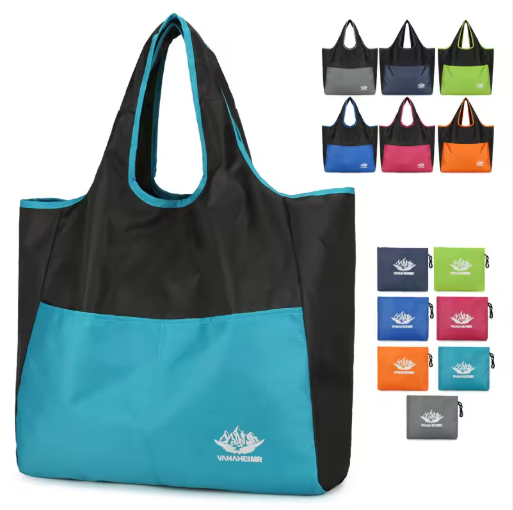
The handle is where most users directly feel the difference between a good grocery bag and a poor one. A narrow handle on a grocery bag concentrates load pressure onto a small area of the hand, making even moderate weight uncomfortable and unsafe. A wide, flat handle design distributes the grocery bag's load more evenly, reducing hand fatigue and the risk of dropping the bag. Ideally, a grocery bag handle should be at least twenty-five millimeters wide for comfortable heavy-load carrying, with thirty millimeters or more being standard on premium grocery bag models.
The attachment point where the handle meets the body of the grocery bag is a known failure zone. On a well-engineered grocery bag, the handle is sewn through multiple layers of reinforced fabric and secured with bartack stitching. Some grocery bag designs extend the handle strap all the way down the exterior side of the bag, creating a full-length load path that avoids point stress concentration. This construction style makes a grocery bag significantly more resilient when carrying dense, heavy items.
Over-the-Shoulder Handles and Grocery Bag Versatility
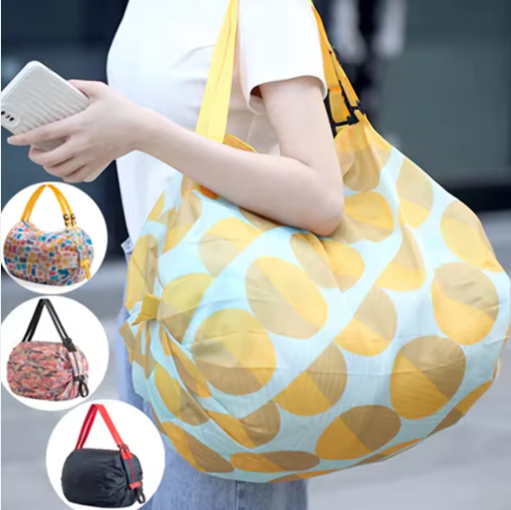
A grocery bag with longer handles that allow over-the-shoulder carrying provides a practical advantage for shoppers managing multiple bags or heavy loads. The shoulder distributes the grocery bag's weight across a larger muscle group compared to carrying by hand alone. For bulk-buying scenarios where a single grocery bag might hold five to eight kilograms of items, a longer handle grocery bag design reduces physical strain significantly. When sourcing a grocery bag for retail or promotional use, consider whether your target customer primarily shops in high-volume environments where a shoulder-carry grocery bag would be preferred.
Structural Features That Reinforce a Grocery Bag for Heavy Use
Base Panels and Internal Support in a Grocery Bag
A grocery bag with a rigid or semi-rigid base panel maintains its shape under heavy loads and prevents items from pressing unevenly against the bag's sides. A flat base grocery bag with a gusset construction allows the grocery bag to stand upright independently, which makes loading and unloading easier while reducing stress on the fabric walls. Without a structured base, a grocery bag tends to sag and fold under weight, placing uneven pressure on side seams. Many high-quality grocery bag designs incorporate a cardboard insert or laminated base panel to address this issue directly.
Internal support also matters when a grocery bag needs to carry irregularly shaped items. A grocery bag that collapses inward can cause fragile items to crack against each other. A structured grocery bag with reinforced side panels keeps contents separated and protected. For retailers stocking fresh produce, beverages, or jarred goods, a structurally sound grocery bag is not just a branding tool — it is a functional necessity that protects product integrity during transport.
Volume Capacity and Weight Rating of a Grocery Bag
A grocery bag suitable for heavy loads must have adequate volume to hold items without overstuffing. Overfilling a grocery bag beyond its design capacity accelerates seam failure and handle stress. A large-format grocery bag with a capacity of thirty to fifty liters offers the right combination of generous volume and manageable loaded weight. When a grocery bag is designed and tested for a specific weight rating, that grocery bag is far more reliable for heavy loads than one without documented performance standards. Always request load-test data or fabric weight specifications from a grocery bag supplier before committing to bulk orders.
FAQ
What is the best material for a heavy-duty grocery bag?
Woven polypropylene is widely considered the most effective material for a heavy-duty grocery bag. A PP woven grocery bag combines high tensile strength, moisture resistance, and long service life, making it well-suited for carrying dense or bulky loads repeatedly over time.
How do I know if a grocery bag can handle heavy items safely?
Look for a grocery bag that specifies its fabric weight in grams per square meter, uses double or reinforced stitching at seams, and has handle attachment points secured with bartack stitching. These structural details indicate that the grocery bag was designed and tested for heavy-load conditions.
How many times can a quality grocery bag be reused for heavy loads?
A well-constructed grocery bag made from woven or laminated fabric can typically withstand fifty to one hundred uses or more under normal heavy-load conditions. The actual reuse count for any grocery bag depends on fabric quality, stitch integrity, and how carefully the bag is handled and stored between uses.