

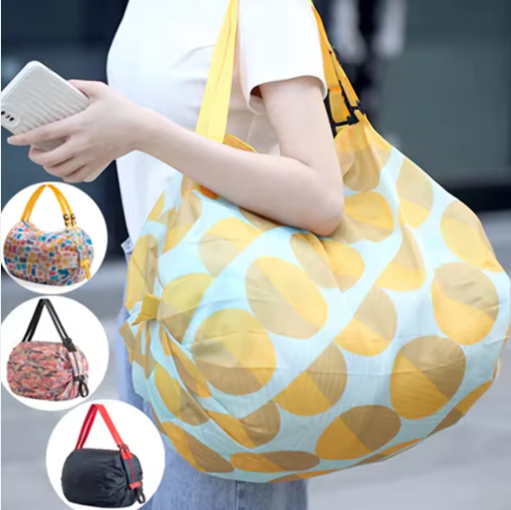
Every time a consumer places fresh produce, raw meat, or packaged goods into a grocery bag, they are making an implicit assumption: that the bag is safe. Yet the material composition of a grocery bag plays a far more consequential role in food safety than most shoppers, retailers, or even supply chain managers realize. From microbial contamination to chemical migration and temperature sensitivity, the bag itself can become either a protective layer or an unintentional hazard in the food handling chain.
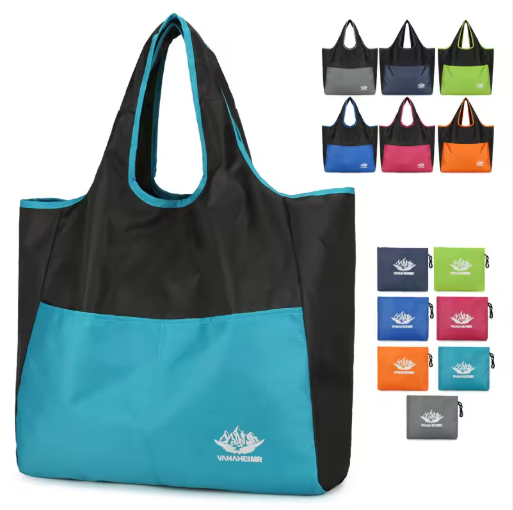
Understanding how grocery bag material influences food safety is essential for businesses sourcing packaging solutions, retailers selecting reusable options, and brands looking to align with food-grade compliance standards. This article examines the mechanisms by which material type affects contamination risk, structural integrity, and long-term hygiene performance — all critical dimensions for anyone making informed decisions about grocery bag selection in commercial and industrial contexts.
The Material Spectrum of the Modern Grocery Bag
Polypropylene Woven Fabric and Its Food Contact Properties
Polypropylene (PP) woven fabric is one of the most widely used materials for reusable grocery bag production, and for good reason. PP is inherently resistant to many organic chemicals, oils, and moisture, which means it does not readily absorb food residues the way some textile-based materials do. This non-porous surface characteristic is a significant advantage in food safety scenarios where cross-contamination between food types is a primary concern.
A PP woven grocery bag typically features tightly interlocked strands that minimize fiber shedding — a key consideration when the bag is used to carry loose produce or open food items. Fiber contamination, though often overlooked, can introduce foreign material into food packaging and even directly onto food surfaces in bulk-carry scenarios. The structural tightness of a quality woven grocery bag reduces this risk substantially compared to loosely woven natural fiber alternatives.
From a regulatory standpoint, polypropylene is generally recognized as a food-safe polymer when manufactured to appropriate standards. It does not contain plasticizers like phthalates or BPA, which have been flagged for potential endocrine-disrupting effects when leached into food contact surfaces. For commercial buyers sourcing large volumes of grocery bag products, PP woven construction offers a compelling combination of food-safe material properties and structural durability.
Single-Use Plastic Films and Their Contamination Dynamics
High-density polyethylene (HDPE) and low-density polyethylene (LDPE) films have long dominated the single-use grocery bag market. Their thin gauge construction provides a barrier against moisture but introduces different food safety concerns compared to woven materials. Because these film-based bags are typically used once and discarded, the contamination risk per use cycle is relatively low — but this assumes clean production conditions and responsible handling throughout the supply chain.
The key food safety risk with plastic film grocery bag options lies in additive chemistry. Slip agents, antioxidants, and pigment compounds added during film extrusion can migrate to bag surfaces over time, especially under heat and UV exposure. While regulated, these migrations are a real factor in extended storage scenarios where food items remain in contact with the bag for prolonged periods.
Temperature management also matters significantly with film-based options. A plastic film grocery bag exposed to high temperatures in a vehicle trunk or warehouse can soften and increase the rate of chemical migration, particularly if the bag was not manufactured to food-grade additive standards. Buyers sourcing film-based grocery bag options for food retail should verify compliance with applicable food contact material (FCM) regulations in their target markets.
Reusability, Hygiene Cycles, and Cross-Contamination Risk
How Reuse Cycles Transform Food Safety Risk Profiles
A reusable grocery bag presents a fundamentally different food safety profile than a single-use alternative. Each use cycle introduces new contamination opportunities — raw meat juices, produce soil residues, and packaging leaks can all deposit biological material onto the inner surfaces of the bag. Without regular and thorough cleaning, these residues accumulate and create conditions favorable for bacterial growth, including pathogens such as E. coli and Salmonella.
Research in food safety literature has demonstrated that reusable grocery bag samples collected from consumers in various studies often contain coliform bacteria and other indicators of fecal contamination, primarily because consumers do not clean their bags regularly. The material of the grocery bag directly influences how effectively it can be cleaned and how resistant it is to retaining biological residues between washes.
A woven PP grocery bag with a smooth laminated interior can be wiped down or machine washed without degrading its structure, making it significantly easier to maintain hygiene standards across multiple use cycles. In contrast, non-woven polypropylene bags with fibrous inner surfaces are harder to clean thoroughly, as residues can become embedded between fibers and resist standard washing methods.
Material Texture and Bacterial Retention Rates
Surface texture at the microscopic level has a direct bearing on how effectively bacteria adhere to a grocery bag's interior. Rough, fibrous, or highly porous surfaces provide more attachment points for microorganisms and make complete disinfection more difficult. This is an underappreciated dimension of grocery bag material selection in food safety contexts.
Smooth-surfaced materials, including laminated woven bags and coated non-woven options, reduce bacterial adhesion and allow sanitizing agents to contact a higher proportion of the surface during cleaning. A grocery bag designed for repeated use in food-sensitive environments should prioritize interior surface smoothness as a core specification, not merely an aesthetic consideration.
For businesses sourcing grocery bag solutions for food retail, institutional catering, or wholesale produce distribution, specifying interior surface properties alongside load capacity and structural strength represents a more complete approach to procurement that genuinely protects consumers and reduces liability risk.
Chemical Migration and Food Contact Safety Standards
Understanding Migration Pathways in Grocery Bag Materials
Chemical migration is the process by which substances present in a packaging material transfer to the food it contacts. For a grocery bag, this is most relevant when food items are in direct, prolonged contact with the bag's interior surface — loose produce, unpacked bakery items, or bulk dry goods, for example. The rate and extent of migration depend on the type of polymer, the specific additives used, the contact time, and the temperature.
PP-based grocery bag materials generally exhibit lower migration potential than softer, more flexible films because their higher crystallinity limits molecular mobility. However, dyes and pigments used in colored grocery bag designs can be a source of concern if not selected from food-safe colorant systems. Regulatory frameworks in markets including the EU, US, and China specify which substances may be used in food contact materials, and buyers should request documentation confirming that their grocery bag supplier uses compliant colorant and additive systems.
The distinction between food-contact and non-food-contact material standards is also practically important. A grocery bag marketed as a general retail carrier bag may not have been tested or certified for direct food contact, even if its base polymer is nominally food-safe. Procurement teams sourcing grocery bag products for food sector applications should request specific food contact compliance certificates, not simply general material safety data sheets.
Regulatory Frameworks Governing Grocery Bag Food Safety
Food contact material regulations govern what materials and substances can legally be used in any item that comes into contact with food, including a grocery bag intended for direct food contact applications. In the European Union, Regulation (EC) No 1935/2004 sets out the general safety framework, with specific measures for plastics under Regulation (EU) No 10/2011. These frameworks require that food contact materials do not transfer substances to food in quantities that could endanger human health or cause unacceptable changes in food composition.
In the United States, the FDA regulates indirect food additives, which include components of food packaging and grocery bag materials under 21 CFR regulations. Compliance with these regulations requires that specific substances used in the grocery bag's construction meet established migration limits and overall migration thresholds. For international buyers and retailers, aligning procurement standards with the strictest applicable regulatory framework provides the most robust food safety assurance.
Custom-manufactured grocery bag products, especially those produced to branded specifications at scale, must undergo documentation review as part of the sourcing process. Buyers sourcing custom large PP woven shopping bag formats for food retail should specifically verify whether the bag's lamination layers, inks, and base fabric comply with relevant food contact regulations in their distribution markets.
Structural Integrity and Food Safety Implications
Load Capacity, Deformation, and Food Damage Risk
A grocery bag that fails structurally during use poses food safety risks beyond mere inconvenience. When a bag tears or deforms under load, raw and ready-to-eat foods can come into contact with contaminated surfaces — store floors, vehicle interiors, or public transit environments. Material selection directly governs the structural performance of a grocery bag and, by extension, its ability to maintain the physical separation that protects food integrity during transport.
Woven PP grocery bag constructions offer superior tensile strength per unit weight compared to non-woven or film alternatives. The interlocked woven structure distributes load forces across multiple strands, making catastrophic failure far less likely under normal shopping load conditions. This matters in food safety terms because structural failure events are one of the most direct ways a grocery bag can compromise the safety of the food items it carries.
Sharp edges from rigid packaged goods — canned goods, boxed products, bottles — can also abrade the interior surface of a grocery bag over time, creating microscopic tears that become reservoirs for biological contamination. Specifying an appropriate base fabric weight and weave density for the expected load profile is a practical step that food-sector buyers should build into their grocery bag sourcing criteria.
Moisture Management and Microbial Growth Conditions
Moisture trapped within a grocery bag creates favorable conditions for microbial proliferation. When wet produce, leaking packaging, or condensation introduces moisture to a bag's interior, the residual dampness — if not quickly dried — can support mold and bacterial growth between uses. The material's moisture management properties therefore directly influence the microbial safety of the bag over its service life.
A laminated or coated grocery bag surface resists moisture absorption more effectively than an uncoated woven or non-woven surface. This means that even if moisture is introduced during use, it does not penetrate deeply into the material structure and can be removed by wiping or air drying more easily. For frequent-use grocery bag applications in food retail, laminated constructions offer a measurable hygiene advantage.
Buyers sourcing grocery bag formats for humid climates or refrigerated food applications should pay particular attention to moisture barrier properties in their material specification. A grocery bag that performs well in dry ambient conditions may develop hygiene problems much faster in high-humidity environments or when used for chilled or frozen food transport without adequate drying protocols between uses.
FAQ
Is a woven PP grocery bag safe for carrying raw food items directly?
A woven PP grocery bag with a food-grade laminated interior can be suitable for carrying raw food items when used with appropriate segregation practices — such as placing raw meat in a sealed secondary container before placing it in the grocery bag. The base polymer is generally food-safe, but buyers should verify that the specific construction, including any lamination, dyes, and inks used, complies with relevant food contact material standards in their target market before making this use case standard practice.
How often should a reusable grocery bag be cleaned to maintain food safety standards?
Food safety authorities generally recommend cleaning a reusable grocery bag after every use, particularly when it has carried raw meat, produce with visible soil, or any item with potential to leak. The cleaning frequency required also depends on the bag's material and interior surface design. A smooth-surfaced, laminated grocery bag can typically be wiped clean quickly, making per-use cleaning more practical than it would be for a heavily fibrous alternative that requires full machine washing to achieve comparable hygiene results.
Do grocery bag colors or printed graphics affect food safety?
The colorants and inks used in a grocery bag's decoration can pose food safety risks if they are not selected from food-contact compliant systems. This is especially relevant for interior surface printing or where the exterior print layer is not fully sealed from contact with food items. Buyers should request confirmation from their grocery bag supplier that all inks and pigments used comply with applicable food contact material regulations, particularly for bags intended for direct food contact applications or market regions with stringent FCM standards.
What is the difference between a food-safe grocery bag and a standard retail carrier bag?
A food-safe grocery bag has been manufactured using materials and additives that comply with food contact material regulations, meaning the substances used have been assessed for migration potential and confirmed not to transfer harmful quantities of chemical substances to food. A standard retail carrier grocery bag is designed for general merchandise transport and may use additives or dyes that are not approved for food contact scenarios. The distinction is regulatory and documentation-based — physically identical bags may differ significantly in their compliance status depending on the additive systems used during production.
Table of Contents
- The Material Spectrum of the Modern Grocery Bag
- Reusability, Hygiene Cycles, and Cross-Contamination Risk
- Chemical Migration and Food Contact Safety Standards
- Structural Integrity and Food Safety Implications
-
FAQ
- Is a woven PP grocery bag safe for carrying raw food items directly?
- How often should a reusable grocery bag be cleaned to maintain food safety standards?
- Do grocery bag colors or printed graphics affect food safety?
- What is the difference between a food-safe grocery bag and a standard retail carrier bag?