

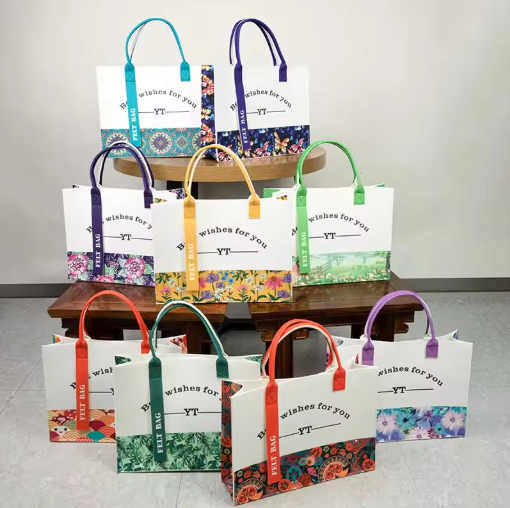
A tote bag is one of the most versatile and widely used accessories in both everyday life and business settings. Whether you are purchasing one for personal use, corporate gifting, retail merchandising, or bulk promotional purposes, making an informed decision before finalizing your purchase can save you significant time, money, and frustration. Not every tote bag on the market is built the same way, and the differences in material, construction, capacity, and finish can dramatically affect its long-term value and usability.
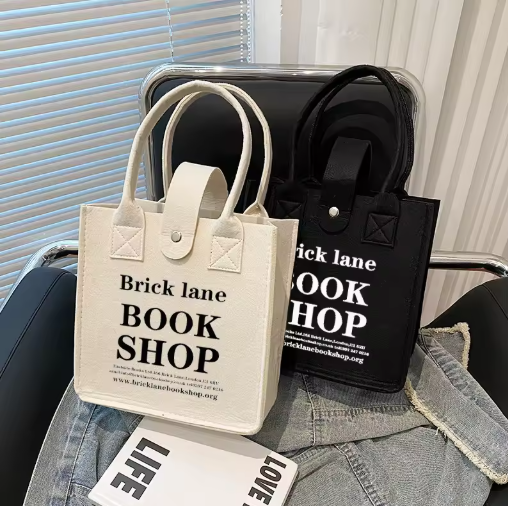
This guide is designed to walk you through every critical checkpoint before committing to a tote bag purchase. From evaluating fabric weight and stitching quality to understanding print durability and functional design features, each factor plays a meaningful role in determining whether a tote bag will meet your expectations or fall short after just a few uses. Understanding these criteria is especially important for buyers sourcing in volume or selecting a tote bag as a brand-facing product.
Material Quality and Fabric Weight
Why Fabric Type Matters for a Tote Bag
The material of a tote bag determines almost everything about its performance — how much weight it can carry, how it feels in the hand, how well it holds its shape, and how long it will last under regular use. Common materials include cotton canvas, jute, non-woven polypropylene, polyester, and recycled fabrics. Each has its own strengths, and the right choice depends entirely on the intended application.
Cotton canvas is widely regarded as one of the most reliable materials for a durable tote bag. It offers a natural texture, breathability, and the structural integrity needed to carry heavy items without sagging or tearing. A canvas tote bag made from 10 oz to 16 oz fabric is generally considered medium to heavy duty, while anything below 8 oz may feel flimsy for daily use.
If you are considering a tote bag for promotional or retail use, cotton canvas also provides an excellent print surface for screen printing, embroidery, or heat transfer designs. This versatility makes it a preferred choice across industries ranging from retail and fashion to education and corporate branding.
Checking Fabric Weight and Weave Density
Fabric weight is typically measured in ounces per square yard (oz) or grams per square meter (GSM). A higher GSM number generally indicates a thicker, more durable canvas. For a tote bag intended to hold books, groceries, or professional materials, look for a GSM of at least 280 to 350. Bags below this range may still be suitable for light-use scenarios like event giveaways, but they are less suitable for daily carry.
The weave density of the canvas also influences how the tote bag holds up over time. A tightly woven canvas is less prone to fraying, resists moisture better, and maintains its shape after washing. When inspecting or requesting samples, gently stretch the fabric in different directions — a well-woven canvas should show minimal distortion and return to its original form.
Construction, Stitching, and Structural Integrity
Evaluating Seams and Stress Points
Even the best fabric can fail if a tote bag is poorly constructed. The quality of the stitching — particularly at seams, corners, and handle attachment points — determines how the bag will perform under stress. Before purchasing, examine whether the stitching is even, tight, and consistent across the entire bag. Loose threads, skipped stitches, or uneven seam lines are early warning signs of inferior craftsmanship.
Double-stitched seams are the industry standard for a quality tote bag intended for regular use. At the base corners, reinforced stitching or bartacking adds extra durability at the points most likely to bear concentrated weight. A tote bag designed without these reinforcements may develop tears at the seams after only moderate use, especially when carrying heavier loads.
If you are ordering a tote bag in bulk for your business, always request a physical sample before confirming a large order. This allows you to test the stitching quality, stress the handles, and verify that the construction matches the supplier's specification sheet.
Handle Attachment and Strap Length
The handles of a tote bag are arguably its most structurally critical component. A handle that detaches or frays quickly renders the bag essentially unusable. Check that the handle is attached using bartacking or reinforced box stitching rather than a simple single-stitch loop. The attachment area should feel secure and show no signs of puckering or pulling at the base fabric.
Strap length is another practical consideration. A tote bag with handles that are too short may be uncomfortable to carry by hand and impossible to wear over the shoulder. Standard shoulder-friendly strap length is typically around 28 to 30 inches for adults. For brands designing a tote bag as a lifestyle product or retail item, offering a slightly longer or adjustable strap can improve perceived value and user satisfaction.
Size, Capacity, and Functional Design
Matching Bag Dimensions to Use Case
The ideal size of a tote bag depends heavily on how it will be used. A compact tote bag measuring around 13 x 14 inches may be appropriate for light daily carry, quick shopping trips, or small promotional events. A larger tote bag — closer to 15 x 16 inches or more — is better suited for carrying work materials, groceries, books, or gym supplies.
Gussets are an often-overlooked design element that significantly affect carrying capacity. A tote bag with side or bottom gussets expands the usable interior volume while maintaining an organized structure. For buyers sourcing a tote bag for practical business purposes or retail sale, gussets add functional value that end-users genuinely notice and appreciate.
The Value of a Front Pocket and Interior Organization
A well-designed tote bag should offer more than just a single open compartment. A front exterior pocket, for example, provides immediate access to items like a phone, keys, card holder, or transit pass without requiring the user to dig through the main compartment. This small feature dramatically improves the daily usability of a tote bag and is often cited as a deciding factor by end-users comparing similar products.
Interior organization features such as zippered inner pockets, slip pockets, or key fob attachments further elevate the functional appeal of a tote bag. When evaluating options, consider how the target user will interact with the bag on a daily basis. A tote bag with thoughtful organizational features communicates quality and consideration — both of which translate directly into brand perception when the bag is used for corporate gifting or branded merchandise.
Print Quality and Branding Considerations
Assessing Logo and Print Durability
For businesses purchasing a tote bag as a branded item, the print quality is a direct reflection of the brand itself. The most common decoration methods include screen printing, embroidery, heat transfer, and digital direct-to-garment printing. Each method varies in durability, color vibrancy, and cost, and the right choice depends on the design complexity and expected frequency of washing.
Screen printing on a canvas tote bag delivers sharp, vivid colors and excellent durability when done correctly. The ink should be cured properly to prevent cracking or fading after washing. Ask for wash-test results or request that the supplier demonstrate the longevity of the print. A tote bag whose print begins to crack or peel after just a few washes fails to represent a brand well and quickly loses its intended marketing value.
Embroidery offers a premium, textured finish that conveys quality and longevity. However, it is better suited for simpler designs with fewer color transitions. For a tote bag that will be used as an upscale corporate gift or retail product, embroidery adds perceived value that screen printing alone may not achieve.
Placement Accuracy and Color Matching
Even with high-quality print methods, placement accuracy and color matching are areas that frequently cause dissatisfaction when not verified in advance. Before approving production of a branded tote bag, request a physical pre-production sample that reflects the actual printing process, color, and placement. Digital mockups often look perfect on screen but may differ from the real printed result.
Color matching becomes especially important when a tote bag is part of a broader brand identity system. If your logo uses specific Pantone colors, ensure the supplier can match them accurately on the canvas material. Fabric naturally absorbs ink differently than paper or plastic, and some colors may appear slightly different on a natural cotton surface. Verifying this before full production avoids costly reprints and timeline delays.
Sustainability and Ethical Sourcing
Why Eco-Friendly Materials Are a Buying Factor
An increasing number of buyers — both corporate and individual — consider environmental sustainability when selecting a tote bag. Cotton canvas is biodegradable and recyclable, which is a significant advantage over synthetic alternatives. Organic cotton options go a step further by eliminating pesticides and synthetic fertilizers from the production chain, making the final tote bag more aligned with environmental responsibility commitments.
Recycled materials, such as bags made from post-consumer PET bottles or recycled cotton blends, are also growing in popularity. A tote bag produced using recycled content can become a meaningful part of a brand's sustainability storytelling, particularly when the bag is used as a branded giveaway or corporate merchandise item at events and trade shows.
Certifications and Compliance Standards
Before purchasing a tote bag in large quantities, it is worth asking whether the product or manufacturing facility holds any relevant certifications. GOTS (Global Organic Textile Standard) certification, for example, confirms that a cotton tote bag meets rigorous organic and social criteria from fiber to finished product. OEKO-TEX certification verifies that the bag has been tested for harmful substances and is safe for regular human contact.
These certifications are not just marketing tools — they are practical reassurances that the tote bag meets internationally recognized standards. For corporate buyers in regulated industries, healthcare, food, or education sectors, choosing a certified tote bag may also simplify internal procurement approval processes.
FAQ
What is the most important factor to check when buying a tote bag?
The most important factor depends on your use case, but material quality and stitching construction are generally the foundational elements to evaluate. A tote bag made from quality canvas with reinforced seams and bartacked handles will outperform a cheaper alternative in durability and usability. For branded or bulk purchases, print quality and color matching accuracy become equally critical considerations.
How do I know if a tote bag is durable enough for daily use?
Look for a canvas weight of at least 280 GSM or 10 oz, double-stitched seams, reinforced handle attachment points, and a well-structured base. A tote bag with these features should reliably carry moderate to heavy loads daily without structural failure. Requesting a physical sample and testing the handle stress before ordering in bulk is the most reliable way to verify durability claims.
Is a front pocket an important feature in a tote bag?
Yes, a front pocket significantly improves the practical usability of a tote bag. It provides quick access to frequently used items without disturbing the main compartment's contents. For a tote bag used in professional settings, retail, or gifting contexts, a front pocket also elevates the product's perceived value and user experience.
What should I verify before ordering a branded tote bag in bulk?
Before committing to a bulk order of a branded tote bag, request a pre-production physical sample that shows the actual print method, color accuracy, placement, and overall construction. Verify fabric weight, stitching quality at stress points, and whether the supplier's production meets any relevant certifications like OEKO-TEX or GOTS. Confirming these elements upfront protects your investment and ensures the final product reflects your brand standards accurately.