

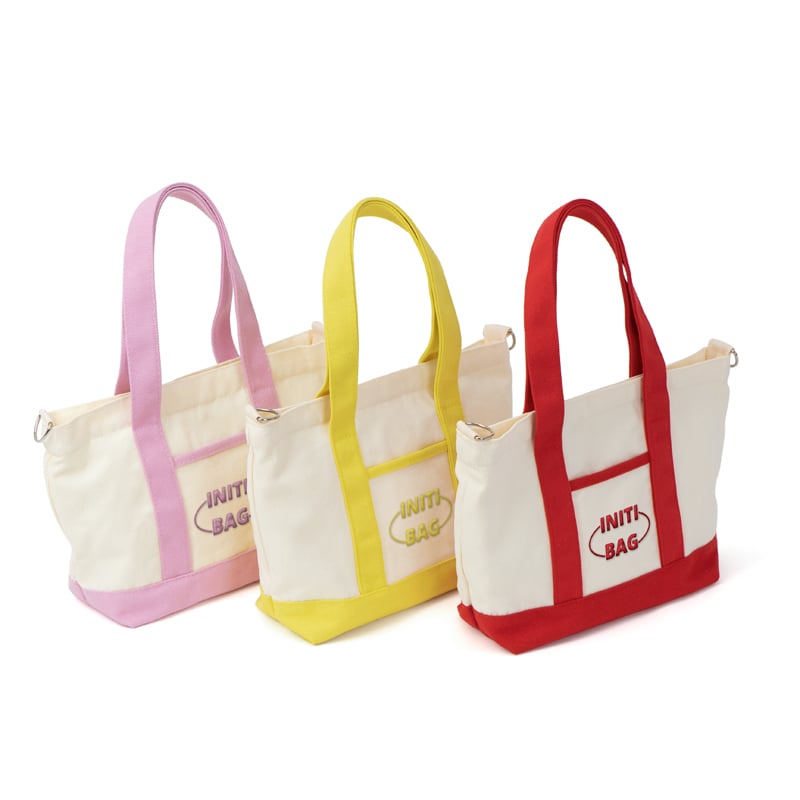
A cotton bag is one of the most widely recognized and consistently valued types of reusable carry bags in both consumer and commercial markets. Made from natural cotton fibers, this type of bag has earned its reputation through a combination of durability, breathability, and environmental compatibility that most synthetic alternatives simply cannot match. Whether used as a shopping tote, a promotional giveaway, or an everyday carry accessory, the cotton bag occupies a unique position in the world of bags — one shaped by its material origin, manufacturing process, and the practical qualities that naturally follow.
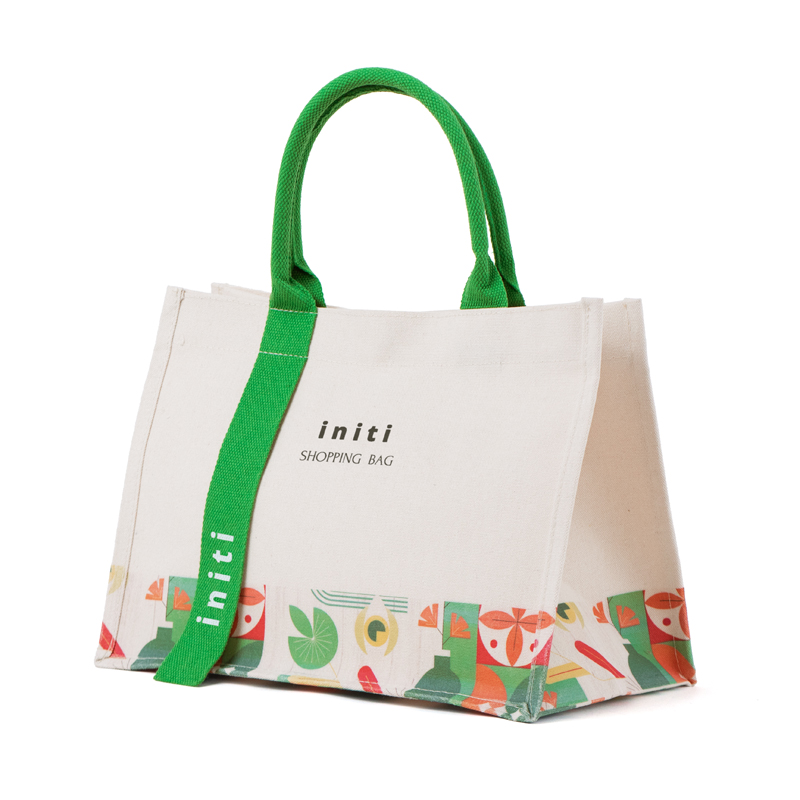
Understanding what a cotton bag actually is — and how it differs from non-woven bags, polyester bags, jute bags, and other common options — is essential for businesses making sourcing decisions and for consumers looking to make more informed, sustainable choices. This article defines the cotton bag in detail, explores its distinguishing characteristics, and places it clearly in context against the broader landscape of bag types available today.
Defining the Cotton Bag
Material Origins and Fiber Composition
At its core, a cotton bag is constructed from cotton fibers that are spun into yarn and then woven or knitted into fabric. The most common weave used for bags is a plain weave, which creates a canvas-like surface that is both firm and flexible. Depending on the thread count and weave density, the resulting fabric can range from lightweight muslin to heavy-duty canvas. This range of weights makes the cotton bag adaptable across a wide variety of end uses.
Cotton itself is a natural cellulosic fiber harvested from the cotton plant. Because it comes from a plant-based source, it is biodegradable, compostable under the right conditions, and free from the petroleum-derived compounds found in most synthetic fabrics. These properties give the cotton bag a fundamental environmental advantage that has driven its growing adoption in markets that prioritize sustainability and reduced plastic dependency.
The fabric used in a cotton bag is also naturally breathable, meaning air can circulate through the weave structure. This is especially important for carrying food, produce, or any items that benefit from ventilation rather than sealed enclosure. The breathability of cotton is a direct result of its fiber structure and weave pattern, which cannot be replicated in the same natural way with synthetic materials.
Common Forms and Structures
The cotton bag appears in many structural forms, with the tote bag being the most widely produced variant. A tote-style cotton bag typically features two parallel handles sewn to the top opening, allowing it to be carried by hand or over the shoulder. Variations include zippered closures, internal compartments, front pocket additions, and bottom gussets for expanded capacity. Each structural variation serves a different practical purpose while retaining the base qualities of the cotton material.
Beyond the tote format, cotton bags are also produced as drawstring pouches, backpack-style carriers, produce bags, and flat shopper bags. The cotton bag with a front pocket, for instance, represents a practical evolution of the standard tote, adding a secondary compartment for small items like phones, cards, or keys. This structural flexibility is one reason the cotton bag remains highly relevant across a broad range of industries and user needs.
How the Cotton Bag Differs From Synthetic Bag Alternatives
Cotton Bag vs. Polyester and Nylon Bags
Polyester and nylon bags are made from petroleum-based synthetic fibers. While they are lightweight, water-resistant, and often very affordable to produce, they come with environmental trade-offs that the cotton bag does not carry. Synthetic bags shed microplastics when washed and do not biodegrade in natural environments, leaving long-lasting residue in soils and waterways. A cotton bag, by contrast, degrades naturally over time without releasing persistent synthetic pollutants.
From a tactile and visual standpoint, synthetic bags often have a plastic-like sheen and feel, whereas the cotton bag offers a natural, matte textile surface that prints and dyes more cleanly. For businesses using bags as branded merchandise or promotional tools, the cotton bag's printability — especially with screen printing, heat transfer, or embroidery — typically produces a more premium, lasting finish compared to polyester alternatives.
In terms of strength, heavy cotton canvas can compete effectively with many synthetic options. While nylon has a higher tensile strength per denier, the thickness and construction quality of canvas-grade cotton bag fabric can support substantial loads, making it suitable for grocery shopping, retail packaging, and daily commute use. The weight difference is noticeable, but for most practical applications, a well-constructed cotton bag more than meets the performance threshold.
Cotton Bag vs. Non-Woven Polypropylene Bags
Non-woven polypropylene (PP) bags are extremely common in retail and promotional contexts because of their very low production cost. However, they are not made from a natural fiber — they are composed of bonded plastic strands and share the same petrochemical origins as standard plastic bags. A cotton bag is fundamentally different in that its entire structure comes from a renewable agricultural crop rather than a fossil fuel derivative.
Non-woven PP bags have a limited lifespan. Their bonded fiber structure is prone to tearing under stress and does not hold up well to repeated washing. A cotton bag, particularly one made from medium-to-heavy canvas, typically withstands dozens to hundreds of wash cycles with minimal structural degradation, giving it a much longer usable life. This extended lifespan plays directly into the lifecycle sustainability argument in favor of cotton.
Visual quality and brand perception also differ. Non-woven PP bags have a noticeably utilitarian appearance, whereas a cotton bag conveys a sense of quality, care, and environmental commitment. For B2B buyers selecting bags for brand campaigns, gifting, or point-of-sale packaging, the cotton bag consistently communicates a higher brand value than its non-woven counterpart.
How the Cotton Bag Compares to Natural Fiber Alternatives
Cotton Bag vs. Jute Bag
Jute is another natural plant-based fiber and is a common material for eco-friendly bags. On the surface, a jute bag and a cotton bag appear similar in their sustainability credentials — both are natural, biodegradable, and renewable. However, they differ meaningfully in texture, appearance, and usability. Jute fabric has a coarser, more textured surface that limits the quality of printed graphics and creates a rougher feel against the skin or delicate items.
A cotton bag offers a much softer hand feel and a smoother surface, which makes it more suitable for applications where aesthetics and tactile quality matter. Cotton also accepts dyes and prints with greater precision and color fidelity, making it the preferred choice for detailed custom designs. For B2B uses involving branded retail packaging or lifestyle merchandise, the cotton bag typically outperforms jute in terms of visual sophistication.
Jute does have a weight and rigidity advantage for certain storage applications, but for everyday carry use, the cotton bag is generally considered more comfortable and user-friendly. Moisture resistance is a weakness of both materials — neither cotton nor jute performs well in wet conditions without additional treatment — though cotton can be treated or laminated more easily than jute.
Cotton Bag vs. Canvas and Duck Cloth Variants
It is worth noting that 'canvas' and 'duck cloth' are not different materials from cotton — they are specific weave styles and fabric weights within the cotton category itself. A canvas cotton bag is simply a cotton bag made from a heavier, tighter weave that offers increased durability and structure. Duck cloth is an even denser variant, often used in workwear and industrial carry applications.
When people compare a cotton bag to a canvas bag, they are often comparing fabric weights rather than different material types. A lightweight cotton bag made from 4 oz muslin will behave very differently from one made from 12 oz canvas, even though both are technically cotton. Understanding this internal variation within the cotton bag category helps buyers select the appropriate product for their specific load requirements, aesthetic preferences, and budget.
Practical and Commercial Relevance of the Cotton Bag
Applications Across Industries
The cotton bag is used across a remarkably wide range of commercial contexts. Grocery retailers have adopted it as an alternative to single-use plastic shopping bags. Fashion and lifestyle brands use custom cotton tote bags as both retail products and brand promotion tools. Event organizers include cotton bags in conference kits, welcome packages, and trade show giveaways. Educational institutions, nonprofits, and wellness brands all favor the cotton bag for its alignment with responsible and community-conscious values.
In the B2B sector, the cotton bag's customizability is a particularly important commercial attribute. Businesses can order cotton bags in custom sizes, colors, and configurations, with precise branding applied through various printing techniques. This level of customization supports consistent brand presentation across retail, gifting, and packaging applications, which is difficult to achieve with less workable materials like jute or non-woven PP.
The cotton bag is also frequently chosen by businesses that have made public sustainability commitments. By replacing single-use or short-life alternatives with a durable, natural-fiber cotton bag, these businesses reinforce their environmental positioning with a tangible, daily-use product. This alignment between material choice and brand values is an increasingly important consideration in B2B procurement decisions.
Durability, Maintenance, and Lifespan Considerations
One of the most commercially relevant qualities of the cotton bag is its washability. Unlike non-woven PP bags, which tend to fall apart after a few washes, a quality cotton bag can be laundered repeatedly and returned to regular use. This makes it a genuinely long-life product rather than a short-cycle disposable, which is the environmental justification for any higher unit cost relative to cheaper alternatives.
Care for a cotton bag is straightforward — most variants can be machine washed in cold water and air dried without significant shrinkage or color loss, particularly when made from pre-washed or pre-shrunk fabric. For business buyers, this durability means the cotton bag reaches more use cycles per unit, maximizing the return on investment and the environmental offset against single-use alternatives.
Over time, cotton fabric does soften with use and washing, which many users find aesthetically pleasing. The aged texture of a well-used cotton bag carries a character that synthetic bags cannot replicate. For lifestyle and fashion-oriented applications, this quality adds to the product's perceived value rather than detracting from it.
FAQ
What makes a cotton bag different from a regular plastic shopping bag?
A cotton bag is made from natural plant-based fibers, making it biodegradable, reusable, and free from petroleum-based materials. A plastic shopping bag is derived from fossil fuels, takes hundreds of years to decompose, and contributes to microplastic pollution. The cotton bag is designed for repeated long-term use, while a standard plastic bag is typically intended for single use.
Is all canvas the same as a cotton bag?
Canvas is a specific type of woven fabric that is most commonly made from cotton. So in most cases, a canvas bag is a type of cotton bag — specifically one made from heavier, more densely woven cotton fabric. However, canvas can also sometimes be made from synthetic fibers, so it is worth confirming the fiber composition when the material type matters for sustainability or certification purposes.
How many times can a cotton bag be reused before it needs replacing?
A well-constructed cotton bag made from medium or heavy canvas fabric is capable of withstanding dozens to well over a hundred use cycles when properly maintained. The exact lifespan depends on the fabric weight, stitching quality, handle attachment, and how the bag is used and cared for. Regular washing with gentle settings significantly extends the usable life of a cotton bag compared to rough handling or improper storage.
Why do businesses prefer the cotton bag for branded merchandise over synthetic options?
Businesses favor the cotton bag for branded merchandise because it offers superior print quality, a natural texture that aligns with premium or eco-conscious brand positioning, and a longer usable life that keeps the brand visible in the hands of end users for a prolonged period. The cotton bag also communicates environmental responsibility by association, which strengthens brand perception in markets where sustainability is a key value for the target audience.