

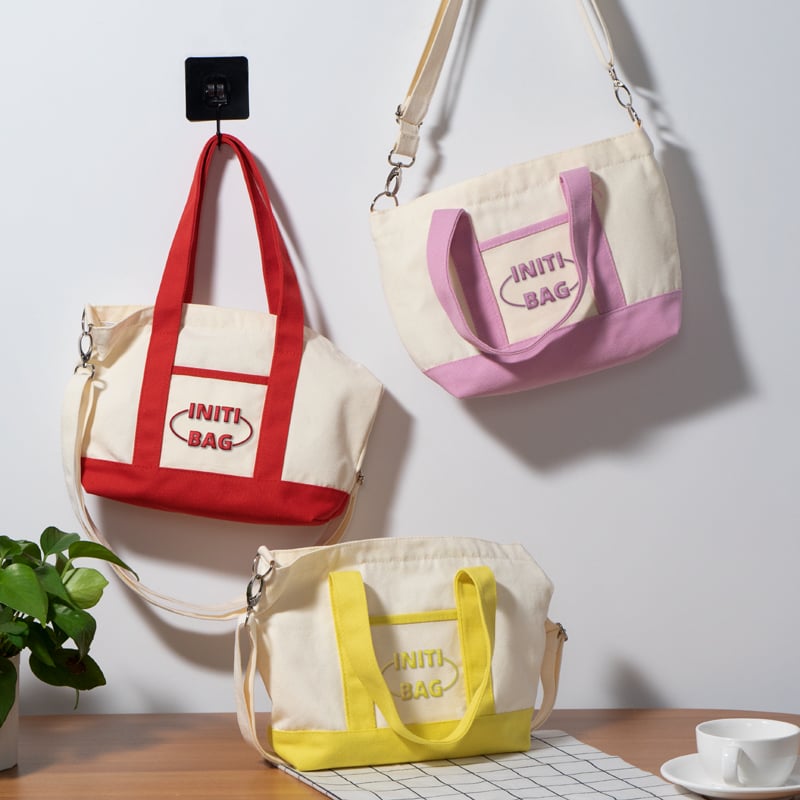
Choosing the right bag material is not merely a matter of personal taste — it is a practical business and sustainability decision that carries real consequences. Whether you are a brand manager sourcing promotional merchandise, a retailer curating eco-friendly product lines, or a procurement officer evaluating packaging alternatives, the choice between a cotton bag and a synthetic one will affect your brand image, environmental footprint, and end-user experience. Understanding when cotton is the better choice requires clarity on both material characteristics and situational context.

The market for reusable bags has grown significantly as consumers and businesses alike shift toward more responsible choices. Within this market, the cotton bag occupies a distinct and well-respected position. However, synthetic bags — made from materials like polypropylene, polyester, or nylon — continue to serve specific needs where cotton falls short. The decision is not always obvious, and making the wrong call can lead to misaligned messaging, wasted budget, or a poor product experience. This article walks through the core scenarios and criteria that should guide your selection.
Understanding the Core Differences Between Cotton and Synthetic Bags
Material Composition and Its Practical Meaning
A cotton bag is made from natural plant-derived fibers, which gives it a distinctive texture, breathability, and appearance that synthetic materials simply cannot replicate. Cotton is biodegradable under the right conditions, making it a preferred choice among environmentally conscious brands and consumers. Synthetic bags, by contrast, are typically manufactured from petroleum-based polymers that are engineered for durability, moisture resistance, and low production cost.
The physical properties of a cotton bag — including its absorbency, softness, and printability — make it particularly suitable for applications where tactile quality and aesthetic presentation matter. Synthetic alternatives may offer superior waterproofing and tear resistance, but they lack the organic warmth and premium feel that cotton provides. For B2B buyers, this distinction directly shapes how a bag will be perceived when placed in the hands of a customer or trade show attendee.
It is also worth noting that cotton bags come in a range of weights and weaves, from lightweight muslin to heavy-duty canvas. This versatility means a cotton bag can be engineered for many use cases, from a lightweight grocery carrier to a sturdy canvas tote with front pockets designed for everyday professional use. Synthetic bags offer their own range of configurations, but the material baseline remains fundamentally different in feel and environmental implication.
Environmental Profile Across the Product Lifecycle
The environmental argument for choosing a cotton bag is compelling but nuanced. Cotton cultivation is resource-intensive, requiring significant water and land. However, when a cotton bag is used repeatedly over months or years, its lifecycle environmental impact can compare favorably to single-use plastic alternatives and even to some synthetic reusables that are rarely used and eventually discarded in landfills.
Synthetic bags made from polypropylene or polyester can persist in the environment for hundreds of years. A cotton bag, being a natural fiber product, is compostable and will break down far more readily at end of life. For brands that communicate sustainability values to their audiences, this end-of-life advantage is a meaningful part of the story they tell when they choose a cotton bag over a synthetic one.
Organic cotton takes the environmental case further by eliminating synthetic pesticides and fertilizers from the growing process. Recycled cotton is also gaining ground as a way to reduce raw material demand. When your audience understands and values these distinctions, a cotton bag becomes a credible signal of genuine environmental commitment rather than a superficial green gesture.
Scenarios Where a Cotton Bag Outperforms Synthetic Alternatives
Brand Promotions and Corporate Gifting
One of the clearest cases for choosing a cotton bag over a synthetic one is in branded promotions and corporate gifting contexts. A cotton bag communicates quality, thoughtfulness, and values-alignment in a way that a generic polypropylene bag does not. Recipients are more likely to retain and use a cotton bag because it feels like a real product rather than a disposable marketing tool.
Screen printing and embroidery both perform exceptionally well on cotton canvas surfaces, giving brands precise control over how their logos and messaging appear. The fabric accepts ink evenly and holds color well over time, meaning your brand visibility persists with every use. A well-made cotton bag with a front pocket, for example, adds functional value that keeps the bag in regular circulation long after an event ends.
For companies operating in lifestyle, wellness, food, fashion, or sustainability-adjacent sectors, the cotton bag is the natural choice for brand alignment. Handing out a synthetic bag in these contexts can feel incongruous with the brand message, while a cotton bag reinforces the identity the brand is trying to project.
Retail and Consumer Product Packaging
Retailers selling artisan products, organic goods, handmade items, or premium consumables often use a cotton bag as part of the product experience itself. The bag becomes part of the unboxing or presentation moment, contributing to perceived value and customer satisfaction. In this context, the texture and appearance of cotton matter enormously — a synthetic bag would undercut the premium positioning the retailer has worked to establish.
Farmers markets, boutique food brands, wellness product lines, and specialty retailers have all embraced the cotton bag as a standard packaging and carry option. The material aligns naturally with narratives around natural ingredients, handcrafted quality, and responsible sourcing. Customers who receive a cotton bag with their purchase often reuse it, extending the brand's presence into everyday life.
Even in e-commerce contexts where packaging must survive shipping and handling, a cotton bag placed inside a protective outer box can serve as a memorable secondary packaging element. This approach adds a tactile brand touchpoint that a synthetic insert cannot replicate with the same effect.
When Synthetic Bags May Be the More Practical Choice
High-Moisture and Heavy-Load Applications
It would be misleading to suggest that a cotton bag is always superior. There are genuine scenarios where synthetic materials are the more practical choice, and understanding these helps businesses make smarter decisions. When a bag will be regularly exposed to rain, liquids, or outdoor conditions, synthetic materials like nylon or coated polyester offer waterproofing properties that cotton simply cannot match without additional chemical treatment.
Similarly, for extremely heavy loads — such as tools, construction materials, or bulk industrial goods — a heavy-duty synthetic bag may outperform cotton in terms of tensile strength and abrasion resistance. While canvas cotton bags are impressively strong, there are load-bearing thresholds where engineered synthetic fabrics have a clear advantage.
Brands in outdoor recreation, industrial supply, or wet-environment sectors may find that synthetic bags better serve the functional needs of their audience. In these cases, the choice is not about abandoning sustainability principles but about matching material properties to genuine use requirements. A cotton bag used in the wrong context will disappoint users and reflect poorly on the brand that chose it.
Budget-Constrained High-Volume Giveaways
There are situations where the volume of bags required and the budget available simply do not allow for a cotton bag at every touchpoint. Non-woven polypropylene bags, for example, can be produced at very low cost per unit, making them viable for mass event giveaways where hundreds of thousands of bags are needed and per-unit cost is a dominant constraint.
In these scenarios, it is worth asking whether the brand image implications of using a synthetic bag are acceptable. If the event is a large public fair where the bag functions primarily as a distribution vessel for brochures and samples, synthetic may be sufficient. However, if the bag is meant to represent the brand in an ongoing way — carried repeatedly in professional or social settings — investing in a cotton bag is the smarter long-term brand decision.
A tiered approach can also be effective: use a cotton bag for your key audience and premium segments, while reserving lower-cost synthetic options for mass-distribution contexts. This allows brands to maintain quality signaling where it matters most without exceeding budget across the board.
Key Decision Criteria for Choosing a Cotton Bag
Audience Values and Brand Positioning
The most important factor in choosing a cotton bag over a synthetic one is alignment with your audience's values and expectations. If your customers or partners care about sustainability, natural materials, and ethical sourcing, a cotton bag sends exactly the right signal. It demonstrates that your brand practices what it preaches, which builds trust and loyalty over time.
Brand positioning also matters. Luxury, artisan, wellness, and sustainability-focused brands should default to a cotton bag because the material itself carries connotations of quality and care. Brands in fast-moving consumer goods, industrial supply, or cost-sensitive categories may need to weigh these values against practicality, but even in these sectors, choosing a cotton bag for premium touchpoints can differentiate a brand from competitors relying on generic synthetic alternatives.
Understanding your audience's daily context is equally valuable. A cotton bag given to urban professionals who carry it to offices, cafes, and markets will be used and seen frequently. A bag given to industrial workers who need it for site use has different requirements. Matching the material to the user's real context is how you get maximum value from your investment.
Intended Use Frequency and Longevity
A cotton bag delivers its best environmental and brand value when it is used repeatedly over a long period. The more uses a cotton bag accumulates, the better its lifecycle impact per use becomes. This means the cotton bag is best suited to applications where reuse is realistic and encouraged — everyday grocery shopping, commuting, office use, or regular retail carrying.
Features like reinforced handles, a structured base, and a front pocket significantly increase the likelihood that a cotton bag will be retained and used regularly. A well-designed cotton bag becomes a daily companion rather than a forgettable giveaway. Investing in quality construction therefore multiplies the value of choosing cotton in the first place.
If the intended application involves infrequent use or the bag is likely to be stored and forgotten, neither cotton nor synthetic will deliver meaningful brand impact. In such cases, questioning whether a bag is the right format altogether is worthwhile. But when the use case supports regular reuse, a cotton bag consistently outperforms its synthetic counterparts in terms of brand presence, environmental benefit, and user satisfaction.
FAQ
Is a cotton bag always more eco-friendly than a synthetic bag?
Not automatically. A cotton bag requires significant resources to produce, so its environmental advantage is realized through repeated use. When a cotton bag is used many times over its lifespan, it delivers a much better environmental return than a single-use synthetic or a synthetic bag that is rarely used. The key is designing and distributing a cotton bag in contexts where reuse is highly likely.
Can a cotton bag handle heavy or wet contents?
A standard cotton bag is not waterproof, so it is not ideal for carrying wet items or for use in heavy rain without protection. For heavy loads, thick cotton canvas performs well, but extremely heavy industrial loads may exceed what cotton handles comfortably. Waxed or coated cotton options exist for added moisture resistance, but for consistently wet environments, a synthetic bag may be more practical.
What printing methods work best on a cotton bag?
Screen printing and embroidery are the most popular and effective methods for branding a cotton bag. Screen printing delivers crisp, vibrant graphics that hold up well through repeated washing. Embroidery adds a premium, tactile quality that is particularly effective for logos and wordmarks. Digital direct-to-fabric printing is also available for complex, multi-color artwork. All of these methods tend to produce superior results on cotton compared to synthetic materials.
How do I determine the right cotton bag weight for my application?
Cotton bag weight is measured in grams per square meter, commonly noted as GSM. Lighter fabrics around 100 to 140 GSM are suitable for promotional giveaways and lightweight grocery use. Medium weights around 180 to 220 GSM offer a good balance of durability and portability for everyday tote use. Heavier canvas fabrics above 280 GSM are suited for demanding daily use, professional contexts, and bags designed to last for several years. Matching the GSM to the intended use ensures the cotton bag delivers the right experience.