

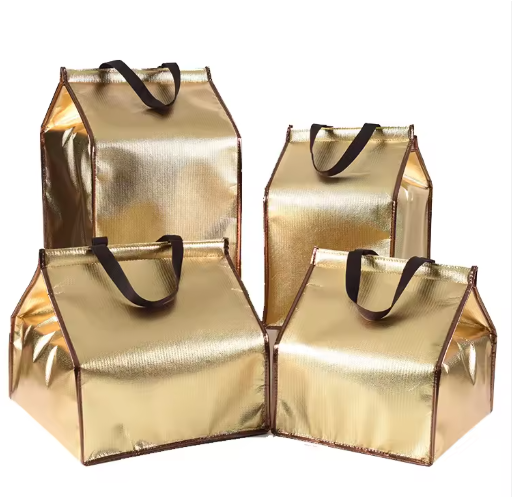
Whether you are heading to a weekend picnic, managing a pharmaceutical delivery route, or packing food for a long outdoor excursion, a cooler bag is one of the most practical tools you can carry. But many users wonder how exactly this seemingly simple bag manages to keep contents cold or warm for hours on end, especially without any external power source. The answer lies in a carefully engineered combination of materials, construction techniques, and thermal physics that work together seamlessly.
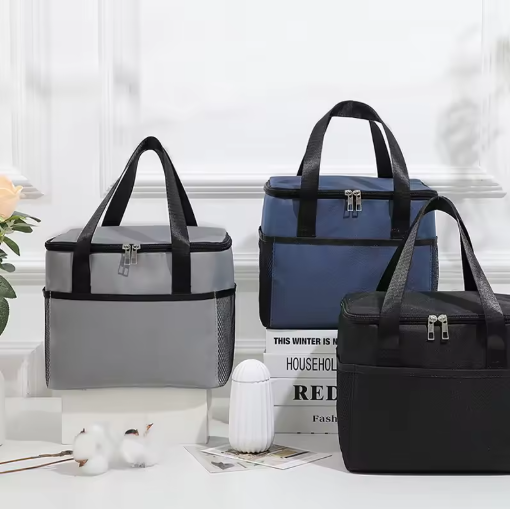
Understanding how a cooler bag maintains temperature over long hours is not just a matter of curiosity — it is essential knowledge for anyone who wants to make the most of their investment. From the insulating foam layers to the reflective interior linings and airtight zipper seals, every component plays a specific role. This article breaks down the science and structure behind effective temperature retention in a cooler bag, giving you the insights needed to choose, use, and trust one with confidence.
The Science of Thermal Insulation Inside a Cooler Bag
How Heat Transfer Is Controlled
At its core, every cooler bag works by slowing down the three primary mechanisms of heat transfer: conduction, convection, and radiation. Conduction involves heat moving through solid materials, convection involves heat moving through air or liquid, and radiation involves heat traveling through electromagnetic waves. A well-designed cooler bag addresses all three simultaneously, creating a robust barrier between the external environment and the contents inside.
Conduction is minimized by using materials that are poor conductors of heat, such as closed-cell foam and thick fabric layers. These materials have very low thermal conductivity, meaning heat passes through them very slowly. The thicker and denser the foam, the more effectively it resists the transfer of external warmth into the bag's interior.
Convection is limited by reducing air circulation inside and around the insulating layers. Most high-quality cooler bag designs incorporate dense foam panels that leave little room for air pockets to form convection currents. Some designs also feature sealed or compressed layers that further eliminate the movement of warm air toward the cold interior.
The Role of Reflective Interior Linings
Radiation is combated through reflective interior surfaces, typically made from materials like PEVA or aluminized foil. These metallic linings reflect thermal radiation back toward the contents rather than absorbing it from the environment. This is the same principle used in space blankets and building insulation — reflective barriers are remarkably effective at preventing radiant heat gain.
In a cooler bag, the reflective inner lining also provides a secondary benefit: it keeps the interior surface clean and easy to wipe down, which matters greatly in food-safe and pharmaceutical transport contexts. The combination of reflective surfaces and dense insulation foam creates an interior environment that is highly resistant to temperature change over extended periods.
Even modest-quality cooler bag models with aluminium-lined interiors demonstrate measurably better temperature retention compared to unlined fabric alternatives. This makes the inner lining not just a cosmetic feature but a fundamental performance component that directly determines how many hours of effective insulation you can realistically expect.
Key Materials That Make a Cooler Bag Effective
Foam Insulation: The Primary Thermal Barrier
The most critical material in any cooler bag is the insulating foam sandwiched between the outer shell and the inner lining. Closed-cell polyethylene foam and EPE (expanded polyethylene) are the most common choices in mid-to-high-range cooler bag products. Closed-cell foam is particularly effective because its structure does not allow water or air to penetrate, preventing the degradation of insulating performance even after prolonged use or exposure to moisture.
The thickness of this foam layer is directly proportional to the duration of temperature retention. Thicker foam means more resistance to heat flow and therefore longer effective insulation. Premium cooler bag models designed for extended field use or professional delivery may feature foam walls that are 1 to 2 centimeters thick, providing insulation windows of 12 to 24 hours or more under controlled conditions.
The density of the foam also matters. Higher-density foam has fewer air pockets and is more structurally resistant, which means it maintains consistent wall thickness under load. When a cooler bag is fully packed and slightly compressed, lower-density foam may thin out at pressure points, creating thermal weak spots. Choosing a bag with appropriately dense foam prevents this performance degradation in real-world use.
Outer Shell and Zipper Seal Integrity
While the foam does the heavy lifting, the outer shell and closure system of a cooler bag play an equally important role in preventing thermal leakage. The outer material — typically 600D polyester or heavy-duty nylon — acts as a protective casing that guards the foam from physical damage, moisture penetration, and UV-related degradation. A damaged outer shell exposes the foam to environmental stressors that can accelerate insulation breakdown over time.
The zipper or closure system is arguably the most critical point of thermal escape in any cooler bag. Gaps, loose zippers, or improperly aligned closures create direct pathways for warm air to enter and cold air to escape. High-performance models use heavy-duty coil zippers with tight tolerances, and some designs incorporate double-zipper pulls or magnetic seals to ensure that the closure remains airtight throughout the journey.
Even a well-insulated cooler bag will lose its thermal advantage quickly if the zipper is opened frequently or left partially unzipped. Understanding this helps users adopt better habits — such as pre-packing everything before sealing and minimizing the number of times the bag is opened — to extend effective insulation time significantly.
Design Features That Extend Temperature Retention Duration
Pre-Cooling the Bag Before Use
One of the most overlooked factors in maximizing how long a cooler bag maintains temperature is pre-cooling the bag itself before loading it with contents. When a cooler bag is stored at room temperature and then packed with cold items, the foam walls first absorb heat from the contents before they begin to insulate. Pre-chilling the bag in a refrigerator for 30 minutes before packing effectively removes this initial heat load, extending the active cooling window considerably.
This simple preparation step can add several hours of effective insulation in field conditions. The bag's foam and lining are already at a lower thermal mass when contents are loaded, so the cooling energy from ice packs or frozen items is used entirely for maintaining temperature rather than first cooling down the bag structure itself.
Many professional users in catering, medical transport, and food delivery routinely pre-cool their cooler bag units as a standard operating procedure. For consumers, adopting this habit can make a noticeable and measurable difference in how long beverages stay cold or how safe perishable food remains during extended outings.
Ice Pack Placement and Load Ratio
The type, placement, and ratio of ice packs to food items inside a cooler bag has a direct impact on performance duration. Ice packs with higher thermal mass — such as gel packs frozen at lower temperatures or high-density ice blocks — release cold energy more slowly than standard ice cubes. Placing ice packs on top of the contents is thermally more effective because cold air naturally sinks and distributes downward through the load.
Maintaining a reasonable ratio of cooling mass to food mass is also important. Overpacking a cooler bag with room-temperature food and too few ice packs forces the cooling elements to work harder and depletes the cold reserve faster. A general best practice is to ensure that at least one-third of the bag's volume is occupied by cooling elements when maximum duration is required.
Minimizing air space inside the cooler bag also helps. Air warms up faster than solid or liquid contents, and large empty spaces inside the bag become thermal reservoirs that accelerate the warming process. Filling gaps with additional ice packs, rolled towels, or even folded insulating sheets reduces this effect and keeps the internal temperature more stable over longer periods.
Practical Applications Where Long-Hour Temperature Retention Matters Most
Food Safety and Catering Transport
In food service and catering environments, a cooler bag is not just a convenience item — it is a food safety tool with regulatory implications. Perishable foods must remain below 5 degrees Celsius or above 60 degrees Celsius to prevent bacterial growth. A well-constructed cooler bag that reliably maintains temperature over several hours is therefore essential for compliance with food handling standards during transport.
Caterers, meal delivery services, and event hospitality professionals rely on the cooler bag as their primary cold-chain management tool for last-mile delivery. The ability to maintain precise temperature windows for 4 to 8 hours without refrigeration defines which bag designs are suitable for professional use versus casual consumer use. The material quality, foam thickness, and seal integrity all factor directly into whether a bag meets professional-grade standards.
Beyond compliance, temperature retention in a cooler bag also protects brand reputation for food businesses. Delivering products that arrive at incorrect temperatures damages customer trust and can lead to product returns, complaints, or even health incidents. Investing in a high-performance cooler bag is therefore a business decision with meaningful risk management implications.
Medical and Pharmaceutical Cold Chain
The pharmaceutical and medical sectors represent one of the most demanding use cases for a cooler bag. Vaccines, insulin, biological samples, and temperature-sensitive medications require strict temperature control from point of storage to point of use. A single lapse in the cold chain can render expensive medications ineffective or biologically compromised, making the performance of the cooler bag a matter of product integrity and patient safety.
Medical-grade cooler bag designs typically incorporate validated foam insulation that meets international temperature retention standards, combined with inner linings that prevent contamination and moisture buildup. These bags are tested under controlled laboratory conditions to certify their performance windows, ensuring that healthcare providers can rely on them with documented confidence.
The growing prevalence of home healthcare and community nursing has dramatically increased demand for portable, reliable cooler bag solutions in the medical sector. As patient care increasingly moves outside hospital settings, the ability to deliver and store temperature-sensitive treatments in a dependable cooler bag becomes a critical infrastructure requirement for modern healthcare systems.
FAQ
How long can a cooler bag typically keep contents cold?
The duration depends on the bag's insulation thickness, the type and quantity of ice packs used, and ambient temperature conditions. A standard consumer-grade cooler bag can typically maintain cold temperatures for 4 to 8 hours, while premium models with thicker foam and superior sealing can extend this to 12 to 24 hours under optimal conditions. Pre-cooling the bag and minimizing how often it is opened also significantly extends effective insulation time.
Can a cooler bag keep food warm as well as cold?
Yes, a cooler bag is designed to resist heat transfer in both directions. The same insulating foam and reflective lining that prevent external heat from entering can also prevent internal warmth from escaping. By placing hot food inside the bag and pre-warming the interior if possible, the bag can maintain warm temperatures for several hours — making it equally useful for hot meal transport and catering deliveries as it is for cold applications.
What makes one cooler bag better than another at temperature retention?
The primary factors are foam density and thickness, the quality and reflectivity of the inner lining, and the integrity of the zipper or closure system. Higher-density, thicker foam provides greater resistance to heat transfer. A high-quality aluminized or PEVA inner lining reflects radiant heat more effectively. A tight-fitting zipper with no gaps prevents warm air infiltration. Together, these elements determine how long a cooler bag can sustain its thermal performance in real-world conditions.
Does the size of a cooler bag affect its temperature retention?
Size can influence performance in subtle ways. A larger cooler bag has more interior volume, which means more air space that can warm up if not filled properly. However, a larger bag also typically has proportionally thicker walls and more insulating material. When packed correctly with an appropriate ratio of cooling elements to contents, a larger cooler bag can maintain temperature just as effectively as a smaller one — and in many cases, the greater thermal mass of a well-packed large bag gives it a performance advantage over time.