

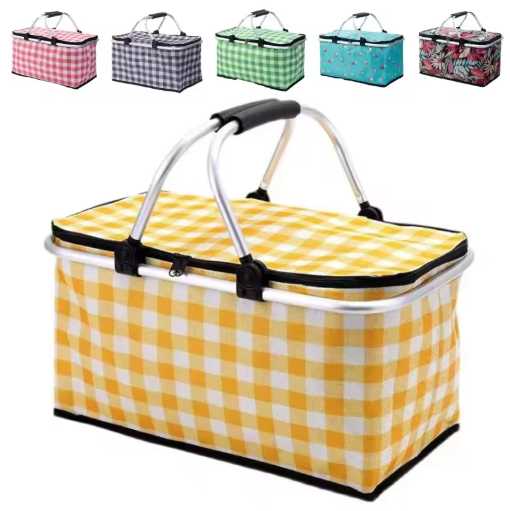
Whether you are packing lunch for a long workday, transporting perishable goods for a client delivery, or heading out on a weekend adventure, understanding how long your cooler bag stays cold is essential for both food safety and practical planning. Many people assume that all insulated bags perform roughly the same, but real-world results can vary dramatically depending on a range of interconnected factors. Knowing what influences cold retention allows you to make smarter choices, extend the effectiveness of your bag, and avoid costly spoilage or safety issues.
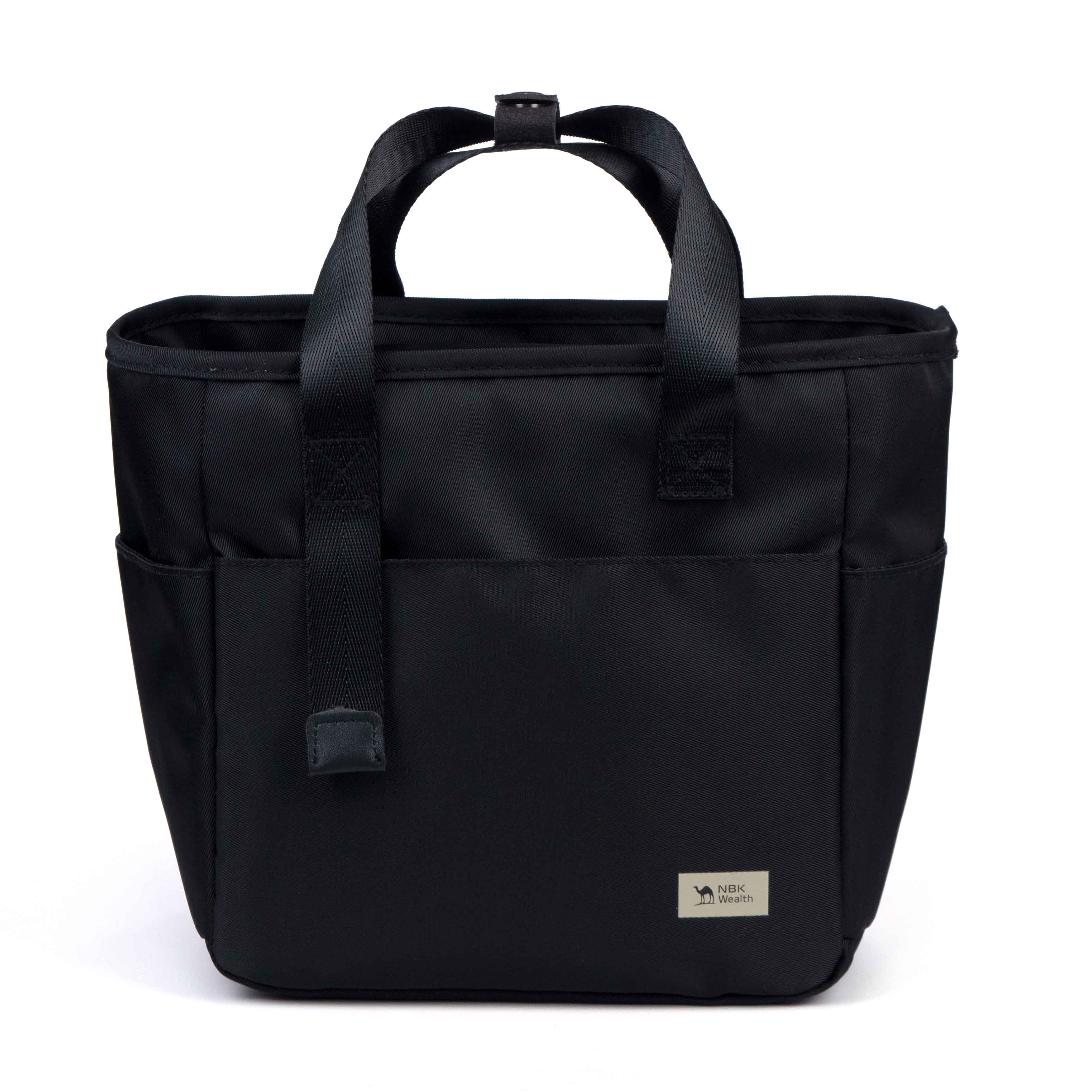
The performance of a cooler bag is not determined by a single design element or one user habit. It is the result of multiple variables working together — from the materials used in construction to the ambient temperature of the environment and the way the bag is packed and handled. This article breaks down the most important factors so that buyers, users, and procurement professionals can better evaluate what they need from a cooler bag and how to maximize its cold-holding capability in real-world conditions.
Insulation Material and Construction Quality
The Role of Foam Thickness and Density
The insulation layer is the heart of any cooler bag, and its thickness and density have a direct impact on how long cold temperatures are maintained. Thicker foam creates a larger barrier between the interior cold zone and the outside ambient heat, slowing down thermal transfer significantly. A bag with a thin or low-density foam lining will allow heat to penetrate much faster, reducing effective cold retention time.
High-density foam, such as EPE or PE foam with a close cell structure, is better at resisting heat conduction compared to open-cell or loosely packed alternatives. When evaluating a cooler bag for commercial or professional use, examining the foam specifications is one of the most reliable indicators of how long the bag will perform. A bag with at least 10mm of quality closed-cell foam will generally outperform one with 5mm of basic foam padding by a considerable margin.
It is also worth noting that insulation performance degrades over time if the foam becomes compressed, wet, or damaged. Proper care of the interior lining directly protects the bag's long-term cold retention capability. Compression from overstuffing or repeated mishandling can reduce the effective insulating thickness even if the outer shell still looks intact.
Outer Shell and Lining Materials
The outer shell of a cooler bag serves as the first line of defense against external heat. Materials like thick polyester, oxford cloth, or nylon are commonly used and offer varying degrees of resistance to heat absorption. Darker-colored bags exposed to direct sunlight will absorb more radiant heat, which can challenge even excellent insulation. Lighter or reflective outer materials are advantageous in high-sun environments.
Inside the bag, the lining material also plays a critical role. PEVA and aluminum foil-laminated linings are highly effective at reflecting radiant heat back into the interior, preventing temperature loss. A cooler bag with a thick aluminum foil lining will generally maintain cold temperatures far longer than one with a plain fabric interior, even if the outer construction looks similar. The combination of a reflective inner lining and dense foam insulation is a gold standard for cold retention.
Seam quality and zipper tightness are also part of construction quality. Gaps or loose seams around the zipper, handles, or side panels allow cold air to escape and warm air to enter, undermining even the best insulation layer. A well-sealed cooler bag with reinforced seams and a quality zipper closure is considerably more effective in maintaining internal temperature than a bag that looks similar but has construction compromises.
Starting Temperature and Pre-Cooling Practices
Why Pre-Chilling the Bag Matters
One of the most overlooked factors in cold retention is the starting temperature of the cooler bag itself. A bag stored at room temperature will initially absorb cold from the contents placed inside it, reducing the effective cooling power of the ice packs or chilled items before the bag even leaves the house or warehouse. Pre-chilling the bag by placing it in a refrigerator or adding a small ice pack for 30 minutes before packing can substantially improve how long it stays cold.
When the interior walls and lining of the cooler bag are already at a low temperature, the thermal exchange between the contents and the bag walls is minimized. The bag becomes a passive reinforcement of the cold environment rather than an initial drain on it. For commercial deliveries or catering operations where precise temperature control matters, pre-chilling the bag is a standard professional practice that should never be skipped.
Initial Temperature of Packed Contents
The temperature of the food, beverages, or products placed inside the cooler bag at the start has an enormous influence on how long the bag stays cold. Packing warm or room-temperature items into a bag will force the ice packs to work harder and melt faster, shortening the effective cooling window significantly. Items should always be pre-chilled in a refrigerator before being placed into a cooler bag whenever possible.
In B2B or foodservice contexts, this principle is especially important. Suppliers delivering fresh produce, prepared meals, or temperature-sensitive medications must ensure that items are already at the correct temperature before they are packed into a cooler bag. Relying on the bag alone to bring warm goods down to a safe temperature is not just ineffective — in food safety terms, it can be dangerous.
Using frozen gel packs rather than room-temperature or barely-chilled ones also makes a meaningful difference. Frozen gel packs have a significantly higher cold reserve than refrigerator-temperature packs and will maintain a lower internal bag temperature for much longer before melting or warming to ineffective levels.
External Environment and Ambient Conditions
Ambient Temperature and Sun Exposure
The surrounding environmental temperature is one of the most powerful external variables affecting how long a cooler bag stays cold. On a hot summer day with ambient temperatures exceeding 35°C, even a high-quality cooler bag will lose its cold retention much faster than it would in a cool, shaded environment. The greater the temperature difference between the inside of the bag and the outside air, the more rapidly heat will attempt to migrate inward.
Direct sunlight compounds this effect dramatically. A cooler bag left in the sun on a car seat or outdoor surface will be subjected to radiant heat in addition to ambient air temperature, potentially doubling the rate of thermal gain. Whenever possible, a cooler bag should be kept in the shade, inside an air-conditioned vehicle, or covered with a reflective material to minimize heat exposure.
Humidity also plays a subtle but real role. In very humid conditions, condensation can form on and inside the bag, which can accelerate the warming of contents and contribute to moisture intrusion if the lining is not fully sealed. A quality cooler bag with a waterproof lining is better suited for humid or outdoor environments where condensation is a regular occurrence.
How Often the Bag Is Opened
Every time a cooler bag is opened, cold air escapes and warm ambient air rushes in. Frequent opening is one of the fastest ways to reduce cold retention time, even in a bag with excellent insulation. In practical terms, this means that minimizing unnecessary access to the bag directly extends its effective performance window.
For delivery or logistics applications, organizing the contents of a cooler bag so that frequently needed items are accessible without rearranging the whole bag helps reduce the time the bag is open. Packing with purpose — placing items needed last at the bottom and first-use items on top — is a simple but highly effective strategy. In a professional setting, training staff on proper bag handling protocols can make a measurable difference in cold chain performance.
Packing Technique and Ice Pack Usage
The Importance of Filling the Bag Fully
A partially filled cooler bag has more air volume inside, and air warms up much faster than solid or liquid contents. A well-packed bag where contents are snug and air gaps are minimized retains cold significantly longer than one that is loosely filled. If a bag must be used while only partially filled, filling the empty space with additional ice packs, rolled towels, or crumpled paper helps reduce the internal air volume and improve cold retention.
This principle is especially relevant for businesses that use a standard-sized cooler bag for varying load sizes. On lighter load days, supplementing the empty space with ice packs or padding should be standard operating procedure rather than an afterthought. Treating air gaps as a cold retention problem — not just a space management issue — shifts the mindset toward better results.
Ice Pack Placement and Type
Cold air sinks while warm air rises, which means ice packs placed at the top of a cooler bag are more effective at maintaining low temperatures throughout the interior than ice packs placed only at the bottom. This is a counterintuitive but well-established principle of thermal dynamics. In a properly packed cooler bag, ice packs should be distributed above and around the main contents for best performance.
The type of cooling agent also matters significantly. Hard frozen gel packs last longer than loose ice because they melt more slowly and do not create water as they warm. Phase-change materials, which are designed to absorb heat while changing state at a specific temperature, offer even greater efficiency for specialized applications. Choosing the right cooling agent for the intended use case is as important as choosing the right cooler bag in the first place.
Using multiple smaller ice packs distributed throughout the bag generally performs better than using a single large pack placed in one corner. Even distribution of cold sources prevents warm spots from developing in areas of the bag that are far from the cooling agent. For temperature-sensitive professional applications, this kind of careful packing approach is not optional — it is a fundamental requirement of effective cold chain management.
Bag Size, Shape, and Closure Design
Volume and Surface Area Relationship
Larger cooler bags, when fully packed, often retain cold longer than smaller ones because the ratio of insulated surface area to internal volume is more favorable. A compact bag has proportionally more surface area relative to its contents, which means more potential pathways for heat to enter per unit of cooled product. For bulk applications, a well-insulated large-format cooler bag can outperform a small one even if they use the same insulation material.
However, a large bag that is only partially filled will underperform because the excess air volume acts as a thermal reservoir that warms up quickly. The ideal use of a cooler bag is always one where the size is matched as closely as possible to the volume of contents being carried. Businesses that regularly pack different quantities should consider having multiple bag sizes available rather than relying on one large bag for all needs.
Zipper and Closure Integrity
The zipper and closure mechanism of a cooler bag is a critical but often underappreciated factor in cold retention. A high-quality, tight-fitting zipper creates a reliable thermal seal that prevents air exchange between the interior and exterior of the bag. Wide-tooth zippers with foam gaskets or insulated zipper guards are more effective than basic zippers at maintaining this seal under real-world use conditions.
Velcro or magnetic closures used on flap-style cooler bags must create a tight, gap-free seal to be effective. Even a small gap around the closure area can allow enough heat transfer to reduce the bag's cold retention window by a significant percentage. When evaluating a cooler bag for commercial or frequent professional use, testing the closure system should be part of the selection process.
Over time, zippers can wear, Velcro can lose its grip, and foam gaskets can compress. Regular inspection and replacement of closure components is a practical maintenance step that can extend the useful performance life of a cooler bag well beyond what neglected units deliver. Treating closure integrity as a maintenance priority reflects the same discipline applied to any piece of performance equipment.
FAQ
How long can a cooler bag typically keep food cold?
The cold retention time of a cooler bag depends heavily on its insulation quality, the type of ice packs used, the ambient temperature, and how well it is packed. A high-quality insulated cooler bag with frozen gel packs and a full load can maintain safe food temperatures for 8 to 24 hours under moderate conditions. In hot outdoor environments with frequent opening, this window may be significantly shorter.
Does the color of a cooler bag affect how cold it stays?
Yes, color can have a meaningful effect, particularly in direct sunlight. Darker-colored bags absorb more radiant heat from the sun, which increases the thermal load on the insulation. A lighter-colored or reflective outer surface reduces this effect. While the insulation layer is far more influential on overall cold retention, color becomes a relevant factor in outdoor or sunny delivery environments.
Can I use a cooler bag without ice packs if the food is already cold?
Using a cooler bag without any active cooling source is not recommended for food safety purposes, even if the contents start cold. Without ice packs or frozen cooling agents, the bag will slow down warming but cannot sustain low temperatures for long, especially in warm ambient conditions. For any use case where food safety is a concern, at least one frozen gel pack should always be included alongside pre-chilled contents.
What maintenance practices help a cooler bag stay effective longer?
Keeping a cooler bag clean, dry, and properly stored when not in use are the most important maintenance habits. Moisture trapped inside the bag can degrade the insulation lining over time. The zipper and closure should be checked regularly for wear and replaced if needed. Avoiding compression storage — such as stacking heavy items on top of the bag — helps preserve foam density and seam integrity, both of which are critical to long-term cold retention performance.