

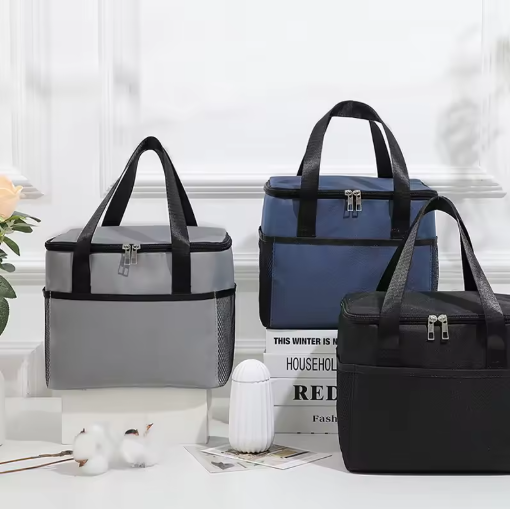
A cooler bag is one of the most practical and widely used tools for maintaining food and beverage temperatures during transport, outdoor activities, and everyday commuting. Whether you are packing lunch for the office, heading to a beach picnic, or managing perishable goods for a catering event, this type of insulated carrier provides a reliable barrier between your contents and the ambient temperature. Unlike rigid coolers, a cooler bag offers the added advantage of being lightweight, foldable, and easy to carry, making it the preferred choice for a broad range of consumers and professionals alike.
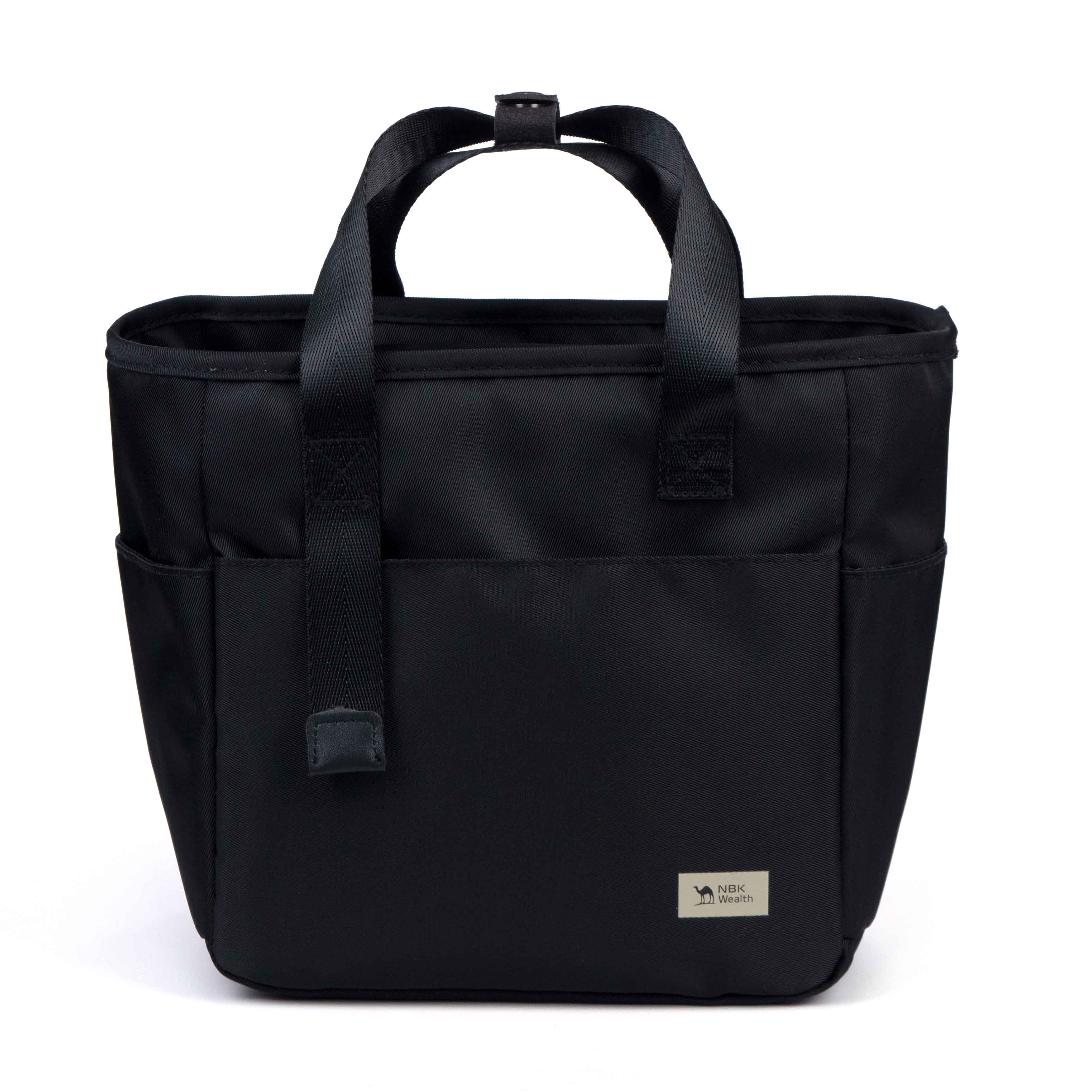
Understanding what a cooler bag is and the science behind how it keeps food cold is essential for making smart purchasing decisions and getting the most out of your investment. This guide breaks down the definition, construction, thermal science, and practical applications of the cooler bag in clear, expert detail. By the end, you will have a thorough grasp of why this product works so effectively and how to use it correctly for maximum cold retention.
Defining the Cooler Bag
What Separates a Cooler Bag from Ordinary Bags
At its most basic level, a cooler bag is an insulated carrying bag designed to slow down the rate of heat transfer between its internal compartment and the external environment. While a standard tote or backpack offers no thermal protection whatsoever, a cooler bag is engineered with specialized materials that resist the movement of heat energy in both directions — keeping cold contents cold and, in some designs, keeping hot contents warm.
The distinction is not merely cosmetic. A cooler bag uses multiple layers of functional material, each contributing to temperature control in a specific way. This layered construction is what gives the product its core functionality and sets it apart from every other category of carry bag on the market.
In industrial and commercial settings, the cooler bag is used for pharmaceutical cold chain management, fresh food delivery, and laboratory sample transport. In consumer markets, it serves daily lunch-carrying, grocery shopping, and recreational outdoor use. The versatility of this product category is one of the reasons it has grown into a multi-billion-dollar global market.
Common Formats and Styles
The cooler bag comes in several physical formats tailored to different use scenarios. The most common styles include the lunch box format, the tote-style bag, the backpack cooler, the roll-top dry bag cooler, and the large-capacity duffel-style cooler. Each format is built around the same insulation principles but adapted for different carrying methods and volume requirements.
A compact lunch cooler bag typically holds four to eight liters and is designed for personal meal transport. A tote-style cooler bag may hold twelve to twenty liters and is well-suited for family outings or grocery runs. Backpack-style cooler bags allow for hands-free carrying while maintaining insulation, making them popular among hikers and outdoor enthusiasts.
Despite their differences in shape and volume, all versions of the cooler bag share the same fundamental thermal engineering. The format influences convenience and capacity, but the insulation system is what delivers actual performance.
The Science of How a Cooler Bag Keeps Food Cold
Understanding Heat Transfer and Thermal Resistance
To understand how a cooler bag keeps food cold, you first need to understand how heat moves. Heat always travels from areas of higher temperature to areas of lower temperature through three mechanisms: conduction, convection, and radiation. A cooler bag is specifically designed to resist all three of these pathways.
Conduction is the transfer of heat through direct contact between materials. The insulating foam layer inside a cooler bag has a very low thermal conductivity rating, meaning heat passes through it very slowly. This slows down the rate at which warmth from the surrounding air can reach the cold food inside the bag.
Convection refers to heat transfer through the movement of air or fluid. A well-sealed cooler bag minimizes air exchange between the interior and exterior, reducing the amount of warm ambient air that can enter the compartment and replace the cold air inside. The quality of the zipper seal or magnetic closure plays an important role in this mechanism.
Radiation involves heat energy transmitted as electromagnetic waves, particularly infrared radiation from warm surfaces. Some premium cooler bag designs incorporate a reflective foil lining, typically made from aluminized polyester or PEVA film, which reflects radiant heat away from the interior compartment. This is the same principle used in emergency thermal blankets.
The Role of Ice and Gel Packs
A cooler bag does not generate cold on its own. Instead, it maintains a cold environment by retaining the low temperature introduced by ice, ice packs, or reusable gel packs placed inside the bag alongside the food. The insulation layer slows the rate at which these cooling agents warm up and melt, extending the window of effective cold retention.
Ice packs are particularly effective because they undergo a phase change — transitioning from solid to liquid — which absorbs a large amount of heat energy without a corresponding rise in temperature. This means that as long as the ice pack is still partially frozen, the interior temperature of the cooler bag remains significantly lower than room temperature.
For best results, users should pre-chill the cooler bag before packing it, use high-quality gel packs with a large surface area, and fill empty space inside the bag with crumpled paper or additional cold items to reduce the volume of warm air trapped inside. These small practices can dramatically extend the effective cold life of any cooler bag.
Materials and Construction of a High-Performance Cooler Bag
Outer Shell Materials
The outer shell of a cooler bag serves several purposes beyond aesthetics. It must be durable enough to withstand regular use, resistant to moisture and abrasion, and compatible with the insulation layer beneath it. Common outer materials include 600D polyester oxford fabric, nylon, and PEVA-coated woven polypropylene.
Higher-end cooler bag products often use ripstop nylon or ballistic nylon for enhanced tear resistance, particularly in backpack or adventure-oriented formats. Some designs also incorporate reinforced base panels to protect against wear from rough surfaces, extending the service life of the bag significantly.
For commercial and custom applications, the outer shell may also carry branding, color coding, or identification markings. This makes the cooler bag an attractive option for businesses in food delivery, pharmaceuticals, and catering who require recognizable, branded cold-chain packaging.
Insulation Core and Interior Lining
The insulation core is the functional heart of any cooler bag. The most widely used insulation material is closed-cell polyethylene foam, which offers an excellent balance of thermal resistance, weight, and cost. Closed-cell foam does not absorb moisture, which is critical in an environment where condensation and melting ice are constant factors.
Some higher-performance cooler bag designs use expanded polypropylene (EPP) foam panels or even vacuum insulation panels (VIPs) for extended cold retention. VIPs are significantly more expensive but can maintain internal temperatures for up to 24 hours or longer under ideal conditions, making them a preferred choice for medical and pharmaceutical cooler bag applications.
The interior lining is typically made from food-safe PEVA or aluminum foil laminate. PEVA is a non-toxic, BPA-free material that is easy to wipe clean and resists moisture. The aluminum foil laminate adds the reflective radiant barrier discussed earlier, enhancing overall thermal performance. Many quality cooler bag products use a combination of both materials for optimal results.
Practical Applications and Everyday Use of the Cooler Bag
Food Safety and Temperature Guidelines
One of the most important reasons to use a cooler bag properly is food safety. According to established food safety guidelines, perishable foods must be kept below 4 degrees Celsius (40 degrees Fahrenheit) to prevent the growth of harmful bacteria. A cooler bag loaded with adequate ice or gel packs can maintain this temperature range for several hours, depending on insulation quality and ambient conditions.
Proteins such as meat, dairy products, and prepared salads are particularly vulnerable to temperature abuse. Carrying these items in a standard bag on a warm day can bring them into the 'danger zone' — between 4 and 60 degrees Celsius — within as little as one hour. A cooler bag dramatically reduces this risk by maintaining a consistently low internal temperature throughout the journey.
For anyone who regularly transports food for work lunches, school meals, or outdoor events, a cooler bag is not merely a convenience — it is a meaningful contribution to health and safety. Understanding this makes the value proposition of a quality cooler bag immediately clear.
Commercial and Industrial Use Cases
Beyond consumer use, the cooler bag plays a significant role in B2B and industrial contexts. Food delivery platforms rely on insulated cooler bags to maintain meal quality during last-mile delivery. The cooler bag ensures that hot items stay hot and cold items remain cold throughout the transit window, directly impacting customer satisfaction and order quality ratings.
In the pharmaceutical sector, temperature-sensitive medications, vaccines, and biological samples require strict cold-chain maintenance. Specialized pharmaceutical-grade cooler bag products are designed to meet regulatory temperature requirements, sometimes including built-in temperature logging or phase-change material inserts that maintain a precise temperature band.
Grocery retailers and meal kit services also use branded cooler bag packaging as part of their customer experience strategy. In these cases, the cooler bag serves a dual function: it protects product quality during delivery and reinforces brand identity through custom printing and design. This dual role makes the cooler bag a strategically valuable item in supply chain and marketing contexts simultaneously.
Choosing the Right Cooler Bag for Your Needs
Key Performance Factors to Evaluate
When selecting a cooler bag, the most important factor to evaluate is insulation thickness and material quality. Thicker foam panels and reflective linings generally translate to longer cold retention times. However, greater insulation also adds weight and reduces interior volume relative to the bag's exterior dimensions, so there is always a balance to strike depending on the intended use.
Closure type is the second critical factor. A poor seal allows warm air to enter and cold air to escape, undermining even the best insulation. Look for cooler bag designs with leak-resistant zippers, roll-top closures with buckle latches, or magnetic snap closures that provide a consistent and reliable seal without requiring effort to open and close repeatedly throughout the day.
Capacity and ergonomics should also align with the intended use case. A cooler bag that is too large becomes cumbersome to carry, while one that is too small forces users to overpack, compromising the insulation by pressing warm items directly against the walls. Matching the right size cooler bag to the specific application ensures both comfort and performance.
Customization and Branding Opportunities
For businesses and organizations, a custom-designed cooler bag offers significant branding and operational value. Custom color combinations, logo embroidery, screen printing, and heat transfer labeling can transform a standard cooler bag into a powerful brand touchpoint that customers interact with regularly.
Custom cooler bag production also allows businesses to specify insulation type, closure design, capacity, and exterior material based on their precise operational requirements. This level of control is especially valuable in food service, pharmaceutical logistics, and corporate gifting, where both performance and brand presentation must meet high standards.
Working with an experienced manufacturer for custom cooler bag development ensures that both functional and aesthetic requirements are met consistently across large production runs. The result is a product that performs reliably in the field while reinforcing a professional and polished brand image.
FAQ
How long can a cooler bag keep food cold?
The duration depends on insulation quality, the type of cooling agent used, the ambient temperature, and how often the bag is opened. A standard consumer cooler bag with quality gel packs can typically maintain food-safe temperatures for four to eight hours. Higher-performance models with thick foam insulation or vacuum insulation panels can extend this to twelve hours or beyond under ideal conditions.
Can a cooler bag keep food warm as well as cold?
Yes. Because a cooler bag works by slowing the rate of heat transfer in both directions, it can also retain warmth in hot food items. Pre-heating the bag slightly and placing hot food inside will maintain temperature for a comparable period to cold retention. Many lunch cooler bags are specifically marketed for both hot and cold use, making them a versatile choice for meal transport.
What is the difference between a cooler bag and a hard-sided cooler?
A hard-sided cooler uses rigid plastic walls with molded-in insulation and offers superior cold retention — often lasting multiple days — compared to most soft-sided cooler bags. However, a cooler bag is significantly lighter, more portable, foldable when empty, and more affordable. For single-day use and personal meal transport, a cooler bag is almost always the more practical choice, while hard coolers are preferred for extended camping or bulk food storage.
How should I clean and maintain a cooler bag?
Most cooler bag interiors can be wiped clean with a damp cloth and mild soap solution. Avoid submerging the bag fully in water, as this can saturate the foam insulation layer and reduce its effectiveness. After each use, open the bag fully and allow it to air dry completely before storing. This prevents mold growth and odors, and significantly extends the usable life of the cooler bag.