

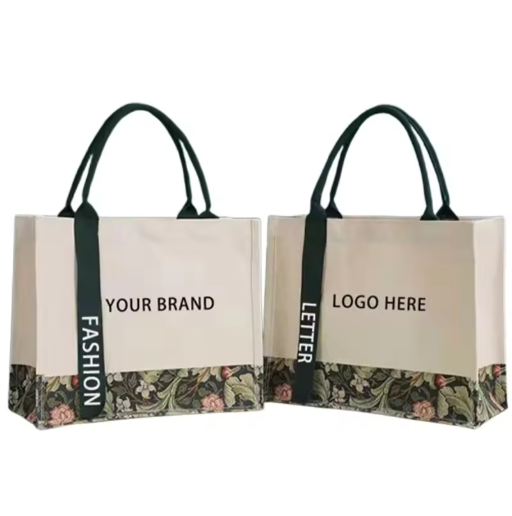
Ordering a custom bag for your business, event, or brand promotion seems straightforward at first glance, but the reality involves dozens of decisions that can make or break the final result. From material selection to print quality and minimum order quantities, the details you overlook before placing an order often become the most expensive mistakes after production begins. Whether you are sourcing a custom bag for retail packaging, corporate gifting, trade shows, or eco-friendly promotions, understanding what to verify upfront can save you significant time, money, and frustration.
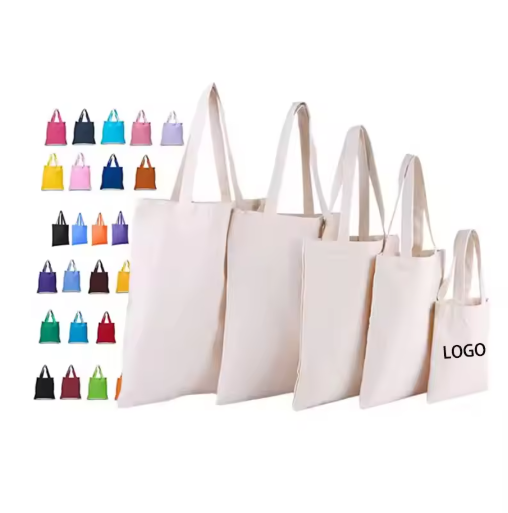
A well-planned custom bag order reflects your brand identity, meets your functional requirements, and delivers real value to the end user. But to get there, buyers need a clear checklist of critical checkpoints before they commit to any production run. This guide walks through the most important factors to evaluate, so you can approach any custom bag supplier with confidence and make decisions that align with your goals, timeline, and budget.
Material and Construction Quality
Choosing the Right Fabric or Material
The material of your custom bag is not just an aesthetic choice — it determines durability, usability, and how well the bag represents your brand over time. Common materials include canvas, cotton, non-woven polypropylene, jute, burlap, and various synthetic fabrics. Each has distinct weight tolerances, texture characteristics, and printing compatibility. For instance, a custom bag made from burlap or jute appeals strongly to eco-conscious consumers and aligns well with sustainable brand messaging.
Before finalizing a material, request physical samples from your supplier. Feeling the fabric in hand gives you a far more accurate sense of weight, texture, and structural integrity than any product description can convey. Pay special attention to stitching at the seams and handles, since these stress points tend to fail first under regular load.
Also consider the end use when choosing material. A custom bag intended for grocery shopping or trade show giveaways needs to handle more load and daily wear than one used purely as decorative gift packaging. Matching material strength to the intended function prevents customer dissatisfaction and product returns.
Evaluating Structural Integrity and Finishing
Beyond fabric type, you should evaluate the structural details of your custom bag closely. Check whether the base is reinforced or whether there is additional lining for heavier loads. Examine how handles are attached — whether they are sewn through the full body of the bag or simply glued and surface-stitched, which can separate quickly under weight.
Finishing quality also matters. Look for clean edge hemming, consistent stitch patterns, and whether zipper closures or button fastenings (if applicable) operate smoothly. A custom bag that looks good in a product photo but falls apart after one or two uses will damage your brand reputation rather than support it. Always ask your supplier for production quality standards and whether their factory holds any relevant ISO or quality management certifications.
Customization Options and Print Quality
Understanding Available Printing Methods
Not all printing techniques are equally suited for every custom bag material or design. The most common methods include screen printing, heat transfer, embroidery, and digital printing. Screen printing works well for simple designs on cotton or canvas bags and delivers vibrant, long-lasting color. Embroidery adds a premium look and is especially effective on thicker materials like canvas or burlap.
Digital printing allows for highly detailed artwork and photographic-quality images but may not be as durable on fabrics that experience heavy washing or outdoor exposure. Ask your supplier which printing methods are available for the specific custom bag style you have chosen, and request printed samples if possible to evaluate color accuracy and print longevity.
Color accuracy deserves special attention. Pantone color matching is the industry standard for ensuring your brand colors reproduce consistently. If your supplier does not offer Pantone matching, confirm whether they can match your brand colors closely enough for your marketing standards. Minor color discrepancies between your digital design file and the printed custom bag can appear small on screen but look jarring on a physical product.
Design File Requirements and Artwork Specifications
Every supplier has specific requirements for artwork files submitted for a custom bag order. Most professional suppliers require vector files (such as AI, EPS, or PDF formats) to ensure clean, scalable output at any print size. Submitting low-resolution raster images often results in blurry or pixelated prints that degrade the quality of the final product.
Before finalizing your order, request a digital proof or physical pre-production sample showing exactly how your design will appear on the custom bag. Review the proof carefully for logo placement, text legibility, color rendering, and overall proportions. This step is critical because corrections after production begins are either costly or impossible.
Order Quantities, Pricing, and Lead Times
Minimum Order Quantities and Pricing Tiers
Most suppliers of a custom bag operate with minimum order quantities (MOQs) that directly affect your cost per unit. Understanding MOQ structures before you negotiate pricing is essential. For small businesses or first-time buyers, a high MOQ can be a barrier, while large corporate buyers may leverage volume for significant per-unit cost reductions.
Always request a tiered pricing breakdown so you understand how the cost per unit changes at different order volumes. This helps you make informed decisions about whether to order a conservative first batch to test market reception or commit to a larger run for better economics. When evaluating pricing, factor in not just the unit cost but also setup fees, artwork charges, shipping costs, and any import duties that may apply to your custom bag order.
Be cautious of pricing that appears unusually low. While cost efficiency matters, an exceptionally cheap custom bag may indicate compromises in material quality, print durability, or labor conditions that could reflect poorly on your brand. A transparent, detailed quote from a reputable supplier is always preferable to a vague, rock-bottom price.
Production and Delivery Lead Times
Lead time is one of the most commonly underestimated factors in a custom bag order. Production timelines vary significantly based on order size, customization complexity, and supplier capacity. Most custom orders require anywhere from two to six weeks for production alone, and international shipping can add additional time on top of that.
If you are ordering a custom bag for a specific event, product launch, or seasonal campaign, work backward from your deadline to identify your order confirmation date. Build in buffer time to account for design revisions, sample approvals, and potential production delays. Rushing production to meet a tight deadline often results in quality compromises that are impossible to fix once the bags have been shipped.
Sustainability and Compliance Considerations
Eco-Friendly Material Certifications
For brands committed to sustainability, verifying the environmental credentials of your custom bag is a non-negotiable step. Look for materials that carry recognized certifications such as GOTS (Global Organic Textile Standard) for organic cotton, or suppliers who can provide documentation on the sourcing of natural fibers like jute and burlap. These certifications give your customers confidence that the custom bag aligns with the environmental values you are promoting.
Beyond material certifications, consider the printing inks and dyes used in the customization process. Water-based and non-toxic inks are preferable for eco-positioned products and reduce the environmental footprint of production. Asking your supplier specific questions about their ink and dye sourcing is a reasonable and increasingly common expectation in B2B purchasing.
Regulatory Compliance for Target Markets
Depending on where your custom bag will be distributed or sold, specific regulatory requirements may apply. For example, products intended for food-related retail environments may need to meet food safety contact standards. Bags distributed to children may require compliance with toy safety or chemical restriction regulations in certain markets.
If you are importing a custom bag from an overseas supplier, confirm that the product meets the import standards of your destination country, including labeling requirements, material restrictions, and any applicable customs documentation. Failing to verify compliance before production can result in product holds, fines, or the inability to sell your inventory.
Supplier Verification and Communication
Assessing Supplier Reliability
Choosing the right supplier is just as important as choosing the right custom bag design. Before committing to an order, investigate the supplier's track record. Request references or case studies from previous B2B clients, and look for evidence of consistent quality control across past orders. A reliable supplier will be transparent about their factory setup, production capacity, and quality assurance processes.
Communication responsiveness is also a reliable indicator of how a supplier will perform during your order. A supplier who answers questions promptly, provides complete and accurate information, and proactively flags potential issues before they become problems is far more valuable than one who is simply the cheapest option. For a custom bag order, where personalization and specifications are critical, responsive communication can prevent costly misunderstandings.
Sample Orders and Pre-Production Approval
Never skip the sample stage when ordering a custom bag, especially for a large volume or first-time order with a new supplier. A pre-production sample allows you to verify material quality, print accuracy, structural construction, and overall appearance before the full production run begins. The cost of a sample is minimal compared to the cost of scrapping an entire batch of bags that do not meet your standards.
When reviewing your sample, be systematic. Assess color accuracy against your brand guidelines, check every stitch line and seam, test the handles under load, and evaluate the print adhesion by rubbing and bending the fabric. Provide specific, written feedback if revisions are needed, and request a revised sample before approving production. This disciplined approach protects your investment and ensures the final custom bag truly meets your expectations.
FAQ
How early should I start the ordering process for a custom bag?
Ideally, you should begin the process at least eight to twelve weeks before your required delivery date. This allows time for design finalization, supplier sourcing, sample approval, production, and shipping. If your custom bag involves complex customization or large volumes, extending that window further is advisable to avoid rushed decisions or quality shortcuts.
What is the most important thing to check in a custom bag sample?
Print color accuracy and structural durability are the two most critical elements to verify in a custom bag sample. Color accuracy ensures your brand identity is properly represented, while structural durability — particularly at the handles and seams — determines whether the bag will hold up in real-world use and reflect positively on your brand.
Can I order a small quantity of a custom bag for testing?
Many suppliers offer small-batch or sample orders, though the cost per unit will be significantly higher than bulk pricing. If testing the market or validating design reception is your goal, a small initial order is a sensible investment before committing to a large production run of your custom bag. Always clarify MOQ terms with your supplier upfront.
Are eco-friendly custom bags more expensive than standard options?
Eco-friendly materials such as organic cotton, jute, or certified burlap can carry a slight price premium compared to synthetic or non-certified alternatives. However, the difference in cost is often modest at scale, and the value added by genuine sustainability credentials — particularly for brands targeting environmentally conscious consumers — typically justifies the investment in a premium custom bag.