

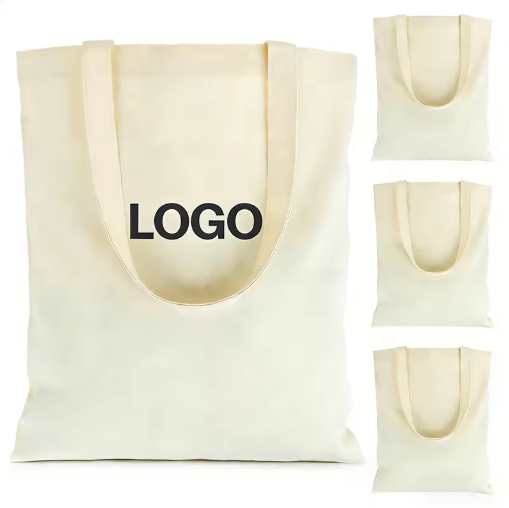
A custom bag is far more than a simple carrying accessory. It is a purposefully designed product built to meet specific functional, aesthetic, and branding requirements that standard off-the-shelf options simply cannot fulfill. From promotional tote bags handed out at trade shows to branded packaging used in luxury retail, the custom bag has become an essential tool across industries, helping businesses communicate their identity while delivering genuine utility to end users.
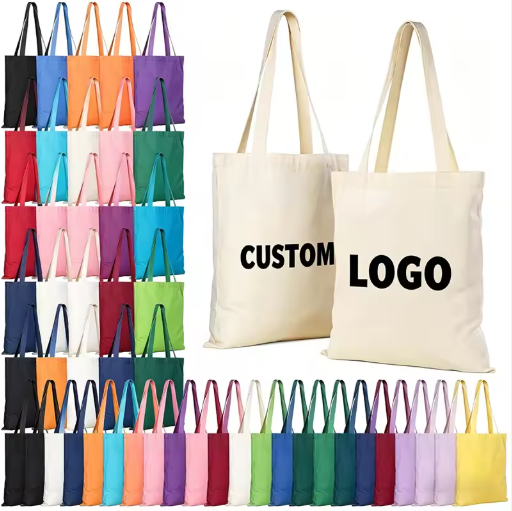
Understanding what a custom bag actually is and how it moves through a production process is valuable knowledge for any business buyer, product manager, or procurement specialist. Whether you are sourcing a custom bag for corporate gifting, retail packaging, or event marketing, knowing the materials, construction steps, and personalization methods involved will help you make better decisions, communicate more clearly with suppliers, and ultimately receive a product that meets your exact expectations.
Defining the Custom Bag
What Sets a Custom Bag Apart from Standard Bags
A custom bag is defined by intentional design choices made to suit a specific buyer, brand, or use case. Unlike mass-produced generic bags that are manufactured in uniform styles and sold as-is, a custom bag begins with a client brief. That brief may specify dimensions, material type, color, closure method, handle style, interior configuration, and the placement of logos or printed graphics. Every one of these variables can be adjusted to align with the buyer's purpose.
The distinction is important in a B2B context because it affects cost structure, minimum order quantities, lead times, and production complexity. A custom bag requires tooling decisions, sampling rounds, and often material sourcing that standard bag procurement does not involve. Buyers who understand these differences can plan timelines and budgets more realistically.
A custom bag also serves as a brand vehicle. When a business distributes or sells a bag bearing its logo, color scheme, and messaging, that bag becomes a mobile advertisement with lasting impressions. This is one of the primary reasons demand for custom bag solutions continues to grow across retail, food and beverage, fashion, corporate, and nonprofit sectors.
Common Types of Custom Bags by Industry
The custom bag category encompasses a wide range of product types, each suited to different applications. Tote bags made from natural fibers such as jute or burlap are especially popular in the retail, grocery, and gifting sectors because they combine sustainability credentials with visual appeal and durability. These materials accept printing and embroidery well, making them ideal canvases for branding.
Other widely customized formats include drawstring bags used in sportswear and promotional contexts, non-woven polypropylene bags used for trade show giveaways, canvas bags used in fashion and lifestyle retail, and paper bags used throughout food service and luxury packaging. In each case, the custom bag is tailored to carry a specific load, communicate a specific message, and deliver a specific unboxing or carrying experience.
Industrial buyers may also require custom bag solutions for bulk packaging of components, agricultural products, or food ingredients. In these cases, the customization focuses less on visual branding and more on technical specifications such as weight capacity, ventilation, closure mechanism, and food-grade material compliance. The custom bag concept is therefore broad and adaptable across many professional contexts.
Materials Used in Custom Bag Production
Natural Fiber Materials
Natural fibers represent some of the most popular material choices for a custom bag today, particularly as sustainability becomes a central concern in procurement and consumer expectations. Jute and burlap are coarse-woven plant-based fabrics that offer excellent structural strength, a distinctive rustic aesthetic, and strong environmental credentials. These materials are biodegradable, renewable, and typically produced with lower chemical inputs than synthetic alternatives.
Cotton is another widely used natural fiber for the custom bag market. Canvas, which is a tightly woven heavy-grade cotton, provides a smooth printable surface and considerable load-bearing capacity. Organic cotton variants are increasingly requested by brands that wish to reinforce sustainability commitments in their marketing. Natural fiber custom bag options tend to carry slightly higher per-unit costs but often justify the investment through perceived quality and brand alignment.
Bamboo-derived fabrics and recycled cotton blends are also emerging material options for the custom bag category, reflecting the industry's ongoing shift toward circular production models. These materials require specific handling during production and may affect available printing methods, so buyers should confirm compatibility with their customization requirements before finalizing material selection.
Synthetic and Blended Materials
Synthetic materials such as polyester, nylon, and non-woven polypropylene are widely used in custom bag production because of their cost efficiency, color consistency, and resistance to moisture and abrasion. A custom bag made from 600D polyester, for example, is commonly seen in travel, sport, and promotional applications where durability under heavy use is required.
Non-woven polypropylene is one of the most economical options for high-volume custom bag orders. It is lightweight, available in a wide range of colors, and accepts screen printing clearly. While it does not biodegrade as readily as natural fibers, many grades are technically recyclable, which allows brands to position them within responsible consumption frameworks when communicated accurately.
Blended materials, which combine natural and synthetic fibers, can offer the best of both worlds. A custom bag woven from a cotton-polyester blend, for instance, may offer improved shape retention and wrinkle resistance compared to pure cotton while still presenting a soft, premium hand feel. Material selection ultimately depends on end-use priorities, target audience expectations, and the branding strategy behind the custom bag.
The Custom Bag Production Process
Design, Specification, and Sampling
The production journey of a custom bag begins well before any cutting or sewing takes place. It starts with a design brief, which typically includes technical drawings or sketches, material specifications, size requirements, color references using standardized color matching systems, and details about closures, handles, pockets, and reinforcement needs. Experienced suppliers will work from these briefs to produce a technical production file that guides every downstream manufacturing step.
Once the production file is approved, most custom bag manufacturers will produce a physical sample for buyer review. This sample phase is critical because it allows the buyer to assess material feel, construction quality, handle strength, print registration, and overall dimensional accuracy before committing to full production volume. Revisions may be requested at this stage, potentially adding time to the project schedule but ensuring the final product meets expectations.
Pre-production sampling also provides an opportunity to evaluate decoration quality. If the custom bag will feature screen printing, embroidery, heat transfer, or woven labels, the sample should include these elements so the buyer can verify color fidelity, placement precision, and durability under normal use conditions. Approving a sample without these decorations present is a common mistake that leads to disappointment upon bulk delivery.
Cutting, Sewing, and Assembly
After sample approval, the fabric for the custom bag is cut according to precise pattern templates. In high-volume production environments, this is done using computerized cutting machines or die-cut presses that ensure dimensional consistency across thousands of pieces. Manual cutting may be used for smaller runs or highly complex shapes, though it introduces more potential for variance.
Sewing is the core assembly process for most custom bag types. Industrial sewing machines join panels, attach handles, reinforce stress points, and create closures such as zippers, magnetic snaps, or drawstring channels. The stitch type and thread weight used vary depending on the material and the load the custom bag is expected to carry. Reinforcement stitching at handle attachment points and base corners is a standard quality practice that significantly affects long-term durability.
Additional assembly steps may include inserting stiffening boards, attaching rivets or eyelets, laminating inner linings, adding webbing or rope handles, and affixing branded hardware such as clasps or buckles. Each of these components must be sourced, quality-checked, and integrated at the correct production stage. Skilled production management is essential to maintain consistency in a custom bag order at scale.
Decoration and Finishing Techniques
Decoration is where a custom bag truly becomes branded merchandise. Screen printing is one of the most common methods, offering sharp, vibrant results on flat fabric surfaces at relatively low cost for medium to large runs. Each color in the design requires a separate screen, so designs with many colors increase both setup costs and registration complexity.
Embroidery is favored for premium custom bag applications where a tactile, high-perceived-value finish is desired. Logos and text are stitched directly into the fabric using multi-needle embroidery machines programmed from digitized artwork files. Embroidered decoration on a custom bag is highly durable and adds a sophisticated aesthetic that resonates well with corporate gifting and premium retail contexts.
Other decoration options include heat transfer printing, which works well for photographic or complex multi-color graphics; woven labels, which are attached or sewn into the bag as branding elements; foil stamping for metallic effects on smooth surfaces; and laser engraving for leather or leatherette panels. Finishing steps such as folding, packaging, labeling, and poly-bagging are completed before the custom bag units are boxed for shipment.
Key Considerations When Ordering a Custom Bag
Minimum Order Quantities and Lead Times
One of the most practical considerations when sourcing a custom bag is the minimum order quantity required by the manufacturer. Most factories set minimum thresholds to justify the setup costs associated with custom tooling, sampling, and decoration preparation. These minimums vary widely depending on the supplier, the complexity of the design, and the material type. Natural fiber custom bag options like jute totes may have lower minimums than technically complex bags with multiple compartments.
Lead time is another critical factor. A typical custom bag order, from approved sample to goods-ready-for-shipment, can take anywhere from three to eight weeks depending on order volume, material availability, and factory capacity. Buyers who underestimate lead times frequently encounter costly delays. Building a realistic timeline that accounts for sampling, revision cycles, production, decoration, and quality inspection will protect your project schedule.
Shipping time must also be factored in when sourcing from overseas manufacturers. Ocean freight for a large custom bag order may add three to six weeks to the delivery schedule. Buyers with firm event deadlines or retail launch dates should work backward from those dates to establish the latest possible purchase order date, then add a buffer for unexpected delays.
Quality Control and Compliance Standards
Ensuring consistent quality across a custom bag production run requires a structured approach to inspection. Pre-shipment inspections, either conducted by in-house staff, third-party inspection firms, or factory QC teams, should check against an approved sample for dimensional accuracy, stitching quality, material consistency, decoration alignment, and hardware function. Without this step, defects that affect an entire shipment may not be discovered until after delivery.
Material compliance is particularly important for custom bag orders destined for regulated markets. Bags intended for food contact, children's products, or markets with chemical restriction requirements may need to meet standards related to restricted substances, dye safety, and physical hazard limits. Requesting material safety data sheets and relevant test certificates from your supplier before placing an order is a sound risk management practice.
Ethical sourcing and social compliance are also increasingly important purchasing criteria for brands that maintain corporate social responsibility commitments. Verifying that a custom bag supplier operates under audited labor standards, maintains safe working conditions, and adheres to local employment law helps protect your brand's reputation and ensures that your supply chain aligns with your stated values.
FAQ
What is the difference between a custom bag and a personalized bag?
A custom bag is typically manufactured to a buyer's specifications from the production stage, meaning material, structure, size, and decoration are all tailored. A personalized bag usually refers to adding an individual's name or monogram to an existing standard product. In B2B sourcing, 'custom bag' generally implies a higher level of product control and is most relevant to branded merchandise, retail, and packaging applications.
How long does it take to produce a custom bag order?
Production timelines for a custom bag order typically range from three to eight weeks after sample approval, not including shipping time. The timeline depends on order complexity, quantity, decoration method, and factory workload. Buyers should always build additional buffer time into their planning to accommodate sampling revisions and logistics variables.
What is the minimum quantity required to order a custom bag?
Minimum order quantities for a custom bag vary by supplier and product type. Common minimums range from 100 to 500 units for simpler designs with standard materials, while more complex or technical custom bag formats may require higher volumes to justify production setup costs. It is always advisable to confirm minimum quantities directly with your supplier before finalizing your brief.
Can a custom bag be made from eco-friendly materials?
Yes, a custom bag can be produced using a range of sustainable material options including organic cotton, jute, burlap, recycled polyester, and bamboo-derived fabrics. Many suppliers now offer eco-certified materials for buyers who wish to align their custom bag with environmental goals. It is important to request material certifications and verify sustainability claims to ensure they meet your brand's standards and any relevant market regulations.