

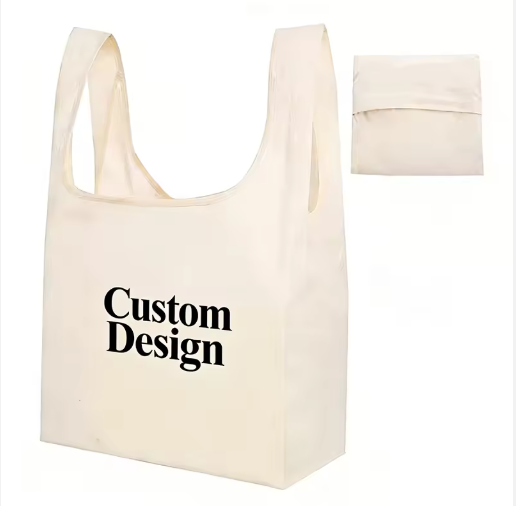
A custom bag is far more than a simple carrying accessory. It is a carefully engineered product whose quality, durability, aesthetics, and functionality are directly determined by the materials chosen during its creation. Whether you are sourcing for retail, promotional giveaways, corporate branding, or everyday consumer use, understanding what goes into the construction of a custom bag helps you make more informed decisions and set realistic expectations for performance and longevity.
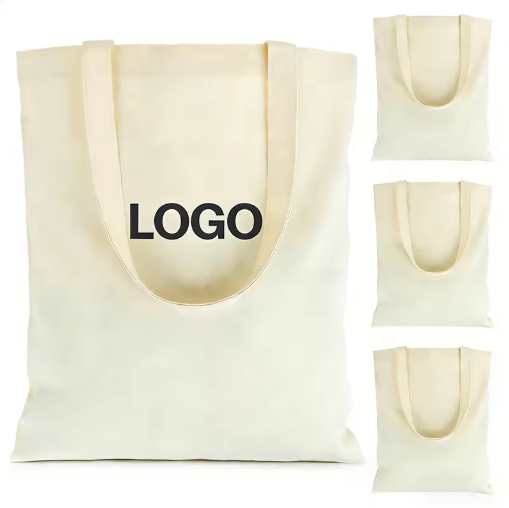
The material composition of a custom bag influences everything from its weight capacity and water resistance to its environmental footprint and print compatibility. With dozens of fabric types, lining materials, hardware options, and finishing treatments available in modern manufacturing, each component choice plays a critical role in the final product. This article breaks down the primary and secondary materials used in custom bag production so that buyers, brand managers, and procurement professionals can fully understand what they are ordering and why each material decision matters.
Primary Fabric Materials in Custom Bag Production
Cotton Canvas and Its Role in Custom Bag Manufacturing
Cotton canvas is one of the most widely used base fabrics in custom bag manufacturing, and for good reason. It is a natural, breathable textile woven from cotton fibers, known for its sturdy structure and relatively smooth surface that accepts screen printing, embroidery, and heat transfers with excellent results. The weight of cotton canvas is typically measured in ounces per square yard, with heavier weights offering greater durability and a more premium feel.
For a custom bag designed for everyday carry, grocery shopping, or branded promotional use, cotton canvas strikes an ideal balance between strength and visual appeal. The natural texture of the fabric gives the finished custom bag a tactile quality that synthetic alternatives often struggle to replicate. Additionally, cotton canvas is biodegradable, which aligns well with the growing demand for sustainable and eco-conscious products among both B2B buyers and end consumers.
Canvas weight selection is a critical manufacturing decision. Lighter weights such as 8 oz canvas produce a more flexible, foldable custom bag suitable for light retail use, while heavier weights such as 12 oz or 16 oz are better suited for bags expected to carry heavier loads. Most manufacturers offer a range of canvas weights to accommodate different application requirements.
Polyester and Nylon Fabrics for Functional Custom Bags
Polyester is a synthetic fabric that has become a staple in the custom bag industry, particularly for sports bags, backpacks, and promotional tote bags. It is highly resistant to shrinking, stretching, and wrinkling, and it holds dye well, making it an excellent choice for vibrant, long-lasting color output. A custom bag made from polyester is generally lightweight yet capable of holding moderate loads without the fabric degrading quickly under regular use.
Nylon, while similar to polyester in some respects, is distinguished by its superior abrasion resistance and tensile strength. High-denier nylon fabrics are commonly used in premium custom bag styles, particularly those intended for outdoor activities, travel, or heavy daily use. The material is also naturally moisture-resistant, which adds a functional advantage for users in various weather conditions.
Both polyester and nylon can be coated or laminated to further enhance their water-repellent properties. These treatments are commonly applied in custom bag production when the end-use environment requires added protection against spills or rain. The choice between the two often comes down to budget, intended use, and the specific look or texture the brand is seeking to achieve.
Secondary and Lining Materials That Define Interior Quality
Interior Lining Fabrics and Their Functions
The interior lining of a custom bag is just as important as its exterior fabric, even if it is not immediately visible to the consumer. A lining protects the interior contents, provides structural integrity to the bag walls, and can significantly improve the overall user experience. Common lining materials include polyester taffeta, cotton twill, oxford cloth, and nonwoven polypropylene.
Polyester taffeta is one of the most popular choices for lining a custom bag because it is smooth, lightweight, and resistant to moisture absorption. This makes it easy to wipe clean and prevents odors from being absorbed into the bag over time. Cotton twill linings, on the other hand, offer a more natural and premium interior feel, often selected for fashion-forward or high-end custom bag designs where the interior appearance is a key selling point.
Nonwoven polypropylene is frequently used as a lining material in eco-friendly custom bag styles. It is a cost-effective option that adds a degree of structure and is recyclable, making it an appropriate choice for brands that prioritize sustainability without significantly increasing their per-unit cost. The lining material chosen must be compatible with the stitching methods and overall construction approach used by the manufacturer.
Padding and Structural Materials Inside the Custom Bag
Many custom bag designs require internal padding or structural reinforcement, particularly in backpacks, laptop bags, camera bags, and any custom bag designed to protect fragile or valuable contents. EVA foam is one of the most commonly used padding materials. It is lightweight, flexible, and provides good shock absorption without adding significant bulk to the bag.
Polyethylene foam and closed-cell foam panels are used in more technical or protective custom bag designs. These materials are denser and offer higher impact resistance, making them suitable for bags that need to protect electronics, instruments, or other sensitive equipment. The foam is typically cut to shape and sewn into designated compartments within the bag structure.
Base board inserts made from cardboard, plastic sheets, or compressed fiber are used to give the bottom of a custom bag rigidity and shape. These inserts prevent the bag from collapsing under weight and maintain a clean, structured appearance. The choice of base insert material affects both the durability of the custom bag and its ability to stand upright when placed on a flat surface.
Hardware and Closure Components in Custom Bag Construction
Metal and Plastic Hardware Used in Custom Bag Design
Hardware refers to the metal or plastic functional components attached to a custom bag, including buckles, clasps, D-rings, rivets, snap hooks, and slider adjusters. These components are critical to the usability and aesthetic quality of the finished product. Metal hardware options include zinc alloy, brass, stainless steel, and iron, each with different finishes such as antique brass, nickel, gunmetal, or gold plating.
Zinc alloy is widely used in custom bag hardware because it is cost-effective, easy to cast into complex shapes, and capable of accepting a wide variety of surface finishes. It provides a premium look and feel without the cost associated with solid brass or stainless steel components. For a custom bag positioned in a mid-range to premium market segment, zinc alloy hardware is a common and practical choice.
Plastic hardware, including injection-molded buckles and sliders, is often used in sportswear-influenced or casual custom bag designs. Acetal resin and nylon-based plastics are the most common materials, offering good strength-to-weight ratios and resistance to corrosion. These components are particularly useful in bags designed for outdoor or aquatic use where metal hardware may be susceptible to rust or added weight is undesirable.
Zippers, Straps, and Webbing Materials
Zippers are among the most heavily used functional components in any custom bag design. The quality of the zipper directly impacts the user experience and the perceived quality of the entire custom bag. Coil zippers, made from a continuous spiral of polyester or nylon, are lightweight and flexible, making them ideal for curved seams and lightweight bag designs. Metal zippers, typically made from aluminum or brass teeth, offer a more premium appearance and are commonly used in fashion-forward custom bag styles.
Straps and handles are usually constructed from cotton webbing, polypropylene webbing, or leather, depending on the intended style and price point of the custom bag. Polypropylene webbing is the most widely used material for shoulder straps due to its high tensile strength, resistance to UV degradation, and low cost. Cotton webbing offers a softer feel and a more natural aesthetic that pairs well with canvas or organic fabric bags.
Leather handles and trim pieces are typically made from genuine leather, PU leather, or bonded leather. Genuine leather is the most durable and develops a natural patina with use, making it a popular choice for premium custom bag styles. PU leather provides a similar visual appearance at a lower cost and is also more resistant to water and staining, which can be a practical advantage depending on the intended use of the custom bag.
Eco-Friendly and Specialty Materials in Modern Custom Bag Production
Sustainable Fabric Options for the Eco-Conscious Custom Bag
Demand for sustainable materials has reshaped the custom bag industry considerably in recent years. Organic cotton, which is grown without synthetic pesticides or fertilizers and certified by recognized standards, is increasingly specified by brands seeking to reduce the environmental impact of their custom bag products. Organic cotton carries a premium over conventional cotton but resonates strongly with environmentally aware consumers.
Recycled polyester, often labeled as rPET, is produced by processing post-consumer plastic bottles into polyester fiber. A custom bag made from rPET fabric carries a compelling sustainability narrative because it diverts plastic waste from landfills and reduces reliance on virgin petroleum-based raw materials. The mechanical properties of rPET are comparable to virgin polyester, making it a viable functional alternative without significant performance trade-offs.
Jute, hemp, and bamboo are natural fiber alternatives that are also gaining traction in the custom bag market. These materials are known for their low environmental impact during cultivation, their natural biodegradability, and their distinctive textures. Jute and hemp bags, in particular, have become popular as eco-friendly retail and promotional bags, and they are frequently offered as a custom bag option for brands aligned with natural or artisan aesthetics.
Technical and Performance Fabrics in Specialty Custom Bag Styles
For custom bag designs intended for technical, outdoor, or high-performance use, specialty fabrics are often specified. Ripstop nylon and ripstop polyester are woven with reinforcing threads at regular intervals to prevent tears from spreading, making them excellent choices for custom bag styles that will face rough handling or outdoor conditions. These fabrics are lightweight yet exceptionally strong, which is why they are commonly used in hiking packs, gear bags, and tactical bags.
Waxed canvas is another specialty material with a long heritage in outdoor and workwear applications. It is produced by infusing cotton canvas with a wax compound that creates water resistance and a distinctive matte, slightly sheen finish. A custom bag made from waxed canvas develops character over time as the wax weathers and creases, making it appealing to consumers who value products with a sense of aging and authenticity.
Ballistic nylon, originally developed for military use, is one of the most durable fabrics available for custom bag production. Its extremely high denier count gives it exceptional resistance to abrasion, tearing, and puncturing. While it adds weight to the finished custom bag, it is the material of choice for applications where absolute durability is the primary concern, such as equipment transport bags or heavy-duty tool carriers.
FAQ
What is the most durable material for a custom bag?
For maximum durability, ballistic nylon and heavy-duty canvas are among the strongest materials used in custom bag production. Ballistic nylon offers exceptional resistance to abrasion and tearing, while heavy-weight cotton canvas provides a robust natural fiber alternative. The right choice depends on the intended use, aesthetic requirements, and target price point of the custom bag.
Is cotton canvas a good material for an eco-friendly custom bag?
Yes, cotton canvas, particularly organic cotton canvas, is widely regarded as a sustainable and eco-friendly choice for a custom bag. It is biodegradable, made from a natural renewable resource, and when organically certified, produced without harmful synthetic chemicals. It is also highly compatible with natural or water-based inks used in eco-conscious printing processes.
What materials are used for the handles and straps of a custom bag?
Handles and straps on a custom bag are most commonly made from polypropylene webbing, cotton webbing, or leather. Polypropylene webbing is favored for its strength and affordability, cotton webbing offers a soft natural feel, and leather, whether genuine or PU, provides a premium aesthetic. The material selected usually matches the overall style and intended use of the custom bag.
Can a custom bag be made from recycled materials?
Absolutely. Many manufacturers now offer custom bag production using recycled polyester, commonly known as rPET, which is derived from post-consumer plastic bottles. Recycled cotton and other reclaimed fibers are also available options. Choosing recycled materials for a custom bag is an effective way for brands to demonstrate their environmental commitment while still producing a functional, high-quality product.